




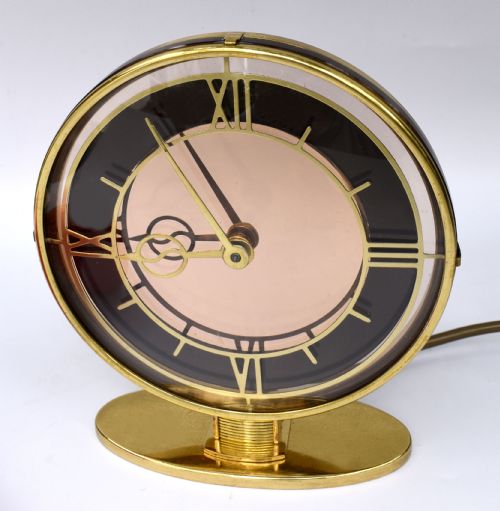
Vintage Electric Mantel Clock
A vintage electric mantel clock brings early mechanical-electrical ingenuity to the sitting room, combining period style with fascinating movement.
Vintage Electric Mantel Clock
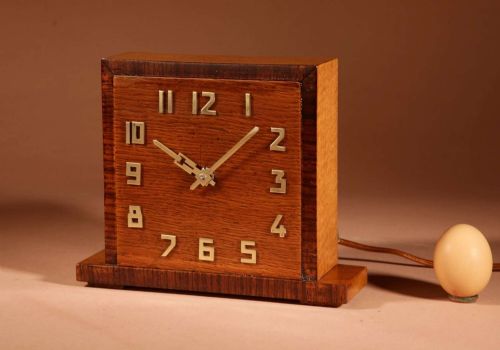
A vintage electric mantel clock sits on furniture surfaces, telling time through early battery or mains-driven electrical systems rather than traditional mainsprings. Most pieces encountered on this page belong to the Art Deco and Amsterdam School periods, spanning from the nineteen-twenties through to the nineteen-fifties.
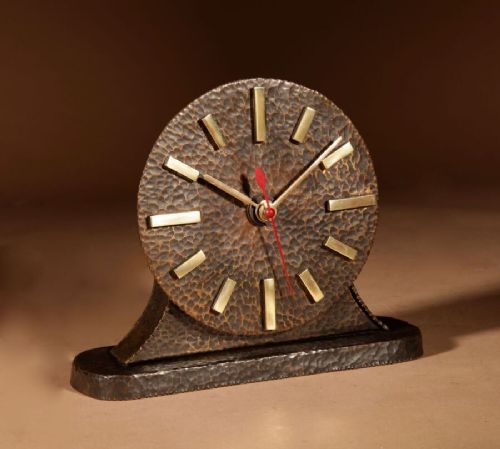
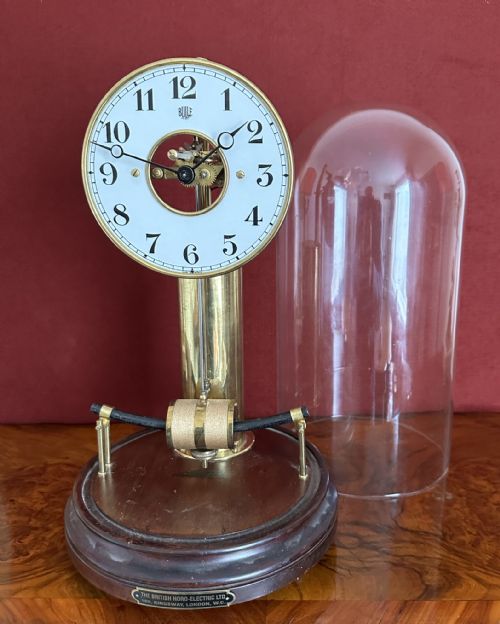
The assortment includes glass domes, mirrored frames, and moving ship automata housed inside timber, metal, and plastic cases. Common materials range from oak, rosewood, and walnut to chrome, brass, and bakelite, often forming geometric or architectural mantel clock shapes.
How they were made
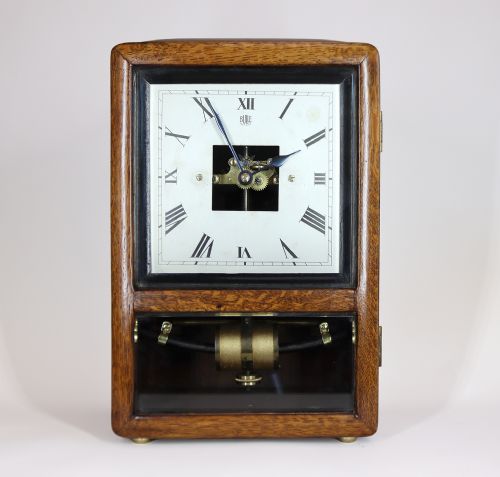
Cabinetmakers and metalworkers utilised contrasting materials, pairing oak and rosewood with hammered patinated brass or chrome detailing. Glass domes and panels provided clear views of the early electrical movements inside.
Cases incorporated synthetic resins like bakelite alongside traditional hardwoods and mirrored glass. Dials often featured bold Art Deco numerals and distinct hands driven by pioneer electric systems.
Listings feature clocks from the 1920s, 1930s, 1940s, and 1950s, utilising glass, brass, chrome, oak, bakelite, and rosewood.
What varies in quality
The refinement of the case construction sets pieces apart, particularly where fine timbers like rosewood and walnut meet hand-beaten brass or specialised glass. Simpler metal or wooden boxes contrast with elaborate architectural designs and signed glass domes.
The sophistication of the movement and the presence of makers' signatures influence the distinction between standard production models and specialised novelty pieces like automata and mystery clocks.
Smiths·P.M. Favre·Vitascope·Jaeger-LeCoultre·Rene Lalique
The Vintage Electric Mantel Clock Glossary
- Bulle clock
- An early electric clock utilising a swinging pendulum influenced by an electromagnet. Invented by Marcel Bulle, these mechanisms became popular during the nineteen-twenties.
- Bakelite
- An early form of plastic prized for its durability and rich dark lustre. It frequently appears in clock cases from the Art Deco period.
- Mystery clock
- A timepiece where the dial appears to float without visible connection to the movement. These pieces rely on concealed glass or crystal discs to transmit motion.
- Amsterdam School
- An architectural and design style originating in the Netherlands. It emphasises rounded brickwork, expressive timber forms, and decorative metalwork.
- Automaton
- A mechanical device that imitates human or animal action. In clockmaking, this often includes moving elements like a ship sailing across a painted sea.
Vintage Electric Mantel Clock: Frequently Asked Questions
How do vintage electric mantel clocks work?
These clocks use early electrical systems, often relying on battery-powered pendulums or early electric motors to drive the gear train.
Unlike traditional mechanical clocks that require manual winding of a mainspring, these mechanisms draw power from early electrical components housed within the case.
What periods do these clocks come from?
The pieces available predominantly date from the nineteen-twenties, thirties, forties, and fifties.
This broad span captures the rise of early electric horology alongside the height of Art Deco and Amsterdam School design.
Where should I place a mantel clock?
As the name suggests, these clocks fit comfortably on mantelpieces, sideboards, and desk tops where the decorative case can be viewed.
Glass-domed models and see-through designs benefit from placement near a light source to highlight the internal movement.