


Vintage Elbow Seat
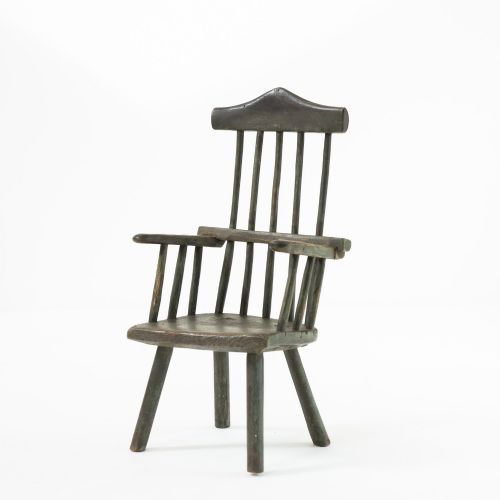
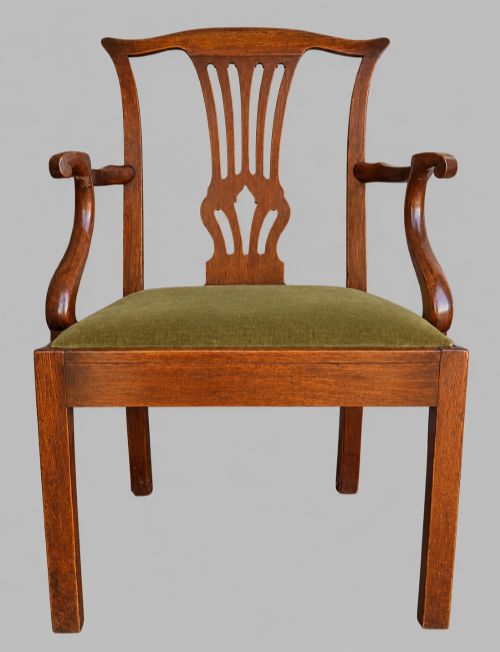
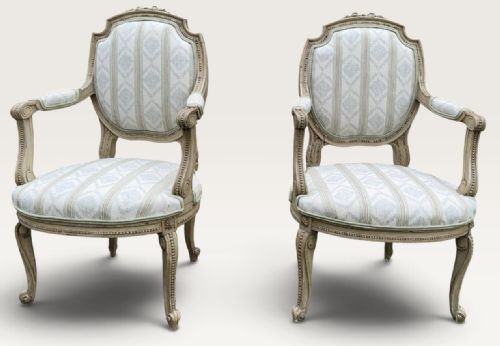
When you search for a vintage elbow seat, you are looking at substantial seating with arms, from sturdy country Windsors to formal mahogany carvers.
Vintage Elbow Seat
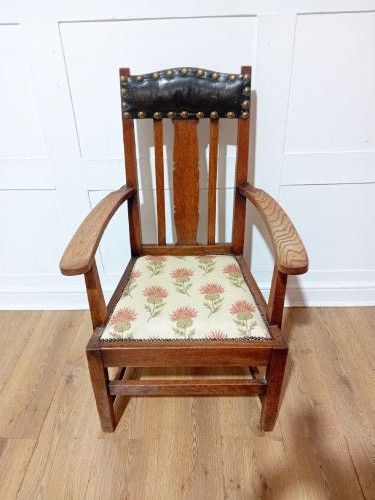
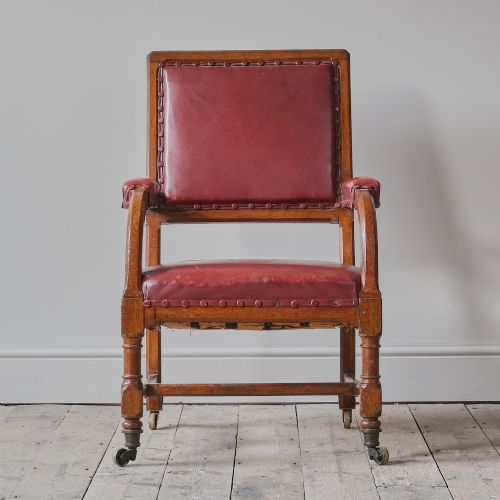
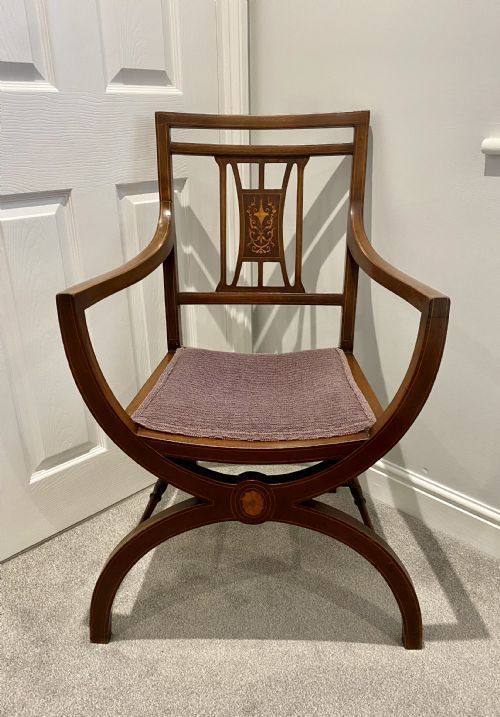
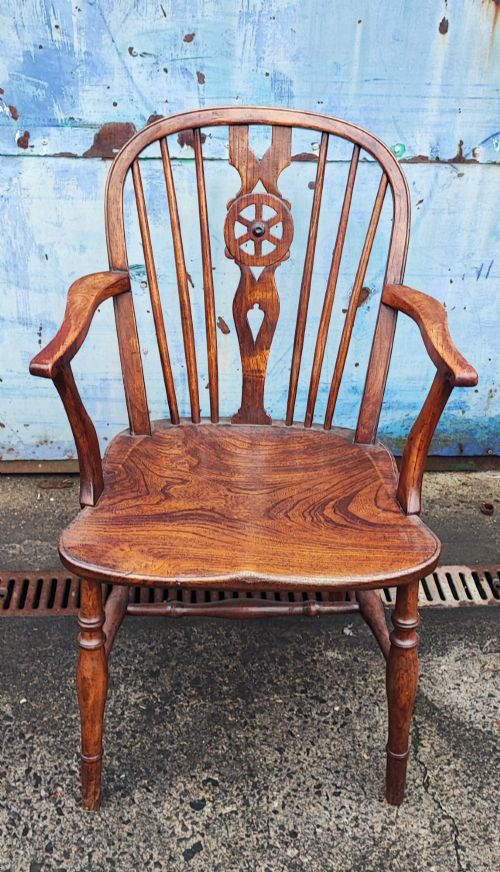
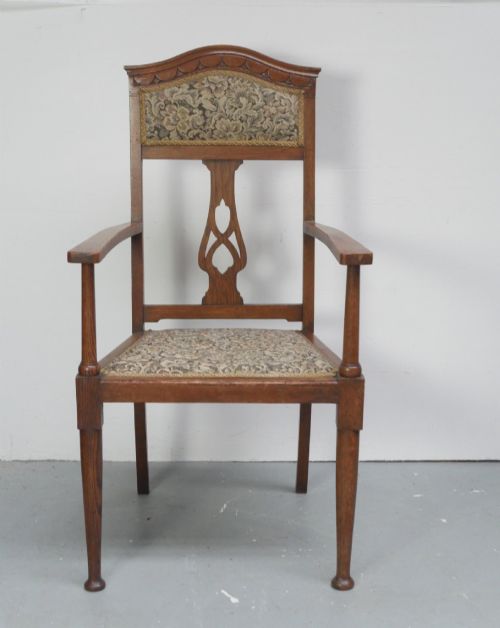
A vintage elbow seat encompasses a wide variety of armchairs, carvers, and desk chairs spanning multiple periods from the eighteenth century through to the art deco era. These pieces range from vernacular country furniture in elm, ash, and fruitwood to formal mahogany library and dining designs reflecting Hepplewhite and Regency influences.
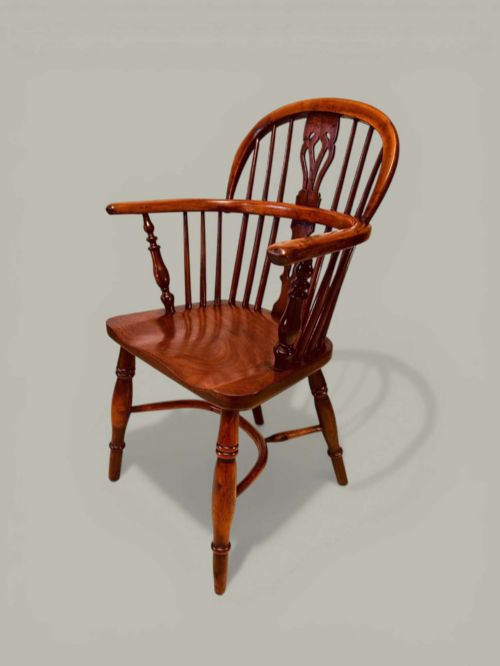
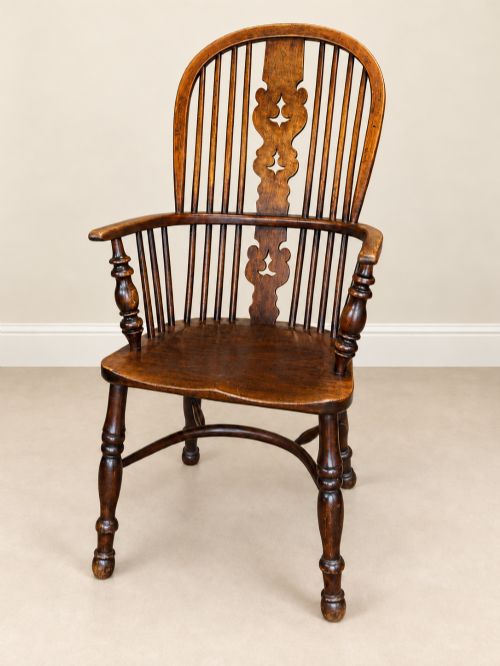
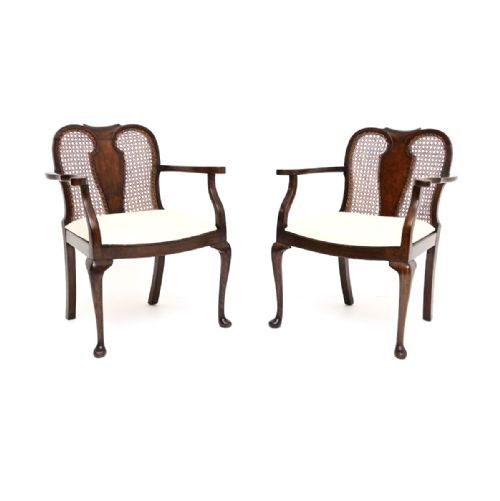
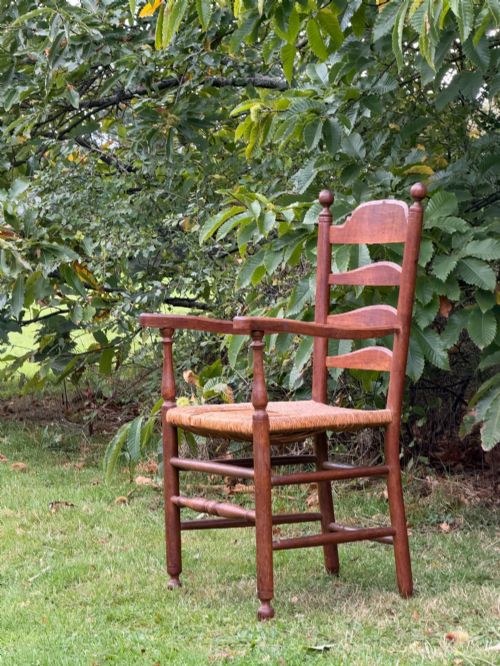
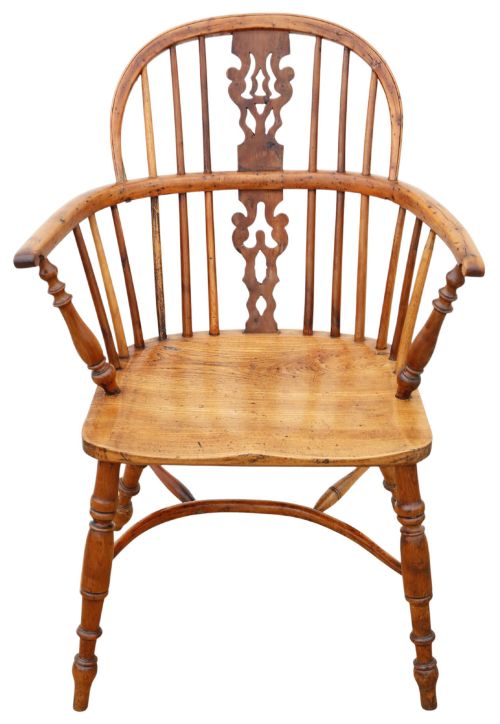
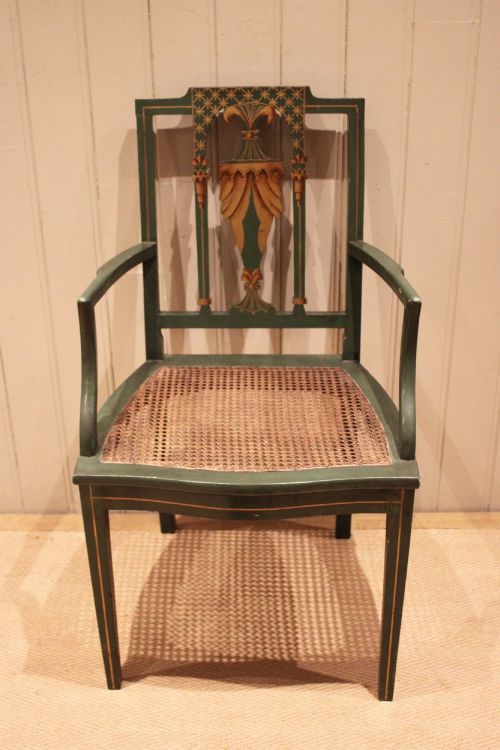
The most common forms you will encounter on this page are Windsor armchairs, smoker's bows, and Edwardian or Victorian library chairs fitted with cane, rush, or upholstered seats. They serve equally well as desk chairs, fireside seating, or occasional accent pieces in a room.
Origins stretch from English country workshops to Anglo-Indian studios, French ateliers, and Swedish folk traditions. Each region brings distinct timber choices and carving details to the basic form of a seated chair with arms.
How they were made
Construction relies heavily on traditional timber framing, utilising solid woods such as oak, mahogany, walnut, elm, and ash combined with fruitwoods and exotic timbers like teak and rosewood. Joinery methods include traditional tenons, pegged joints, and steam-bent components particularly visible in Windsor and stick-back designs.
Seating surfaces are constructed from woven cane and rush, or built up with leather and fabric upholstery over supportive frames. Surface finishes range from original paintwork and lacquered walnut to polished mahogany and bare waxed grain.
Vintage Elbow Seat Retail Price Guide 2026
Typical asking prices for vintage elbow seat among the pieces listed under this phrase on Sellingantiques today, from the lower quarter to the upper quarter. They describe what is for sale here now, not the wider market.
Some nineteenth-century Windsor chairs include a crinoline stretcher beneath the seat for extra bracing.
What varies in quality
The distinction between standard examples and the top of the range lies in the integrity of the timber selection and the sophistication of the joinery. Figured woods, harmonious grain matching across a pair, and crisply carved details elevate a piece well above utilitarian workshop output.
Originality of surface finish and remaining components heavily influence a chair's standing, as replacement parts or stripped timber alter the visual balance. Pieces retaining their early paint, original cane work, or period leather upholstery demonstrate superior preservation.
Morris And Co
The Vintage Elbow Seat Glossary
- Elbow seat
- A traditional term for any chair fitted with armrests, bridging the gap between a side chair and a full armchair.
- Windsor
- A wooden chair construction style featuring a solid sculpted wooden seat into which the legs and back spindles are separately raked and wedged.
- Carver
- A dining or desk chair built with arms, traditionally placed at the head of a table.
- Smoker's bow
- A low-backed wooden armchair with a continuous curved armrail, popular in Windsor and farmhouse contexts during the nineteenth century.
- Cane
- Woven rattan material utilised for flexible, decorative seat and back panels.
- Rush
- Natural dried marsh grass twisted into cords and hand-woven to create durable seating pads.
Vintage Elbow Seat: Frequently Asked Questions
What is a vintage elbow seat?
A vintage elbow seat is a general term covering various armchairs, carvers, and desk chairs equipped with armrests. These range from sturdy farmhouse Windsors to formal mahogany seating.
They provide supportive seating with arms for desks, dining tables, and reading corners.
How do I use an elbow chair at a desk?
Ensure the height of the chair arms clears the underside of your desk surface so the seat slides in properly. Many nineteenth-century carvers and smoker's bows function well as desk chairs due to their supportive backs.
Check the seat height against your working surface for comfortable daily posture.
Are rush and cane seats durable?
Woven rush and cane provide surprising strength and flexibility when maintained in dry indoor conditions. Avoid placing them in direct sunlight or damp areas to prevent the natural fibres from becoming brittle.
With careful everyday use, these traditional woven panels last for decades without requiring complete re-weaving.
How do I tell Victorian from Edwardian chairs?
Victorian chairs frequently feature heavier dark woods, robust upholstery, and ornate carved details reflecting Revival styles. Edwardian pieces often lean towards lighter satinwood or mahogany inlays, simpler lines, and frequent use of cane panels.
Examining the construction methods and timber finishes helps clarify the manufacturing period.