

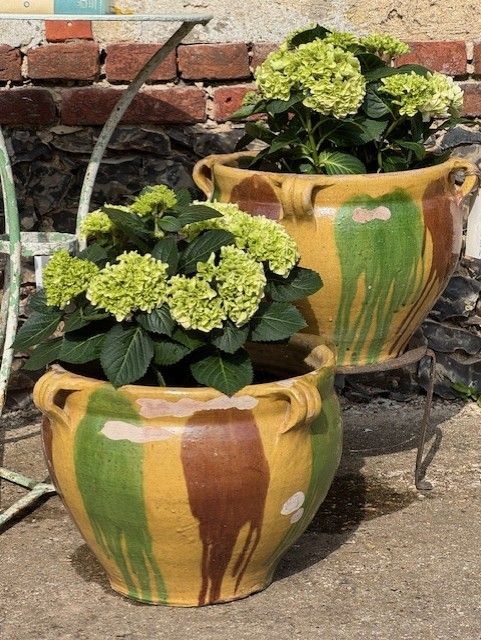


Vintage Earthenware Jar
A vintage earthenware jar brings substantial weight and tactile warmth to an interior, offering utility alongside rich historical character.
Vintage Earthenware Jar
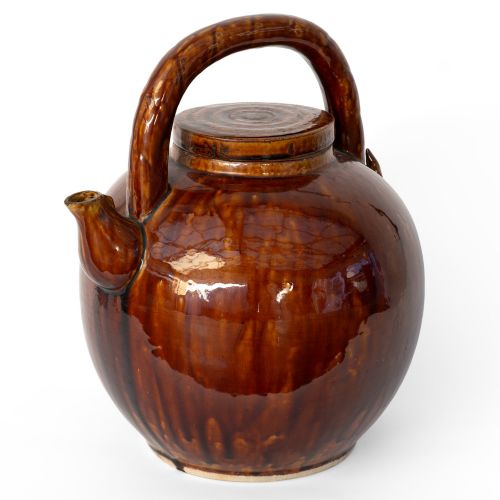
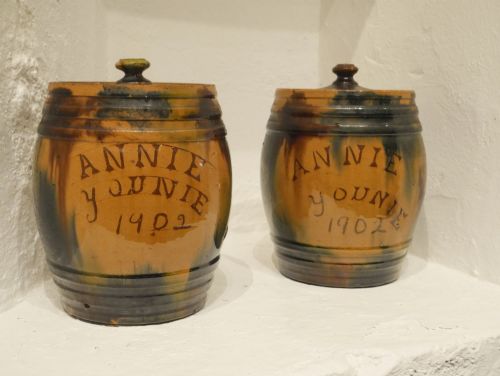
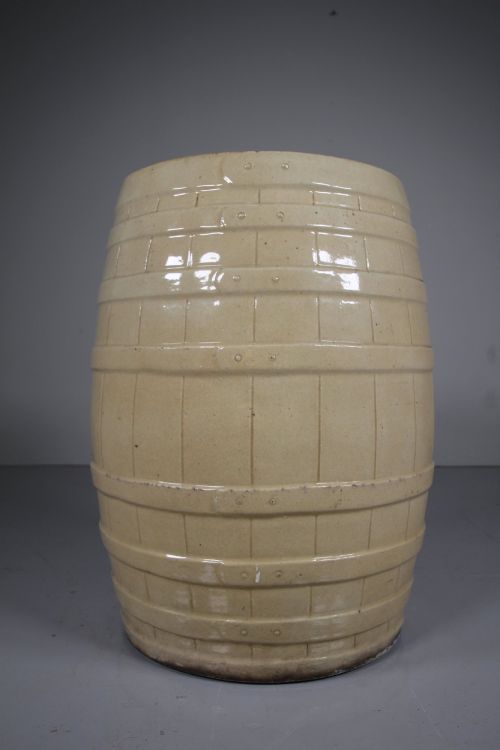
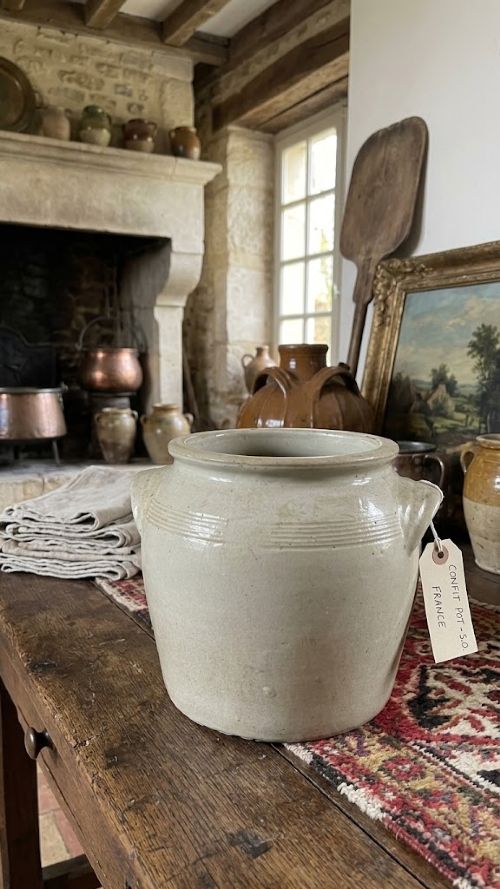
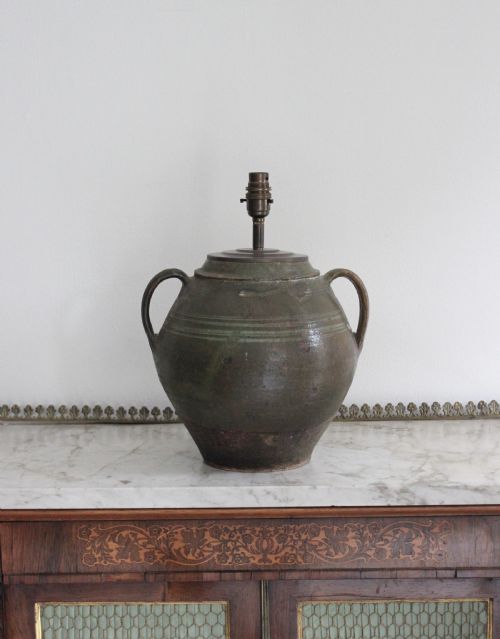
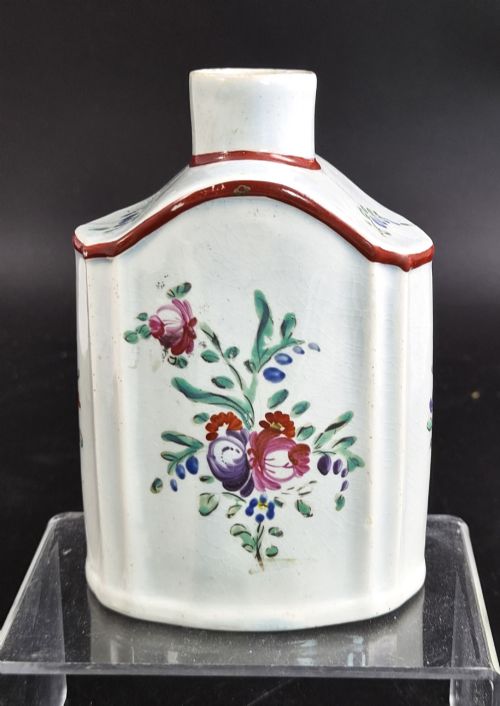
A vintage earthenware jar encompasses functional vessels and ornamental containers spanning centuries of ceramic tradition. Buyers seeking a vintage earthenware jar encounter forms ranging from French confit pots and Italian albarelli to large oil jars and tea canisters.
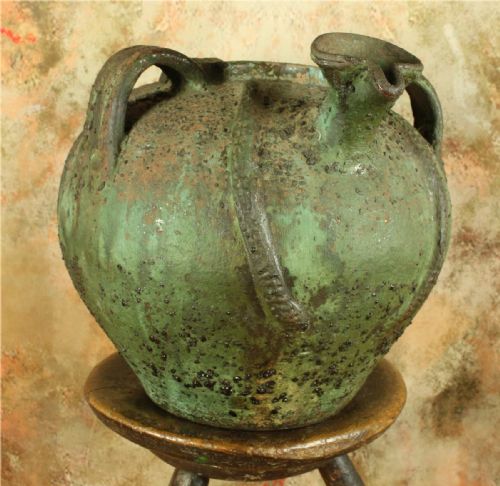
The selections on this page draw from 18th-century, 19th-century, and early 20th-century periods, reflecting diverse regional styles such as French Provincial, Art Deco, and Rustic Country. French confit pots and terracotta oil jars appear frequently among these listings.
Materials and construction
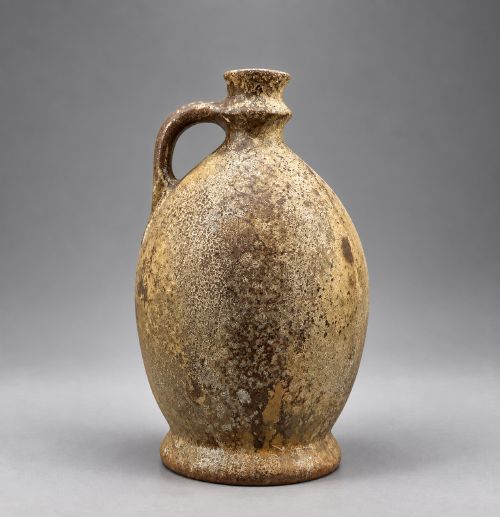
Potters shaped these vessels from earthenware and terracotta clays, often applying glazes such as tin glaze, salt glaze, or lead-based transparent coatings to ensure impermeability. Pigments, floral enamels, and occasionally gold leaf embellished the surfaces.
Hand-thrown methods and mould-pressed techniques defined the construction, leaving subtle throwing rings or seam lines that record the maker's hand. Firing took place in traditional kilns, resulting in surface variations unique to each piece.
Vintage Earthenware Jar Retail Price Guide 2026
Typical asking prices for vintage earthenware jar among the pieces listed under this phrase on Sellingantiques today, from the lower quarter to the upper quarter. They describe what is for sale here now, not the wider market.
Listings feature earthenware, terracotta, and ceramic vessels spanning the 18th, 19th, and early 20th centuries, including French Provincial and Art Deco styles.
Distinctions in quality
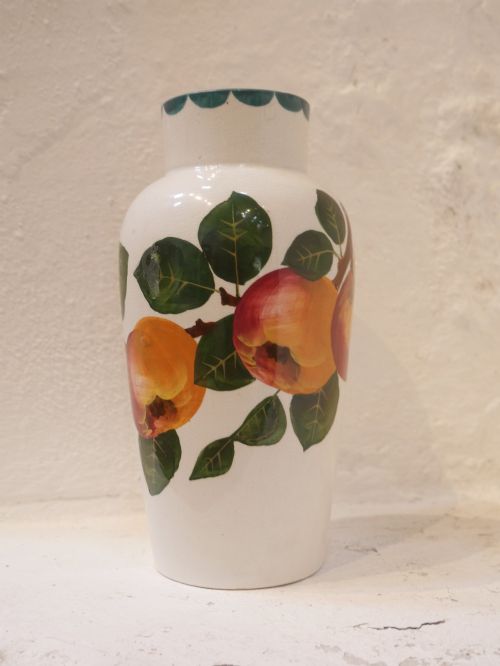
Quality rests in the harmony of proportion, the depth and coverage of the glaze, and the clarity of any painted or moulded decoration. Superior examples display confident brushwork, such as hand-painted florals or tin-glazed polychrome scenes, executed with precision.
The integrity of the body and the preservation of the original surface patination distinguish finer specimens from heavily restored or weathered equivalents. Potters who mastered control over kiln temperatures achieved more even, stable finishes.
Wemyss·Leeds Pottery·Doulton Lambeth·Moorcroft Macintyre And Co·Royal Doulton·Royal Winton
The Vintage Earthenware Jar Glossary
- Earthenware
- Porous pottery fired at lower temperatures than stoneware or porcelain. It requires a glaze to hold liquids effectively.
- Albarello
- A cylindrical earthenware jar used by apothecaries to store drugs and ointments. Originating in the Middle East, this form became popular across Italy and Europe.
- Confit pot
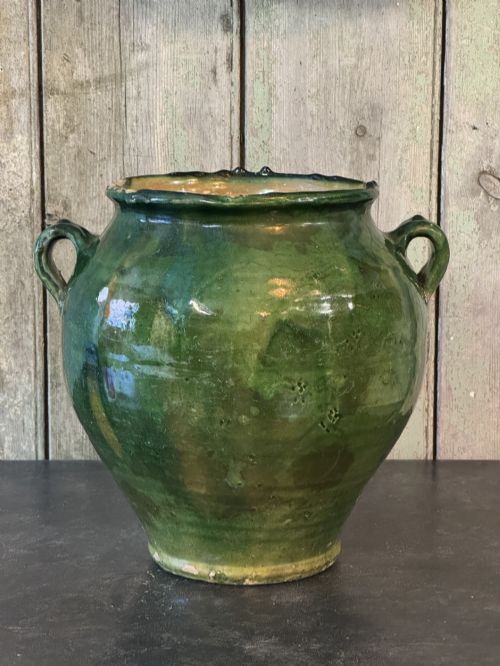
- A French utilitarian pot traditionally used for preserving meat. These pieces typically feature partial or full green glazes and side handles.
- Majolica
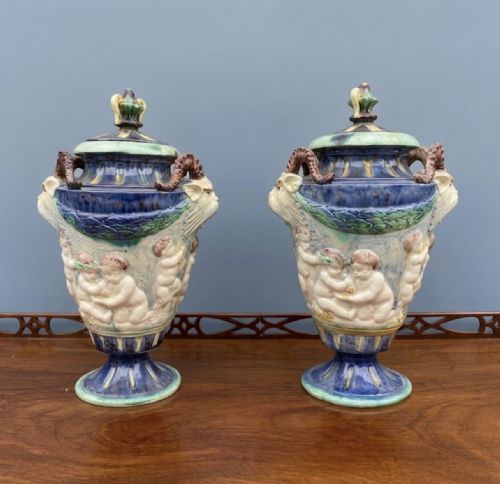
- Italian tin-glazed earthenware decorated with brightly coloured metal oxide pigments on a white background. This technique spread widely during the Renaissance and later revival periods.
- Salt glaze
- A vitreous coating formed by throwing common salt into the kiln during high-temperature firing. This process creates an orange-peel texture on the ceramic surface.
Vintage Earthenware Jar: Frequently Asked Questions
How were these jars originally used?
Many of these vessels served practical roles in domestic and commercial life, functioning as storage containers for oil, preserves, tobacco, or dry goods. Apothecaries and households relied on them for daily preservation before modern packaging.
Over time, decorative intent took precedence in many workshops, leading to ornamental urns, vases, and powder boxes designed primarily for display within period interiors.
Are these jars waterproof?
While glazed earthenware is generally suitable for holding water, porosity varies depending on the specific firing temperature and the integrity of the glaze interior. Older terracotta and unglazed sections may seep moisture over extended periods.
Placing a protective liner inside antique vessels is advisable if using them to display fresh flowers or plants in a domestic setting.
How do I style a large jar at home?
Large olive jars and confit pots anchor corners, hearths, or entryways when placed directly on the floor or on sturdy stands. Their muted earth tones and tactile surfaces complement rustic and contemporary spaces alike.
Smaller drug jars and canisters suit tabletops, bookshelves, or kitchen dressers, where their detailed painted surfaces can be viewed up close.
How can I distinguish regional styles?
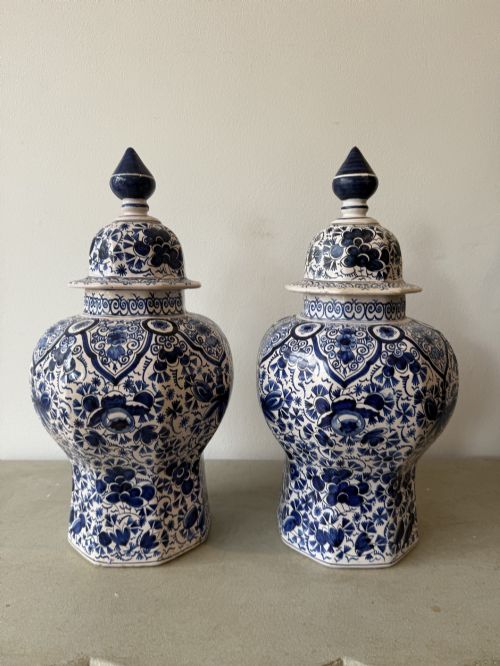
Regional characteristics emerge through clay colour, glaze palette, and traditional vessel forms. French pieces often display rich green lead glazes on confit vessels, while Italian and Dutch items frequently showcase tin-glazed blue and white decoration.
English potteries tend to exhibit distinct stamped marks, salt-glazed finishes, or transfer-printed floral motifs characteristic of their respective production centres.