

Vintage Drop Side Table
A vintage drop side table brings folding leaves and compact flexibility to any room, rooted in centuries of timber craftsmanship.
Vintage Drop Side Table
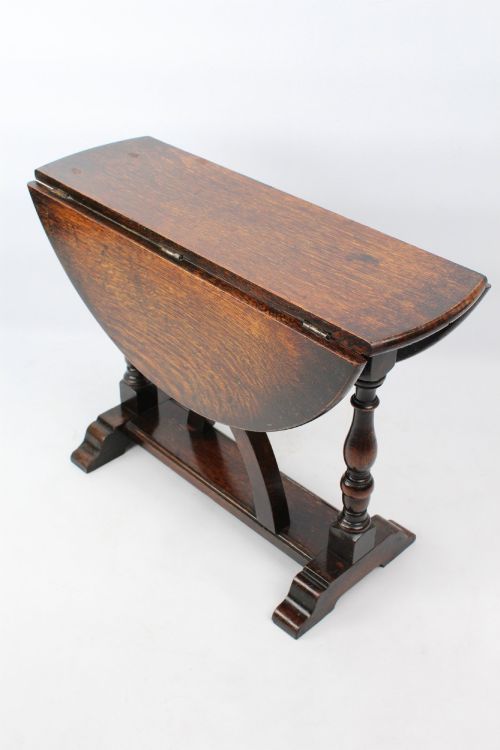
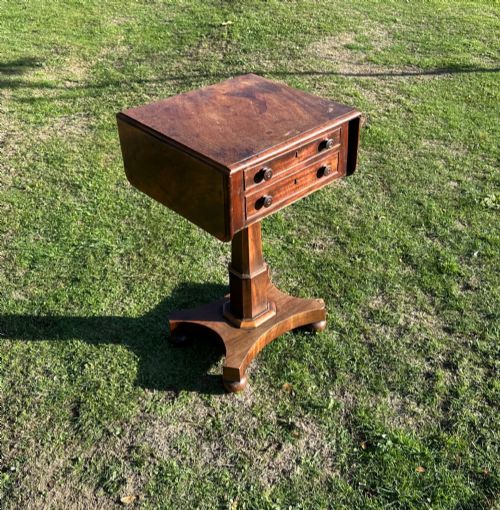
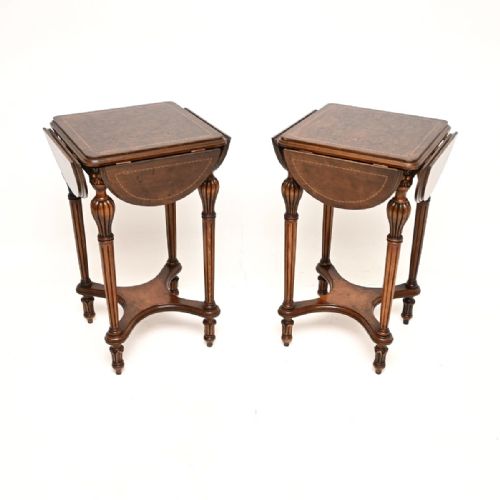
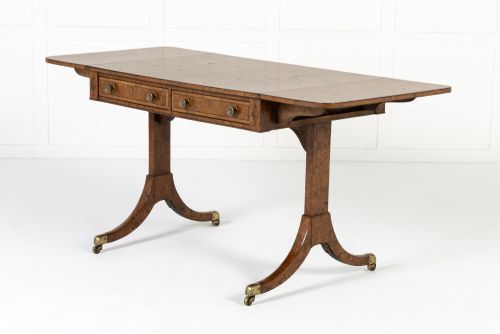
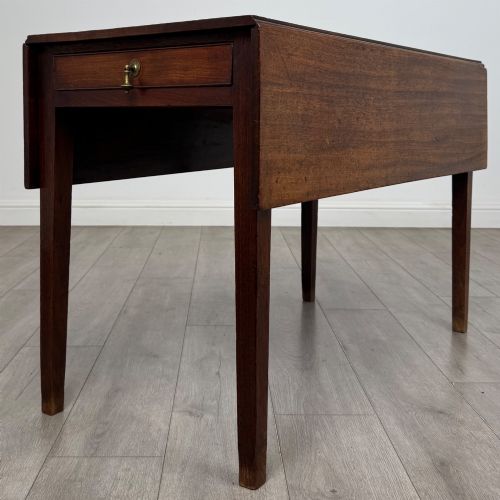
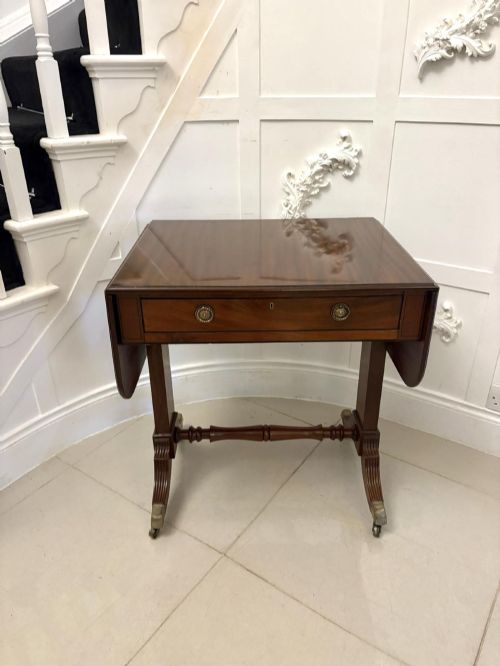
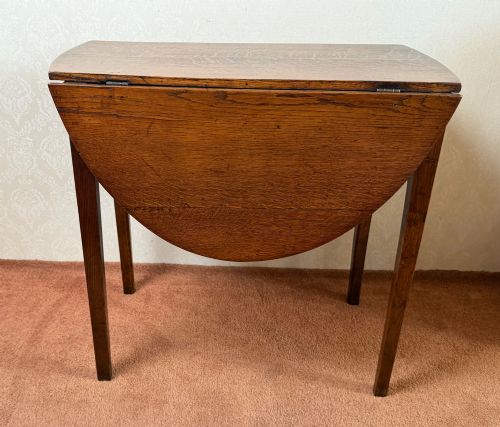
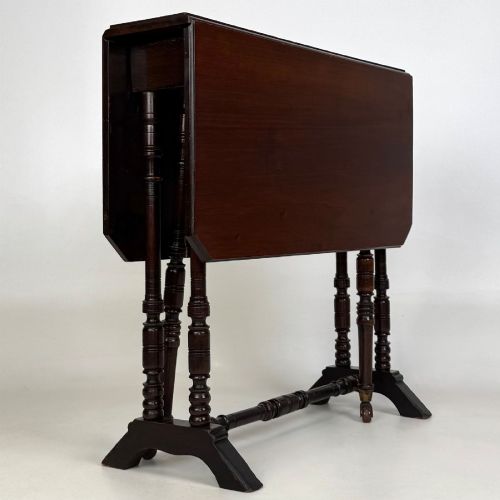
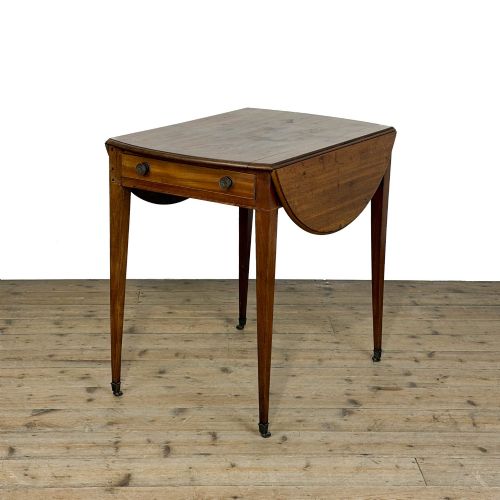
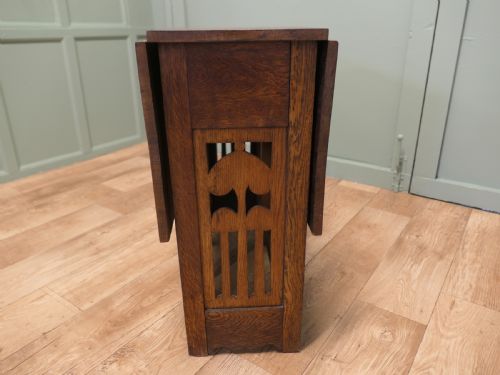
A vintage drop side table provides adaptable surface area through hinged flaps that lower when space is tight and lift when needed. These domestic items span centuries of design, appearing as compact occasional pieces, slender Pembroke tables, and sturdy gateleg dining variants.
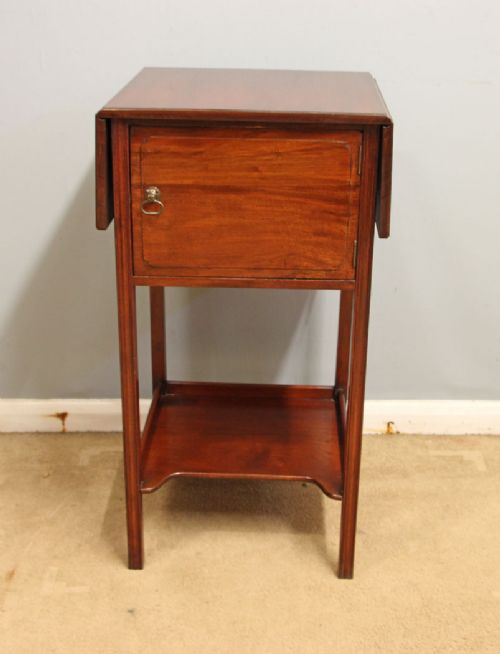
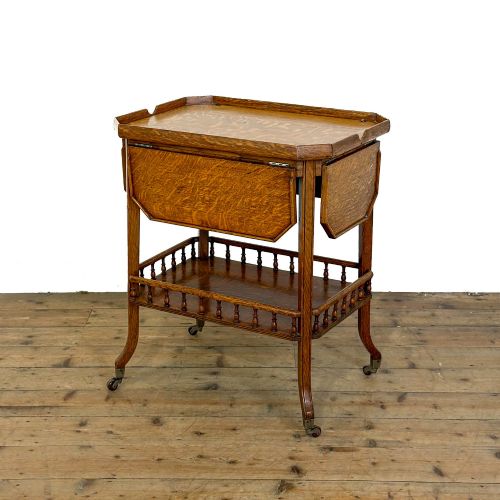
The selections on this page range from seventeenth-century oak gateleg designs to Edwardian walnut and mahogany Sutherland tables. Buyers encounter diverse forms including tea trolleys, bedside cabinets, and kitchen tables equipped with folding flaps.
Victorian and Edwardian versions appear frequently alongside earlier eighteenth-century mahogany examples and robust nineteenth-century pine tables. Each piece balances practical utility with period character.
How they were made
Cabinetmakers relied on native and imported timbers such as oak, mahogany, walnut, and burr walnut, often selecting boards with finely figured grain. Secondary woods like pine appear in utilitarian kitchen pieces.
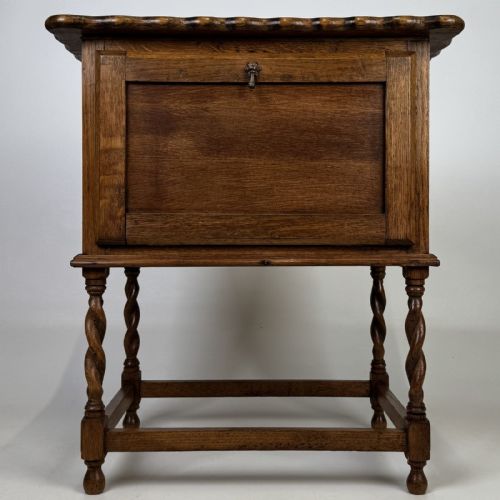
Construction methods relied on hinged drop flaps supported by swinging legs, gate mechanisms, or sliding wooden brackets. Turning techniques produced barley twist, bobbin turned, and cabriole legs, while brass hardware secured hinges and drawers.
Vintage Drop Side Table Retail Price Guide 2026
Typical asking prices for vintage drop side table among the pieces listed under this phrase on Sellingantiques today, from the lower quarter to the upper quarter. They describe what is for sale here now, not the wider market.
Periods represented span from the seventeenth century through the Georgian, Regency, Victorian, and Edwardian eras into the early twentieth century.
What varies in quality
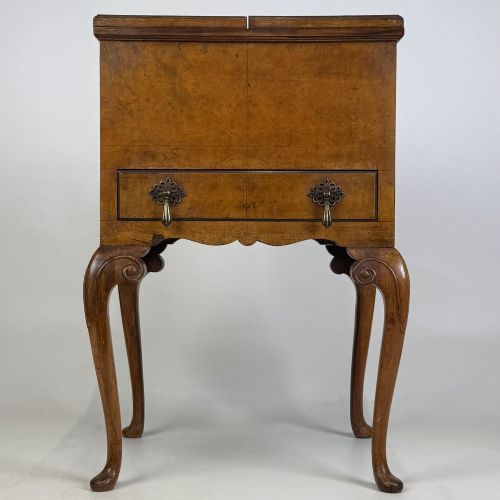
Quality rests in the selection of timbers and the precision of the joinery where the folding leaves meet the main top. Tables featuring burr walnut veneers or finely figured mahogany timbers show superior initial workshop investment.
The integrity of the hinge mechanism and the stability of the support gates dictate daily utility. Pieces retaining their original patination and balanced proportions command greater appreciation among collectors.
The Vintage Drop Side Table Glossary
- Gateleg table
- A table with hinged flaps supported by legs that swing outward like a gate. This form provides substantial surface area while folding down compactly.
- Pembroke table
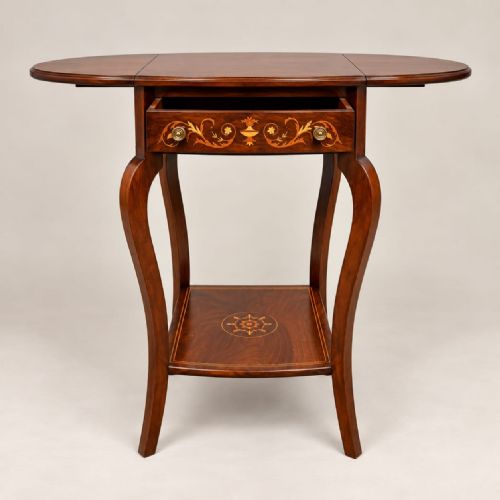
- A small occasional table featuring two drop leaves on opposing sides and frequently a single drawer. The design dates to the eighteenth century and served various domestic functions.
- Sutherland table
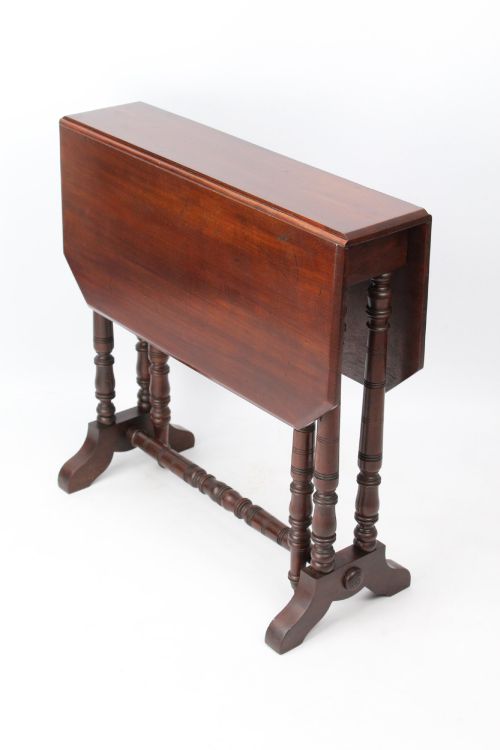
- A narrow table with exceptionally slender drop leaves that fold down almost vertically. They were developed during the Victorian period to maximise floor space.
- Barley twist
- A type of woodturning resembling a spiral rope. This decorative leg style appears frequently on seventeenth-century and Edwardian oak furniture.
- Patina
- The surface sheen and colour acquired by wood through age, handling, and wear. Original patination indicates minimal chemical stripping or harsh restoration.
Vintage Drop Side Table: Frequently Asked Questions
What is a drop side table used for?
These tables served multiple domestic purposes depending on their scale and period. Smaller versions functioned as bedside stands, tea trolleys, and occasional surfaces in parlours.
Larger gateleg and Pembroke variations provided flexible dining surfaces that could be tucked against a wall when not in use.
What timbers were used for these tables?
Cabinetmakers utilised oak during the seventeenth and early eighteenth centuries for robust gateleg dining formats. Mahogany and walnut gained prominence in later periods.
Finer decorative elements involved burr walnut veneers, satinwood banding, and brass hardware fittings.
How do I care for antique wood?
Protect antique wood surfaces from direct sunlight and excessive heat fluctuations to prevent timber splitting. Regular gentle dusting with a dry cloth maintains the finish without chemical buildup.
Avoid placing damp items directly onto antique table leaves without protective mats.