


Vintage Drop Desk
These vintage drop desk pieces combine practical writing surfaces with concealed storage, offering character and utility for modern rooms.
Vintage Drop Desk
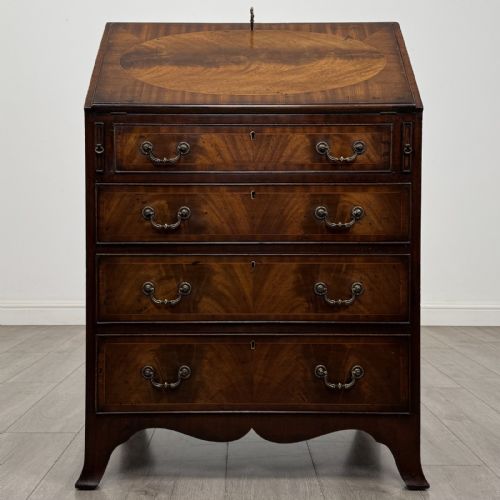
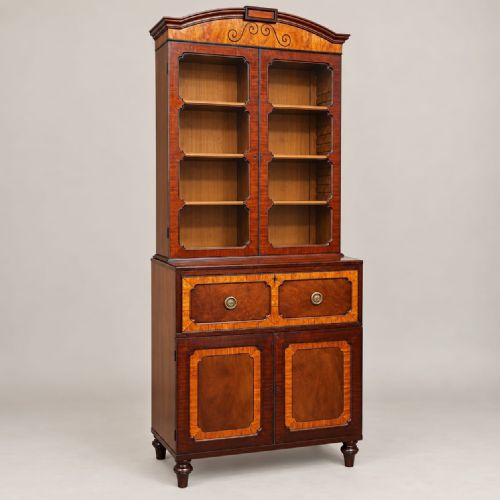
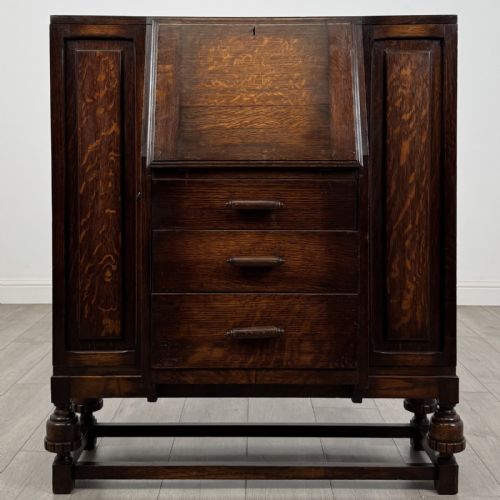
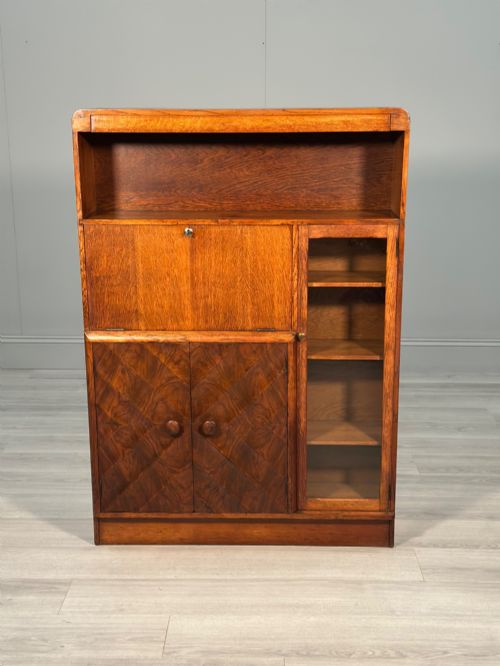
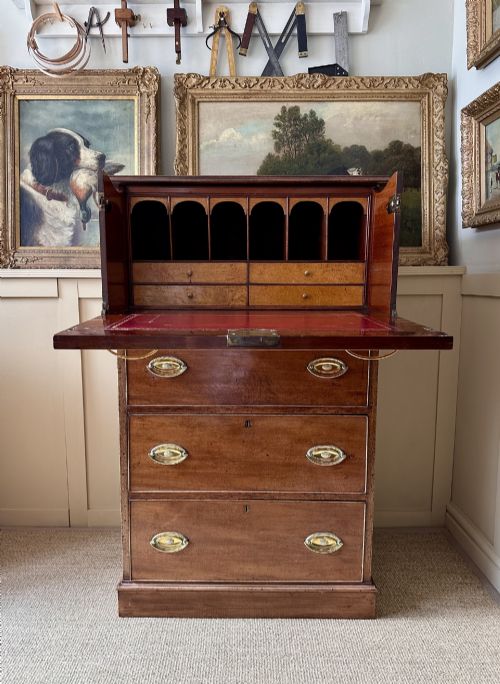
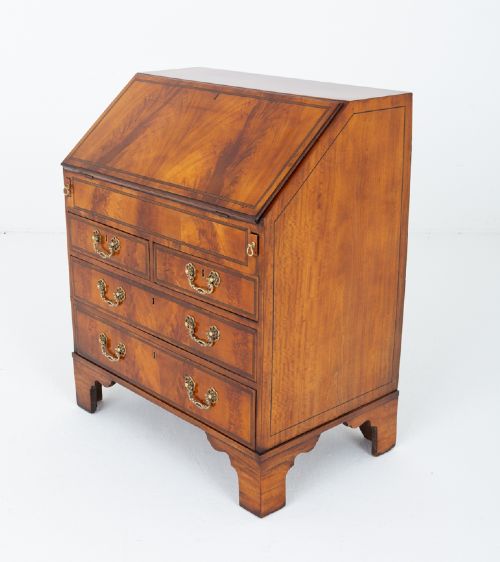
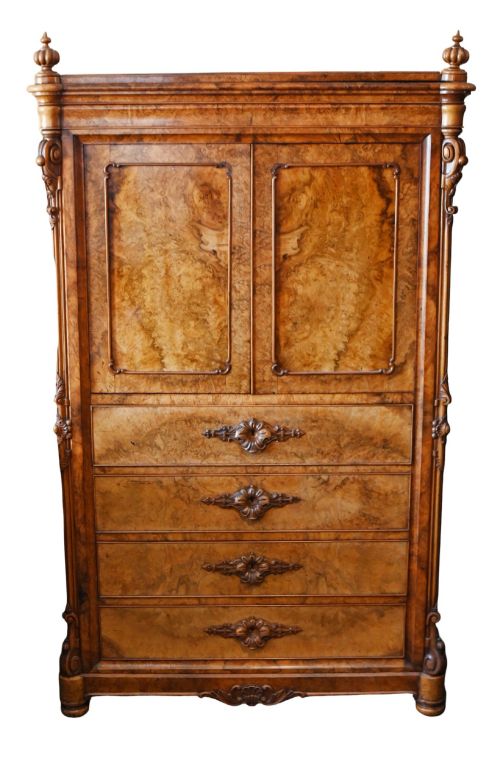
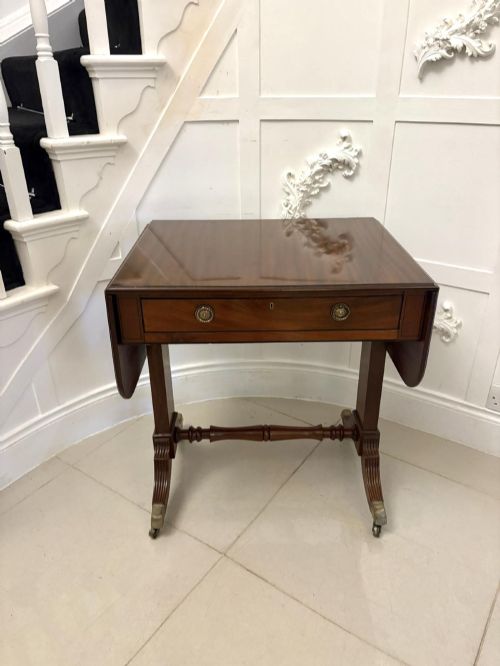
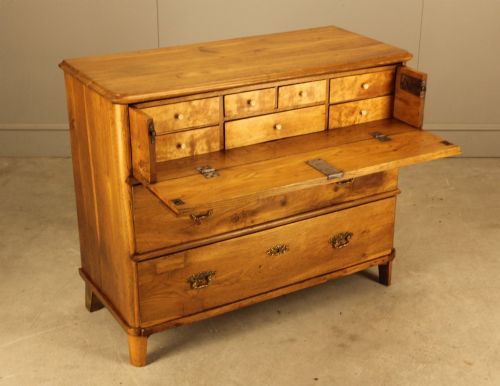
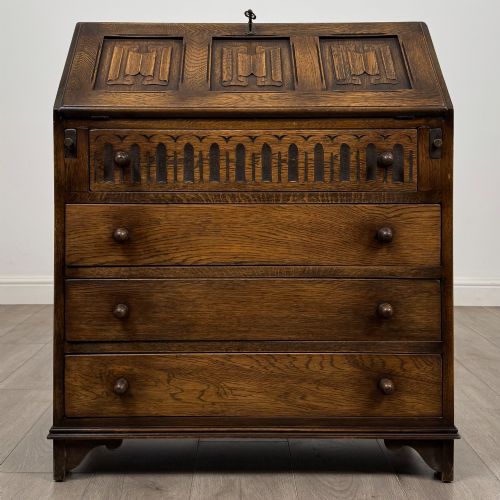
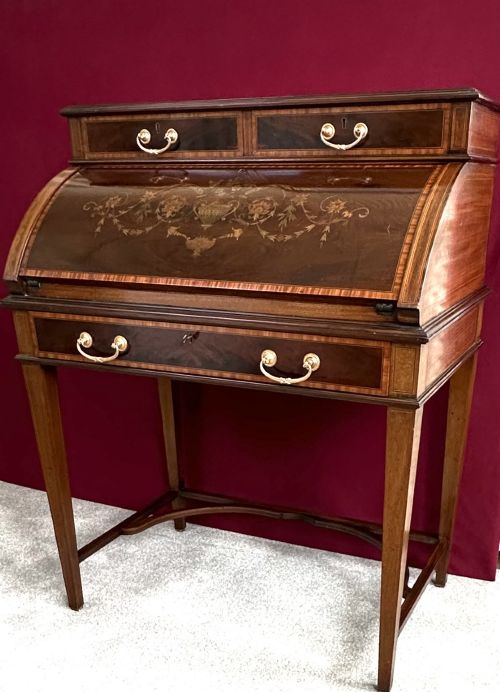
When you search for a vintage drop desk, you encounter versatile writing furniture designed with a hinged writing flap that opens forward. These items encompass forms such as bureaux, bureau bookcases, escritoires, and secretaire cabinets originating from various periods.
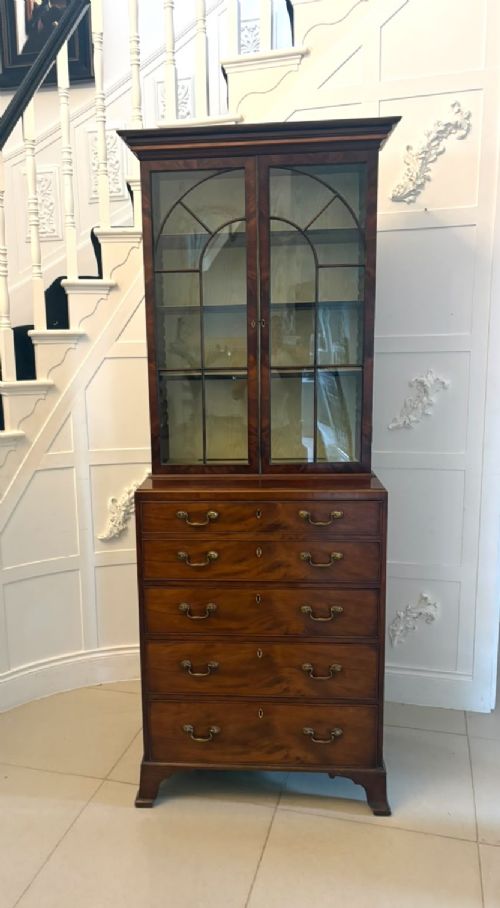
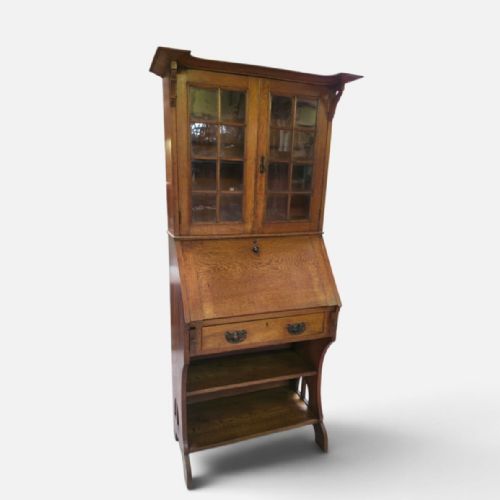
The selections on this page are dominated by Edwardian and 19th-century examples, frequently constructed in oak and mahogany. You will regularly find fall-front writing desks alongside taller bureau bookcases featuring glazed or panelled upper sections.
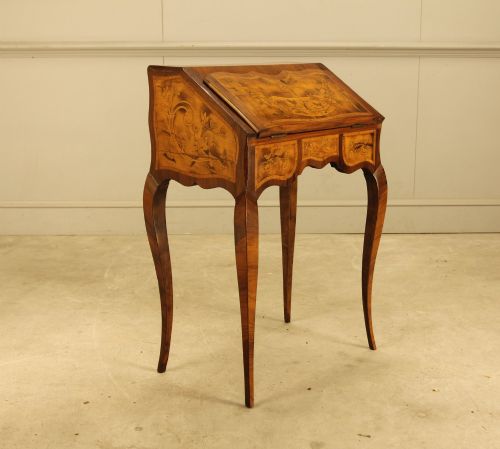
Regional and stylistic variations span from Georgian mahogany pieces to Arts and Crafts oak designs and Art Deco walnut creations. Each form provides a dedicated surface for correspondence alongside pigeonholes and small drawers within the fitted interior.
How they were made
Cabinet makers utilised dense hardwoods such as mahogany, oak, and walnut, often applying figured veneers like burr walnut or rosewood to prominent surfaces. Brass handles, escutcheons, and hinges provide functional hardware, while internal fittings incorporate leather writing inserts and secret compartments.
Construction techniques involve traditional joinery to support the weight of the dropping flap, which relies on wooden lopers or brass arms when lowered. Bookcase sections frequently incorporate glass panels and adjustable shelving above the main writing compartment.
The furniture spans multiple eras including Georgian, Regency, Edwardian, Arts and Crafts, Art Deco, and Jacobean Revival styles.
What varies in quality
The standard of a piece rests largely on the choice of timber and the precision of the internal cabinet work. Superior examples display carefully matched wood grain across the fall front and drawer fronts, alongside well-organised pigeonholes and intact secret drawers.
Structural integrity of the hinged writing flap and its supporting mechanism dictates daily usability. Finer items retain original brassware, glass, and fitted leather surfaces, whereas lesser pieces may show replacement fittings and heavier alterations.
Arthur Basil Reynolds·Stanley Webb Davies·Gillows·F H Marshall and Co Glasgow·Larkin
The Vintage Drop Desk Glossary
- Bureau
- A writing desk with a sloping hinged lid that covers a fitted interior of drawers and pigeonholes. This term frequently describes fall-front desks resting on bracket feet or stands.
- Secretaire
- A piece of furniture containing a concealed writing drawer or drop-down desk compartment. These often take the form of cabinets or tall bookcases.
- Escritoire
- A writing cabinet, typically featuring a fall-front writing surface and internal compartments. French versions sometimes incorporate marble tops and marquetry inlay.
- Lopers
- Wooden pull-out brackets situated beneath the fall-front flap of a desk to support the writing surface when opened. They slide back into the frame when the desk is closed.
- Fall front
- A hinged writing flap that lowers to a horizontal position for working. It conceals internal stationery compartments when closed upright.
Vintage Drop Desk: Frequently Asked Questions
What is a vintage drop desk used for?
These pieces function as compact writing stations and storage cabinets for correspondence and paperwork. The drop-down flap provides a flat surface for writing while concealing internal compartments.
Closed, the unit presents a tidy wooden cabinet front that conceals clutter in living spaces or home offices.
How do I tell an 18th century bureau apart from an Edwardian one?
Eighteenth-century examples typically feature solid mahogany or oak construction with hand-cut dovetails on drawer linings and deeper patination. Edwardian pieces often display lighter timbers, golden oak, or machine-sawn internal elements.
Stylistic markers also help distinguish eras, as Georgian designs favour plain elegance while Edwardian items frequently include decorative inlays or revival styling.
How do I care for a walnut veneer drop desk?
Keep the timber away from direct sunlight and strong heat sources to prevent the burr walnut veneer from drying and lifting. Dust gently with a dry cloth and apply occasional wax suitable for antique furniture.
Avoid using modern liquid sprays or silicones, which can damage the polished finish over time.
What are secret drawers in a bureau?
Secret drawers are concealed compartments built behind pigeonholes or sliding panels within the fitted interior. Makers designed these spaces to securely store valuables or sensitive correspondence.
Accessing them usually requires removing specific small drawers or pressing hidden spring catches.