

Vintage Drip Tray Stand
A vintage drip tray stand organises wet umbrellas and walking sticks in hallways using oak, brass, and cast iron.
Vintage Drip Tray Stand
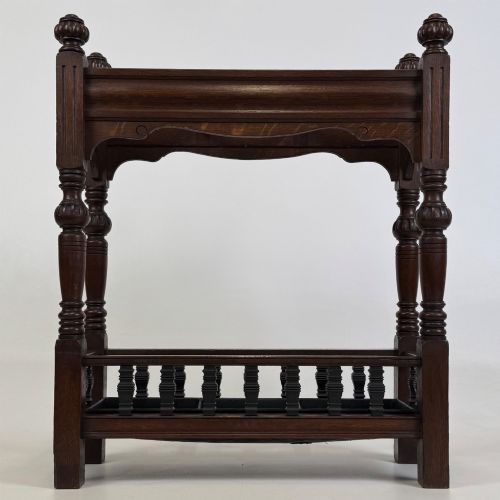
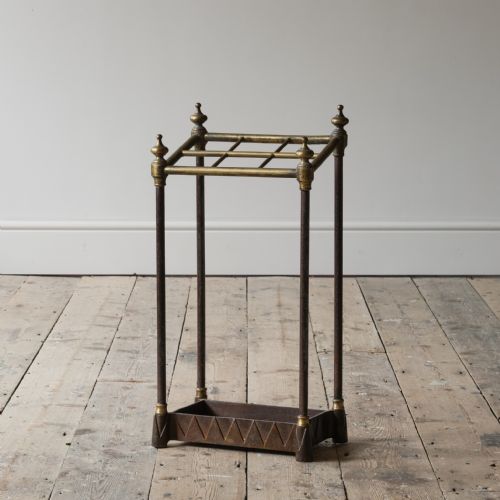
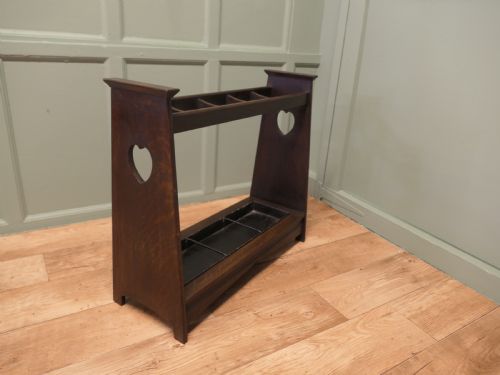
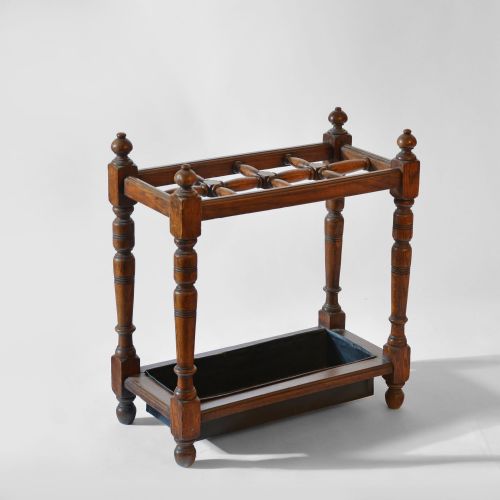
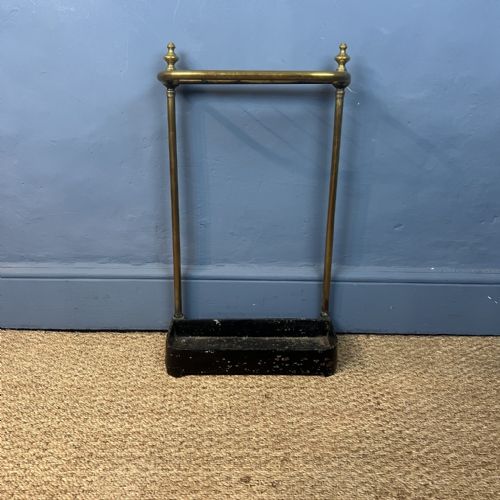
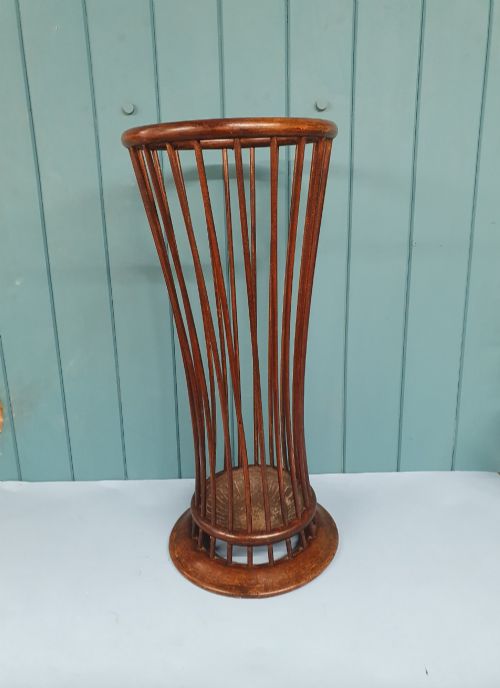
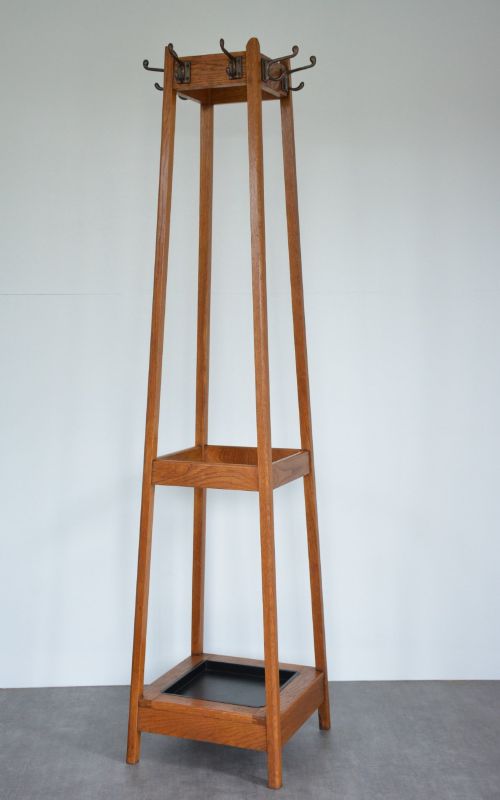
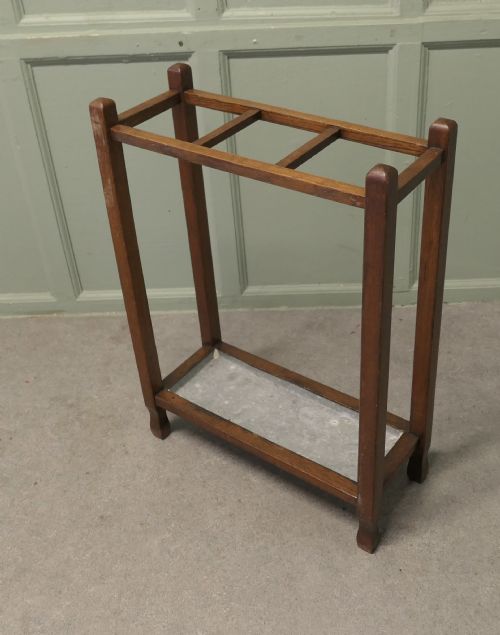
A vintage drip tray stand serves as an entrance hall accessory designed to hold wet umbrellas, walking sticks, and coats while catching water below. Buyers searching for a vintage drip tray stand encounter hall furniture and umbrella stands originating from the Victorian, Edwardian, and Arts and Crafts periods. The selection on this page consists predominantly of oak, brass, and cast iron pieces configured for daily hallway utility.
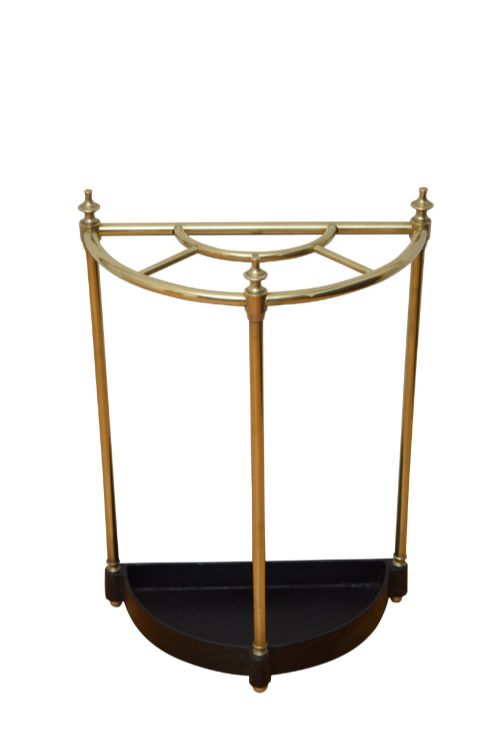
Forms range from compact demi-lune brass frames to large oak hall seats with integrated stick holders and metal trays. Pieces span the nineteenth and twentieth centuries, encompassing styles from Aesthetic Movement designs to Art Deco and French Art Nouveau. The common function across these variations remains the containment of moisture from wet weather gear upon entry.
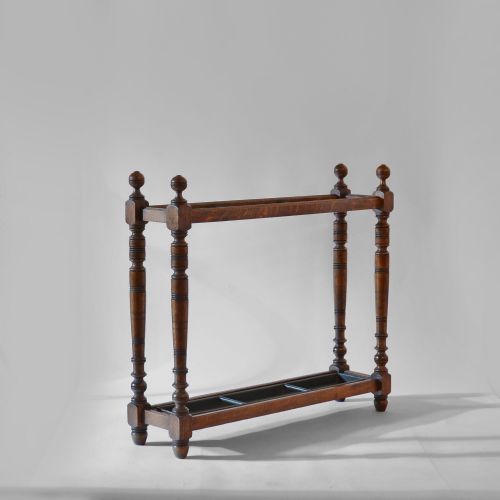
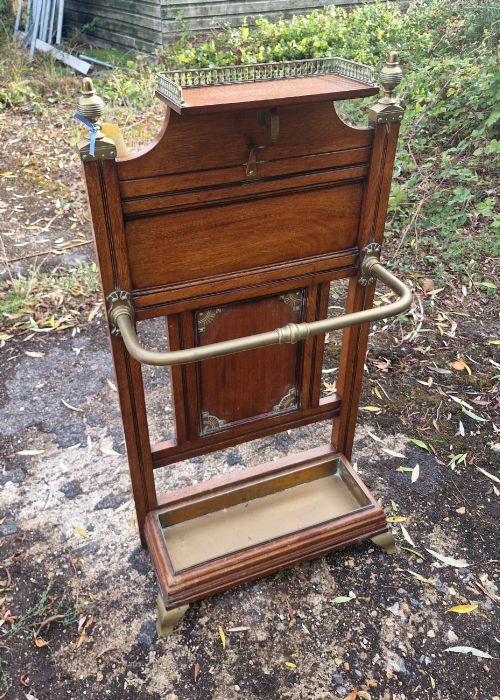
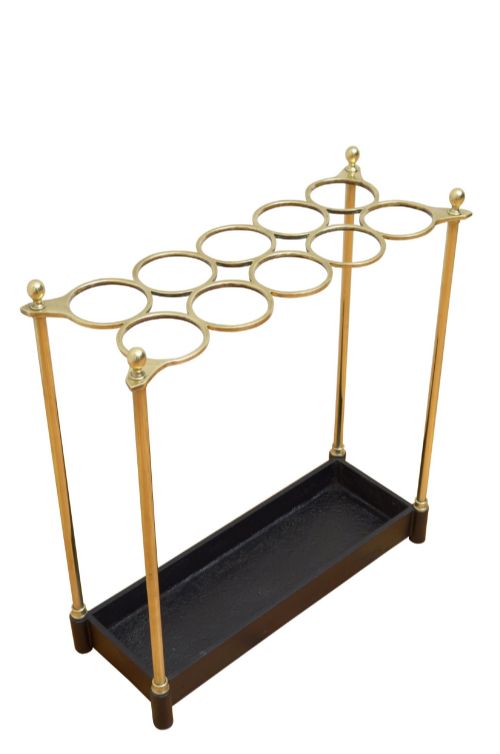
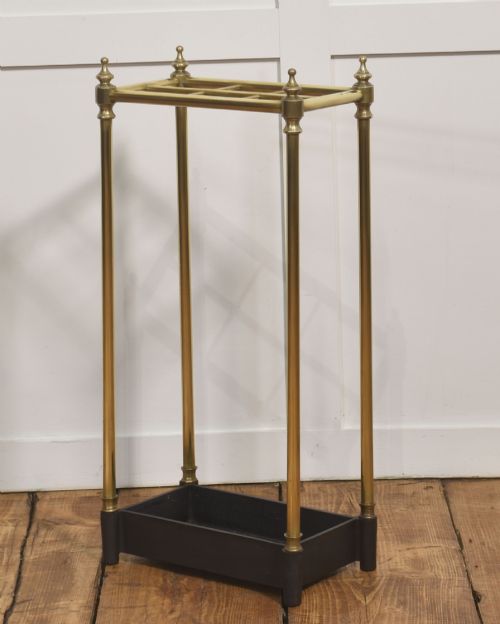
Many examples combine wood structures with metal components, placing a zinc, iron, or brass drip tray at the base to protect flooring. Makers from these eras constructed pieces to stand independently in hallways or attach to larger coat stands and boot scrapers. Oak and pine dominate the wooden formats, whilst brass and cast iron provide durable structural frameworks for metal items.
Materials and construction methods
Makers utilised solid oak, pine, and mahogany for wooden frameworks, often employing carved details or bentwood techniques. Metal elements relied upon cast iron, brass, steel, and zinc to form sturdy frames, decorative finials, and removable water trays. These materials were chosen for their durability in damp entranceways and resistance to heavy daily use.
Metal components involved casting, pressing, and soldering, producing decorative ball finials, dog tooth trays, and half moon frames. Wooden structures utilised joinery such as mortise and tenon joints to support upright umbrella channels and integrated coat hooks. Removable metal drip trays allowed users to empty accumulated rainwater without moving the main stand.
Several stands include built-in boot scrapers to stop muddy footwear at the threshold before anyone reaches the hall.
Determinants of quality
Quality appears in the integration of materials, such as the weight of cast iron frames and the thickness of solid oak boards. Superior examples feature original metal drip trays that fit their housing precisely, alongside intact hardware like brass bun feet and decorative finials. Lesser pieces show mismatched components or replacement trays lacking original patination.
Construction methods distinguish standard production from notable workshop output, evident in hand-carved details and secure joinery rather than simple mechanical assembly. The survival of original surface finishes, whether polished brass or waxed timber, indicates how well a piece was maintained over time.
Coalbrookdale·Thonet·Heals of London·Liberty
The Vintage Drip Tray Stand Glossary
- Demi Lune
- A half moon shape common in brass and iron stick stands designed to sit flat against a hallway wall. This configuration saves floor space in narrow entranceways.
- Drip tray
- A removable metal basin situated at the base of a stand to catch water from wet umbrellas. It protects interior floors from moisture damage.
- Stick stand
- Furniture built to hold walking sticks, canes, and umbrellas upright in a hallway. These items often incorporate metal divisions and a bottom tray.
- Hall stand
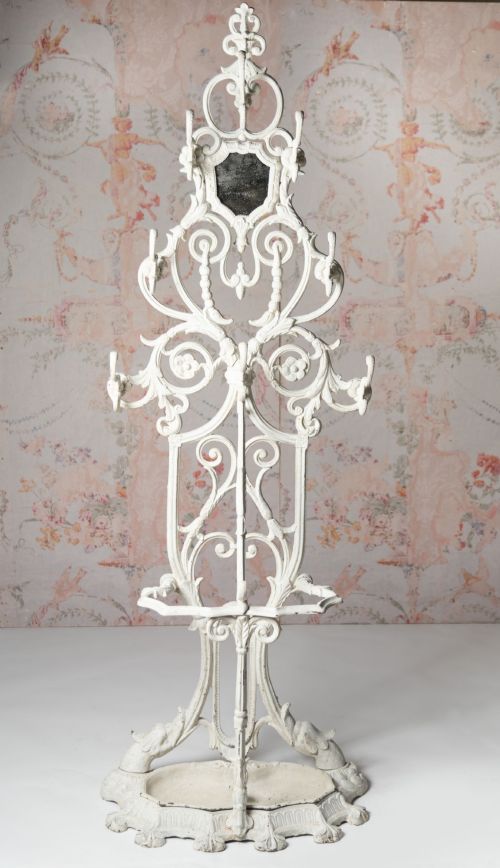
- A larger piece of entrance furniture combining coat hooks, a mirror, bench seating, and a stick stand with a drip tray. They became popular in Victorian and Edwardian domestic interiors.
- Bentwood
- Wood softened by steam and bent into curved shapes, utilised by makers such as Thonet for lightweight umbrella stands. This technique produced flowing circular forms.
Vintage Drip Tray Stand: Frequently Asked Questions
Where should I place a vintage drip tray stand?
These stands belong in an entrance hall or porch where wet umbrellas and walking sticks accumulate upon entry.
Positioning the piece near the main door ensures wet items are placed directly into the tray before moisture reaches interior flooring.
How do I clean a brass and cast iron stand?
Dust metal frames regularly with a dry cloth and remove the lower tray to empty accumulated water and debris.
Avoid harsh chemical polishes that strip original patination from Victorian and Edwardian brass surfaces.
Are original drip trays always included?
Many survivors retain their original zinc, brass, or iron trays, though some replacements exist due to corrosion over the decades.
Checking the fit and material of the tray helps determine whether it matches the period of the frame.
How do I identify an Arts and Crafts stand?
Arts and Crafts pieces emphasise visible oak grain, simple geometric construction, and honest craftsmanship without excessive ornamentation.
These stands often feature square frames and metal strapwork dating from the late nineteenth or early twentieth century.