





Vintage Drinks Chest
A vintage drinks chest organises spirits and glassware with period craftsmanship, bringing heritage storage and social history into the modern room.
Vintage Drinks Chest
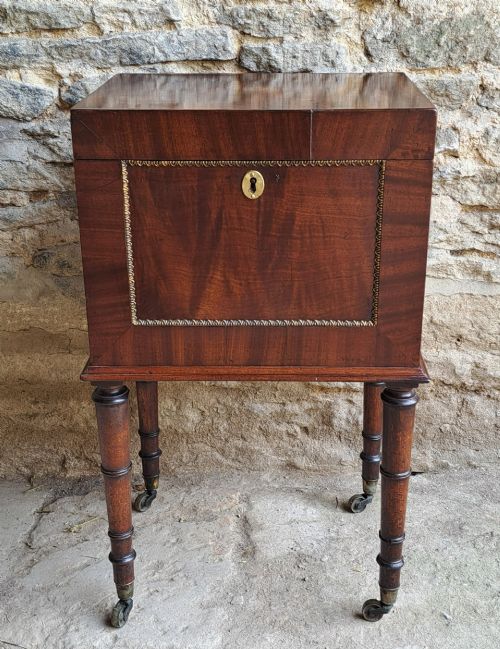
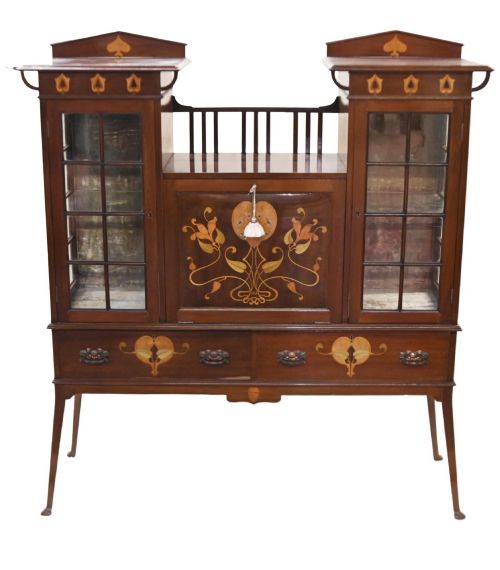
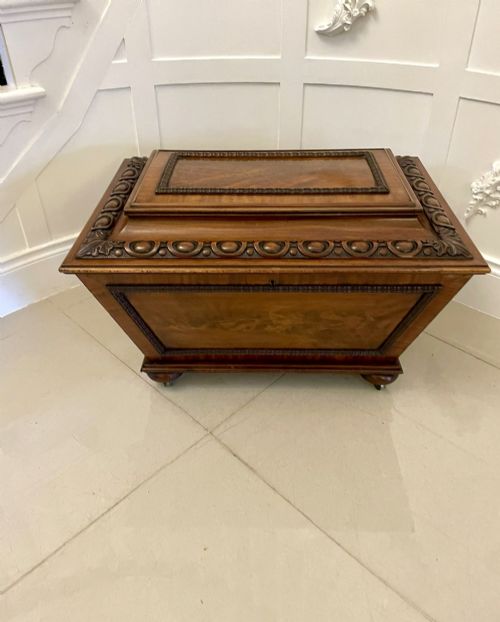
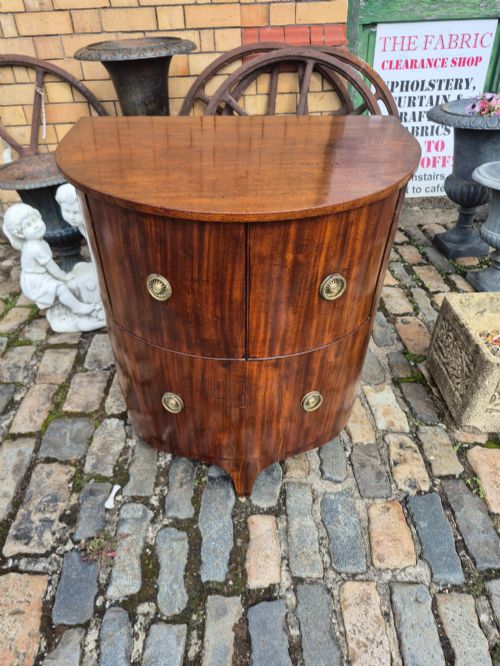
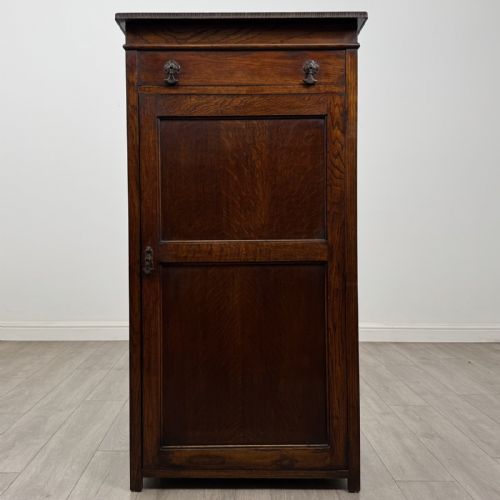
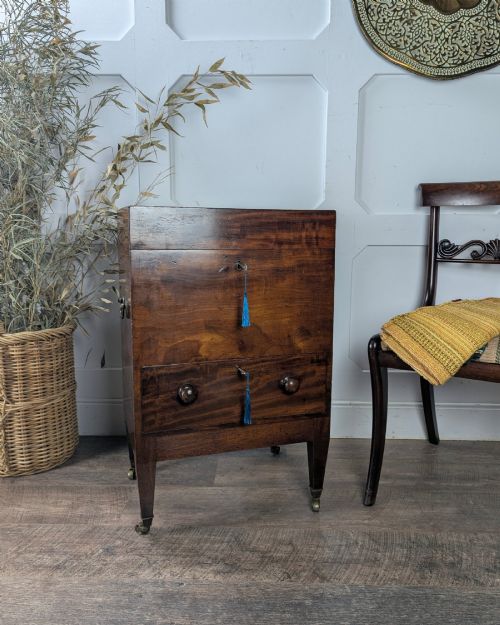
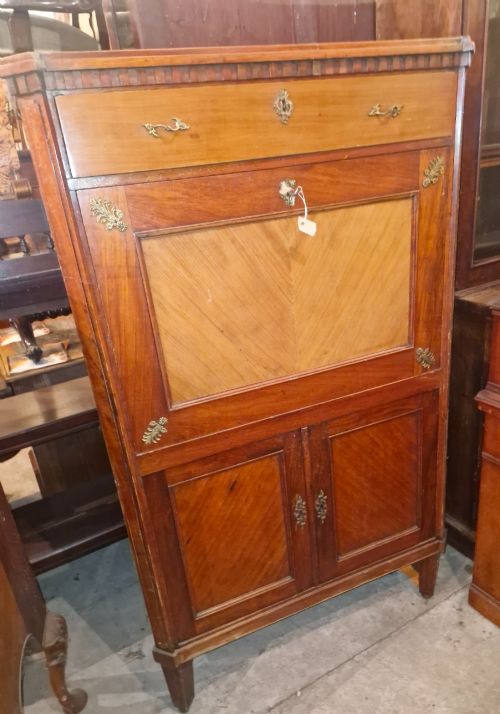
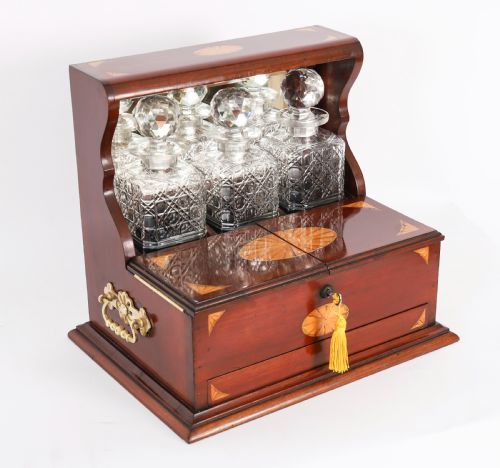
A vintage drinks chest encompasses specialised storage vessels designed for alcohol and glassware, ranging from formal Georgian cellarettes to Art Deco cocktail cabinets. Buyers seeking these pieces encounter an array of forms, including low wine coolers, tabletop tantalus sets, and fitted cupboards on stands.
Mahogany and oak dominate the material palette, though walnut, satinwood, and rosewood also appear across pieces originating from the eighteenth century through to the 1930s. The selection on this page relies heavily on nineteenth-century examples and Edwardian iterations alongside notable twentieth-century designs.
Traditional cellarettes and wine coolers share space with fitted cocktail chests, providing dedicated compartments for bottles, decanters, and barware. Many incorporate lockable mechanisms, brass bindings, or mirrored interiors suited to home entertaining.
How they were made
Cabinetmakers constructed these chests using durable timbers such as mahogany, oak, and walnut, frequently applying marquetry strings or satinwood banding to enrich the exterior surfaces. Solid woods form the structural framework, while burr veneers provide decorative grain patterns on later twentieth-century cocktail cabinets.
Metalwork played a functional and decorative role, with cast brass handles, hinges, and bindings reinforcing the timber bodies of heavy wine coolers and cellarettes. Glass mirror panels and cut crystal decanters completed the internal fittings of tantalus sets and drinks cabinets.
Vintage Drinks Chest Retail Price Guide 2026
Typical asking prices for vintage drinks chest among the pieces listed under this phrase on Sellingantiques today, from the lower quarter to the upper quarter. They describe what is for sale here now, not the wider market.
Materials documented across the inventory include brass, mahogany, walnut, oak, satinwood, burr walnut, and glass mirror.
What varies in quality
The sophistication of the internal fittings and the precision of the cabinetwork determine the standing of an individual piece. Elaborate mirror-backed compartments, integrated games compendiums, and original locking mechanisms distinguish superior examples from simpler storage boxes.
The choice of timber and veneer work dictates visual depth, where finely figured burr walnut or satinwood inlay elevates a cabinet beyond standard mahogany or oak production. Original brass hardware and well-preserved interior linings reflect the original maker's investment in materials.
Epstein·Harrods·Withers
The Vintage Drinks Chest Glossary
- Cellarette
- A lockable container used for storing wine and spirits near the dining table. These vessels often feature lead-lined interiors for ice or water.
- Tantalus
- A locking wooden frame that secures decanters by the neck to prevent unauthorized access while displaying the contents. The framework usually incorporates a carrying handle and a hinged locking bar.
- Marquetry
- Decorative woodwork where small pieces of wood veneer are fitted together to form geometric or pictorial patterns. This technique embellishes the exterior of cabinets and boxes.
- Sarcophagus
- A monumental chest form with a sloping lid, popular for Regency and Georgian wine coolers. The shape mimics classical stone monuments.
- Compendium
- A fitted box or chest containing multiple games alongside storage for drinks or smoking accessories. These combination pieces served Edwardian social gatherings.
Vintage Drinks Chest: Frequently Asked Questions
What is a vintage drinks chest?
A vintage drinks chest is a specialised piece of furniture built to hold bottles, decanters, and glassware securely. These range from early wooden cellarettes to fitted twentieth-century cocktail cabinets.
They serve as both functional home bars and decorative furniture items, reflecting the social habits of their respective periods.
How were cellarettes used?
Cellarettes sat in dining rooms during formal meals to keep wine bottles close at hand without requiring servants to fetch them constantly from the cellars. Many featured metal-lined interiors to hold ice or cold water for chilling.
As dining customs changed, these storage vessels evolved into tabletop tantalus sets and freestanding cocktail cabinets designed for entertaining guests.
How do I date a drinks chest?
Dating relies on identifying the prevailing style, timber choices, and construction techniques associated with specific eras like the Georgian, Victorian, or Art Deco periods. Hardware such as brass hinges and lock types also offer clues to the manufacturing decade.
Makers' marks or stamps, when present, can provide definitive attribution to firms and retailers.
Where should I place a drinks chest?
These pieces suit living rooms, dining spaces, or home bars where their storage compartments can house glassware and bottles for social occasions. Freestanding cocktail cabinets work well against interior walls, while smaller tantalus sets fit neatly on sideboards or tables.
Positioning them away from direct sunlight and heat sources helps protect the polished wood veneers and internal mirrors.