









Vintage Drinking Goblet
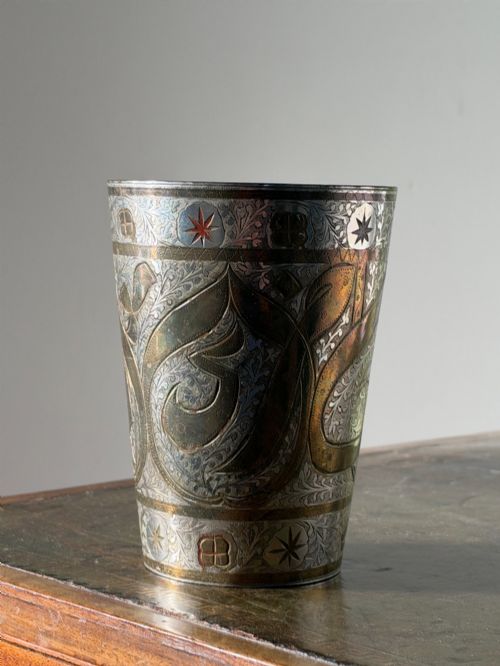
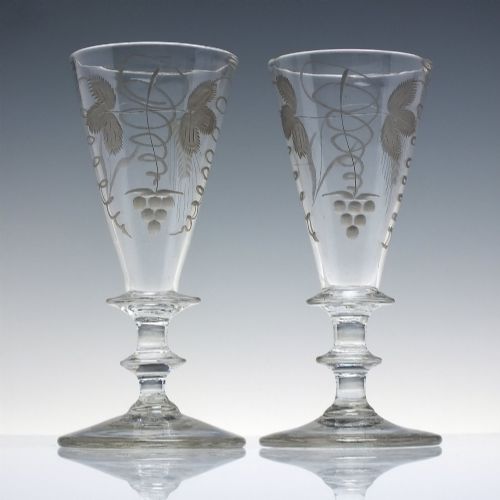
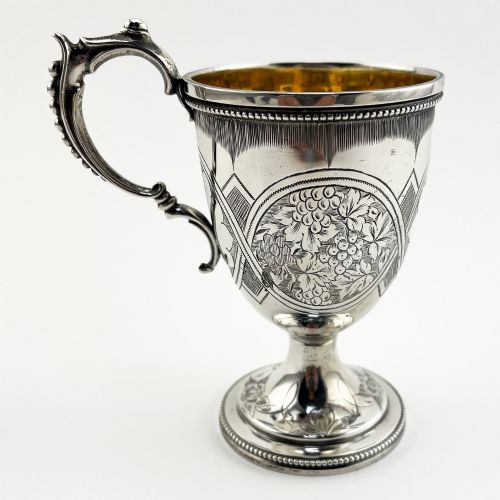
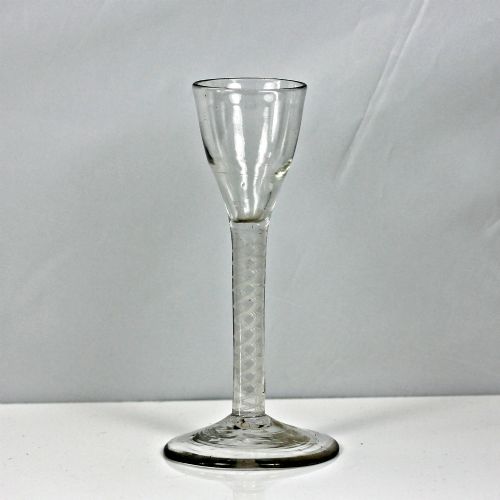
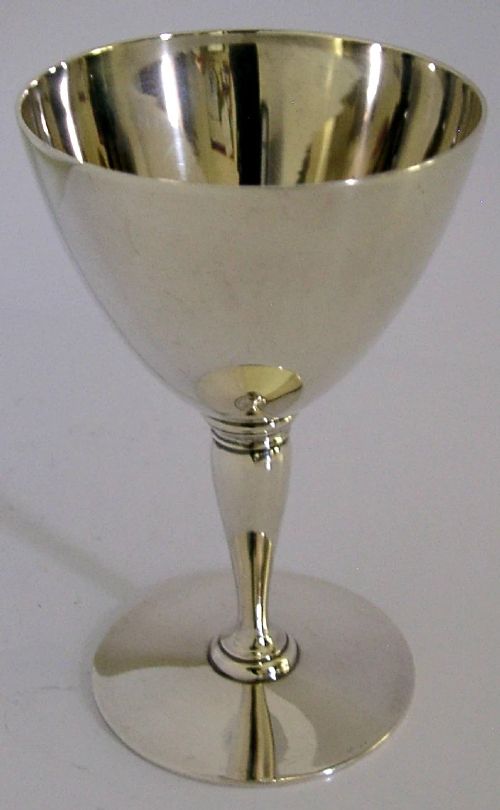
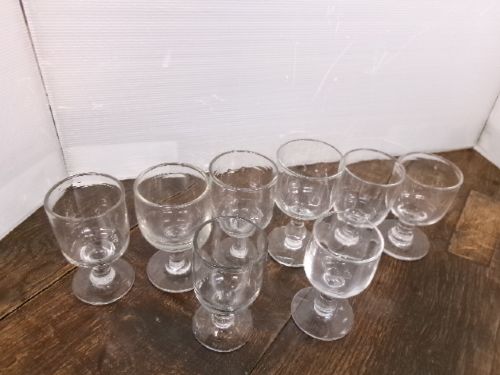
These vintage drinking goblet examples combine historic glass and silver craftsmanship, offering a functional vessel for historic table settings.
Vintage Drinking Goblet
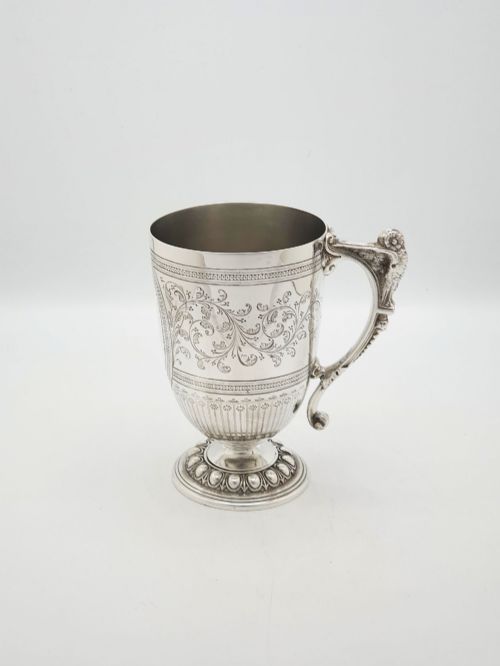
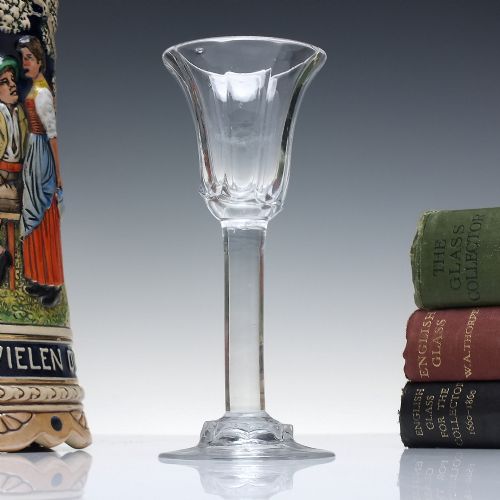
A vintage drinking goblet serves as a formal vessel for wine, ale, or spirits, reflecting the social drinking habits of past centuries. Buyers searching for a vintage drinking goblet encounter diverse forms ranging from eighteenth-century lead glass balusters to Victorian silver tankards.
The selection on this page leans heavily towards Georgian lead glass stemware and Victorian coloured glassware, alongside occasional silver and treen specimens. These pieces function as decorative barware or practical stemware for historical dining.
Originating across England, Bohemia, and Italy, these objects represent centuries of drinking culture. The forms shift from heavy eighteenth-century balustroids to colourful nineteenth-century cranberry and vaseline glass.
Materials and Techniques
Makers shaped glass through free-blowing and mould-blowing techniques, incorporating lead to achieve clarity and weight in eighteenth-century pieces. Coloured varieties utilise metallic oxides within the glass matrix, producing cranberry, vaseline, and turquoise hues.
Silver and silver-plated examples involve smithing, casting, and detailed chasing, often seen on christening mugs and tankards. Wooden treen goblets demonstrate precision turning from dense hardwoods like lignum vitae.
Vintage Drinking Goblet Retail Price Guide 2026
Typical asking prices for vintage drinking goblet among the pieces listed under this phrase on Sellingantiques today, from the lower quarter to the upper quarter. They describe what is for sale here now, not the wider market.
Assessing Quality and Execution
Quality rests upon the precision of the stem formation and the clarity of the metal, particularly in twist-stem lead glass where air or opaque threads require consummate skill. Fineness of wheel-engraving on the bowl distinguishes master execution from routine production.
The integrity of the form, whether a balanced baluster or a robust Bohemian triple-cased vessel, dictates the visual weight and handling of the piece. Matching sets display uniform colour saturation and consistent wall thickness across every stem.
TIFFANY & Co·Webb Corbett·Salviati
The Vintage Drinking Goblet Glossary
- Baluster
- A heavy, swelling stem form resembling architectural pillars, typical of eighteenth-century drinking vessels. This shape provides a reassuring weight in the hand.
- Opaque twist
- A stem containing white or coloured enamel threads drawn into spiral patterns inside clear lead glass. It represents a pinnacle of mid-eighteenth-century glasshouse skill.
- Roemer
- A traditional Germanic wine glass featuring a wide bowl on a ribbed stem and a conical foot. They often appear in green or amber glass.
- Treen
- Small handmade wooden objects produced by turning on a lathe. These wooden goblets offer an organic alternative to glass or silver.
- Cranberry glass
- A rich red-pink glass created by adding gold chloride to the molten batch. It gained immense popularity during the Victorian era.
Vintage Drinking Goblet: Frequently Asked Questions
How do I date a glass goblet?
Dating relies on stylistic clues such as stem construction, bowl shape, and foot formation. Eighteenth-century pieces often feature folded feet and heavy lead metal, whereas Victorian examples display brighter colours and mould-blown ribs.
Examining the pontil mark on the underside offers further evidence of the manufacturing period and technique.
Can I use these goblets for wine?
Many buyers choose to use these historic vessels for special dining occasions. Lead glass and sturdy Victorian stemware handle beverages well when washed by hand.
Careful handling prevents thermal shock and preserves the fragile engraved surfaces of older pieces.
What is an air twist stem?
An air twist stem contains elongated bubbles trapped inside the clear lead glass and drawn into a spiral thread. This technique required immense dexterity from the glassblower.
Such stems are characteristic of mid-eighteenth-century English drinking vessels.
Why are some goblets coloured?
Coloured glass gained popularity in the nineteenth century through the use of metallic oxides and layered casing techniques. Bohemian and Victorian makers produced vibrant hues including cranberry, vaseline, and deep blue.
These colours allowed makers to showcase advanced chemical knowledge in glass production.