

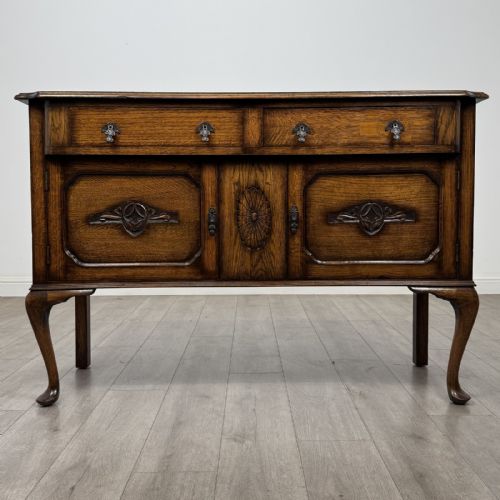
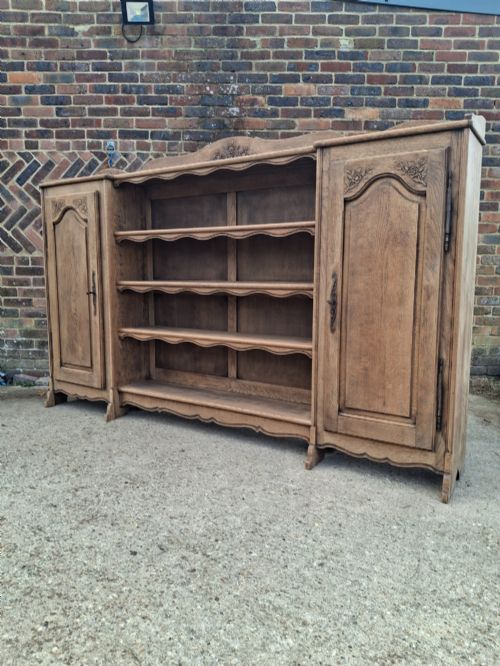
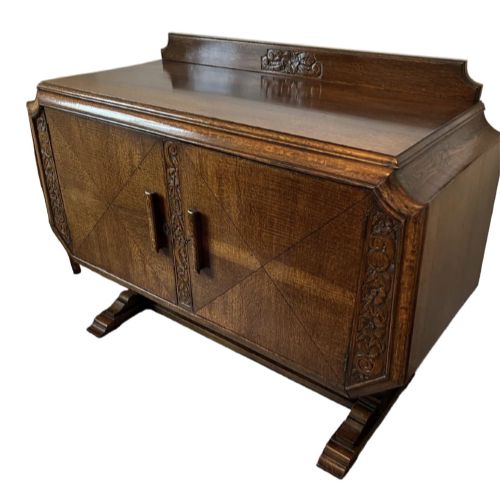
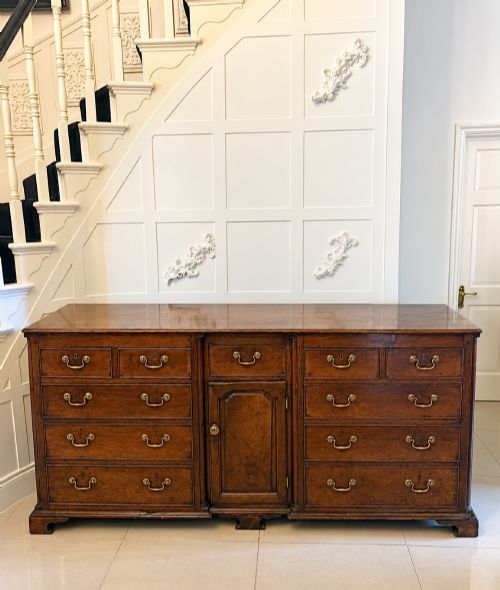
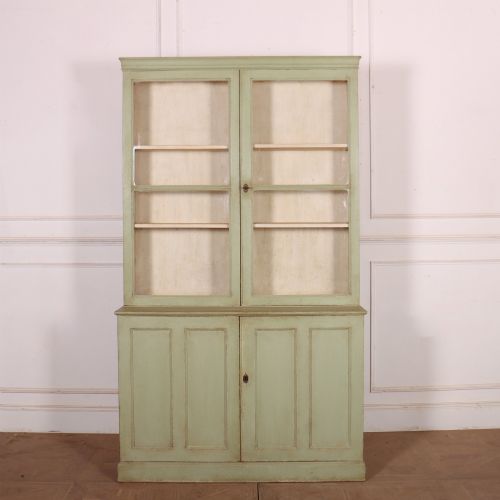
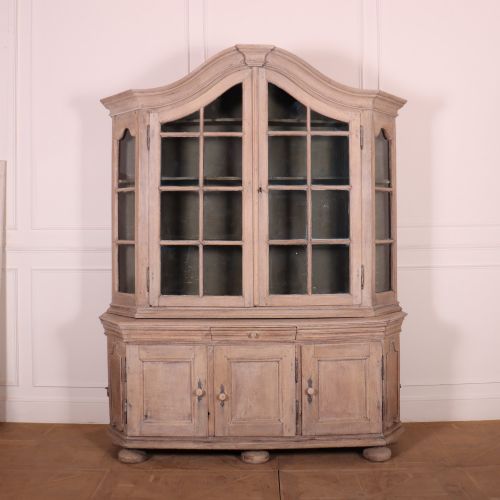
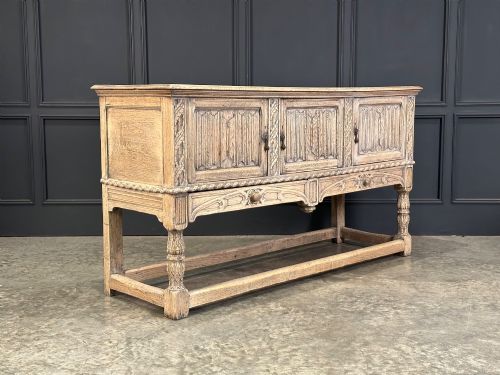
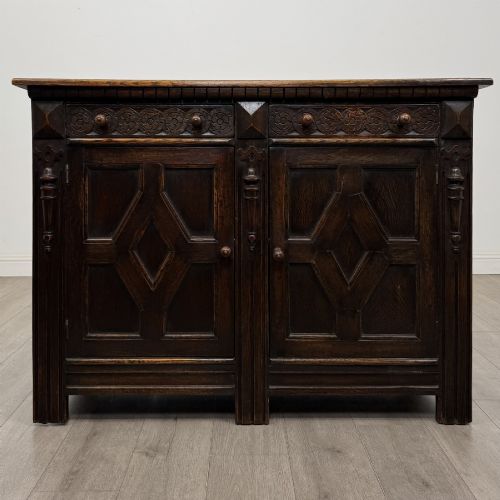
Vintage Dresser Cupboard
These vintage dresser cupboard pieces combine practical domestic storage with period character, offering substantial storage alongside traditional craftsmanship.
Vintage Dresser Cupboard
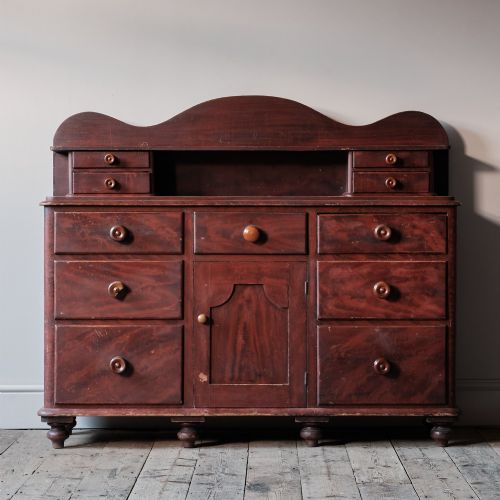
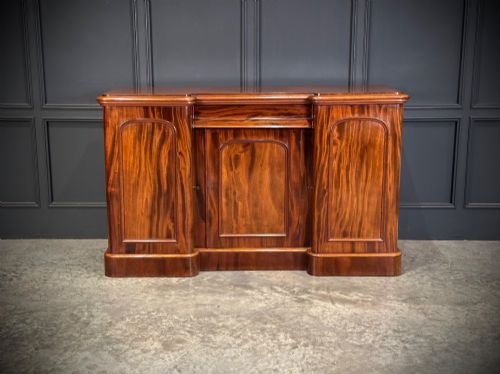
A vintage dresser cupboard unites traditional storage forms such as sideboards, housekeepers' cupboards, and kitchen dressers into substantial furniture for domestic interiors. When searching for a vintage dresser cupboard, buyers encounter pieces spanning the eighteenth century through to the 1930s, reflecting diverse regional origins including English, French, Scottish, and Swedish workshops.
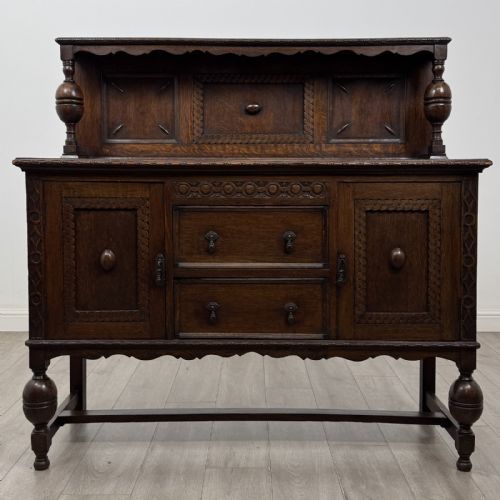
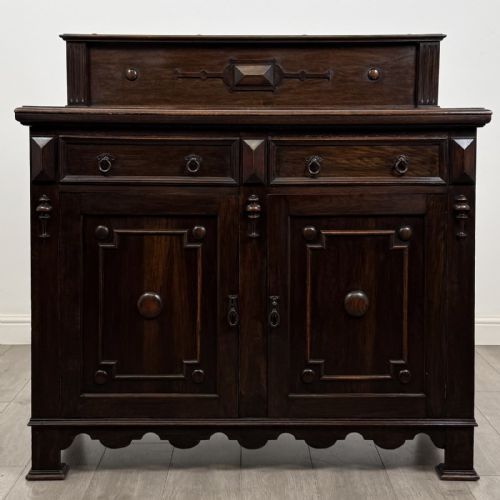
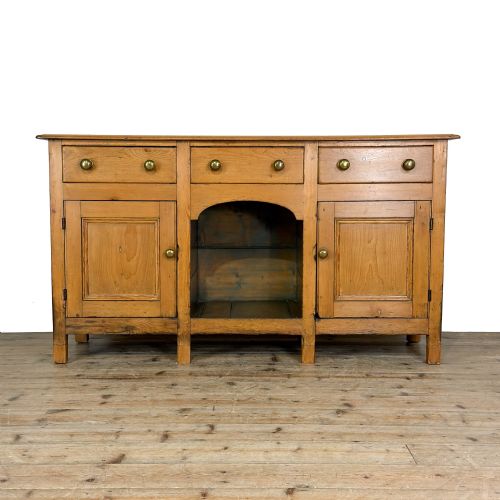
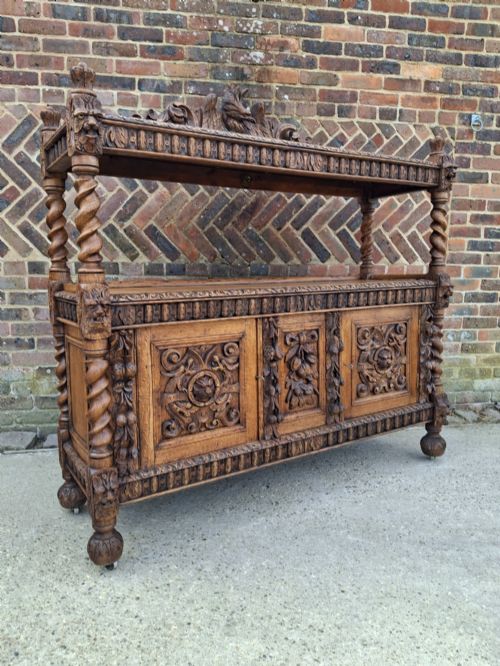
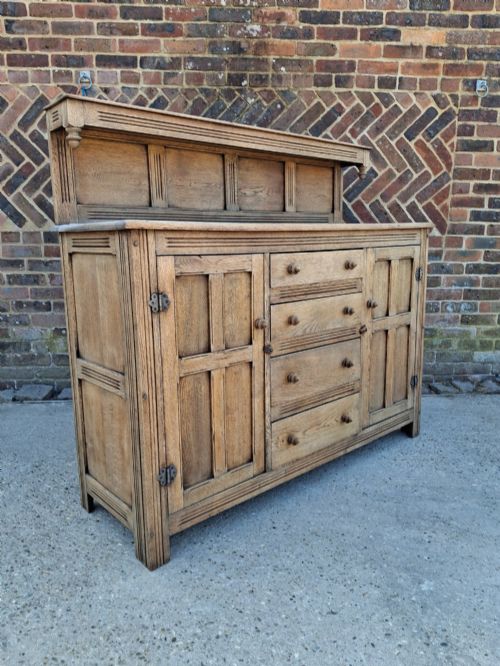
The most frequent examples on this page are oak and pine constructions, taking forms like open plate rack dressers, two-part kitchen cupboards, and carved sideboards. These items served functional roles in domestic kitchens and dining rooms, evolving from utilitarian storage into prominent display furniture.
Periods represented range from Georgian and Victorian eras to Edwardian and 1920s revivals, incorporating styles such as Jacobean Revival, Gothic Revival, and French Provincial. Each piece demonstrates the domestic utility and aesthetic preferences of its original era.
How they were made
Construction relies heavily on solid native timbers, predominantly oak and pine, supplemented by walnut and mahogany in select pieces. Master joiners utilised traditional framing techniques, bracket feet, stretcher bases, and cup and cover legs to ensure structural stability.
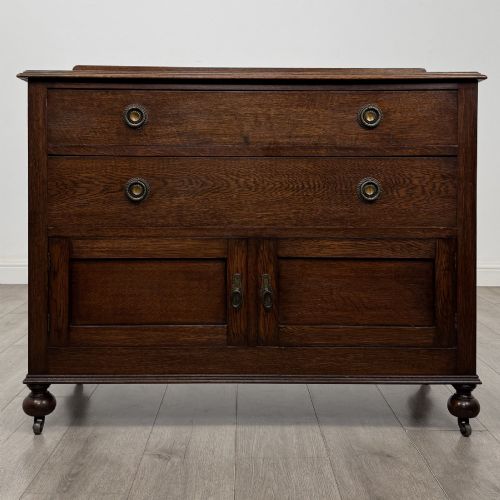
Hardware and decorative details include brass ring pulls, Hobbs and Co locks, leaded glass panels, and hand-carved pillars or panels. Painted finishes and original surface treatments frequently appear alongside polished timber grains.
Many items incorporate functional elements such as raised galleries, open plate racks, and multi-tier shelving systems integrated directly into the primary timber carcass.
Vintage Dresser Cupboard Retail Price Guide 2026
Typical asking prices for vintage dresser cupboard among the pieces listed under this phrase on Sellingantiques today, from the lower quarter to the upper quarter. They describe what is for sale here now, not the wider market.
Listings feature items spanning the 18th century, Victorian era, Edwardian period, and the 1920s, constructed primarily in oak and pine.
What varies in quality
The standard of a vintage dresser cupboard depends upon the integrity of its timber selection, the crispness of any hand-carved ornamentation, and the survival of original hardware. Pieces retaining their initial painted surfaces or authentic brass fittings demonstrate superior historical continuity.
Structural distinction is evident in the precision of the joinery, particularly within drawer construction and the mounting of glazed display doors. Master workshops achieved tighter tolerances and more balanced proportions between base cabinets and upper plate racks.
The regional origin and specific period detailing also influence the standing of a piece, with provincial vernacular items offering robust utility while revival pieces display deliberate stylistic ambition.
The Vintage Dresser Cupboard Glossary
- Dresser base
- A sideboard or lower cabinet portion of a dresser, typically featuring rows of drawers above cupboards without an upper plate rack. This form provides substantial surface space and enclosed lower storage.
- Housekeeper's cupboard
- A large tall storage cupboard traditionally used in large homes for housing linen, dry goods, or tableware. These pieces are usually constructed from solid pine or oak with multiple panelled doors.
- Welsh dresser
- A traditional kitchen unit comprising a base cabinet with drawers and cupboards surmounted by open shelves for displaying plates and pottery. Oak is the traditional timber for this regional form.
- Enfilade
- A long sideboard or buffet, commonly of French origin, featuring a sequence of doors aligned in a straight run. They are designed to stand against substantial dining room walls.
- Bracket feet
- Small structural feet that project outward from the corners of a cabinet base, often moulded or shaped in styles characteristic of Georgian and later furniture design.
Vintage Dresser Cupboard: Frequently Asked Questions
What is a vintage dresser cupboard?
A vintage dresser cupboard is a large piece of furniture designed for storage and display in kitchens, dining rooms, or living spaces. These items combine lower cupboards and drawers with upper shelving or display cabinets.
They encompass various regional forms including Welsh dressers, housekeepers' cupboards, and sideboards manufactured across multiple centuries.
How were these cupboards used historically?
Historically, these units served as the primary storage vessels for domestic tableware, linens, and dry provisions in family homes. The lower cupboards concealed bulky kitchen utensils while open shelves displayed everyday ceramics.
Grand houses utilised larger housekeepers' cupboards for linens, whereas farmhouse kitchens relied on dressers for daily culinary organisation.
How do I care for an antique oak cupboard?
Maintaining an antique oak cupboard involves keeping it away from direct heat sources and drastic humidity changes to prevent timber splitting. Regular dusting with a soft dry cloth preserves the polished surface.
Application of appropriate wax feeds the wood periodically without building up excessive residues that obscure natural grain patterns.
How can I tell the period of a dresser?
Dating a dresser requires examining construction methods, timber choice, and decorative hardware styles such as brass ring pulls or specific lock types. Eighteenth and nineteenth-century pieces often display hand-cut dovetails and vernacular construction traits.
Revival pieces from the 1920s frequently incorporate heavier machine carving and specific revival motifs like Jacobean cup and cover legs.