

Vintage Drawing in Frame
Vintage drawing in frame offers an original window into past techniques, bringing authentic works on paper straight to your walls.
Vintage Drawing in Frame
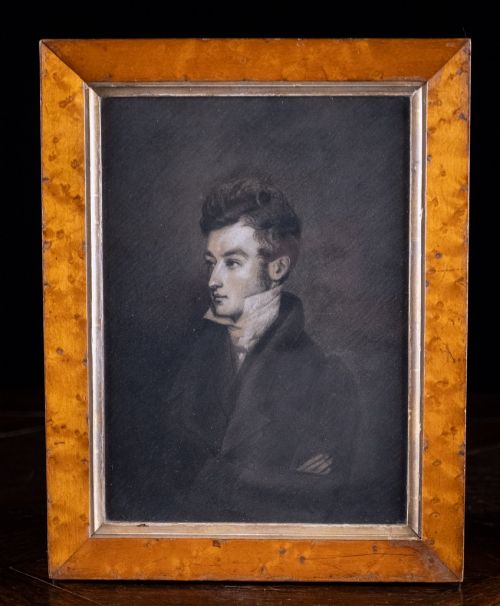
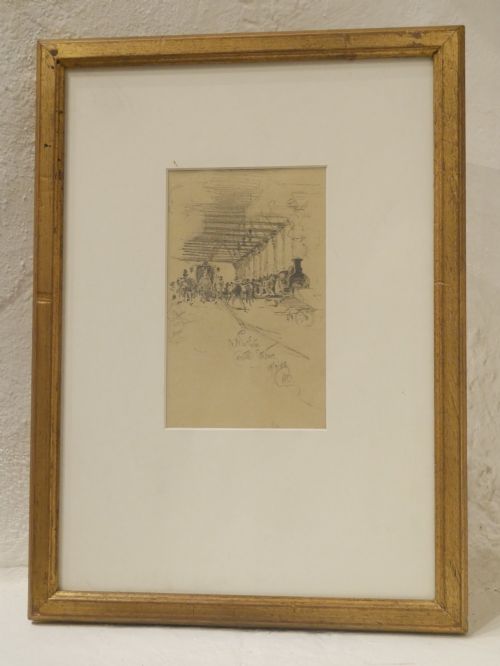
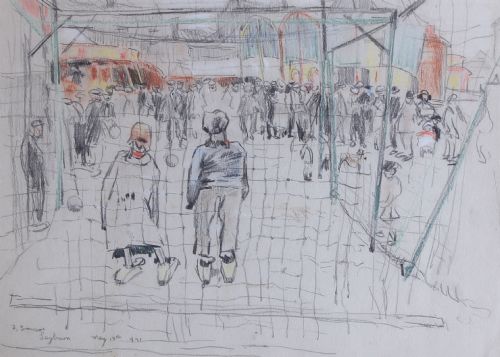
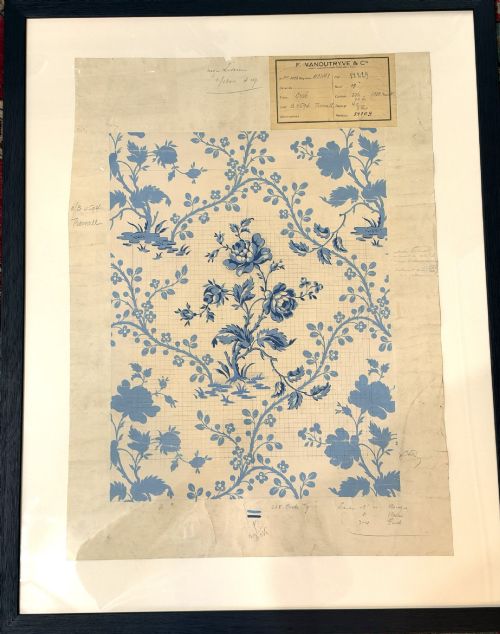
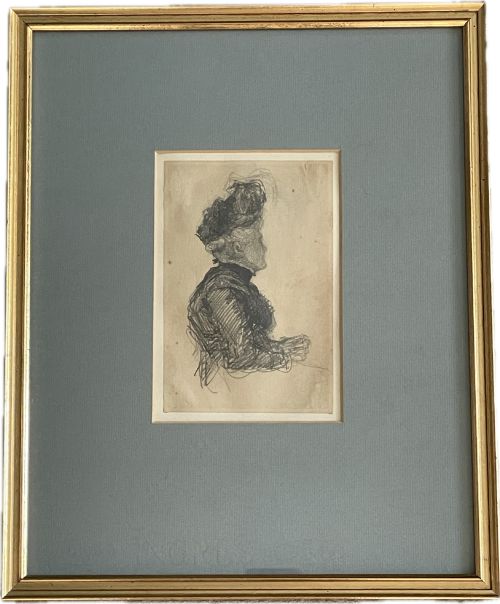
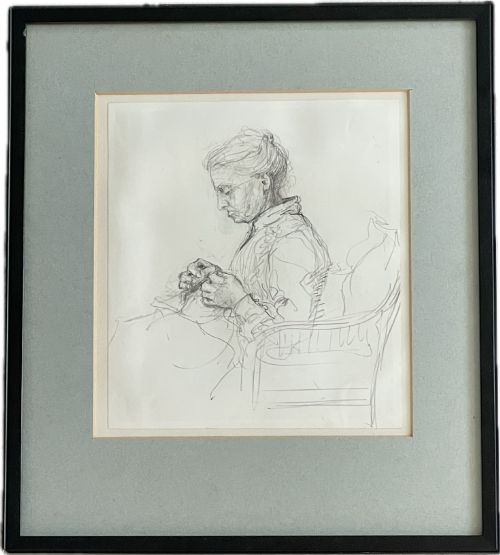
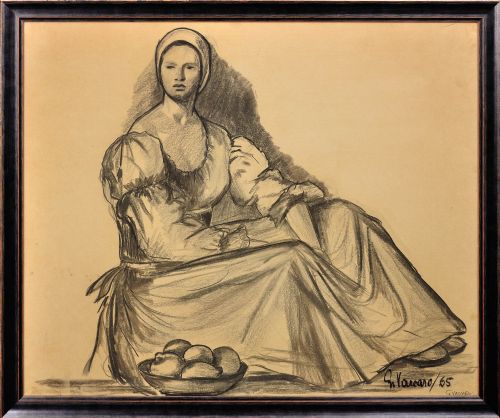
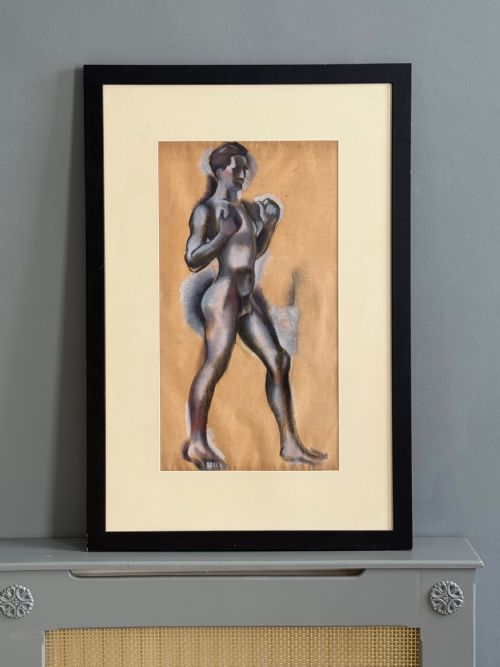
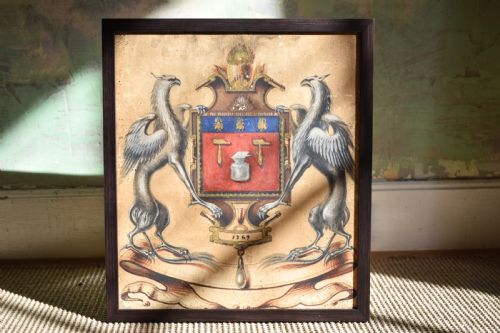
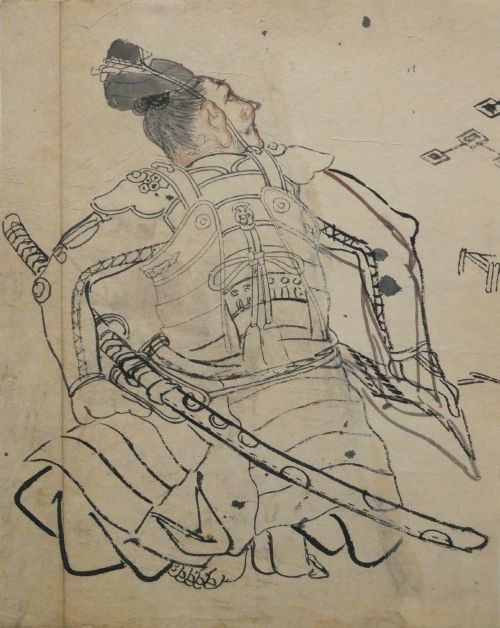
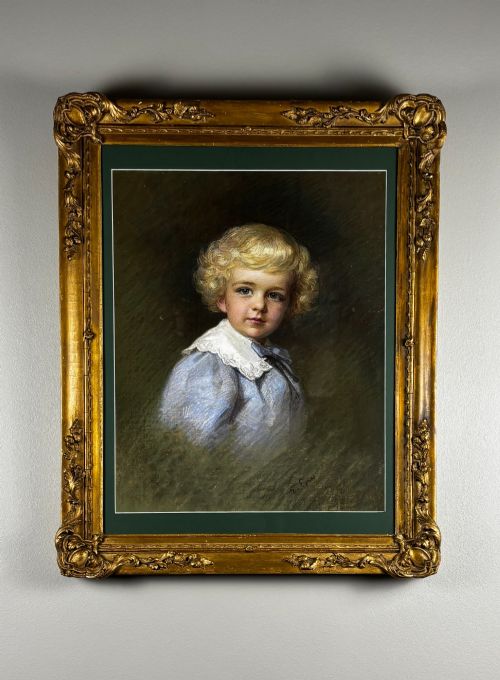
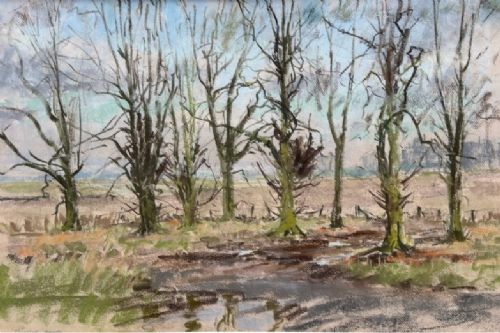
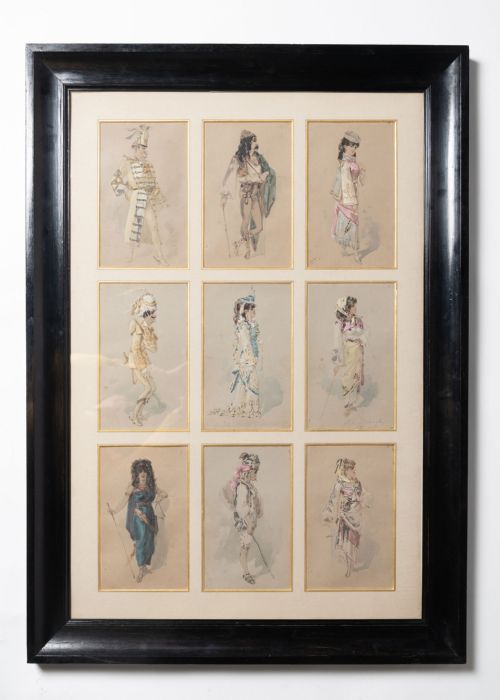
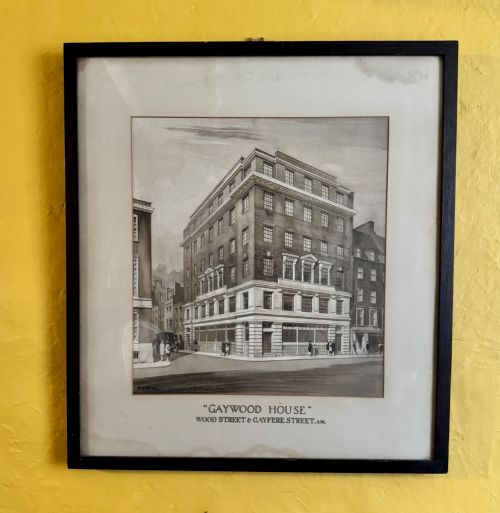
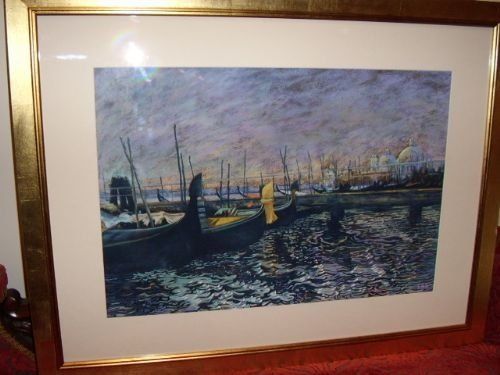
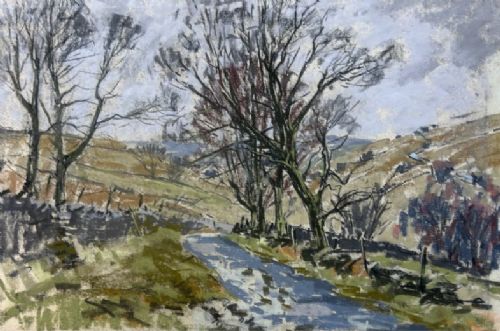
A vintage drawing in frame brings together works executed on paper using media such as pastel, ink, gouache, and pencil, paired with protective glazing and framing. The selection ranges from architectural designs and landscape studies to portraiture and academic nudes, reflecting both British and continental schools.
Most examples originate from the nineteenth and twentieth centuries, spanning the Edwardian era through to mid-century modern movements. These pieces function as direct records of artistic observation, capturing fleeting moments or precise structural plans without the mediation of mechanical reproduction.
How they were made
Artists applied dry pigments, fluid inks, and water-soluble paints directly onto paper supports, utilising materials like buff paper, card, and heavy-weight sheets. Pastels demanded careful handling to preserve pigment density, while watercolours and gouaches relied on layered washes to build luminosity.
Framing typically involves wooden mouldings, occasionally finished with giltwood, enclosing glass to shield the delicate surfaces from atmospheric moisture and handling.
Vintage Drawing in Frame Retail Price Guide 2026
Typical asking prices for vintage drawing in frame among the pieces listed under this phrase on Sellingantiques today, from the lower quarter to the upper quarter. They describe what is for sale here now, not the wider market.
Dogs make frequent appearances here, watching quietly from pastels and gouaches across the decades.
What varies in quality
Quality rests upon the sureness of the line, the sensitivity of the tonal handling, and the artist's ability to capture form within the chosen medium. A confident sketch or finely modulated watercolour displays a fluency that lifts the work above routine academic exercises.
The relationship between the artwork, its mount, and the frame also influences the overall coherence, with period frames providing an appropriate historical context that complements the paper work within.
Emily Eyres·Angus Rands·Marjorie L Davies·Henry Lines·Jacob Kramer·Fred Lawson·Augustus John·William Etty
The Vintage Drawing in Frame Glossary
- Gouache
- An opaque water-based medium that includes a white pigment to create a heavier, matte finish. It allows for both delicate highlights and solid blocks of colour.
- Pastel
- A drawing medium composed of powdered pigment and a binder, shaped into sticks. It yields velvety textures and rich, direct colour applications.
- Works on paper
- A collective term encompassing drawings, watercolours, pastels, and prints executed on a paper support. This category highlights the direct engagement between the artist and the sheet.
- Academic realismo
- A style of painting and drawing stemming from nineteenth-century academies, prioritising accurate anatomy, precise perspective, and rigorous observation.
Vintage Drawing in Frame: Frequently Asked Questions
How should I hang a framed drawing?
Position the artwork at eye level on a wall away from direct sunlight to protect the paper and pigments from fading. Use appropriate fixings suited to the weight of the wood frame and glass.
Keep the piece clear of radiators or damp spots to ensure the paper support does not warp or cockle over time.
What is the difference between pastel and watercolour?
Pastel is a dry medium consisting of pigment bound into sticks, offering a soft texture and rich colour saturation that sits on the surface of the paper. Watercolour uses transparent pigments suspended in water, applied in washes to let the white of the paper reflect through.
Both require glass protection, but pastels are particularly vulnerable to disturbance if the frame is knocked.
How do I date an architectural drawing?
Examine the building style, the lettering used for captions, and any specific address or project details noted on the sheet. Architectural designs often record the contemporary tastes of their decade, such as Edwardian classical revival or mid-century functionalism.
The paper stock and framing materials can also offer secondary clues to the period of creation.
Can I remove the drawing from its frame?
It is generally best to leave the work within its existing frame, especially if the framing is period-appropriate and protects the edges of the sheet. Opening a frame can expose fragile historical paper to dust, humidity, and handling damage.
If conservation framing is required, consult a professional paper conservator rather than attempting the work at home.