



Vintage Drawers on Stand
Vintage drawers on stand combine elevated storage with compact proportions, offering practical utility in walnut, mahogany, and oak across Georgian to Edwardian periods.
Vintage Drawers on Stand
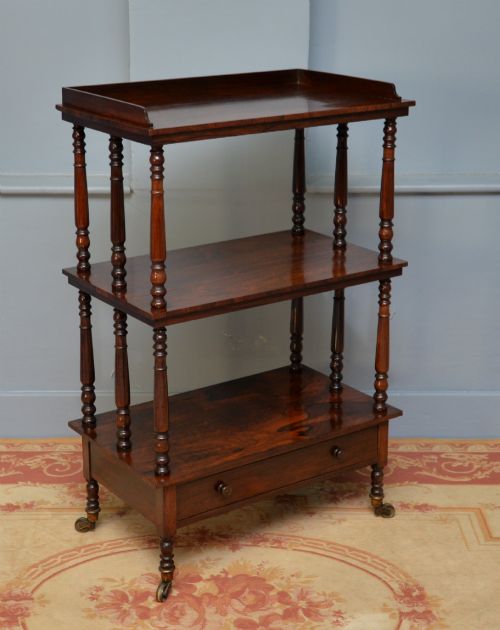
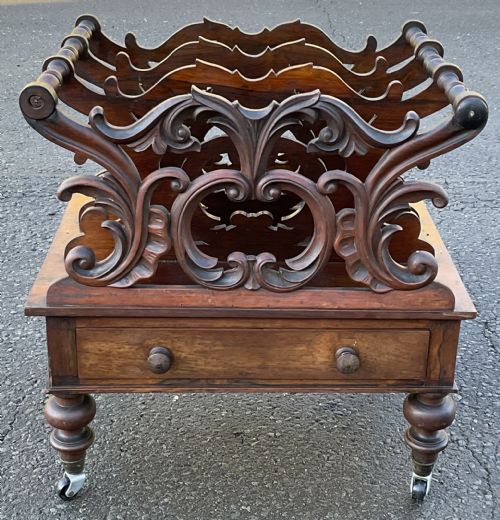
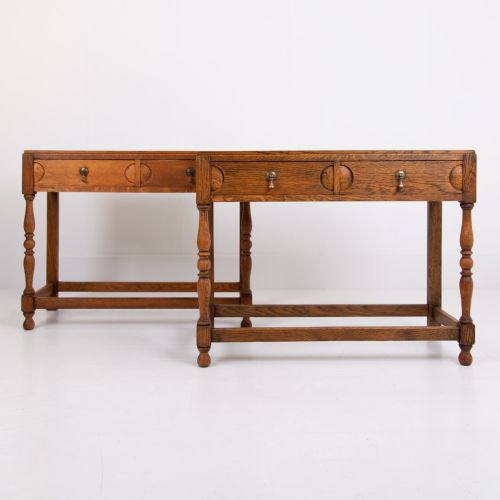
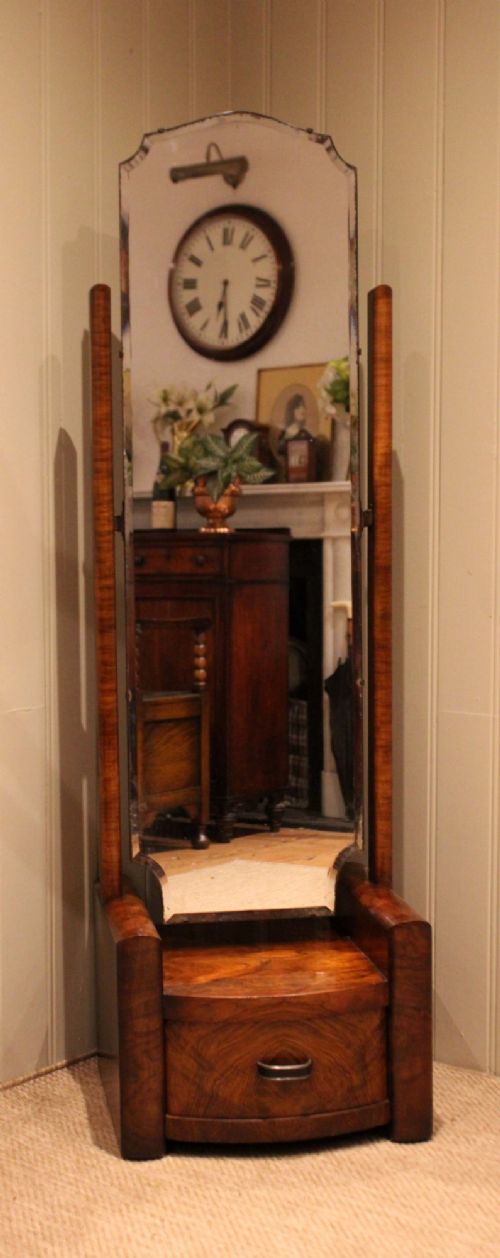
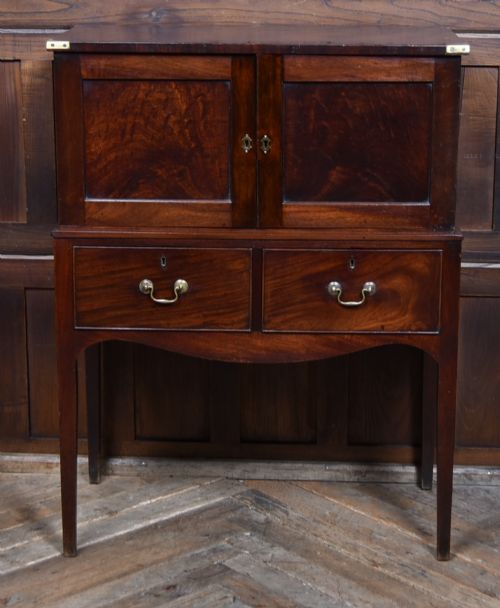
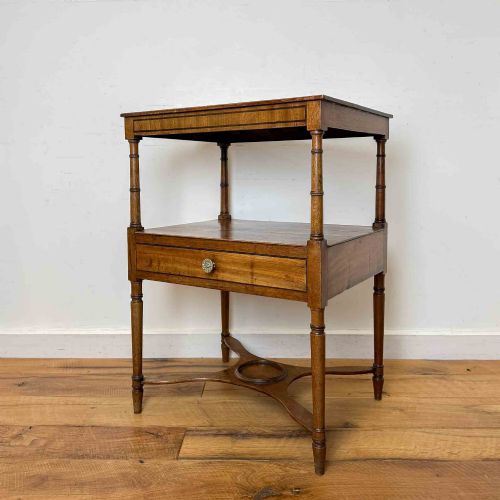
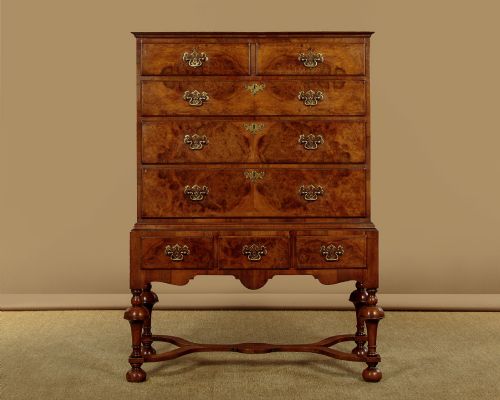
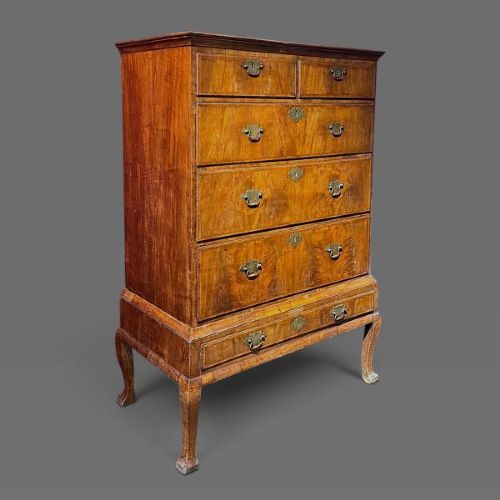
Vintage drawers on stand unite a drawer section with a raised supporting base, lifting the storage compartment off the floor on legs or a frame. When searching for vintage drawers on stand, buyers encounter elevated chests, music cabinets, and tallboys from the Georgian, Victorian, and Edwardian eras.
The form developed to keep linens, papers, and valuables away from damp floors while providing comfortable access without deep bending. Surviving examples span compact bedside heights to taller chests resting on cabriole or straight legs.
How they were made
Cabinetmakers constructed these pieces primarily using solid mahogany, walnut, and oak, frequently applying burr walnut or satinwood veneers to primary display surfaces. Drawer construction typically relied on hand-cut dovetails, while stands incorporated tenon joints or carved cabriole legs.
Hardware additions such as brass drop handles, escutcheons, and occasional glass elements completed the assemblies. Surface finishing involved wax polishing or French polishing to highlight the natural grain patterns of the timber.
Vintage Drawers on Stand Retail Price Guide 2026
Typical asking prices for vintage drawers on stand among the pieces listed under this phrase on Sellingantiques today, from the lower quarter to the upper quarter. They describe what is for sale here now, not the wider market.
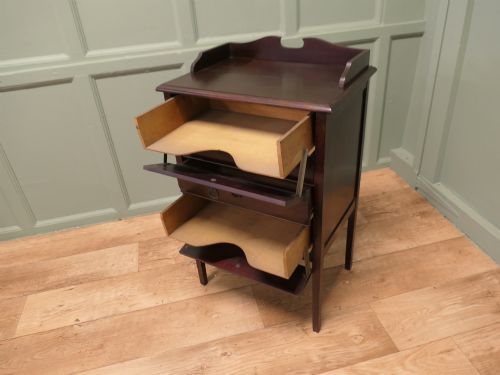
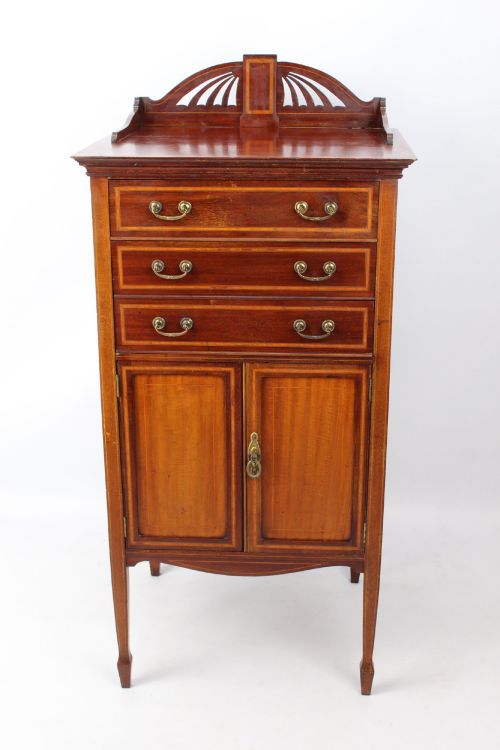
Some music cabinets conceal five drop-front drawers designed specifically to keep sheet music flat and tidy.
What varies in quality
Quality differences lie in the selection of timber veneers, the precision of joinery, and the harmony between the upper cabinet and the supporting stand. Pieces featuring figured burr walnut or delicate inlay display higher levels of workshop skill than plain utility versions.
Proportions also dictate distinction, where slender legs and well-balanced galleries support the visual weight of the drawers above without appearing cumbersome.
Heal And Sons
The Vintage Drawers on Stand Glossary
- Chest on stand
- A two-part form consisting of a drawer chest sitting upon a separate or integrated leg base. This configuration elevates storage off the ground.
- Cabriole leg
- A furniture leg that curves outward at the knee and tapers inward toward the ankle, mimicking animal limbs. It appears frequently on Georgian and revival pieces.
- Tallboy
- A tall chest of drawers, often built in two sections with multiple drawers stacked vertically. They maximise vertical storage in smaller rooms.
- Gallery
- A raised wooden or brass rail running along the edge of a top surface to prevent items from sliding off. It adds a decorative border to stands and tables.
- Dovetail
- A joint formed by interlocking wedge-shaped fingers, used to join drawer corners securely without metal fasteners. Hand-cut variations indicate older craftsmanship.
Vintage Drawers on Stand: Frequently Asked Questions
What is a chest on stand?
A chest on stand is a furniture form where a set of drawers sits elevated upon a distinct base with legs. This design lifts the main storage body higher into the room.
Such pieces provide accessible storage while maintaining an open, airy footprint underneath the cabinet.
How do I date a piece?
Dating relies on examining timber choices, construction methods like dovetailing, and stylistic details such as leg shapes and hardware. Georgian pieces often show denser mahogany and hand-cut joinery, whereas Edwardian items display lighter inlay.
Comparing secondary woods inside the drawers helps confirm the period of manufacture.
Where should I place one?
These elevated drawer units suit bedrooms, hallways, or living spaces where floor space is limited yet height is available. Their raised stands prevent rooms from feeling crowded.
They function well against plain walls where the silhouette of the legs can be clearly appreciated.
Are stands attached permanently?
Some stands are built as a single integrated piece with the cabinet above, while others are separate frames designed to carry the chest securely. Independent bases usually rely on gravity and locating pins to keep the upper section stable.
Both configurations were standard across different periods.