

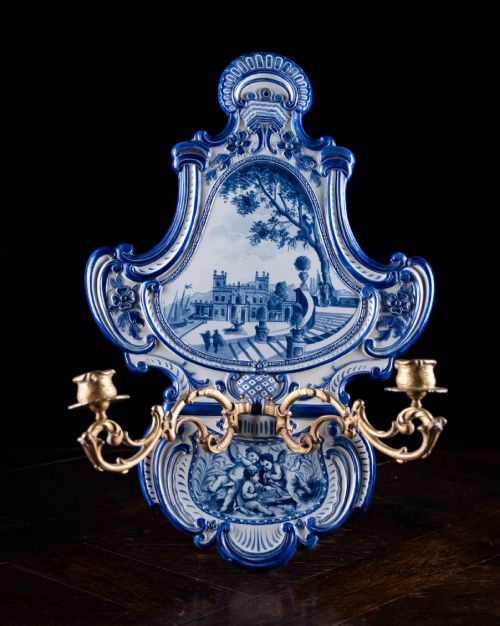
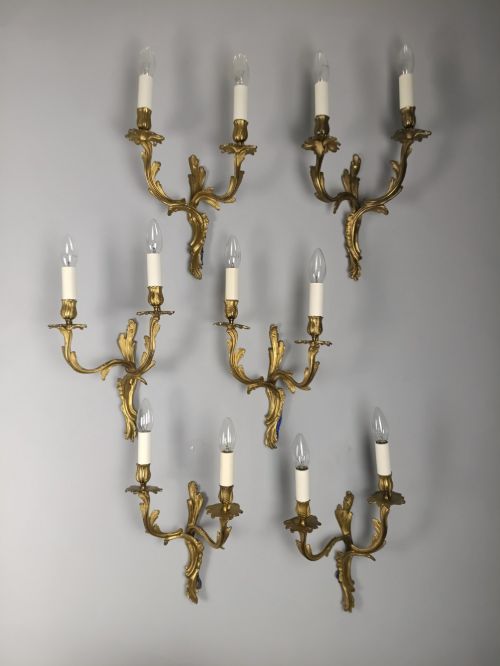
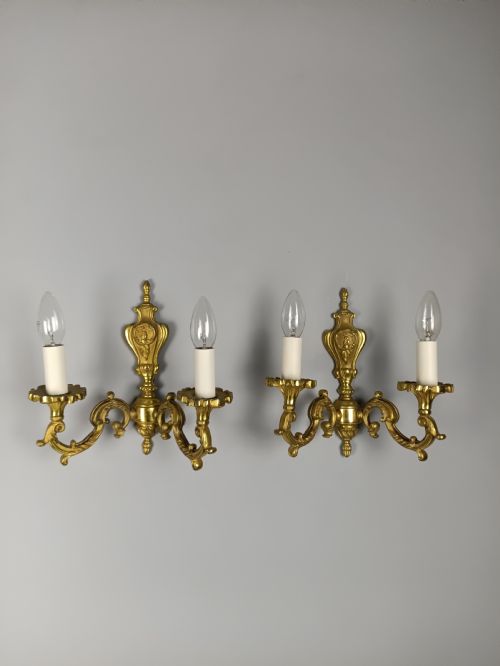
Vintage Double Wall Sconces
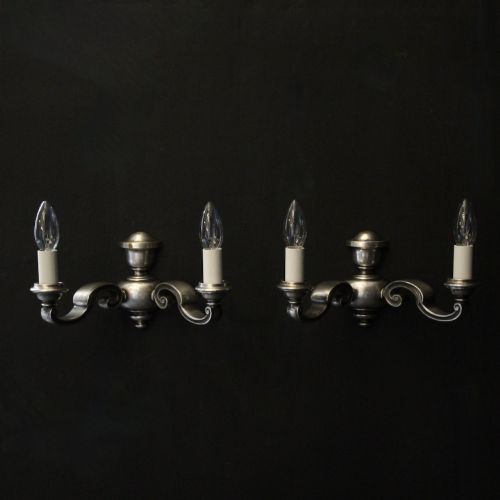
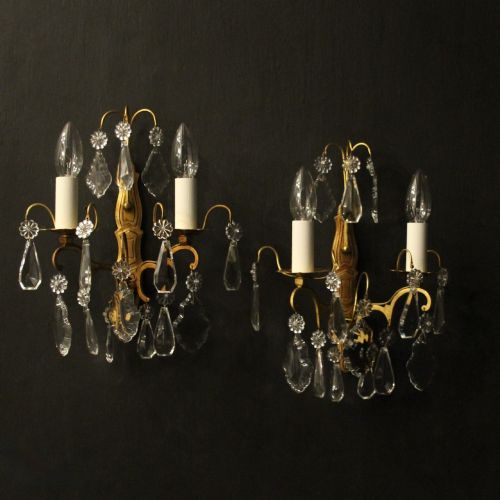
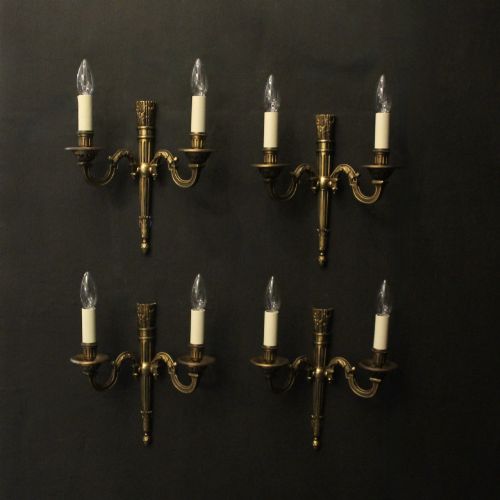
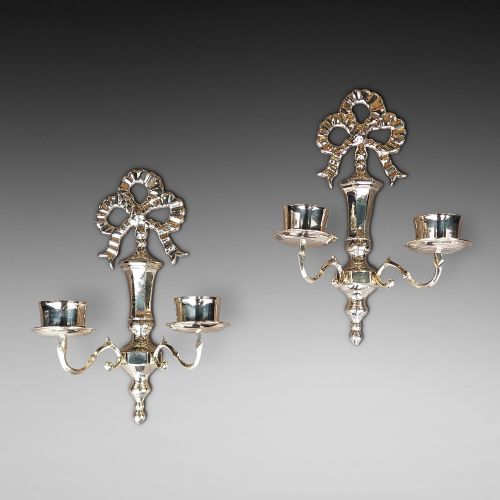
These vintage double wall sconces bring twin-branch illumination to domestic interiors through classic brass, bronze, and gilt finishes.
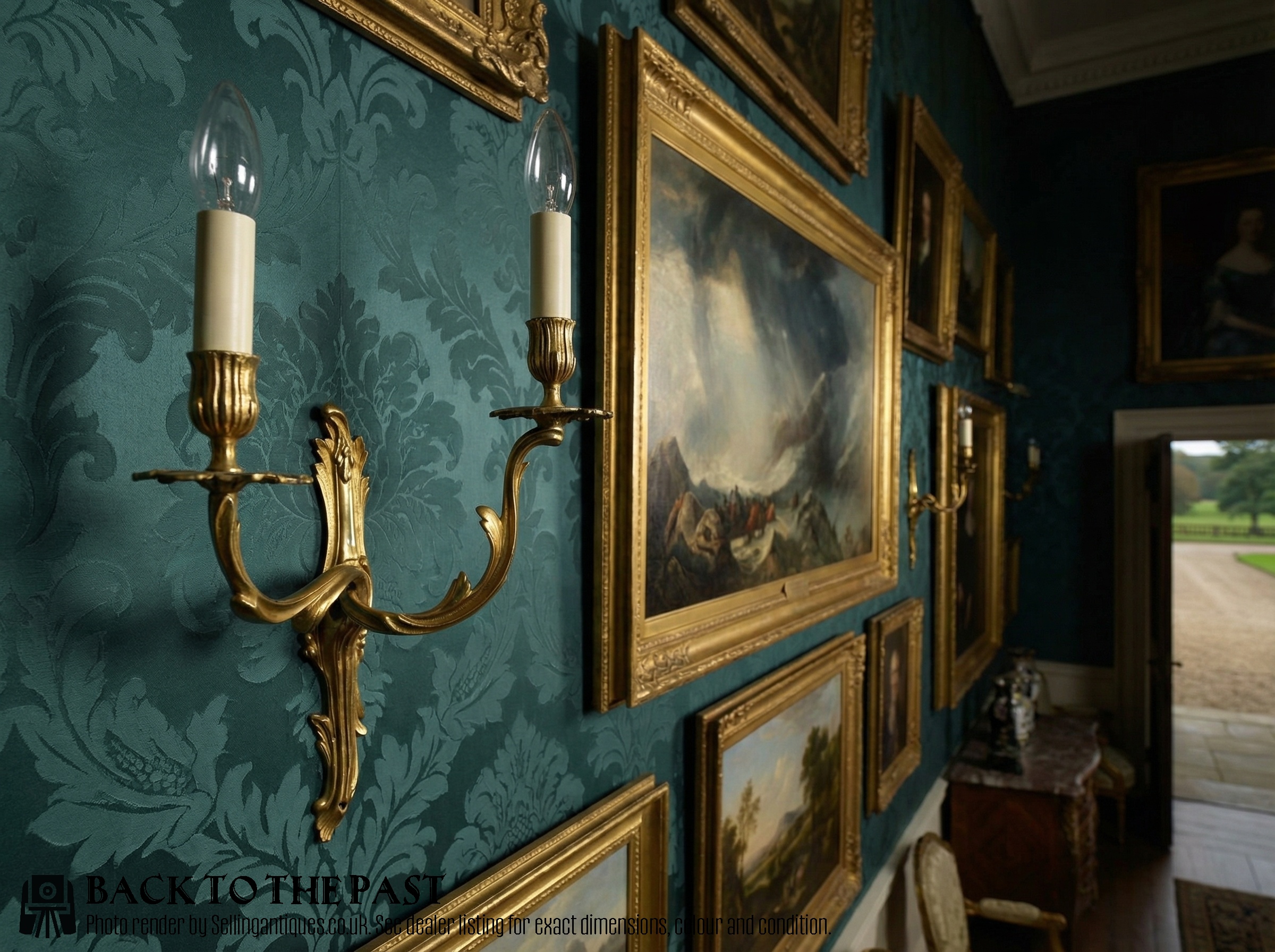
Vintage Double Wall Sconces
These vintage double wall sconces provide twin-branch lighting mounted directly to vertical surfaces. Buyers searching this phrase encounter pairs and sets originating primarily from the nineteenth and early twentieth centuries, spanning Victorian, Edwardian, and mid-century periods.
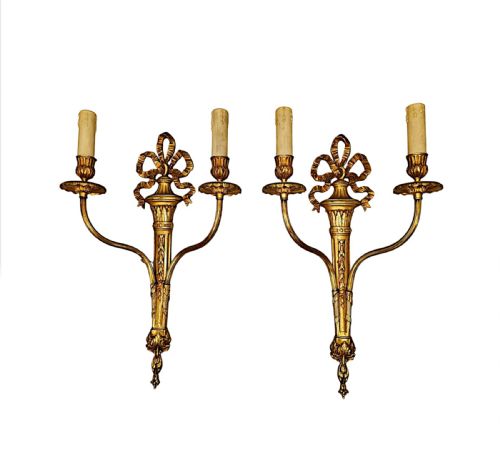
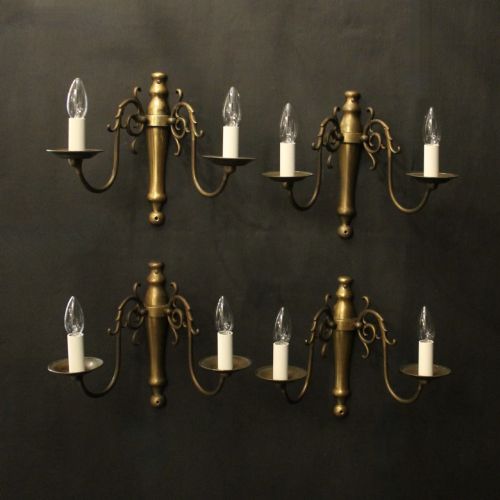
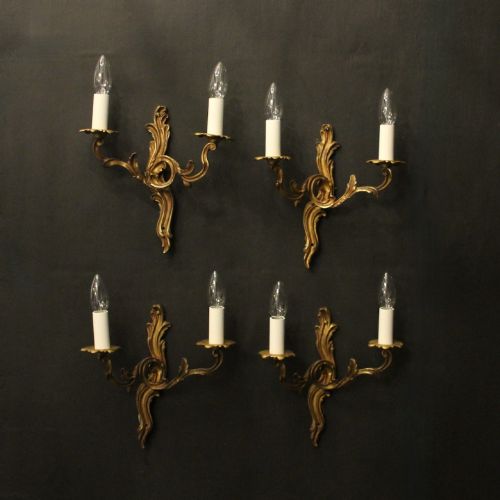
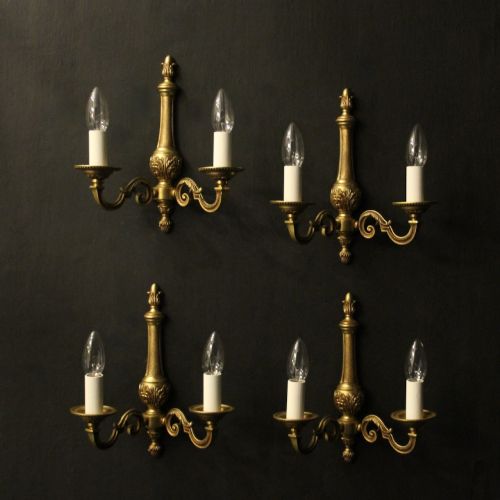
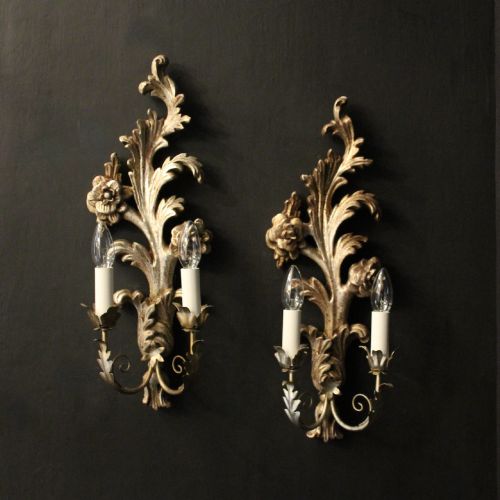
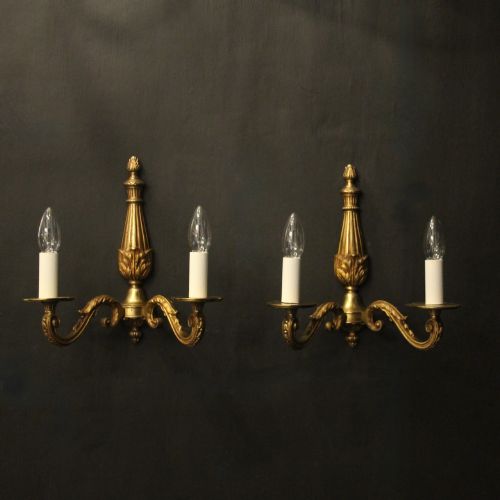
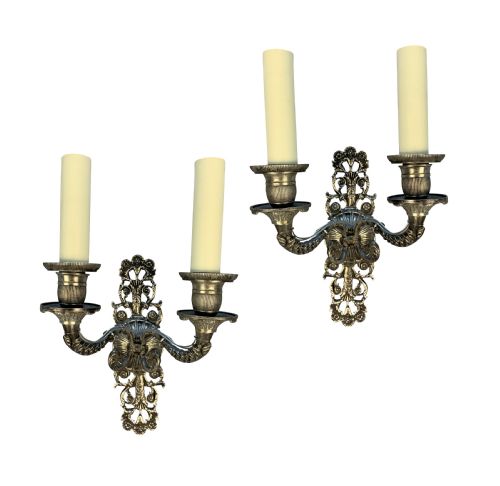
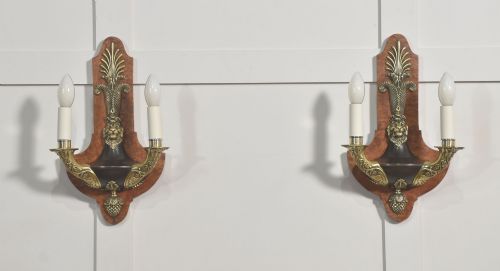
The selections on this page feature robust brass, gilt bronze, and silver-plated constructions styled across French Rococo, Empire, and classical revival frameworks. English and continental workshops produced these twin-arm lights for drawing rooms, hallways, and formal reception spaces where dual candle or electric holders were required.
Most examples appear as matching pairs or larger sets incorporating twin candle-holders or electric fittings. Forms range from ornate ribbon and burr walnut pairings to simpler brass backplates carrying two branching arms.
Materials and construction methods
Foundry-cast metals form the structural foundation of these pieces, predominantly utilising brass, bronze, and gilt or ormolu finishes. Artisans shaped these materials through casting and chasing, applying surface gilding or silver plating to achieve reflective decorative surfaces.
Specialist elements incorporate carved giltwood, crystal drops, and ceramic components paired directly with metal backplates. Twin arms attach securely to backplates designed for wall mounting, integrating wiring channels or traditional candle nozzles depending on the period.
Listings feature brass, bronze, and silver-plated materials spanning the Victorian era through the mid-century period.
Assessing quality in twin-branch wall lights
The refinement of surface chasing and the depth of gilding distinguish superior examples from standard production pieces. Fine castings exhibit crisp leaf and ribbon detailing without soft edges or obscured ornamentation.
Weight and structural integrity reflect the quality of the underlying bronze or brass alloy. Substantial backplates and rigidly fixed twin arms demonstrate careful workshop assembly rather than hurried mass manufacture.
Casier·Liberty·Villeroy and Boch
The Vintage Double Wall Sconces Glossary
- Ormolu
- A technique of applying finely ground high-carat gold to a bronze object. This process creates a rich golden finish seen on many French revival pieces.
- Gilt bronze
- Bronze metal that has received a thin layer of gold applied by fire gilding or chemical methods. It provides durability alongside a bright metallic sheen.
- Twin arm
- A bracket configuration featuring two distinct branching arms holding individual lights. This layout defines the double sconce format.
- Backplate
- The flat or shaped metal plate that fixes directly to the wall surface. It supports the weight of the branching arms and conceals the mounting fixings.
- Rococo style
- An artistic movement characterised by asymmetrical scrollwork, C-scrolls, and organic plant motifs. Many nineteenth-century wall lights adopt this decorative vocabulary.
Vintage Double Wall Sconces: Frequently Asked Questions
How do I install vintage wall sconces?
Most vintage wall sconces require mounting directly to wall studs or via appropriate wall anchors to support the weight of the metal backplate.
Electrical wiring must connect safely to domestic supply mains, or the pieces can be adapted by a qualified electrician for modern safety standards.
Were these originally for candles or electricity?
Many nineteenth and early twentieth-century examples started life as candle sconces before undergoing later conversion to electricity.
Certain pieces retain original drip pans and nozzles designed specifically for wax candles rather than internal bulb sockets.
How do I clean gilded brass safely?
Dust gently using a soft, dry cloth to prevent accumulation of grit without disturbing delicate surface gilding.
Avoid chemical metal polishes entirely, as abrasive liquids will strip away the historical gilt layer permanently.
How do I date an antique wall light?
Dating relies on identifying stylistic revival periods such as French Empire or Rococo, combined with inspecting the casting methods and screw types.
Backplate construction and mounting fixings often reveal whether a piece dates from the Victorian era or the mid-twentieth century.