


Vintage Doorstop
These heavy vintage doorstop examples keep heavy oak and pine portals ajar while lending character to stone hallways.
Vintage Doorstop
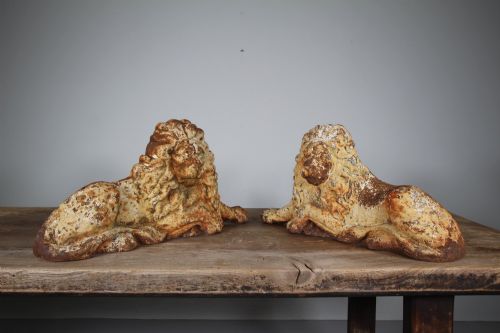
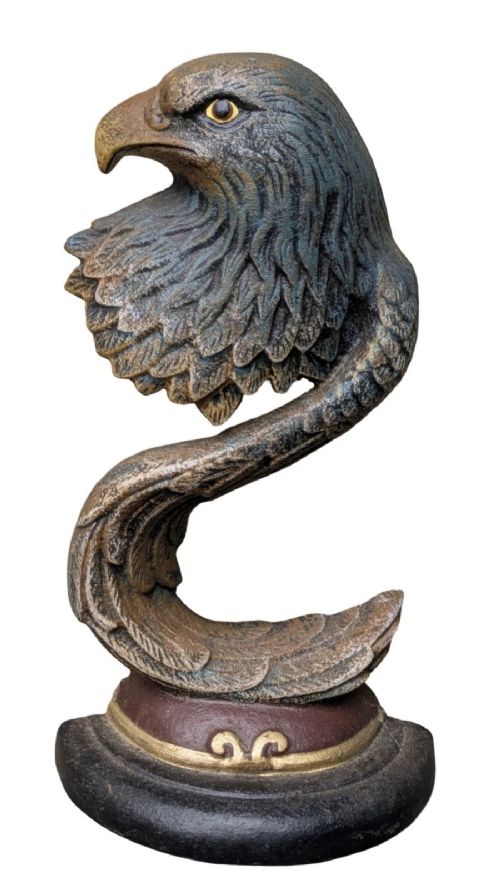
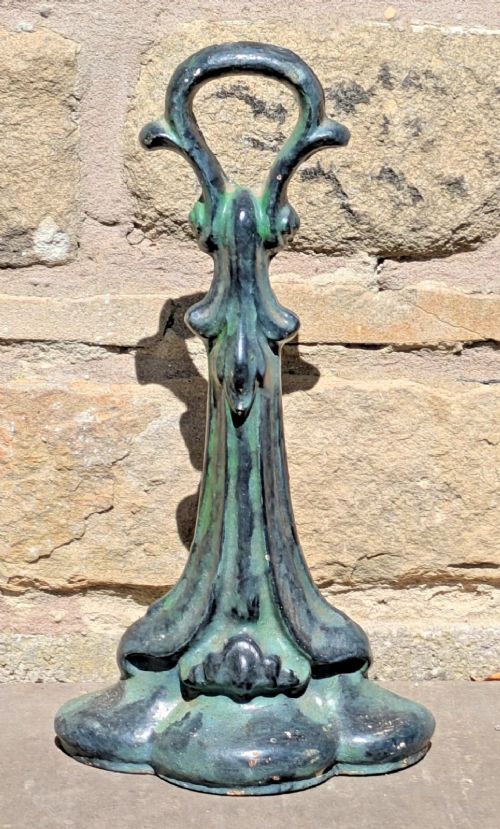
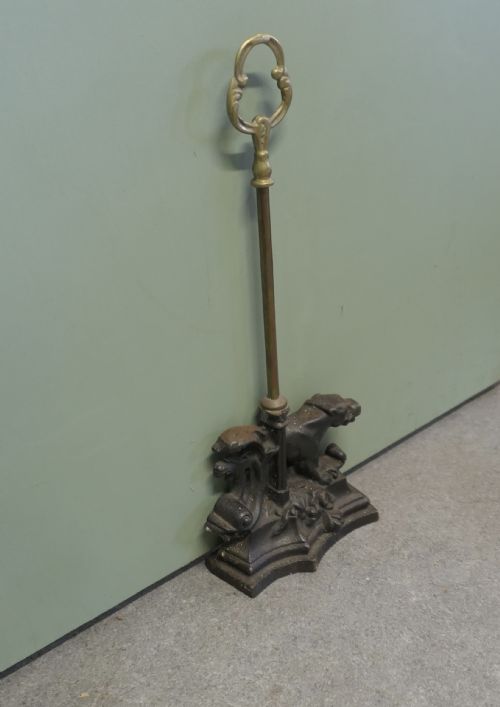
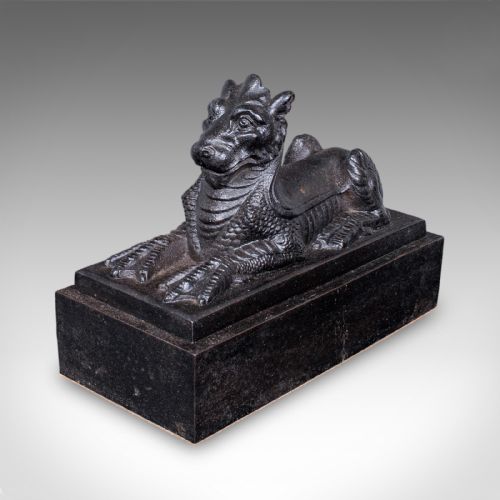
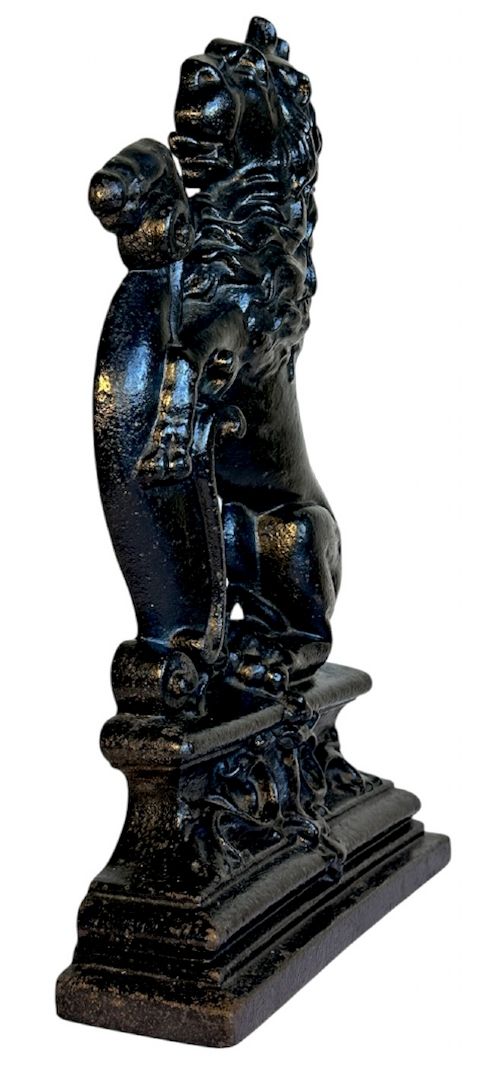
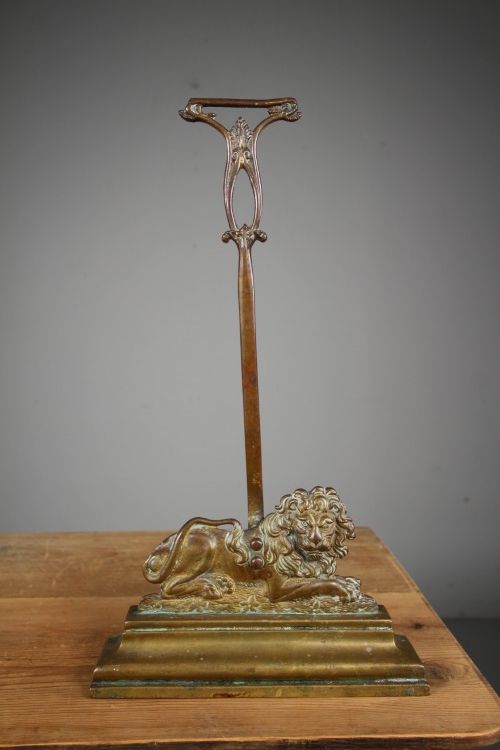
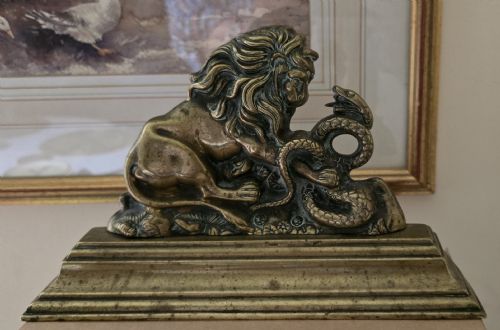
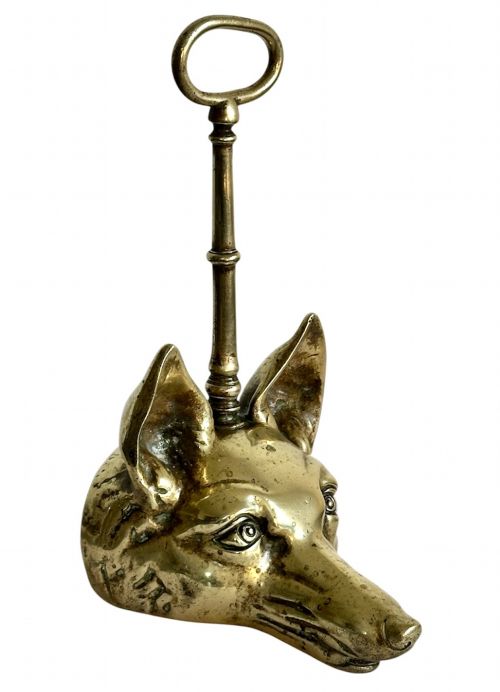
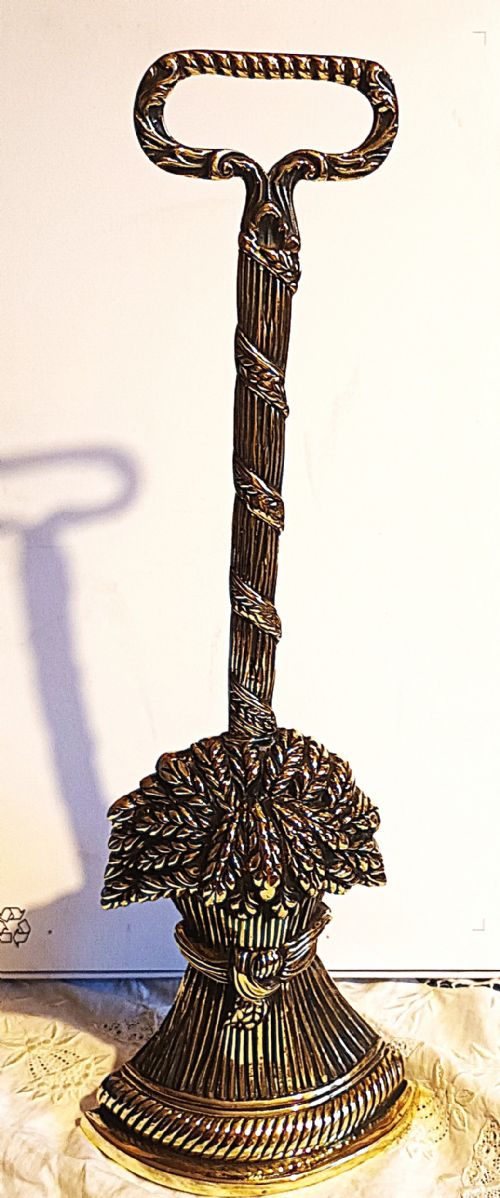
A vintage doorstop serves to prop open heavy interior portals, taking the form of figural animals, heraldic lions and historical personages. These utilitarian objects double as decorative ornaments for the hearth and hallway.
Most pieces seen here originate in the Victorian and Edwardian eras, spanning the nineteenth and early twentieth centuries. Alongside traditional door porters, the selection includes companion sets, fireplace ornaments and hitching posts.
How they were made
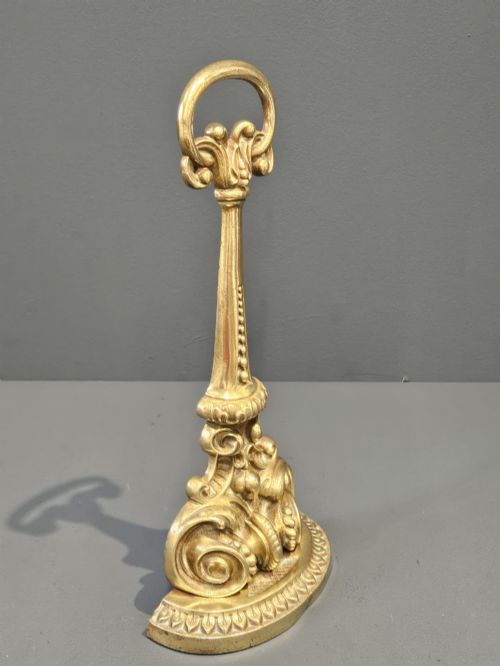
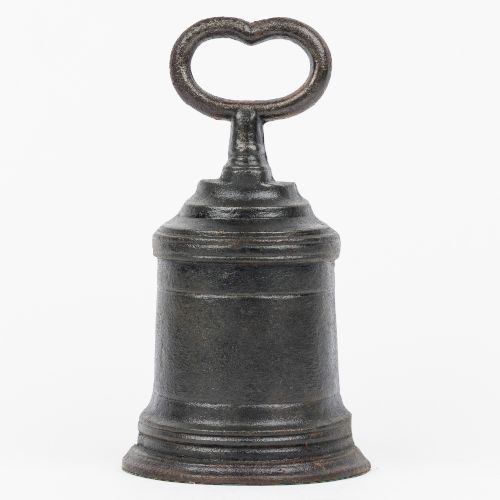
Foundries utilised casting techniques to pour molten cast iron and brass into sand moulds, creating substantial weights capable of holding heavy timber doors. Certain models combine iron bases with brass handles or incorporate lead weighting.
Vintage Doorstop Retail Price Guide 2026
Typical asking prices for vintage doorstop among the pieces listed under this phrase on Sellingantiques today, from the lower quarter to the upper quarter. They describe what is for sale here now, not the wider market.
Mr Punch and the Manchester Man stand ready to guard interior doors.
What varies in quality
Substance and stability dictate utility, with heavier casts providing the necessary mass to hold open large doors effectively. Original surface patination and preserved early paintwork elevate the desirability of individual specimens.
Archibald Kenrick & Sons·Tonks·William Tonks
The Vintage Doorstop Glossary
- Door porter
- A heavy vertical doorstop featuring an upright handle for lifting and moving between rooms.
- Cast iron
- An iron-carbon alloy poured into moulds to create rigid, heavy objects with high compressive strength.
- Cast brass
- An alloy of copper and zinc melted and poured into shaped containers to form decorative hardware.
- Chimney horse
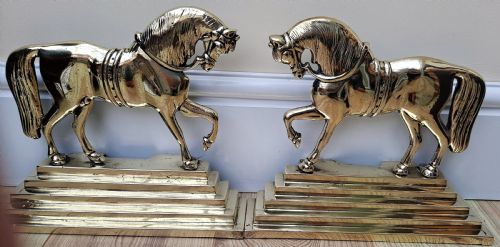
- A traditional metal ornament placed by the hearth, often matching the style of period doorstops.
Vintage Doorstop: Frequently Asked Questions
What is a vintage doorstop?
A heavy functional object designed to hold interior doors open, typically cast from iron or brass during the nineteenth century. These items combine utility with decorative sculptural forms.
They range from heraldic lions and domestic animals to historical figures and architectural motifs, serving as both room accessories and door restrainers.
How do I use a door porter?
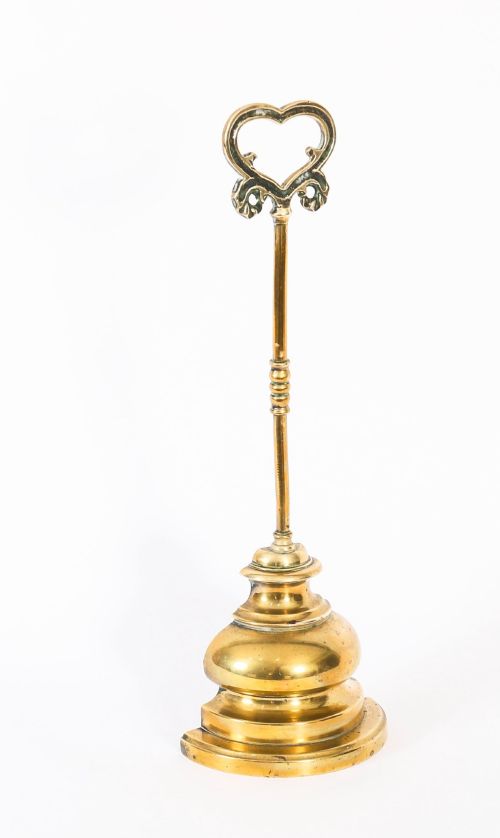
A door porter is lifted by its upper handle and placed against the base of an open door to prevent it from swinging shut. Its substantial weight secures heavy timber doors in draughty hallways.
When not in use against a door, these pieces frequently sit by the fireplace as decorative hearth ornaments.
Are these doorstops made of iron or brass?
The pieces utilise both cast iron and brass, occasionally combining iron bodies with brass handles or detailing. Cast iron examples provide heavy mass with painted or dark surfaces.
Brass versions offer a polished metallic appearance and appear frequently in Victorian and Edwardian domestic interiors.
How do I identify a Victorian doorstop?
Victorian examples typically display nineteenth-century manufacturing traits such as sand-cast iron or brass construction, heavy weight and period figural subjects like lions, dogs or Lord Nelson. Dating relies on stylistic conventions and foundry marks.
Later Edwardian additions often share similar casting methods but reflect twentieth-century design tastes while maintaining traditional utilitarian functions.