



Vintage Dog Wall Art
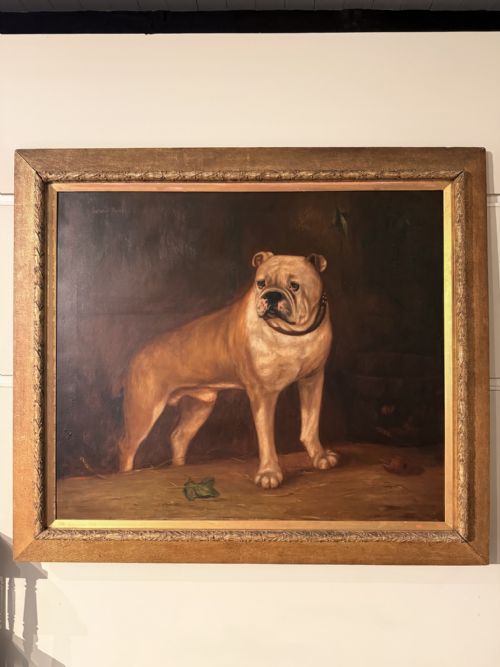
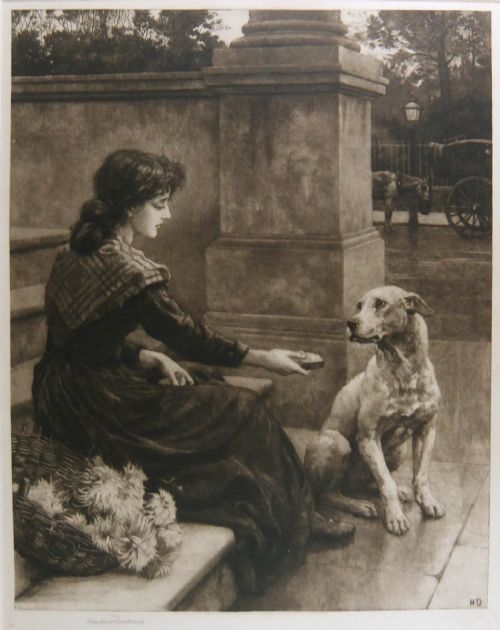
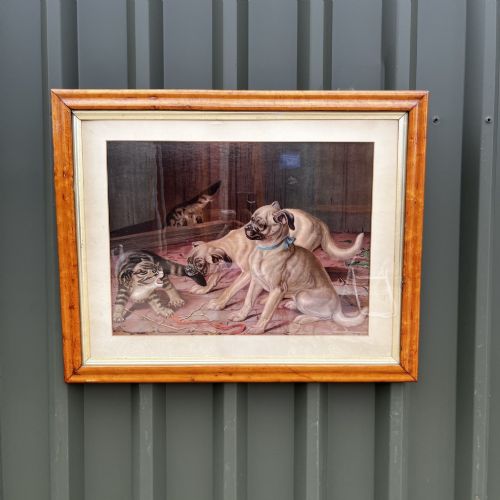
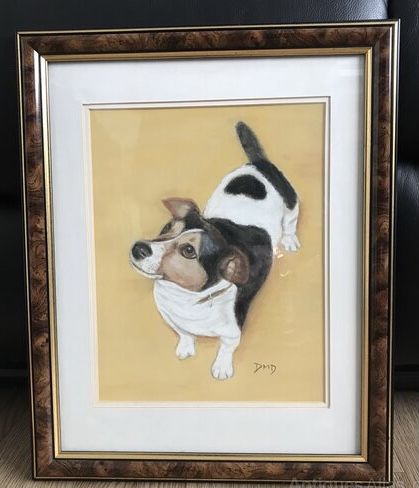
Vintage dog wall art brings character and history to a room through painted canvas, delicate etchings and framed prints.
Vintage Dog Wall Art
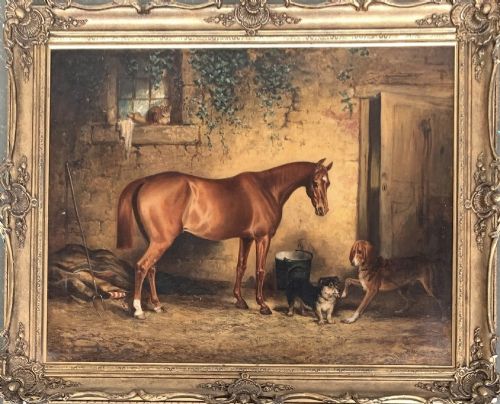
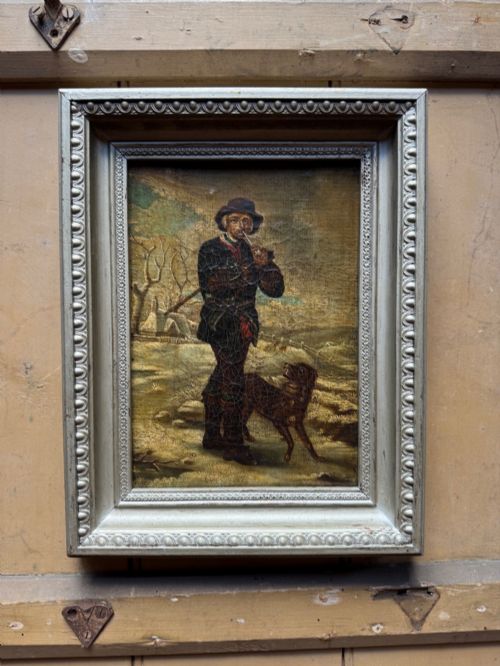
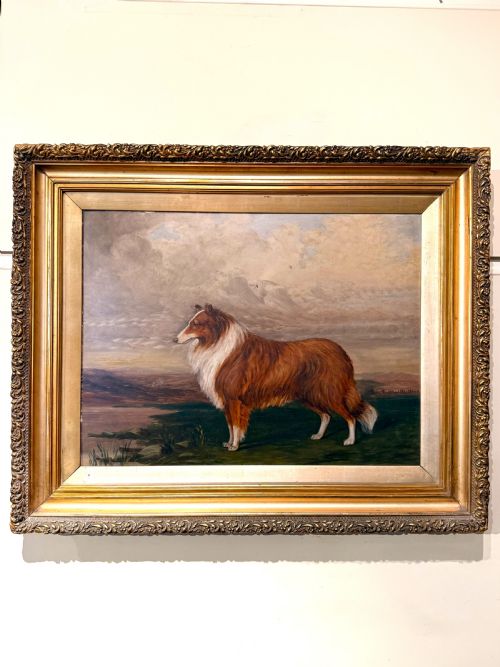
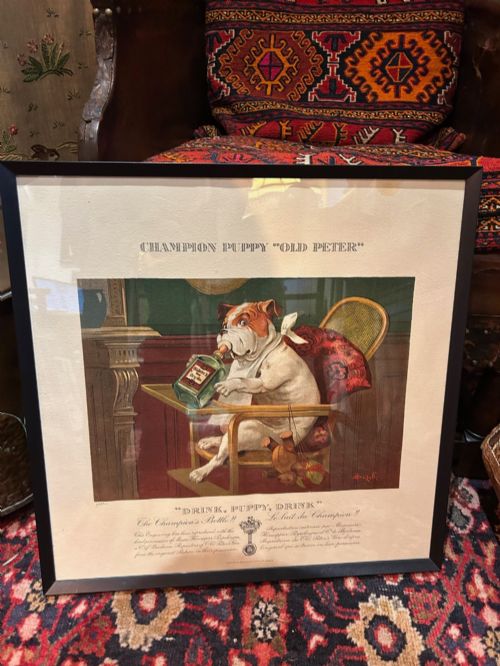
Vintage dog wall art encompasses a wide range of canine depictions, from nineteenth-century oil paintings and sporting art to mid-century portraits and early twentieth-century prints. Collectors searching for vintage dog wall art will find oil on canvas, board, watercolours, pastels and original etchings capturing hounds, terriers, spaniels and working dogs. Victorian and Edwardian pieces dominate the selection, alongside later twentieth-century representations.
The subjects span formal kennel portraits, dramatic hunting scenes and intimate studies of individual pets created by noted artists and skilled followers of the tradition. Works appear in various formats including oval frames, rectangular canvases and detailed engravings protected beneath glass.
Buyers encounter everything from large-scale depictions of foxhounds to small pastel studies of Jack Russell terriers. The selection reflects changing artistic tastes across the nineteenth and twentieth centuries while maintaining a central focus on canine companionship and sporting life.
Materials and construction
Artists utilised oil paint on stretched canvas or wooden board to build depth and texture, often applying gilt highlights to frame the central subject. Watercolours and pastels on paper required protective glass coverings to preserve the delicate pigment over decades.
Printmakers employed techniques such as etching, drypoint, chromolithography and engraving to replicate detailed drawings for domestic display. Frames constructed from wood often featured ornate moulding typical of the Victorian and Edwardian periods.
One determined terrier immortalised in paint is caught mid-action chasing a rat through a dimly lit barn.
Factors determining quality
The distinction between standard decorative pieces and superior works rests upon the anatomical accuracy of the animal, the expressive handling of the brush or printing tool, and the prestige of the artist or publisher. Skilled portraitists captured individual canine temperament and coat texture with precision rather than relying on generic formulas.
Condition plays a part in the overall standard, distinguishing works with preserved original pigments and period frames from those suffering heavy restoration or surface damage. The strength of the composition and the clarity of the printed line or paint layer elevate certain examples above others.
Henry Barraud·Marcellin Auzolle·Herbert Dicksee·Horatio Henry Couldrey·George E Sharpe·Edwin Landseer·Tom Carr·Valentine Thomas Garland
The Vintage Dog Wall Art Glossary
- Etching
- A printmaking technique where lines are bitten into a metal plate with acid before ink is applied and transferred to paper. This method allows for fine, expressive detail in animal hair and expression.
- Chromolithography
- A colour lithographic printing process used to produce multi-coloured reproductions of original artworks. It gained popularity in the nineteenth century for affordable domestic prints.
- Sporting Art
- A genre of painting and illustration dedicated to equestrian subjects, hunting, shooting and working dogs. These pieces often record specific named animals and esteemed packs.
- Drypoint
- A printmaking process where an artist scratches a design directly into a metal plate with a sharp needle. The resulting burr creates a rich, velvety line when inked.
- Oil on Board
- A painting executed on a rigid wooden or composition panel rather than flexible canvas. This support provided stability for smaller nineteenth and twentieth-century studies.
Vintage Dog Wall Art: Frequently Asked Questions
How do I date vintage dog art?
Dating relies upon stylistic markers, framing methods, artist signatures and the materials used in the support. Nineteenth-century pieces often feature heavy gilt frames and traditional canvas stretching, while later twentieth-century works display distinct mid-century framing and modernist influences.
Examining the back of the board or paper backing can reveal period stamps, gallery labels or handwritten inscriptions that narrow down the exact decade of creation.
Are these original paintings or prints?
The selection includes both unique hand-painted works and mass-produced or limited-edition printed works. Listings clearly distinguish between oil paintings, watercolours, pastels and mediums such as original etchings or chromolithographs.
Buyers should examine the surface texture closely under good lighting to identify brushstrokes versus printed ink dots or plate marks from the printing press.
How should I hang vintage dog art?
These pieces suit traditional study rooms, living spaces or hallways, often paired alongside other sporting or animal-themed works. Weight varies significantly between heavy framed oil paintings and lighter paper prints under glass.
Ensure that hanging hardware matches the weight of the piece and avoid placing delicate watercolours or pastels in direct sunlight to prevent fading of the pigments.
What breeds appear most frequently?
Terriers, spaniels, hounds and pugs feature prominently across the nineteenth and twentieth-century selections. Sporting dogs such as foxhounds and retrievers reflect the popularity of equestrian and hunting traditions among artists of those eras.
Individual portraits often highlight cherished family pets, capturing specific breeds owned by the sitters or commissioned by breeders.