

Vintage Dog Artwork
These vintage dog artwork pieces capture canine character through centuries of portraiture and sporting traditions.
Vintage Dog Artwork
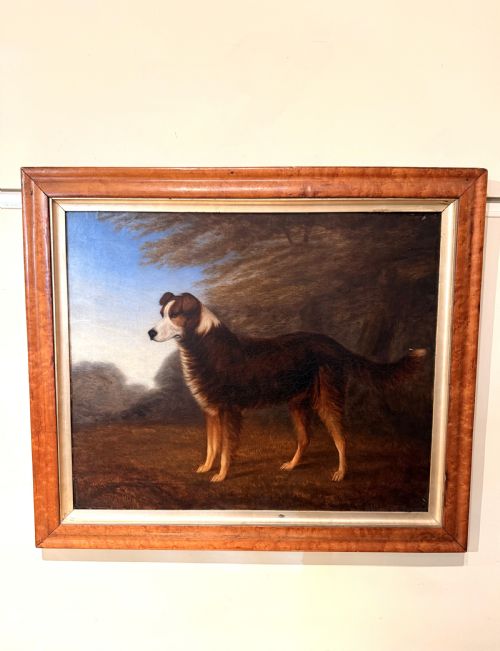
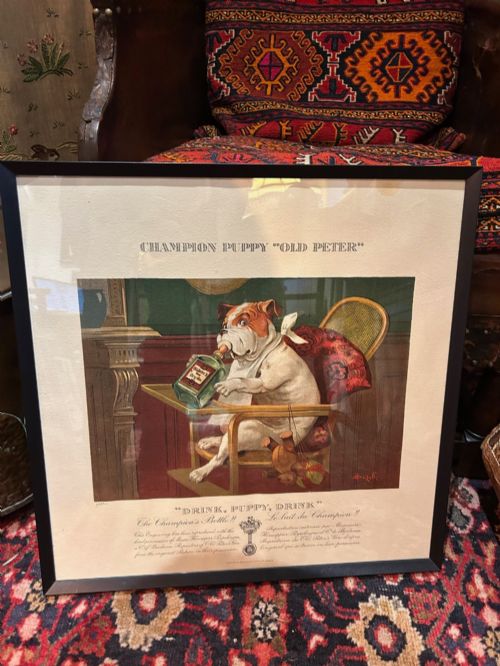
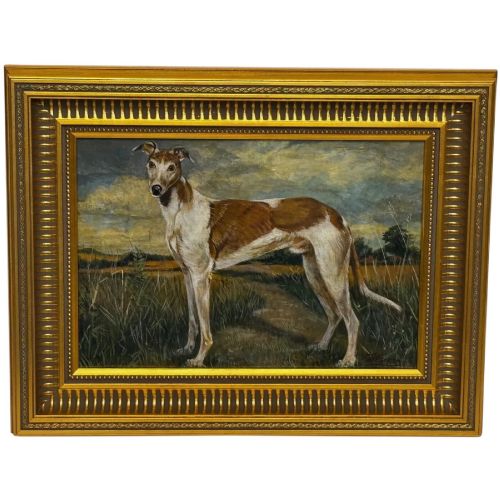
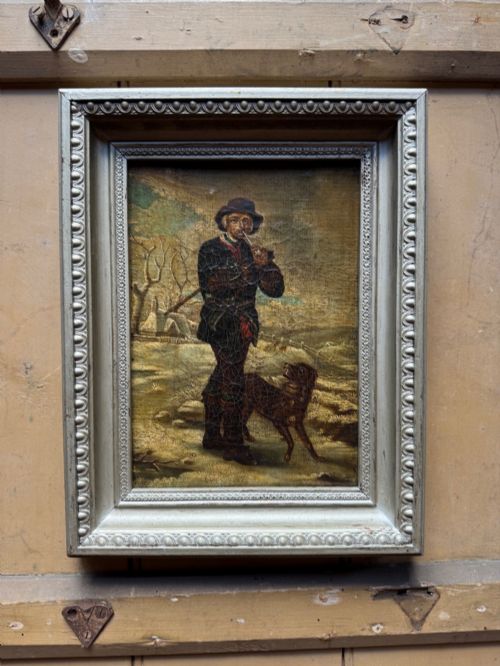
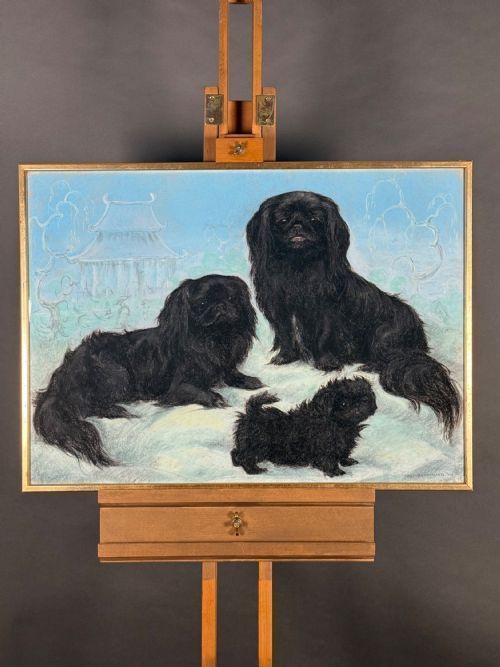
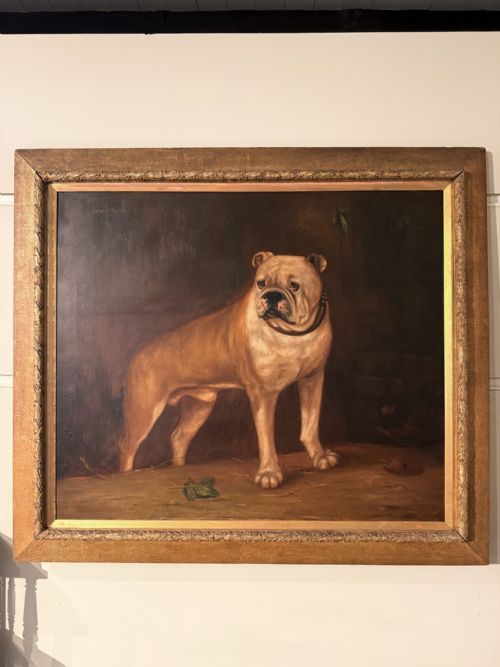
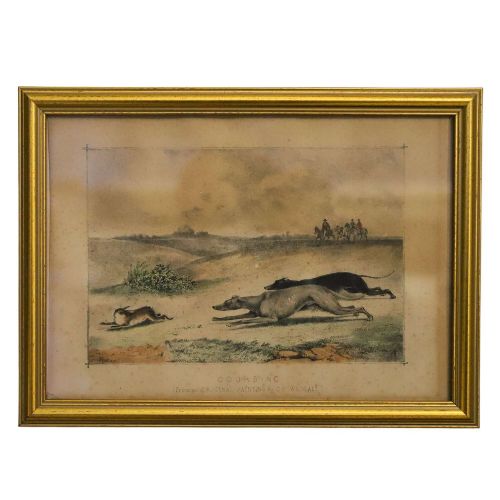
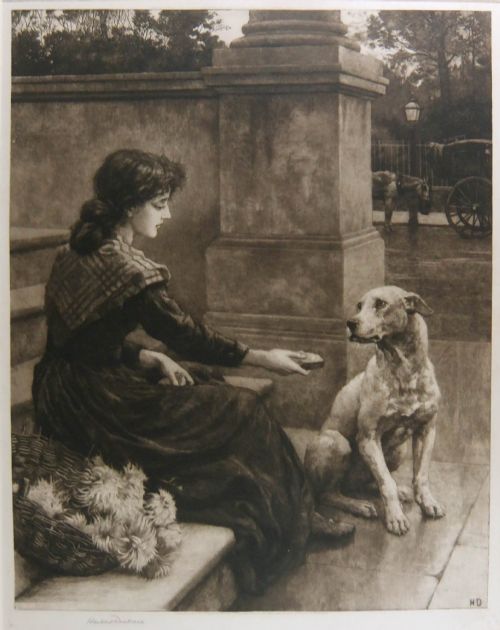
When you search for vintage dog artwork, you encounter a diverse range of visual representations capturing canine subjects across various eras. These pieces span centuries, encompassing formal portraiture, sporting scenes, and intimate studies.
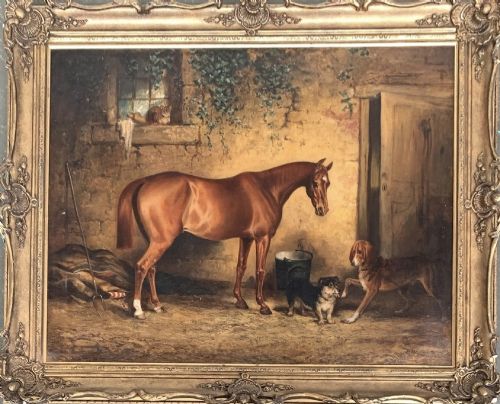
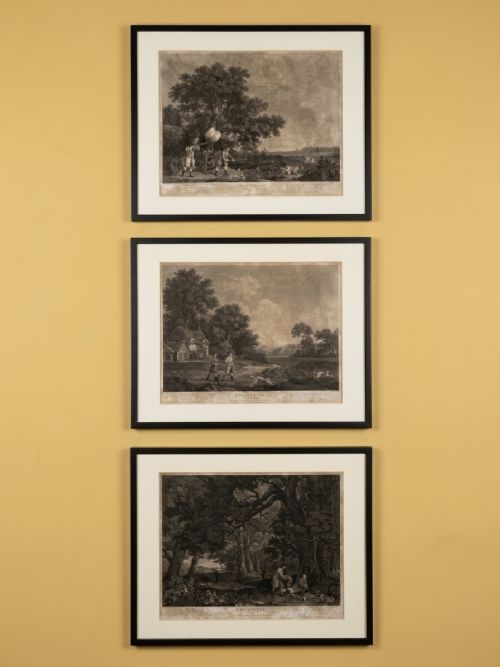
The selections on this page heavily feature Victorian and Edwardian works alongside mid-century interpretations. You will find oil paintings, watercolours, etchings, and drawings, reflecting the enduring popularity of man's best friend in domestic and sporting contexts.
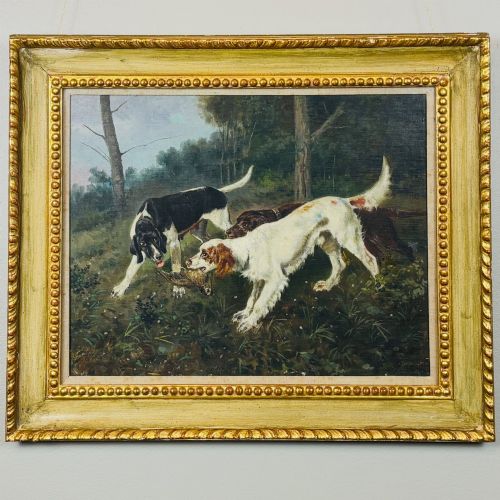
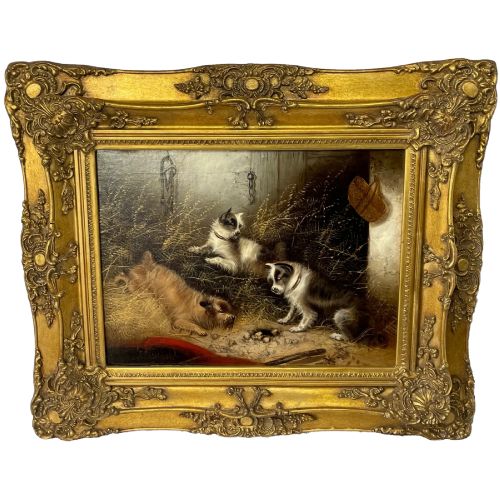
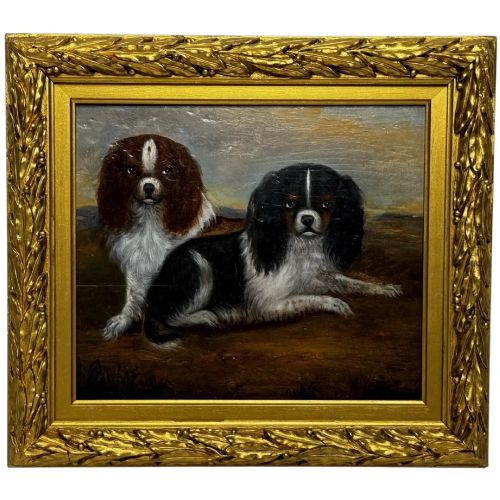
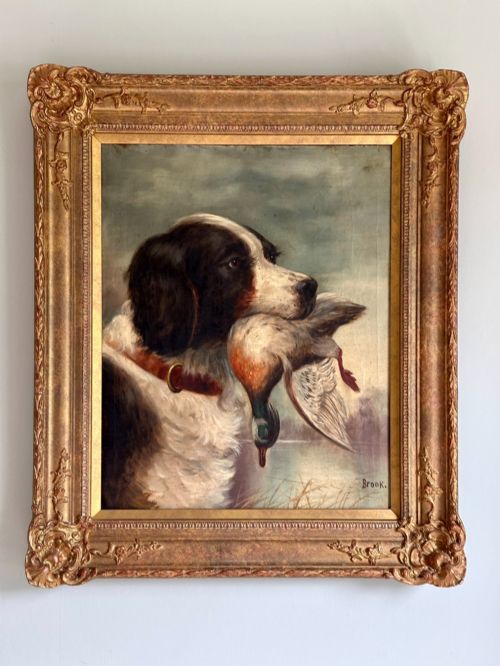
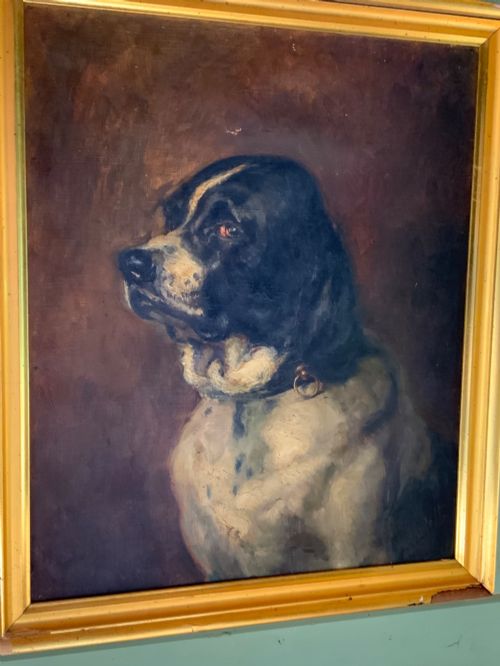
Subjects range from individual pet portraits, such as terriers and spaniels, to working hounds engaged in field sports. These objects provide a direct window into historical human-canine relationships and artistic depictions of animals.
How they were made
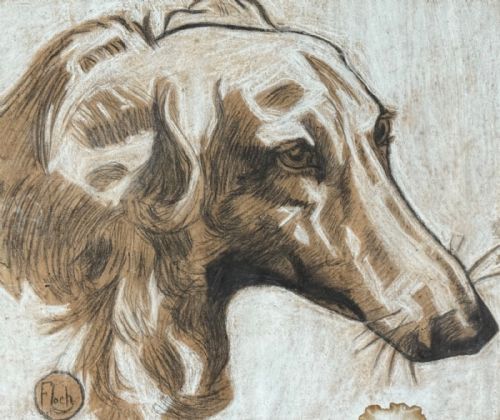
Artists utilised traditional media, predominantly oil paint on canvas or board, watercolour on paper, and detailed ink etchings. The handling of these materials dictates the texture and atmosphere of each piece, from smooth oil glazes to brisk pastel strokes.
Support materials include wood panels, heavy buff paper, and canvas stretched over frames, often protected beneath glass in period frames. Printmakers employed techniques like lithography and etching to produce multiple impressions of popular canine subjects.
Vintage Dog Artwork Retail Price Guide 2026
Typical asking prices for vintage dog artwork among the pieces listed under this phrase on Sellingantiques today, from the lower quarter to the upper quarter. They describe what is for sale here now, not the wider market.
Listings feature works across the nineteenth and twentieth centuries, using oil, watercolour, paper, and giltwood.
What varies in quality
The distinction between ordinary and exceptional pieces lies in the artist's ability to render canine anatomy convincingly while capturing individual temperament. Master painters demonstrate superior control over light, fur texture, and expression.
Condition and originality also determine a piece's standing, particularly the preservation of the original pigment and the suitability of the framing. Works by documented animal painters typically exhibit a higher degree of anatomical precision and compositional balance.
Henry Barraud·Herbert Dicksee·Horatio Henry Couldrey·John Emms·Arthur Wardle·Sir Edwin Landseer·William Barraud
The Vintage Dog Artwork Glossary
- Etching
- A printmaking process where lines are incised into a metal plate with acid before being inked and pressed onto paper. This technique allows for fine, hair-like detail prized in animal portraiture.
- Chromolithography
- A colour lithographic printing method that builds up rich hues using multiple stone plates. Victorian publishers utilised this to reproduce elaborate animal paintings.
- Sporting art
- A genre of painting and illustration dedicated to field sports, hunting, and equine or canine subjects. These works often document specific breeds utilised for working purposes.
- Gouache
- An opaque water-based paint that provides solid, matte colour coverage. Artists frequently combine gouache with pencil or pastel for preparatory animal studies on tinted paper.
Vintage Dog Artwork: Frequently Asked Questions
How do I identify a Victorian dog painting?
Victorian dog paintings often feature realistic animal subjects rendered in oil or watercolour, frequently highlighting specific breeds like terriers, spaniels, or hounds within domestic or rural settings. The framing, canvas preparation, and stylistic adherence to nineteenth-century realism typically provide clear indicators of period origin.
Examination of the signature, stretcher bars, and backing materials can offer further clues to confirm the exact era. Many works from this time reflect a distinct sentimentality towards pets, mirroring the cultural attitudes of the Victorian household.
What is the difference between an etching and a painting?
An etching is a printed multiple created by pressing an inked metal plate onto paper, allowing artists to produce detailed black and white or tinted reproductions of their work. A painting is a unique, one-off creation executed directly onto canvas, wood, or paper using wet media like oil or watercolour.
While paintings showcase direct brushwork and layered pigments, etchings rely on fine linear networks to convey texture and tone. Both mediums held significant popularity for depicting dogs across the nineteenth and twentieth centuries.
How should I care for antique paper art?
Antique paper pieces, such as watercolours, drawings, and etchings, require protection from direct sunlight to prevent fading and discolouration. Keeping them in stable humidity environments prevents foxing and mould growth on the delicate paper substrates.
Displaying these works behind conservation-grade glass helps shield the pigments from airborne pollutants and physical damage. Proper mounting using acid-free materials ensures the long-term preservation of the paper.
Why are sporting dogs common in old art?
Sporting dogs were central to rural life, field sports, and country house traditions, making them frequent subjects for artists commissioned by landowners and sportsmen. Breeds like pointers, setters, and hounds symbolised status, utility, and the pursuit of field sports.
Artists documented these animals to celebrate prized working companions and successful hunting packs. This practical connection resulted in a vast legacy of canine portraiture that endures in collections today.