


Vintage Display Mirror
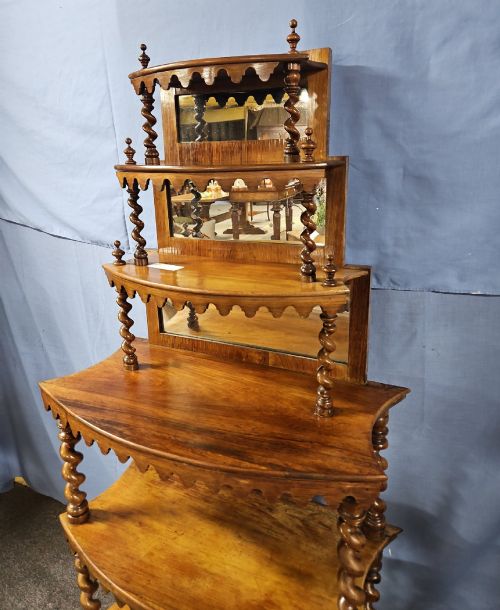
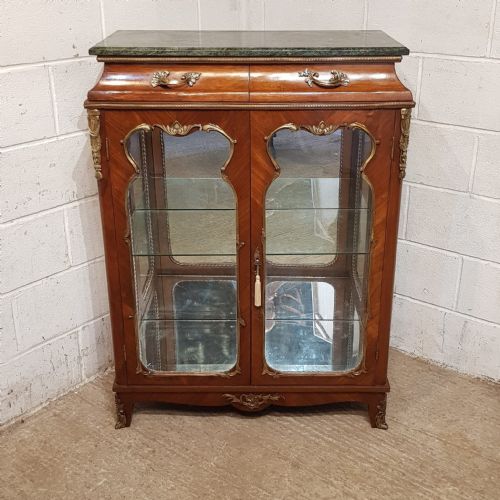
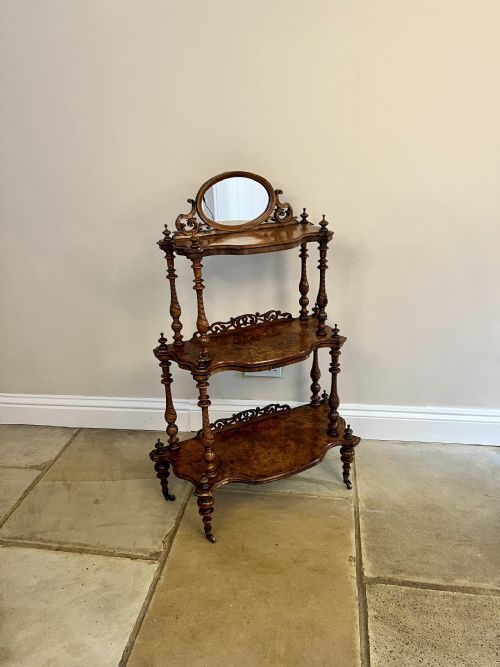
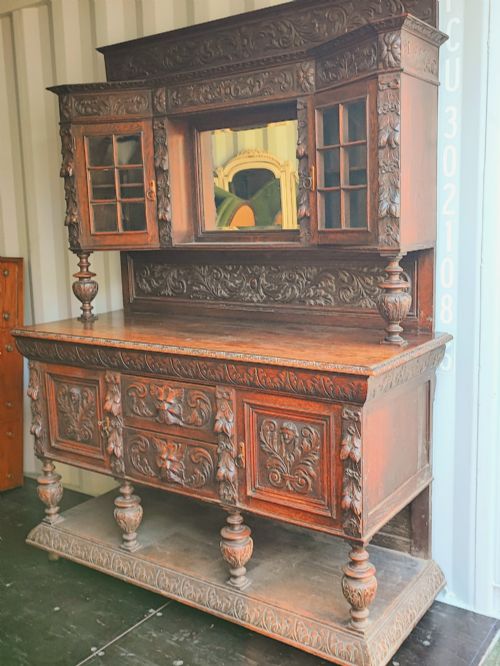
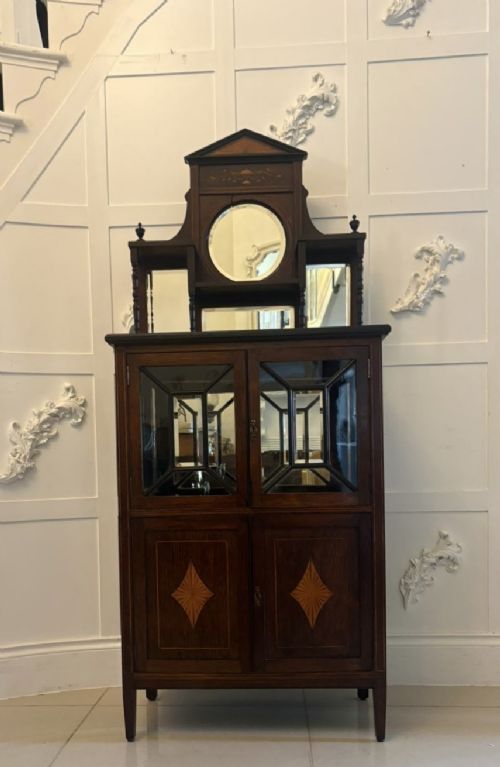
A vintage display mirror combines the function of storage with reflective glass to showcase precious objects.
Vintage Display Mirror
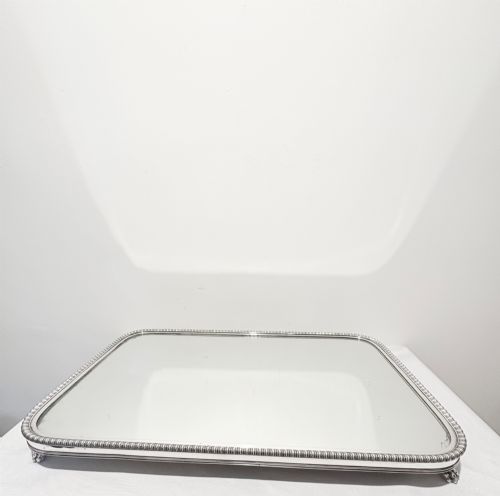
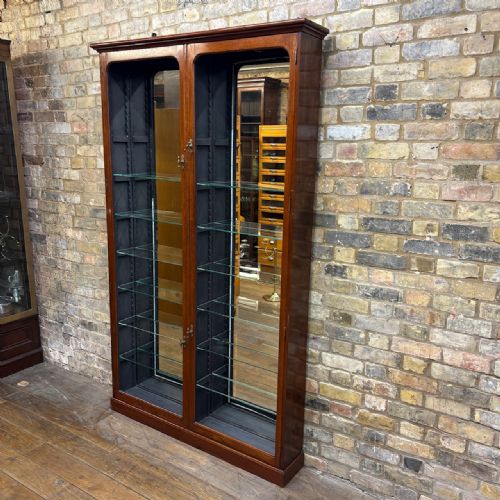
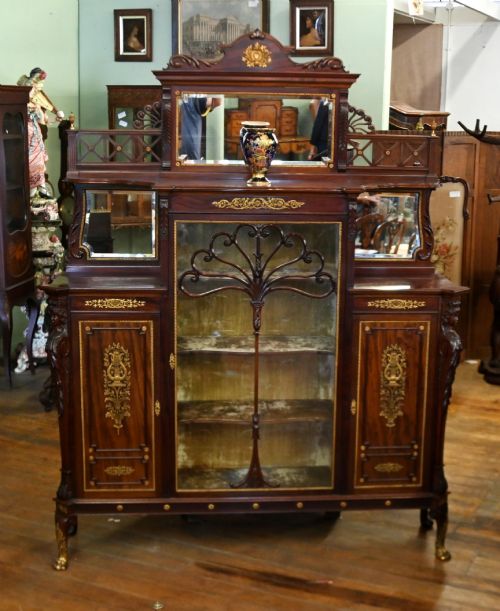
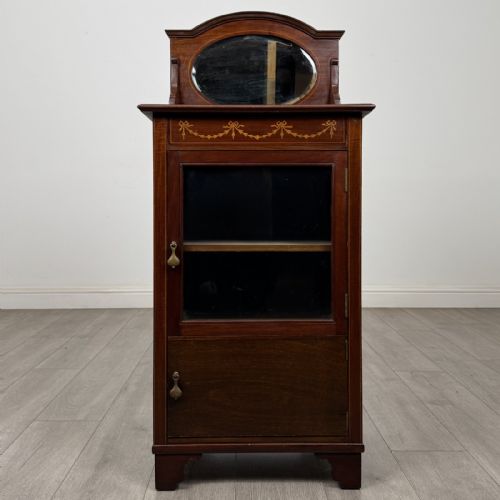
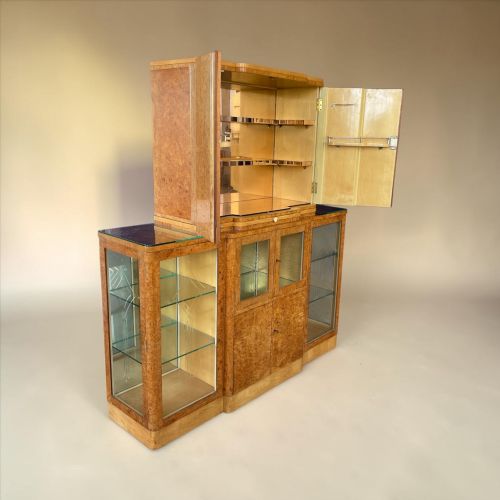
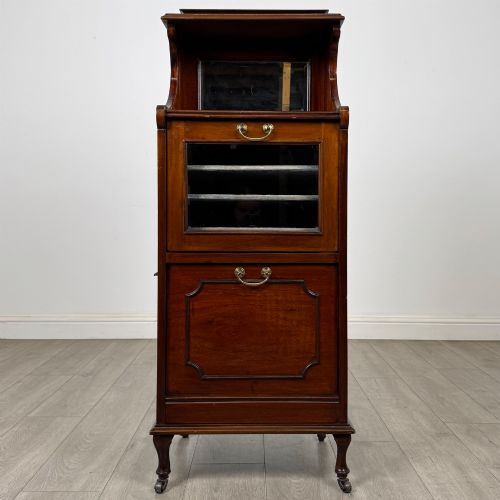
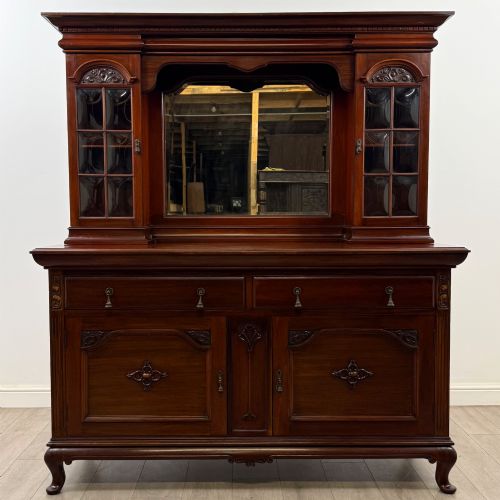
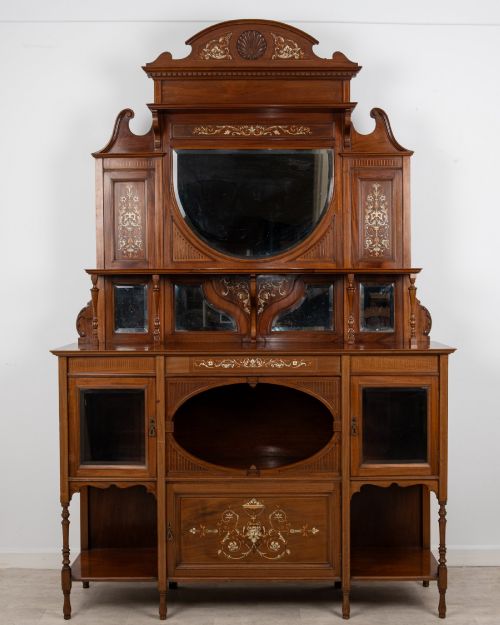
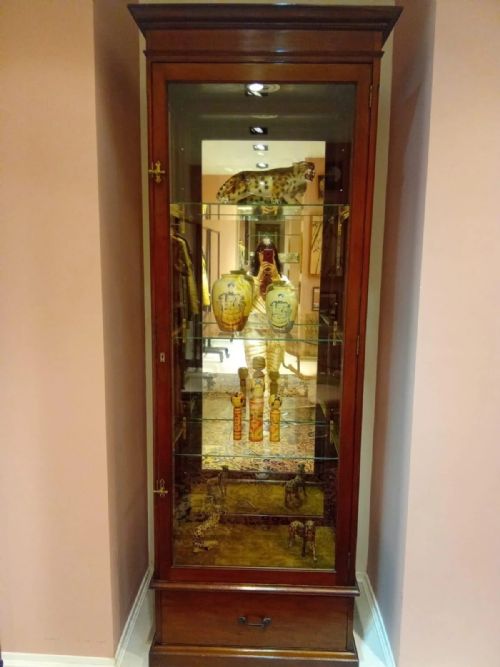
A vintage display mirror encompasses furniture pieces and tabletop items designed to show objects while incorporating reflective surfaces. Buyers searching for a vintage display mirror encounter items ranging from Edwardian mahogany cabinets with mirror backs to Art Deco countertop display cases and silvered metal table centrepieces.
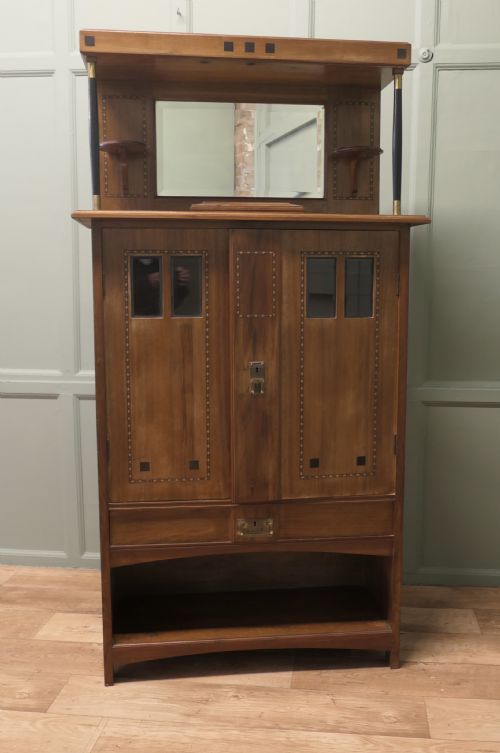
The selections span periods from the nineteenth century through the 1930s, featuring styles such as Art Deco, Arts and Crafts, and Victorian revivals. Common forms include side cabinets, vitrines, credenzas, and specialised presentation stands fitted with glass or mirror elements.
Materials and construction
Cabinetmakers utilised hardwoods including mahogany, oak, burr walnut, satinwood, and kingwood, often applying intricate inlaid veneers or carved details. Metal mounts in brass or gilt, alongside leaded and Venetian cut glass, complete the structural composition of these display pieces.
Vintage Display Mirror Retail Price Guide 2026
Typical asking prices for vintage display mirror among the pieces listed under this phrase on Sellingantiques today, from the lower quarter to the upper quarter. They describe what is for sale here now, not the wider market.
Judging quality in presentation pieces
The distinction between standard examples and exhibition-quality pieces lies in the selection of timbers and the precision of the cabinetwork. Fine burr walnut veneers, complex marquetry in satinwood, and substantial cast bronze or gilt mounts elevate the status of a cabinet or plateau.
Originality of the mirror glass and interior fittings dictates the integrity of the piece. Subtle details such as finely cut bevels on the glass and well-executed carving demonstrate superior craftsmanship over mass-produced alternatives.
Harry and Lou Epstein
The Vintage Display Mirror Glossary
- Vitrine
- A glass-fronted cabinet designed for displaying fine objects or curiosities. These pieces often feature glazed sides to maximise light penetration.
- Credenza
- A sideboard or buffet style cabinet, frequently fitted with a mirror back in Victorian and nineteenth-century examples. They serve as substantial display furniture.
- Marquetry
- Decorative veneer work created by fitting small pieces of various wood types into patterns. Craftsmen utilised this technique on mahogany and walnut surfaces.
- Plateau
- A mirrored tray or stand placed on a table to display silver, cakes, or decorative items. Jewellers and domestic hosts utilised these to reflect objects from beneath.
Vintage Display Mirror: Frequently Asked Questions
How do I style a mirror cabinet?
Position the cabinet where ambient light strikes the glass panels to illuminate the interior shelves. Keep the contents curated to prevent visual clutter against the reflective background.
Allow the timber tones and glass reflections to complement existing furniture without overcrowding the surrounding wall space.
What periods do these pieces span?
The available items stretch from the nineteenth century through the Edwardian era and into the 1930s Art Deco period. Each decade brings distinct stylistic traits, from heavy carved oak to streamlined geometric lines.
Victorian and Edwardian pieces lean towards rich mahogany and burr walnut, while later twentieth-century examples embrace ebonised finishes and cut glass.
Were these cabinets used in shops?
Many surviving display cabinets and plateau mirrors originated in commercial retail environments such as jewellers and sweet shops. Countertop units and shop display cabinets with adjustable glass shelves were built specifically to showcase merchandise to customers.
Domestic versions share similar glazing and mirrored interiors but typically incorporate finer domestic veneers like satinwood and inlaid rosewood.
How should I clean the mirror glass?
Use a soft microfiber cloth and a mild glass cleaning solution applied to the cloth rather than directly onto the mirror surface. This prevents moisture from seeping behind the silvering or damaging the surrounding wooden frame.
Take care around older foil or silvered metal surfaces to preserve the original patina of the piece.