






Vintage Display Dish
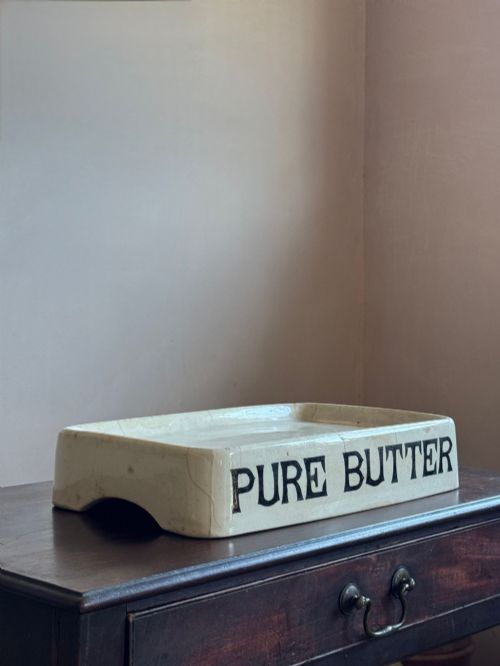
These vintage display dish pieces span centuries of ceramic artistry and decorative metalwork, offering striking focal points for any room.
Vintage Display Dish
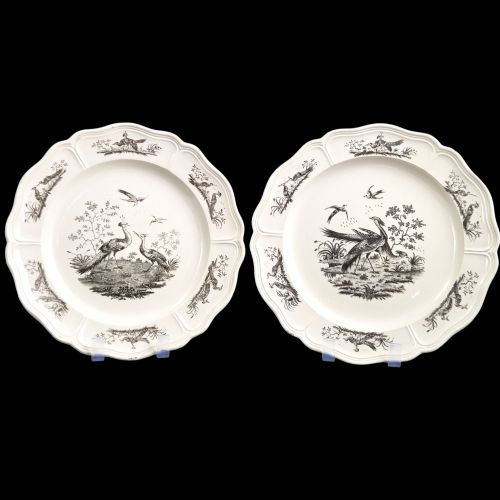
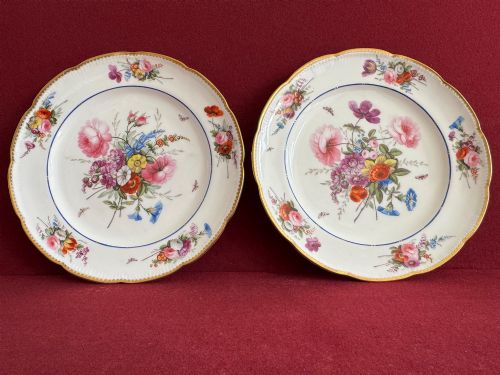
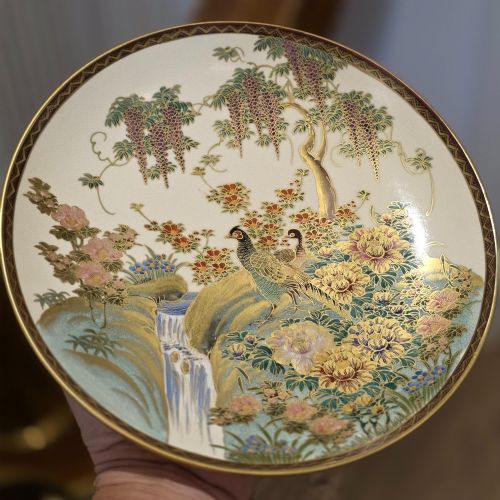
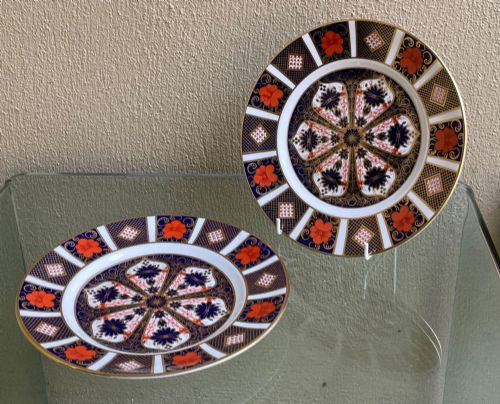
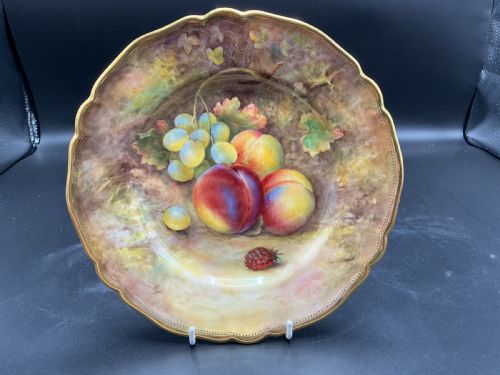
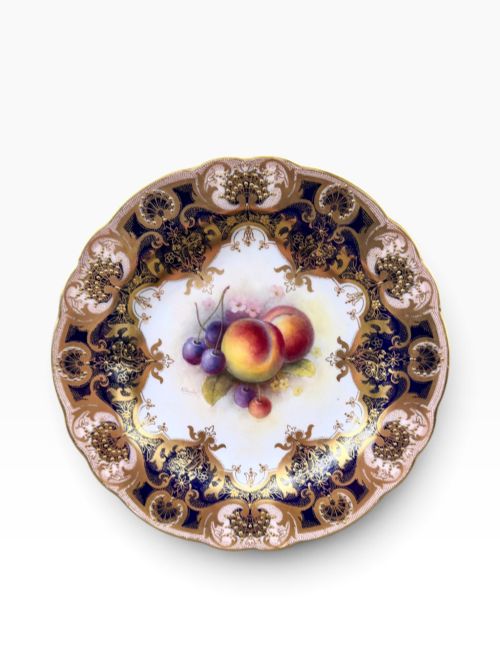
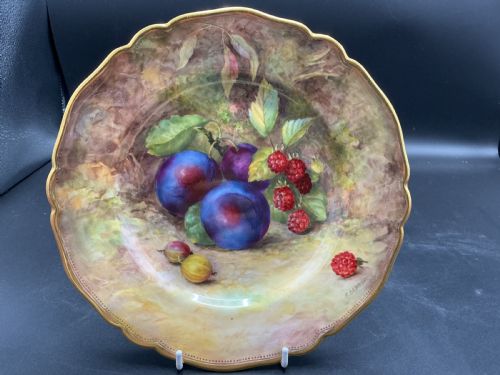
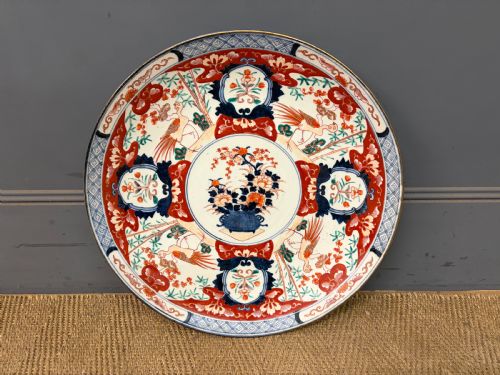
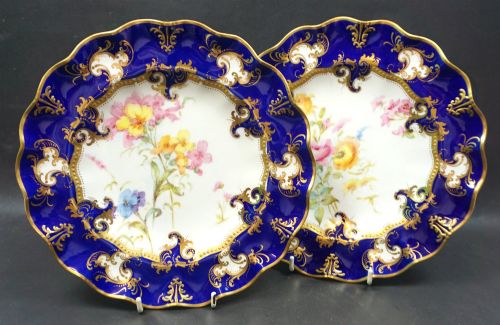
A vintage display dish brings together centuries of decorative plates, chargers, and bowls designed primarily for visual impact rather than dining use. When searching for this phrase, buyers encounter everything from Georgian creamware and English delftware chargers to detailed Japanese Imari plates and hand-painted Royal Worcester cabinet porcelain.
The selection ranges across multiple periods, with pieces originating from the 18th century through to the mid-20th century. Forms vary widely from scalloped porcelain bowls and leaf-shaped dishes to large wall chargers and painted cabinet plates.
How they were made
Materials span porcelain, earthenware, bone china, and ceramic, often enhanced with intricate glaze work, enamel, and gold leaf gilding. Makers utilised traditional techniques such as hand-painting, blue and white transfer printing, and cloisonné enamelling to achieve deep colour saturation and complex surface patterns.
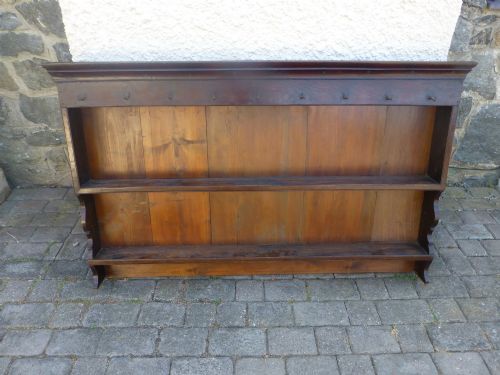
Support structures and display elements involve specialised craftsmanship, seen in items incorporating wooden plate stands, oak racks, and specialised metalwork like English pewter.
Vintage Display Dish Retail Price Guide 2026
Typical asking prices for vintage display dish among the pieces listed under this phrase on Sellingantiques today, from the lower quarter to the upper quarter. They describe what is for sale here now, not the wider market.
Materials represented across the catalogue include porcelain, bone china, earthenware, enamel, and pewter.
What varies in quality
Quality reveals itself in the precision of the hand-painted details and the depth of the glaze, particularly on pieces featuring complex floral, bird, or fruit motifs by known artists. Superior examples demonstrate a careful balance between the material base, whether porcelain or earthenware, and the richness of the gilding or enamel work applied.
The distinction between standard decorative items and finer cabinet pieces often lies in the provenance and the skill required to execute intricate forms, such as scalloped edges or moulded leaf shapes, without distortion during firing.
Royal Worcester·Royal Crown Derby·Royal Doulton·Leeds Pottery·Nantgarw
The Vintage Display Dish Glossary
- Cabinet plate
- A decorative plate intended for display in a cabinet or on a wall rather than for serving food. These often feature elaborate hand-painted scenes and gilding.
- Charger
- A large decorative plate used historically beneath other courses or hung on walls for display. They provide a broad canvas for painted or enamelled designs.
- Creamware
- A type of refined earthenware developed in the 18th century with a pale yellowish or cream-coloured glaze. It was widely produced by potteries such as Leeds.
- Delftware
- Tin-glazed earthenware produced in England and the Netherlands, typically featuring blue and white or polychrome decoration. It often displays rich opaque glazes.
- Cloisonne
- A metalwork technique where compartments are created on a metal surface using wire and filled with enamel paste. These are subsequently fired to produce vibrant decorative patterns.
Vintage Display Dish: Frequently Asked Questions
How do I hang a heavy charger?
Large chargers require robust wall mountings that distribute the weight evenly across the base and rim. Adjustable spring-loaded brass hangers designed specifically for heavy ceramics are standard.
Ensure the wall fixing is secured into a stud or uses appropriate masonry plugs to support the substantial weight of porcelain or earthenware safely.
Can I use these plates for food?
Most items intended for display carry delicate overglaze enamels, gold leaf, or historic glazes that are vulnerable to cutlery and acidic foods. Historic pieces from the eighteenth and nineteenth centuries are best reserved for visual appreciation.
Hand-painted cabinet plates and delicate porcelain dishes should be kept strictly for decorative display to preserve their fragile surfaces.
How do I clean delicate painted porcelain?
Dusting with a soft, dry microfibre cloth is the safest routine method for maintaining painted surfaces and gilt details. Avoid harsh chemical cleaners, abrasive sponges, and prolonged soaking.
If washing is necessary, use lukewarm water with mild soap, rinse gently, and dry immediately with a soft lint-free towel.
How do I identify a transferware pattern?
Transferware involves applying a printed design from a copper plate onto the ceramic body before glazing. Look closely under magnification for the fine dot or line matrix characteristic of printing.
Many pieces also bear maker marks, pattern names, or initials stamped into the ceramic base to help pinpoint their origin and date.