


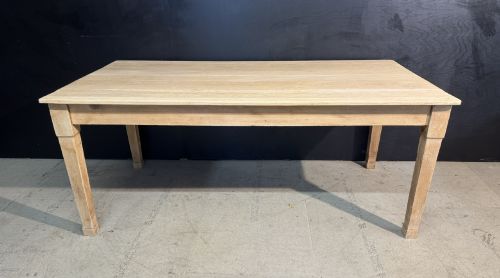
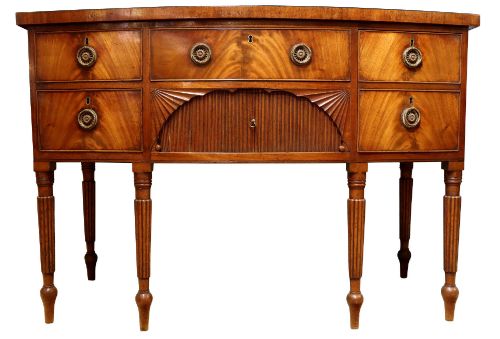
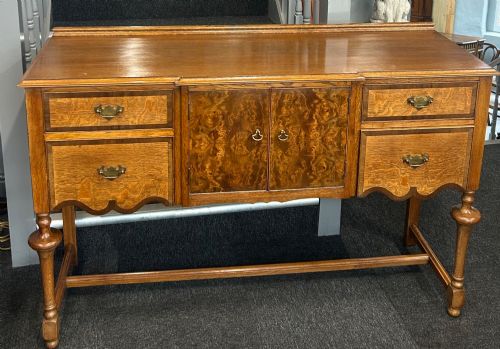
Vintage Dining Room Table
A vintage dining room table anchors the home with solid timber and enduring craft, bringing people together around authentic period design.
Vintage Dining Room Table
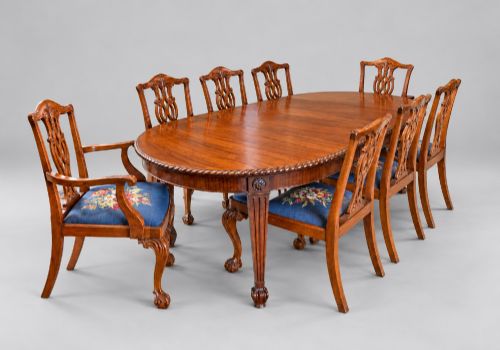
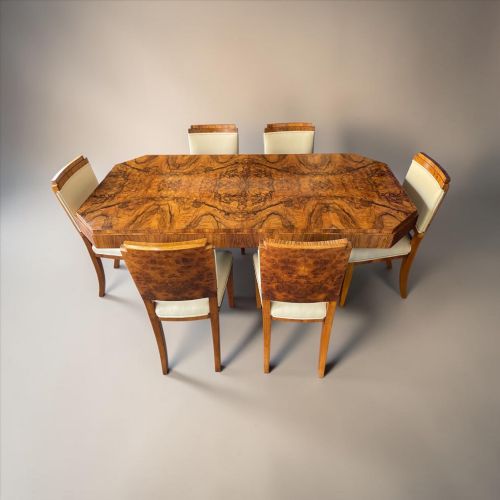
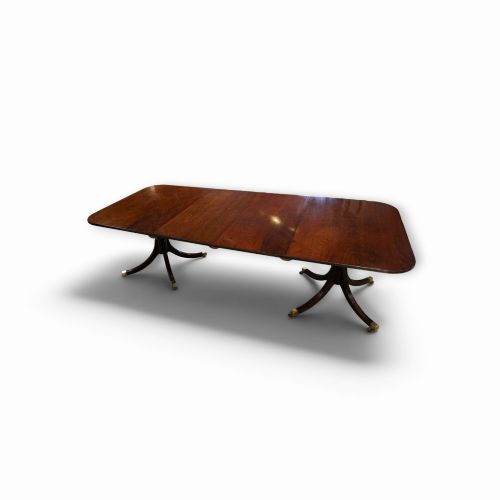
When you search for a vintage dining room table, you encounter substantial furniture created from solid woods and rich veneers designed to gather families and guests. The pieces span periods from Georgian eras through the nineteenth century and into Art Deco designs of the nineteen-thirties.
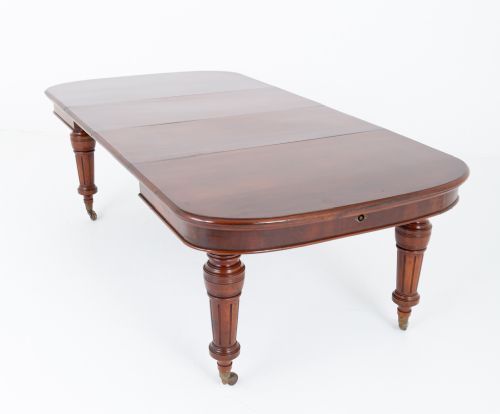
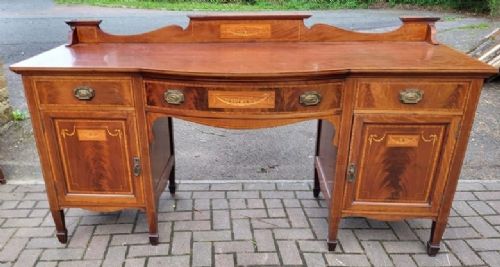
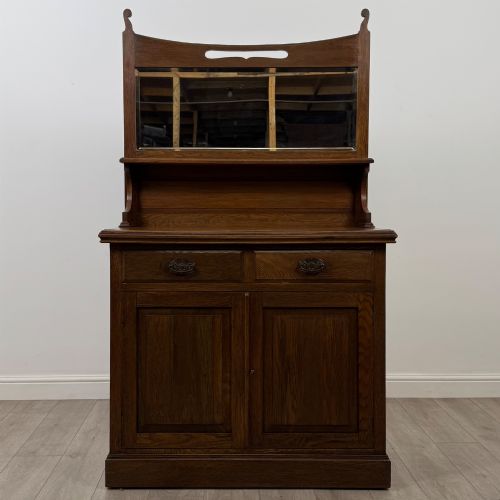
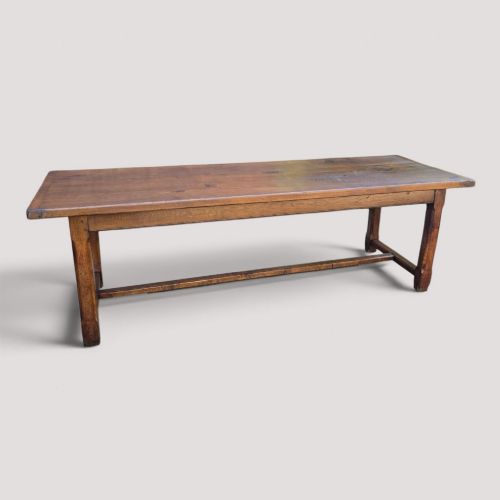
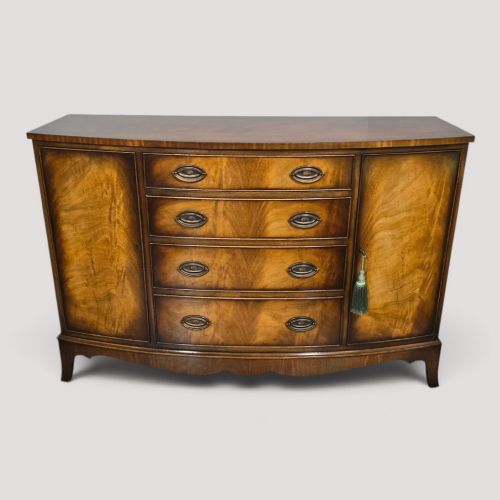
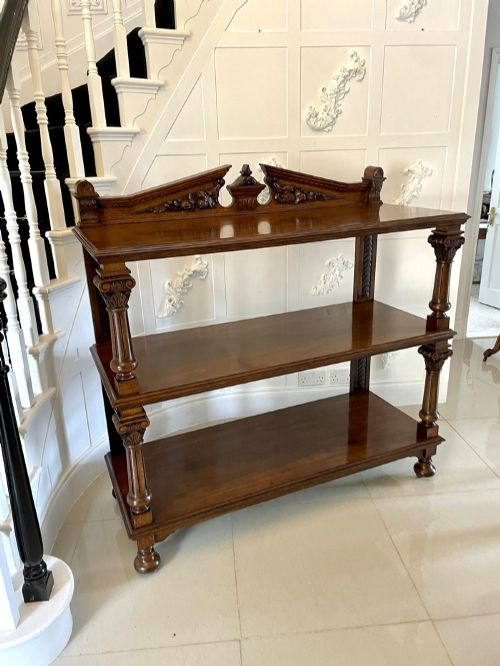
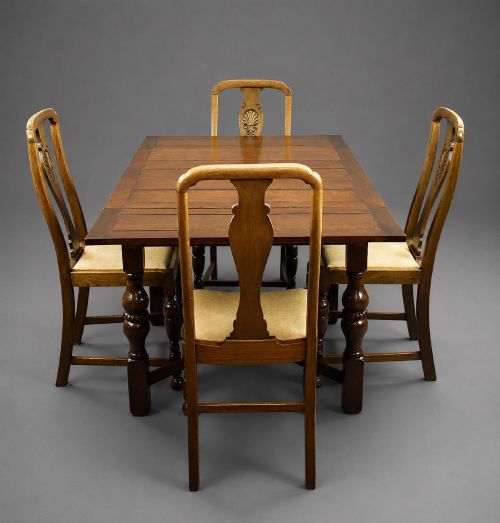
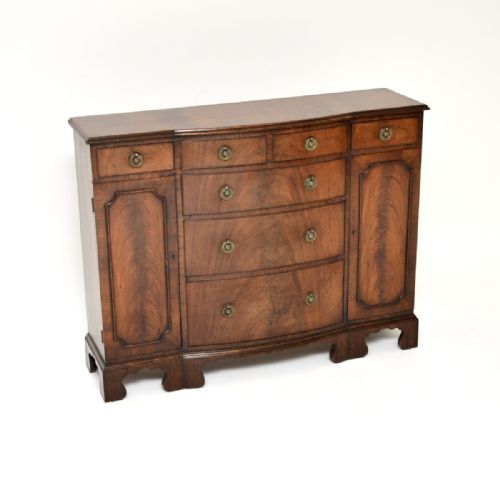
Most examples appearing here take the form of extending pedestal tables, refectory boards or draw leaf designs in mahogany and oak. These larger formats often arrive accompanied by matching chair sets or function alongside complementary sideboards and dumbwaiters.
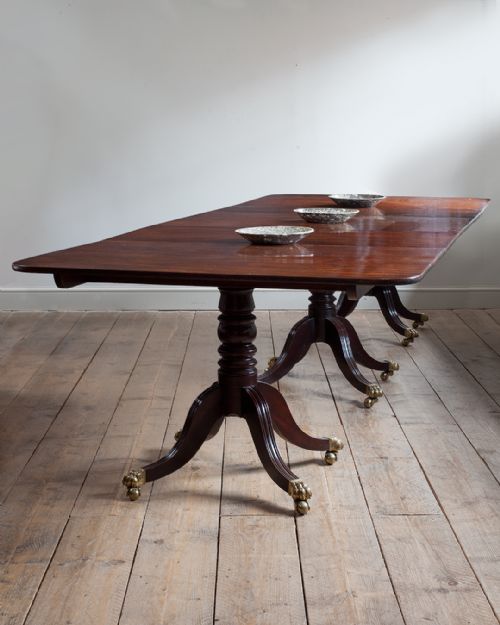
Makers utilised traditional construction methods to build timber frames that withstand generations of daily meals and gatherings. The resulting forms range from rustic farmhouse boards to formal twin-pillar and triple pedestal dining tables.
Materials and construction
Cabinet makers selected dense hardwoods like mahogany and oak for their structural strength and rich grain patterns. Artisans applied flame mahogany veneer and burr walnut across tabletops and cabinet fronts to introduce complex visual depth.
Inlay work incorporated satinwood and maple details to define borders and geometric motifs on formal dining furniture. Brass fittings provided functional hardware and structural support for extending mechanisms.
Joinery relied on traditional techniques such as draw leaf systems and pedestal bases designed to support heavy timber tops during extension.
Vintage Dining Room Table Retail Price Guide 2026
Typical asking prices for vintage dining room table among the pieces listed under this phrase on Sellingantiques today, from the lower quarter to the upper quarter. They describe what is for sale here now, not the wider market.
Several dining tables carry the history of public school libraries and grand country houses straight into modern family dining rooms.
Distinguishing quality across the range
Quality reveals itself in the selection of timber figures, where matched flame mahogany veneer and burr walnut elevate a piece beyond standard domestic utility. Master workshops demonstrated superior judgment in grain alignment across tabletops and extending leaves.
Hand-carved details and precise satinwood inlay indicate the level of labour invested by the original maker. Robust mechanism engineering ensures that extending pedestal and draw leaf tables operate smoothly across decades of use.
Harry and Lou Epstein·Maple and Co·M. D. Miller and Sons
The Vintage Dining Room Table Glossary
- Pedestal table
- A dining table supported by one or more central pillars rather than traditional corner legs. This construction allows greater flexibility for seating placement.
- Draw leaf table
- A table equipped with concealed leaves stored beneath the main surface that pull out to extend the length. This mechanism offers practical expansion for larger dinner parties.
- Refectory table
- A long, narrow dining table originally developed for monastic dining halls and later adapted for domestic kitchens. They feature robust timber construction often joined by low stretchers.
- Burr walnut
- Wood harvested from the warted growths of walnut trees, yielding highly figured patterns with swirling grain. Cabinet makers sliced this timber into decorative veneers.
- Satinwood
- A durable tropical hardwood with a lustrous golden yellow sheen utilised for fine stringing and contrasting inlay work. It highlights borders on Georgian and Edwardian furniture.
Vintage Dining Room Table: Frequently Asked Questions
How do I measure for an extending table?
Measure your dining room space while accounting for sufficient clearance to pull chairs away from the edges comfortably.
Check whether the table operates with removable leaves or internal draw mechanisms that alter the footprint during extension.
Are these tables suitable for daily use?
Solid hardwood construction ensures these tables withstand regular family meals and heavy daily demands.
Applying proper heat mats and protective maintenance preserves the polished timber and delicate veneer surfaces over time.
What maintenance do mahogany surfaces need?
Polishing timber surfaces with traditional beeswax maintains the moisture balance and protects the grain from drying.
Keeping tables away from direct heat sources and strong sunlight prevents timber warping and veneer cracking.