


Vintage Dining Room Painting
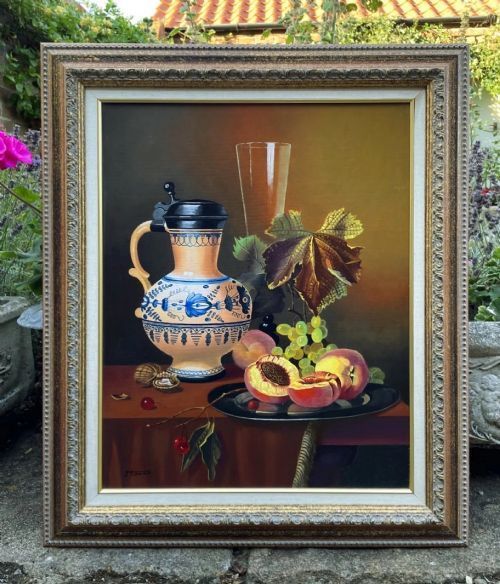
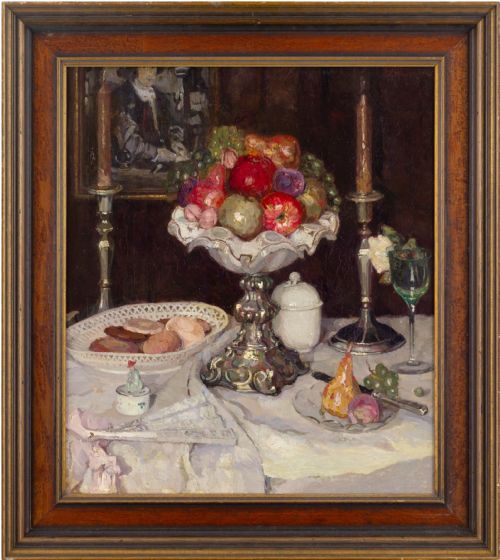
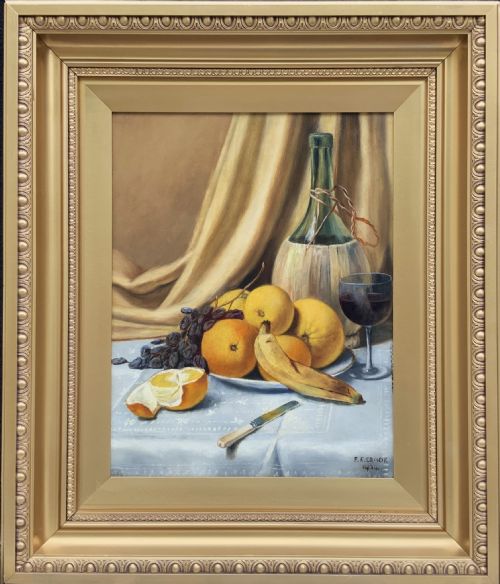
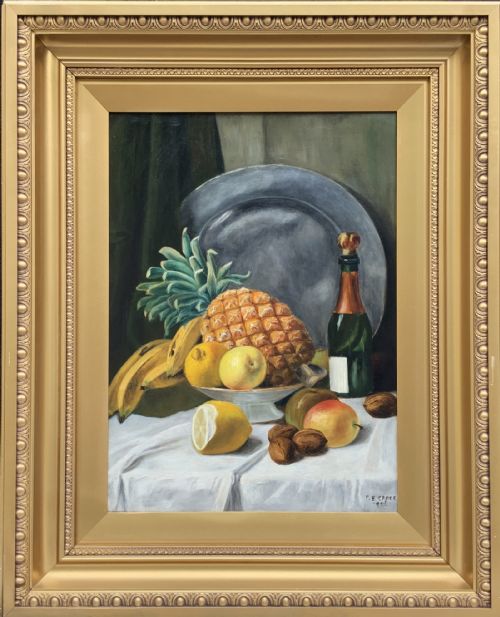
These vintage dining room painting examples bring together oils on canvas and framed still life scenes, offering character and depth for a traditional interior.
Vintage Dining Room Painting
A vintage dining room painting brings together oil on canvas artworks, often depicting still life compositions with fruit, baskets, and tableware, suited for traditional interior spaces. The selection includes examples from periods such as the Edwardian era, the eighteen-fifties, nineteen-hundred, nineteen-ten, nineteen-twenty, nineteen-thirty, nineteen-forty, and nineteen-fifty.
Most pieces focus on canvas and wood supports, sometimes housed in gilded wood or gilt frames with glass protection. The imagery naturally aligns with dining settings through depictions of fruit, biscuits, candlesticks, and tureens with vegetables.
Buyers frequently encounter Edwardian works alongside pieces dated across the early and mid twentieth century. These artworks reflect styles ranging from traditional realism and post-impressionism to baroque influences.
How they were made
Artists applied oil paint onto canvas stretched over wood frames, building up rich textures and deep tones for subjects like fruit and interior scenes. These canvases were then secured within wooden surrounds, often incorporating gilt or gilded wood finishes.
Framing techniques relied on traditional joinery and carved wooden mouldings to protect the painted surface while complementing the aesthetic of the room.
The listings feature oil on canvas artworks across eight distinct periods, ranging from eighteen-fifty to nineteen-fifty.
What varies in quality
The distinction in quality rests upon the confidence of the brushwork and the depth of the composition within the oil paint. Finer examples show careful attention to light and shadow on canvas, particularly in rendering natural textures like fruit and ceramic vessels.
Framing also influences the overall presence of the piece, with original gilded wood and gilt frames contributing to the historic character of the artwork.
Else Preußner·T.Vincent·John Exley
The Vintage Dining Room Painting Glossary
- Oil on Canvas
- A painting medium where pigments bound in oil are applied to a woven fabric support stretched over a wooden frame. This combination allows for rich colour blending and lasting durability.
- Still Life
- An artwork depicting inanimate subject matter, typically commonplace objects such as fruit, jugs, and tableware. These compositions focus on everyday arrangements and domestic themes.
- Gilt
- A thin layer of gold leaf or gold paint applied to wooden frames and decorative elements. This finish adds a reflective quality and traditional ornamentation.
- Post-Impressionism
- An art style following impressionism that extends its limitations while retaining vivid colours and thick application of paint. It emphasises symbolic content and expressive brushwork.
- Edwardian
- A period spanning the early twentieth century, noted in these works for refined composition and traditional realism. Pieces from this era often feature balanced arrangements and careful detailing.
Vintage Dining Room Painting: Frequently Asked Questions
What subjects appear in these paintings?
The works primarily feature still life compositions of fruit, biscuits, candlesticks, and tureens filled with vegetables. Some examples also depict cottage dining room interiors and tabletop arrangements.
These subjects were chosen to complement domestic dining spaces, offering imagery that naturally aligns with food and hospitality.
Which periods do these paintings represent?
The listings span from the mid nineteenth century through the Edwardian era and into the nineteen-forties and nineteen-fifties. This timeline covers traditional realism alongside post-impressionist approaches.
Each period brings distinct framing choices and canvas textures that reflect the era in which the artist worked.
How should I hang a canvas painting?
Ensure the wall fixings match the weight of both the canvas and its wooden frame. Secure placement avoids direct sunlight, which helps preserve the oil paint over time.
Positioning the artwork at eye level within a dining room creates a balanced focal point for the space.
What materials make up the frames?
Frames are constructed from wood, frequently finished with gilt or gilded wood to enhance the visual presentation of the canvas. Some pieces include glass protection over the painted surface.
These materials contribute to the traditional appearance and help safeguard the artwork from environmental wear.
Are these works signed by artists?
Several pieces feature signatures from painters such as Else Preußner, T.Vincent, and John Exley. These signatures help connect the artwork to specific hands from the Edwardian period or mid twentieth century.
Signed works offer a clear attribution to the creator behind the canvas composition.