

Vintage Dining Decor
Vintage dining decor brings table settings to life with period silver napkin rings, candlesticks, and menu holders from the Georgian, Victorian, and Edwardian eras.
Vintage Dining Decor
Vintage dining decor spans utilitarian and decorative table accessories designed to dress a dining table across multiple past centuries. Collectors encounter these items grouped under broader aesthetic terms rather than a single functional category.
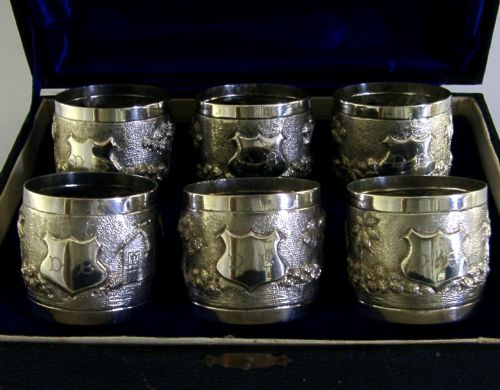
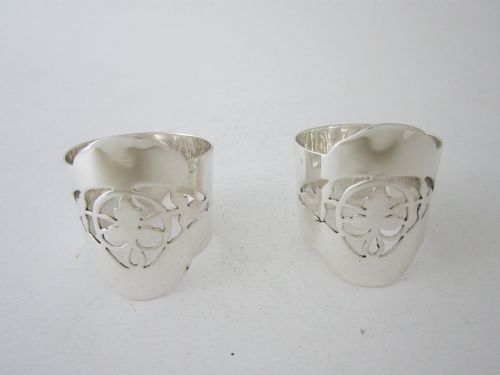
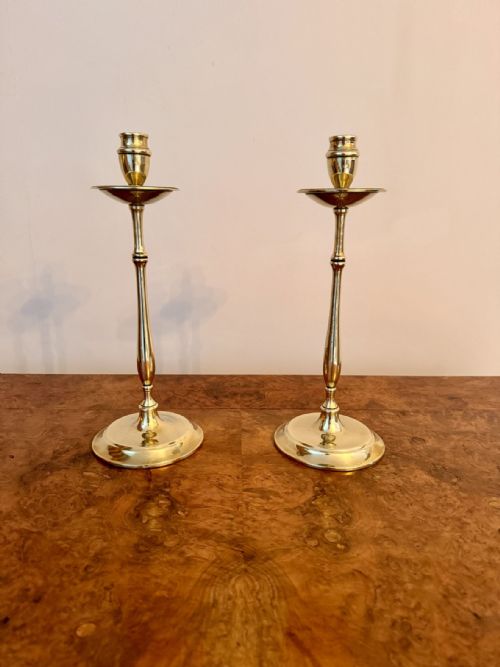
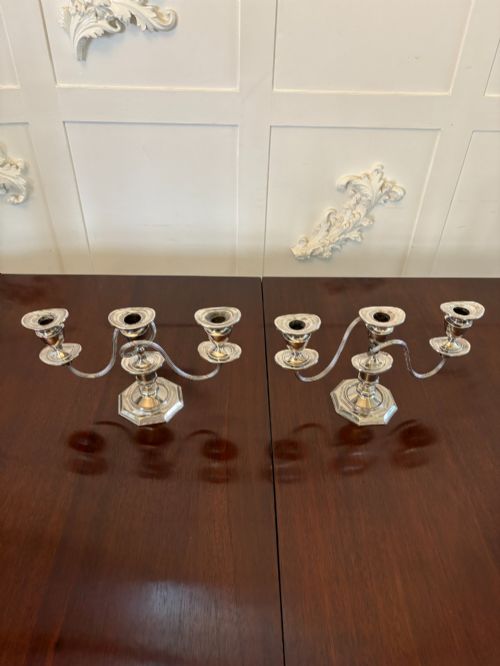
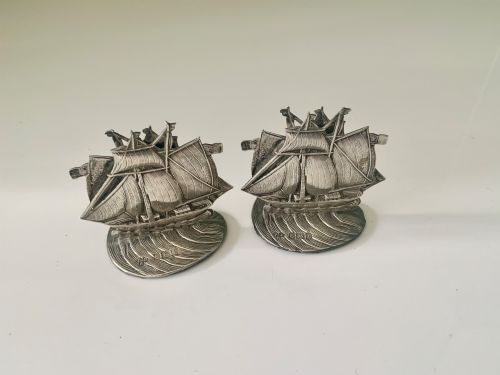
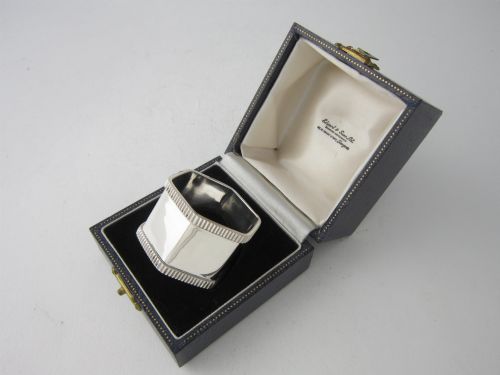
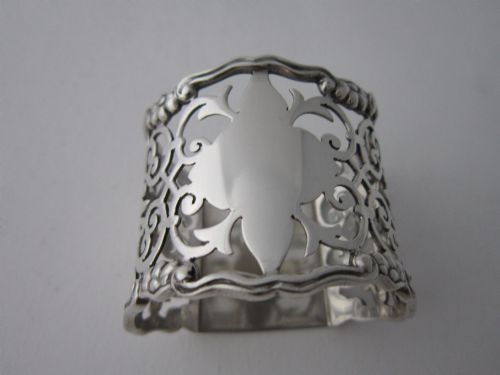
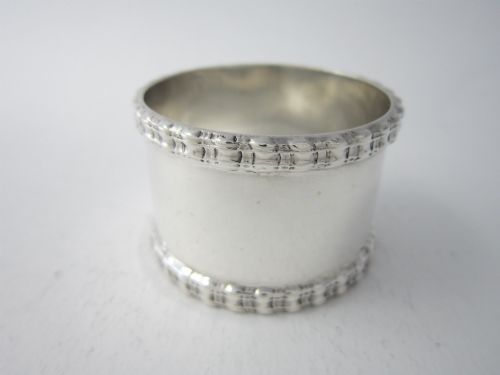
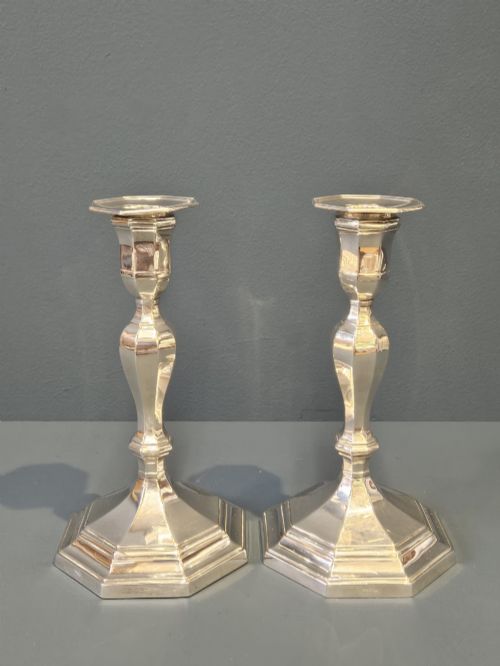
Napkin rings, candlesticks, and menu holders dominate the forms seen on this page, often appearing in matched pairs or cased sets. These pieces originate from periods including the Georgian, Victorian, Edwardian, and mid-twentieth century.
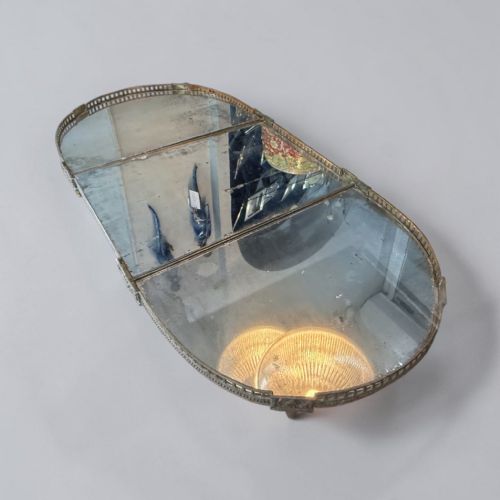
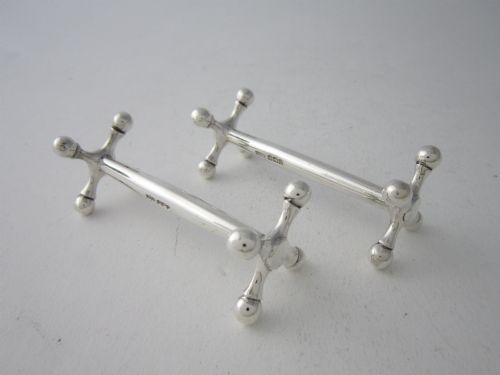
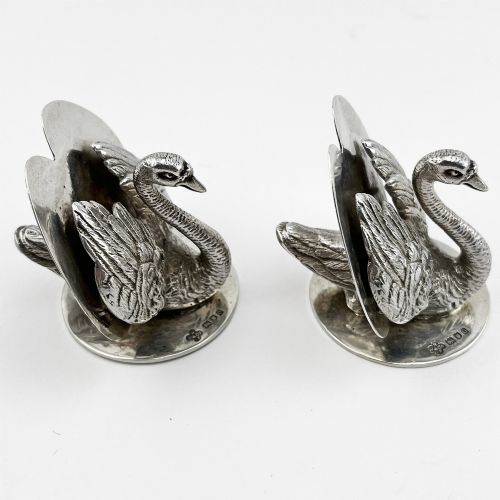
Specialised items such as knife rests, place card holders, and table centrepieces also emerge regularly within this selection. Items span English, French, and Continental origins, incorporating diverse historical design revivals.
Materials and construction methods
Sterling silver, silver plate, and electroplated nickel silver form the primary metal palette of these dining accessories. Makers also utilised brass, pewter, and old Sheffield plate for structural rigidity and varied surface textures.
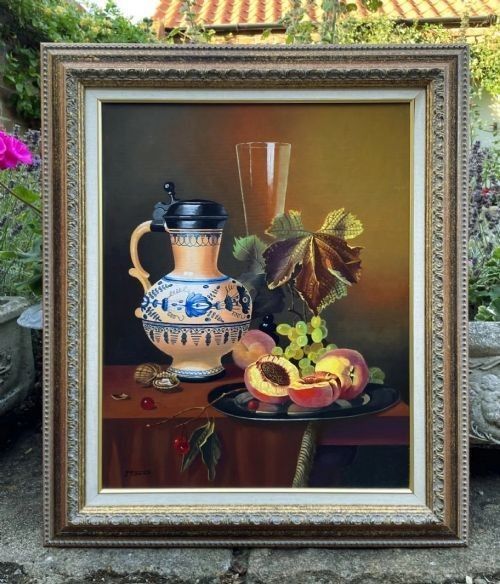
Pieces frequently combine metals with organic materials such as mother-of-pearl or textiles like velvet, silk, and leatherette for presentation cases. Items like menu holders and oil paintings additionally incorporate enamel work and canvas supports.
Manufacturing techniques range from traditional hand-forging and solid casting to detailed silver-stamping and applied ornamentation. Many metal items carry specific hallmarking denoting town, maker, and year of creation.
Vintage Dining Decor Retail Price Guide 2026
Typical asking prices for vintage dining decor among the pieces listed under this phrase on Sellingantiques today, from the lower quarter to the upper quarter. They describe what is for sale here now, not the wider market.
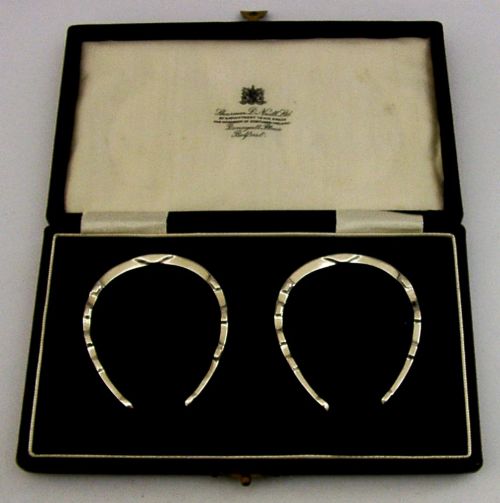
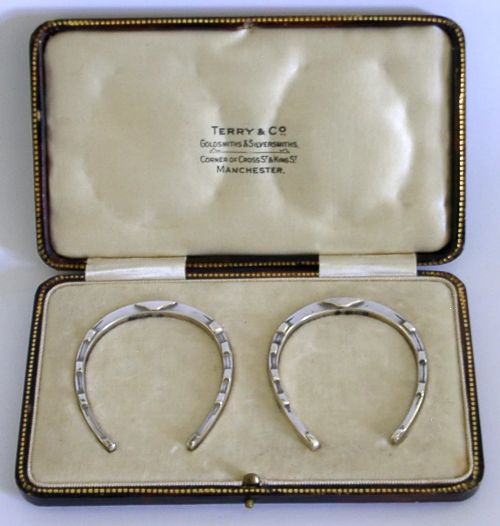
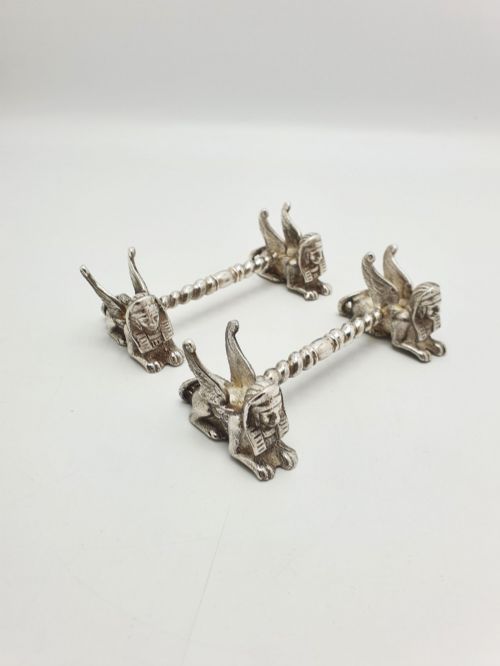
Several dining accessories take the playful form of tiny standing fighting cockerels, sphinxes, and miniature horseshoes.
Distinctions in craftsmanship and origin
Quality rests heavily upon the crispness of cast details, particularly on figural pieces shaped as animals, sphinxes, or horseshoes. Crisp relief work distinguishes superior items from softer, commercially mass-produced alternatives.
The presence of original fitted presentation cases and complete sets elevates the standing of silverware and knife rests. Maker marks from established silversmiths provide firmer validation of provenance than unmarked items.
Metal thickness and structural weight dictate durability, especially in frequently handled items like napkin rings and candlesticks. Heavy gauge sterling silver maintains its form and surface integrity far better than thin electroplate.
Mappin and Webb·Thomas Bradbury and Sons·Elkington·Liberty
The Vintage Dining Decor Glossary
- Sterling silver
- A silver alloy containing 92.5 percent pure silver by mass, standard for British dining silver.
- Electroplated nickel silver
- A base metal alloy of copper, nickel, and zinc coated with a thin layer of pure silver.
- Old Sheffield plate
- An early fused plating method sandwiching a layer of copper between two sheets of silver.
- Menu holder
- A small upright display stand traditionally placed on dining tables to hold handwritten menu cards.
- Knife rest
- A small horizontal support designed to keep soiled cutlery elevated above the tablecloth between courses.
- Oeufrier
- A specialised French tabletop cooking or serving vessel designed specifically for eggs.
Vintage Dining Decor: Frequently Asked Questions
What is vintage dining decor?
Vintage dining decor comprises decorative and functional metalware items used to adorn dining tables during past centuries.
Items range from silver napkin rings and candelabras to specialised place card holders and menu stands.
How were silver napkin rings used?
Silver napkin rings were allocated to individual family members or guests to identify their linen napkins between weekly washes.
They frequently appeared in matched sets or fitted presentation boxes for formal dining.
How do I date silver items?
English silver items typically carry hallmark stamps indicating the assay office, standard mark, and a date letter.
Comparing these punches against standard tables reveals the exact year of manufacture.
What are knife rests for?
Knife rests keep the blades and handles of carving or dining knives elevated above the tablecloth.
This prevents food residue from staining fine linen between successive courses of a meal.
Are these pieces made of solid silver?
Listings feature a mix of solid sterling silver alongside silver-plated brass, pewter, and nickel silver.
Items described as sterling silver contain a high purity standard, whereas plated items feature a precious metal coating.