



Vintage Diamond Cluster Pin
A vintage diamond cluster pin brings together clustered gemstones and precious metal from the Georgian, Victorian, Edwardian, and Art Deco periods.
Vintage Diamond Cluster Pin
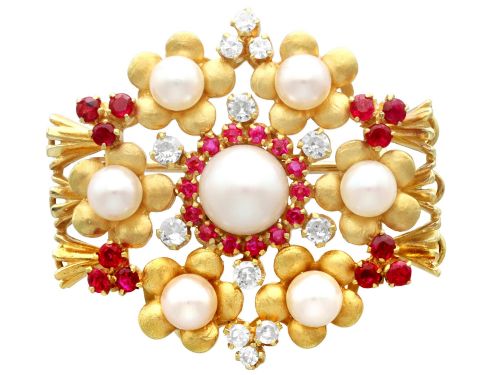
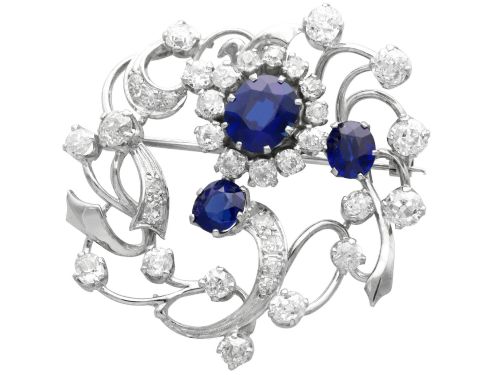
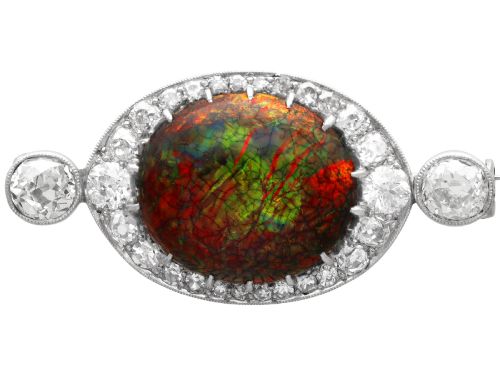
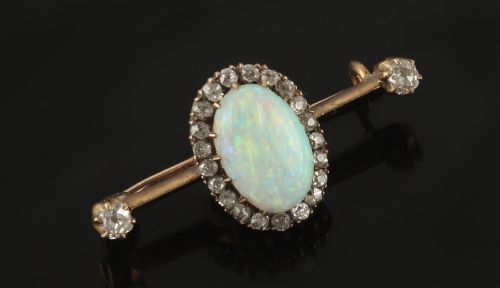
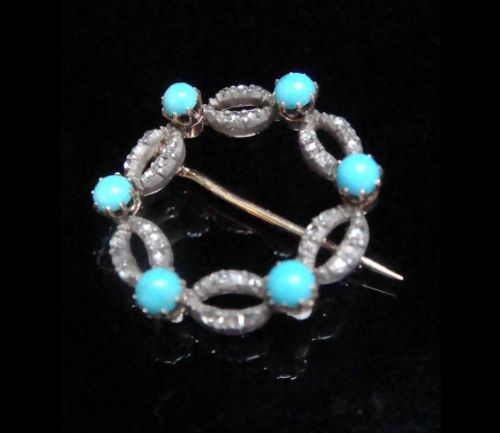
The selections available span multiple eras, including Georgian, Victorian, Edwardian, and Art Deco designs. You will encounter pieces shaped as floral motifs, stars, crescents, and bar brooches, utilising metals such as gold, silver, and platinum.
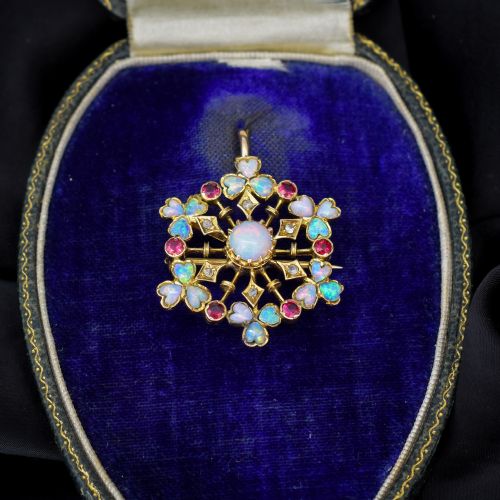
Earlier examples bring organic forms and coloured gems like rubies, sapphires, opals, and turquoises into the cluster arrangement. Later twentieth-century versions lean towards geometric platinum and white gold settings that maximise the visual impact of the stones.
Materials and construction methods
The construction of these pieces relies on combinations of precious metals including platinum, silver, and various karats of yellow, white, and rose gold. Silversmiths and jewellers often set diamonds in silver atop gold backings in older items to enhance the brilliance of the stones.
Gemstone selection defines the character of each cluster, pairing diamonds with rubies, sapphires, opals, turquoise, amethysts, and pearls. Artisans shaped these materials into intricate floral sprays, symmetrical stars, and sweeping curves using period-appropriate hand-working techniques.
The inventory encompasses periods from the eighteenth-century Georgian era through Victorian, Edwardian, and Art Deco styles.
Judging the range of quality
Quality in these pieces rests on the harmony of the stone arrangement and the refinement of the metalwork. Superior examples display balanced proportions between the central diamonds and any surrounding coloured gems, with secure and precise setting techniques.
The grade of materials also dictates the standing of a piece, from substantial platinum and high-carat gold mountings down to lighter nine-carat or silver-topped constructions. The integrity of the original settings and the absence of altered components separate standard items from finer survivals.
The Vintage Diamond Cluster Pin Glossary
- Cluster pin
- A brooch featuring a central grouping of gemstones tightly arranged together. This format directs visual weight to the middle of the design.
- Platinum
- A dense, durable white metal utilised extensively in twentieth-century jewellery fabrication. It allows for delicate yet strong metal claws around stones.
- Silver-topped
- A technique where a thin layer of silver faces the front of a gold item to make diamonds appear whiter. This method is common in older Georgian and Victorian items.
- Flat cut
- A style of gemstone faceting featuring a flat top surface rather than a traditional pointed crown. It appears frequently in earlier Georgian pieces.
- Bar brooch
- A slender horizontal metal pin format often centered with a decorative cluster. It represents a standard styling choice across the Victorian period.
Vintage Diamond Cluster Pin: Frequently Asked Questions
How do I wear a vintage cluster pin?
Pin these items securely onto heavy fabrics like wool coats, structured lapels, or thick scarves to support their weight. Some multi-functional pieces also incorporate loops to transform the brooch into a pendant.
Ensure the safety catch functions correctly before fastening the piece to valuable garments. Storing them flat in dedicated boxes prevents the pin stems from bending.
How can I tell an Edwardian pin from an Art Deco one?
Edwardian pieces tend to utilise yellow gold, silver, and organic motifs like flowers, stars, and crescents. Their construction often feels lighter and incorporates intricate filigree work.
Art Deco items shift towards geometric symmetry, platinum, and white gold settings with clean lines. They favour structured abstract shapes rather than the naturalistic garlands of the Edwardian era.
What gemstones are found alongside diamonds?
Sapphires, rubies, opals, turquoises, amethysts, and pearls frequently accompany diamonds in these clusters. Natural opals and Thai rubies appear in nineteenth-century designs.
Pink sapphires and tourmalines are typical companions in later platinum pieces from the twentieth century. These coloured stones provide contrast to the brilliance of the surrounding diamonds.
Are these pieces suitable for daily use?
Daily wear is possible if you handle older antique pins with care and avoid exposing delicate gems like opals or pearls to harsh conditions. Secure clasps help prevent accidental loss during regular activity.
Items from the nineteenth century require gentleness due to their age and historical setting techniques. Storing them away from harder jewellery pieces prevents unnecessary surface scratching.