


Silver and Gold Brooch
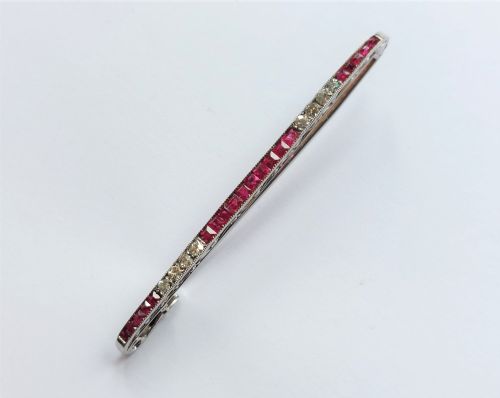
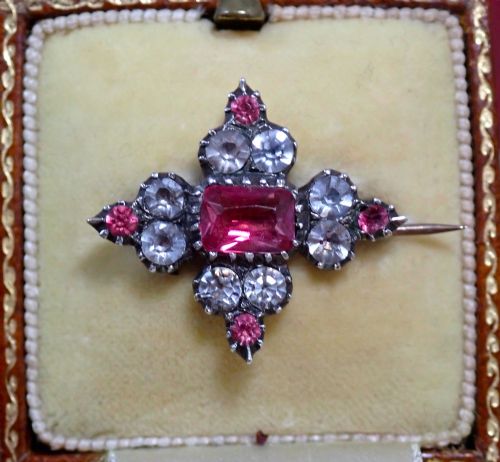
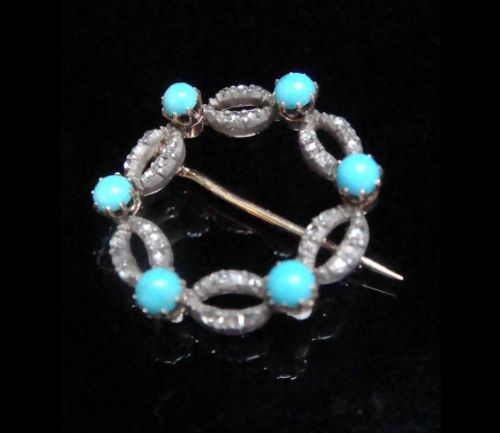
When you search for a silver and gold brooch, you encounter pieces combining mixed metals to mount diamonds, rubies, and enamel.
Silver and Gold Brooch
A silver and gold brooch combines two distinct precious metals, typically utilising a silver face to hold diamonds securely in settings while gold provides a warm structural backing to protect clothing. This dual-metal technique prevents the tarnishing common to exposed silver garments and maintains the structural strength required for pins.
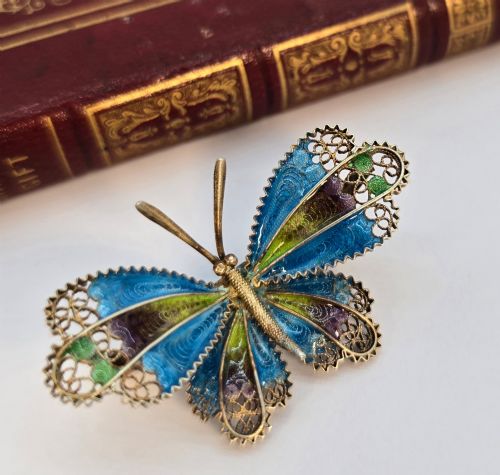
The pieces on this page span Victorian, Edwardian, and Art Deco periods, encompassing floral sprays, celestial starbursts, and insect motifs like butterflies and dragonflies. Buyers frequently meet starburst designs set with old-cut diamonds alongside bar brooches featuring coloured stones.
Many examples function as convertible pieces, operating simultaneously as pendants through hidden bails or transforming into tiaras. This versatility reflects the changing social demands of the nineteenth and early twentieth centuries.
Materials and construction
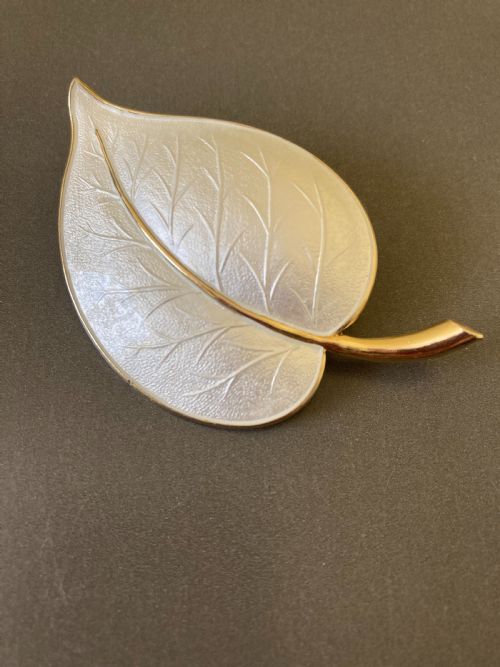
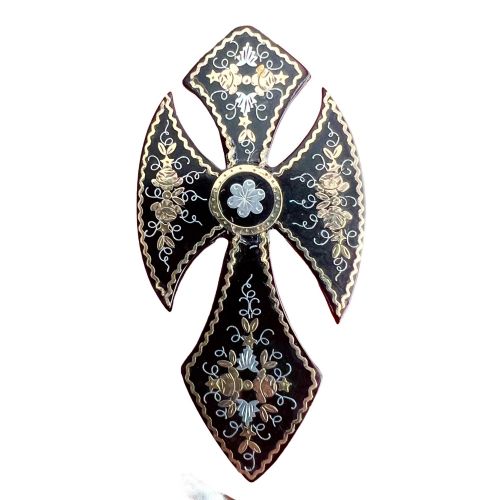
Craftsmen combined silver with various carats of gold, platinum, and silver gilt, frequently mounting stones over closed foils or backings to enhance the brilliance of early diamonds and paste. Enamel work and piqué inlay using tortoiseshell also appear across the selection.
Goldsmiths utilised prong, collet, and pavé settings in silver to position diamonds and rubies close together, hiding the metal beneath stones to maximise sparkle under candlelight.
Backings were constructed from yellow gold or white gold to ensure durability, soldered firmly to the silver upper tiers where intricate piercing and repoussé decoration took place.
Listings feature Victorian and Edwardian examples incorporating silver, gold, platinum, diamonds, rubies, sapphires, and enamel.
What separates the finest examples
Quality depends upon the precision of the stone setting and the subtlety of the metalwork, where hand-pierced gallery frames and balanced gemstone proportions elevate a piece far above standard production. The crispness of foliate engraving and the integrity of enamel surfaces indicate superior workshop output.
Original fastenings, secure pin hinges, and intact convertible fittings demonstrate careful preservation and superior initial manufacture. Pieces retaining their structural rigidity without solder repairs represent the pinnacle of surviving examples.
Aksel Holmsen·Marius Hammer·Gustav Gaudernack
The Silver and Gold Brooch Glossary
- Silver Gilt
- Silver that has been coated with a thin layer of gold, often providing a warm golden hue to the exterior while retaining a silver base. This technique was frequently applied to decorative chatelaines and novelty items.
- Piqué Work
- A method of inlaying tiny points or patterns of gold and silver into organic materials such as tortoiseshell. It appears frequently on Victorian butterfly and geometric designs.
- Old European Cut
- An early form of brilliant-cut diamond characterised by a small table, heavy crown, and open culet. These stones display distinct facet patterns under magnification.
- Paste
- Hand-cut glass or lead crystal used as a gemstone substitute in antique jewellery. High-quality paste was carefully foiled to reflect light.
- Giardinetti
- A jewellery motif translating to little garden, depicting flowers arranged within a small vase or basket. These pieces often incorporate multi-gem stones.
Silver and Gold Brooch: Frequently Asked Questions
How do I wear a convertible pendant brooch?
Convertible pieces feature a fold-down loop or detachable bail on the reverse side that allows the mount to slide onto a chain. When worn as a brooch, the fitting tucks neatly behind the main body.
Ensure the pin clasp fastens securely before attaching the item to heavier fabrics to prevent loss during movement.
Why did makers combine silver and gold?
Silver was chosen for the front surface because its bright white colour enhanced the appearance of diamonds and masked the yellow tint of early stones. Gold provided the necessary strength and prevented the silver from soiling clothing.
This dual-metal practice diminished as platinum gained popularity in Edwardian workshops.
How can I distinguish Victorian from Edwardian pieces?
Victorian examples often display heavier yellow gold backing, dark patination, and naturalistic motifs like starbursts, insects, and foliate sprays. They frequently utilise closed-back settings for gems.
Edwardian designs tend to incorporate platinum, lighter yellow or white gold, and delicate lace-like openwork settings with millegrain edges.
What is piqué work?
Piqué work involves embedding tiny pins and strips of gold and silver into a tortoiseshell base to create intricate floral or geometric patterns. Artisans heated the metal pins before pressing them into the softened organic material.
This technique requires careful handling to protect the tortoiseshell from drying out and cracking over time.