





Vintage Dessert Glasses
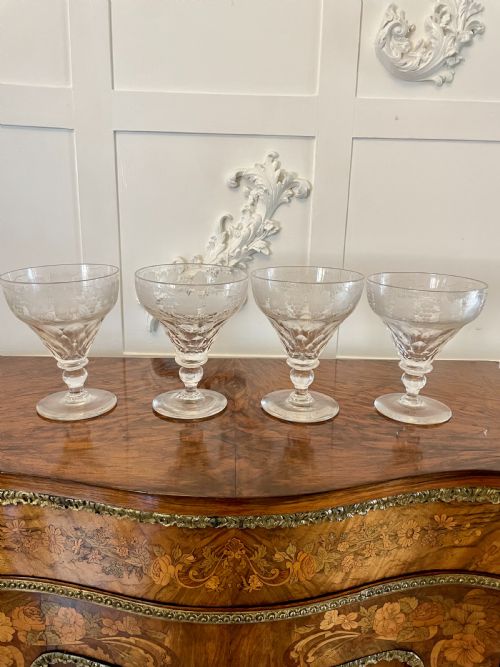
These vintage dessert glasses bring genuine Victorian and Art Deco character to the table.
Vintage Dessert Glasses
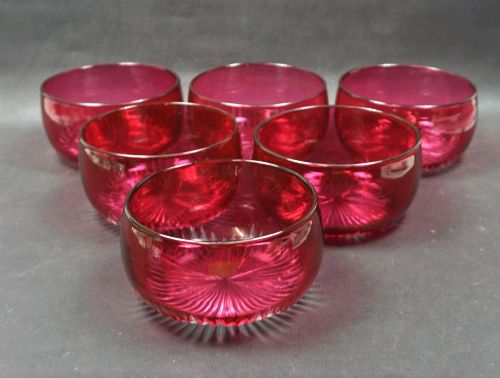
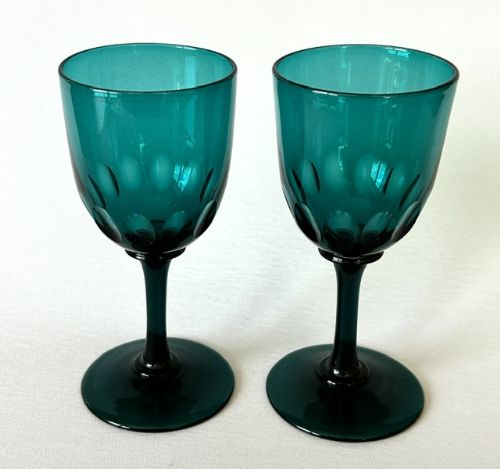
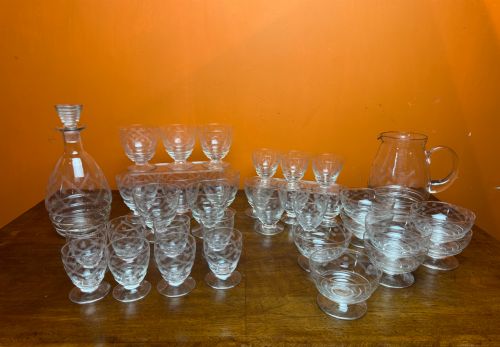
When you search for vintage dessert glasses, you encounter a varied selection of nineteenth-century and twentieth-century tableware designed for serving sweets, jellies, custards, and wines after a meal. The pieces on this page span several distinct eras, from early Victorian cut glass custard cups to French Art Deco drinking suites.
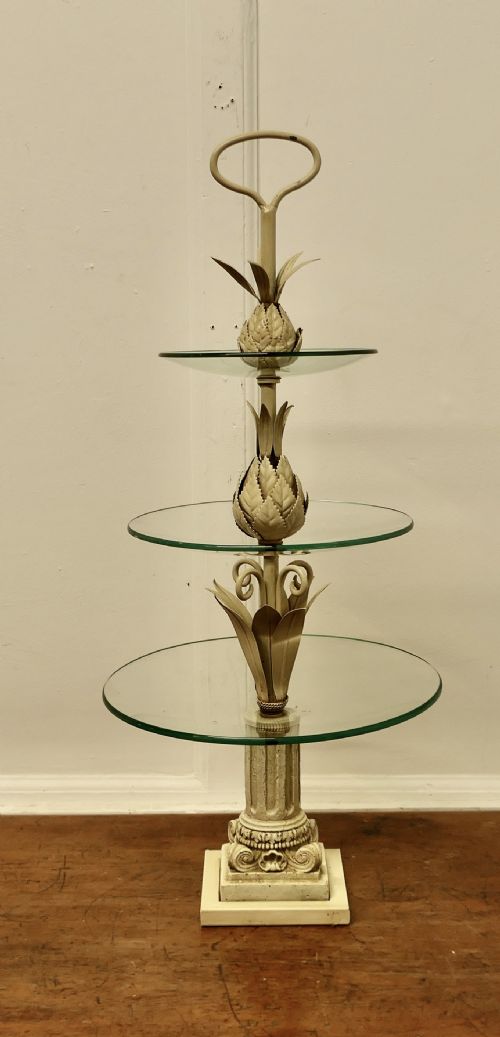
The assortment includes specialised forms such as finger bowls, ice plates, jelly glasses, and champagne coupes alongside larger serving ewers and display stands. Clear glass, lead crystal, and coloured glass predominate, accompanied by silver plate and brass elements.
Victorian examples often feature etched or engraved decoration, while later twentieth-century items embrace styles ranging from Grand Regency to Mid-Century Modern and Hollywood Regency.
Materials and construction methods
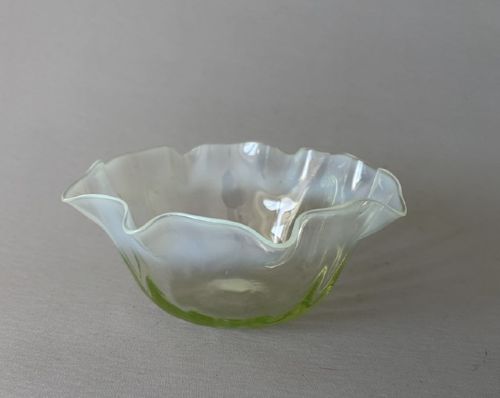
The glassware relies on traditional techniques including free blowing and heavy cutting into clear or coloured crystal. Specialised types utilise uranium and vaseline glass for vibrant green tones, or layered glass overlays such as red over crystal.
Metal components incorporate cast and polished brass alongside silver plate for mounts, stands, and serving jugs. Engraved and etched motifs are applied by hand to bowls and stems, accompanied by pierced metal accessories.
Vintage Dessert Glasses Retail Price Guide 2026
Typical asking prices for vintage dessert glasses among the pieces listed under this phrase on Sellingantiques today, from the lower quarter to the upper quarter. They describe what is for sale here now, not the wider market.
Some nineteenth-century dessert wine glasses secretly glow bright green under ultraviolet light due to their uranium content.
Assessing quality and craftsmanship
Quality rests upon the crispness of the hand-engraved or cut decoration and the weight of the crystal. Superior sets demonstrate uniformity across multiple matching pieces, whether in the depth of the wheel-cut facets or the clarity of the coloured glass.
The integration of secondary materials such as silver plate and brass also marks the tier of a piece, distinguishing standard utility tableware from elaborate display items.
Whitefriars·Aldo Tura
The Vintage Dessert Glasses Glossary
- Finger bowl
- A small bowl filled with water used for rinsing fingers between courses. These are frequently found in matching sets from the Victorian period.
- Custard cup
- A small, handled or unhandled vessel used for serving individual portions of custard or cream. They often feature heavy cut glass walls.
- Champagne coupe
- A shallow, broad-bowled stemmed glass originally designed for sparkling wine. Vintage examples often display detailed wheel engraving.
- Vaseline glass
- Glass produced using uranium dioxide to impart a yellowish-green colour. It glows brightly under ultraviolet light.
- Ice plate
- A flat glass dish designed to hold crushed ice beneath a dessert or fruit course. These plates are typically heavy free-blown crystal.
Vintage Dessert Glasses: Frequently Asked Questions
What are custard cups used for?
Custard cups were designed to serve individual portions of rich dairy desserts and jellies at the conclusion of a formal meal. Their sturdy walls and compact sizes made them practical for table service.
Today, collectors utilise these small vessels for serving sauces, holding small items, or as part of a varied table setting featuring antique glassware.
What is a finger bowl?
A finger bowl is a small, bowl-shaped vessel traditionally placed before diners after a heavy or messy course. Guests would dip their fingertips into the water to refresh.
In modern settings, these versatile glass bowls function well for serving small desserts, floating decorative flowers, or displaying small collections.
How should I care for antique glass?
Antique glass requires gentle hand washing in lukewarm water with a mild detergent. Avoid sudden temperature changes to prevent thermal shock and cracking.
Store pieces securely on stable surfaces, and keep metal stands or silver-plated mounts polished with appropriate non-abrasive cleaners.