






Vintage Desktop Cabinet
A vintage desktop cabinet offers compact storage for correspondence, collections, and valuables, bringing period craftsmanship directly to the work surface.
Vintage Desktop Cabinet
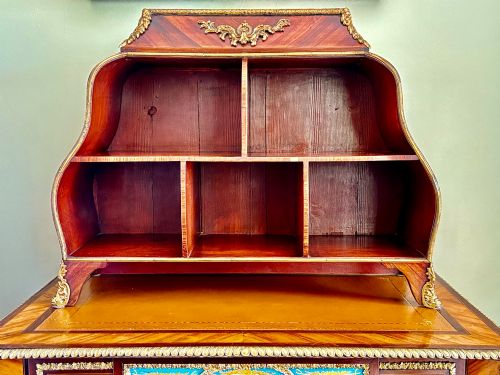
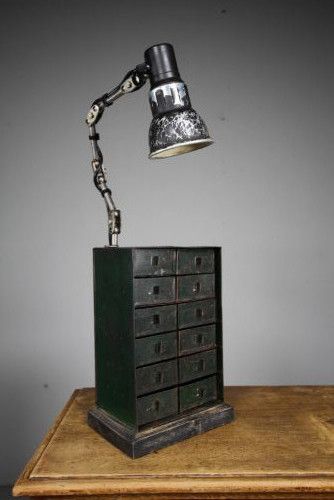
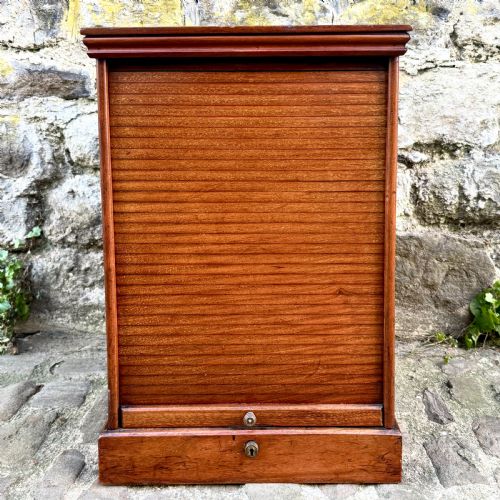
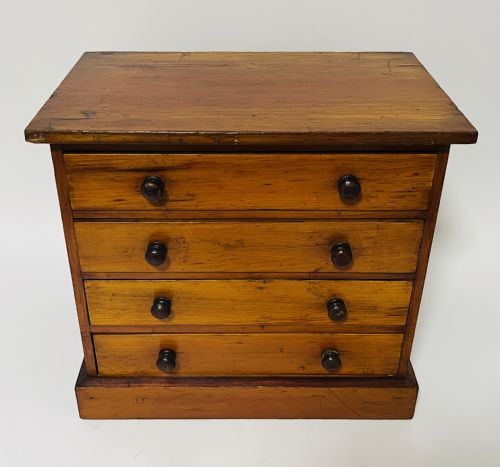
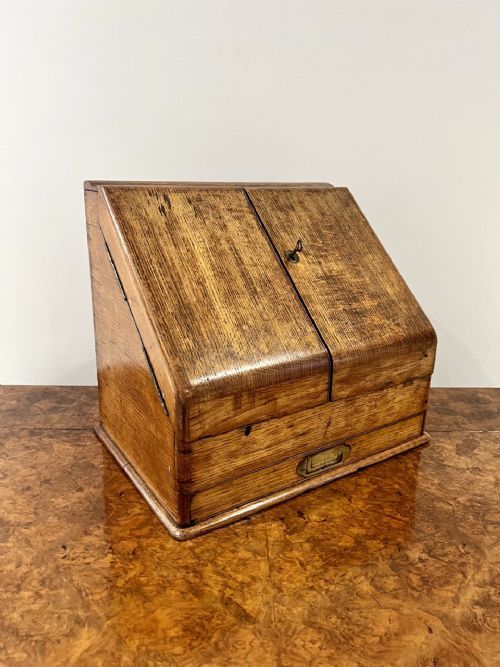
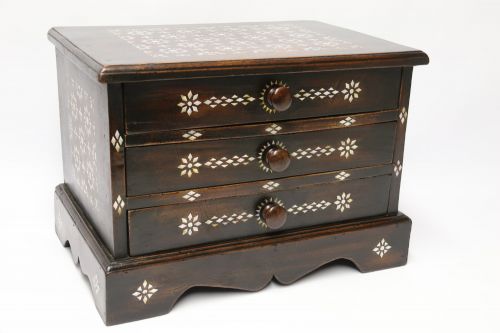
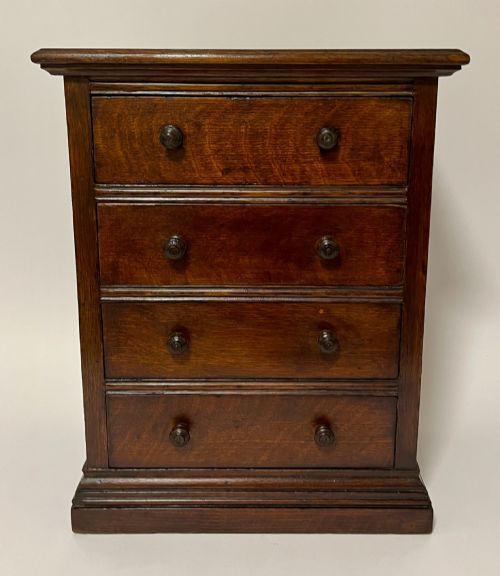
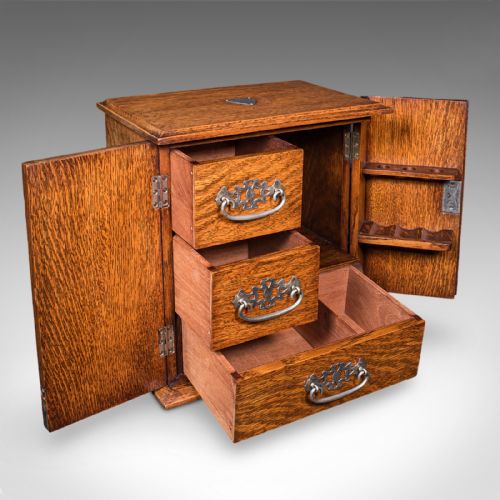
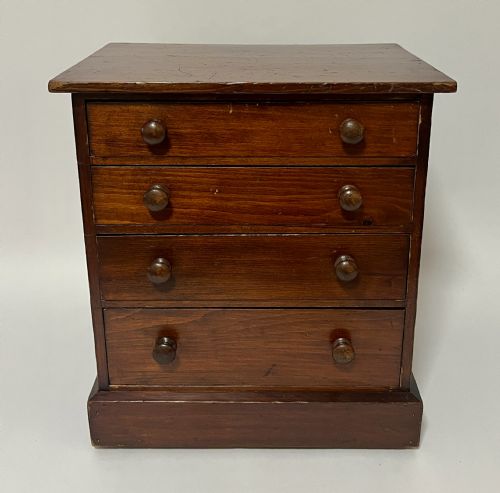
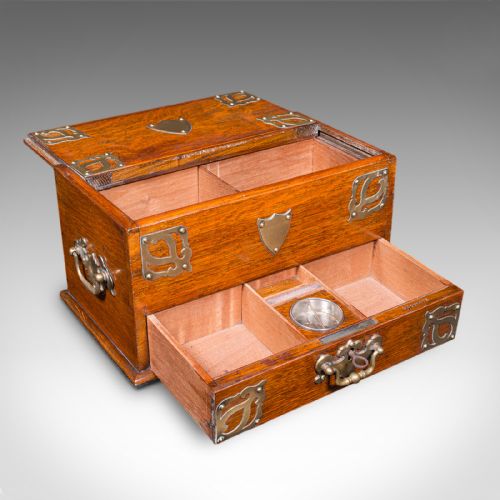
A vintage desktop cabinet encompasses a diverse group of small-scale furniture designed for tabletop use, originating primarily from the Victorian and Edwardian eras. Buyers encounter varied forms on this page, ranging from stationery boxes and letter boxes to cigar humidors and miniature chests of drawers.
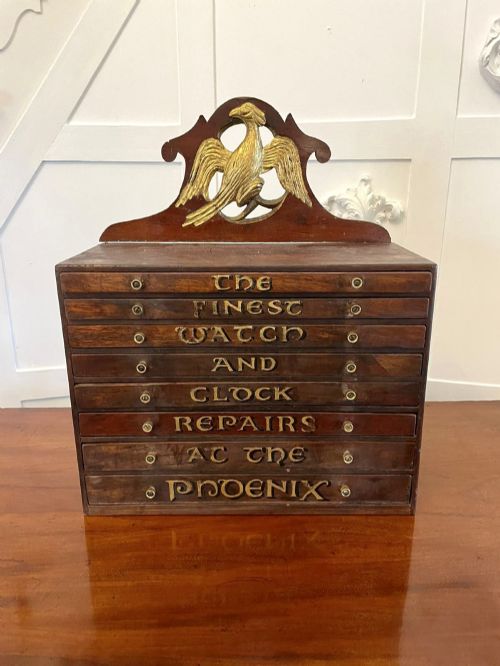
Specialised examples span watchmaker's chests, florist's seed chests, filing cabinets, and collectors' cabinets, reflecting the specific organisational needs of past decades. Materials such as oak, mahogany, walnut, and pine predominate across these functional pieces.
Origins include English workshops, French post office furnishings, and Anglo-Indian production, demonstrating how tabletop storage served both domestic writing desks and commercial counting houses.
Materials and Technique
Cabinet makers utilised dense hardwoods such as oak, mahogany, and walnut alongside fruitwood, rosewood, and satinwood, often selecting figured veneers to enhance visual depth on small surfaces. Pine and deal served for secondary carcases and internal drawer construction.
Metal fittings played an essential role, incorporating brass drop handles, locks, and hinges that secured contents while providing utilitarian contrast to the polished timber bodies. Glass panels appeared on display and shop cabinets to showcase goods or specimens safely.
Joinery methods focused on durability for frequent daily use, employing tight drawer tolerances and dovetailed joints to withstand constant opening and closing in offices, surgeries, and club lounges.
Vintage Desktop Cabinet Retail Price Guide 2026
Typical asking prices for vintage desktop cabinet among the pieces listed under this phrase on Sellingantiques today, from the lower quarter to the upper quarter. They describe what is for sale here now, not the wider market.
Listings feature oak, mahogany, walnut, and pine across stationery boxes, watchmaker's chests, and cigar humidors dating from the Victorian and Edwardian periods.
Markers of Distinction
Quality rests upon the selection of timber and the precision of the cabinet work, where figured veneers and tightly grained hardwoods elevate a piece above standard utility items made from stained pine or deal. The integration of original brass hardware, working locks with keys, and fitted interiors indicates superior manufacture.
D Napier & Sons·Manoah Rhodes & Sons Ltd·Short & Mason·Alfred Dunhill
The Vintage Desktop Cabinet Glossary
- Humidor
- A cabinet or box designed to store cigars at a regulated humidity level. These desktop versions often feature fitted cedar interiors.
- Specimen cabinet
- A small piece of furniture fitted with multiple shallow drawers for storing natural history samples, insects, or geological objects.
- Stationery box
- A desk accessory with internal slots and partitions specifically designed for writing paper, envelopes, and sealing wax.
- Barograph
- A meteorological instrument that records barometric pressure continuously on a paper chart, frequently housed in a glazed mahogany case with a chart drawer.
- Deal
- A soft timber derived from fir or pine, commonly used for secondary framing and drawer linings in 19th-century cabinet making.
Vintage Desktop Cabinet: Frequently Asked Questions
What is a vintage desktop cabinet used for?
These cabinets served multiple purposes in historical offices, studies, and homes, functioning as secure storage for letters, tobacco, jewellery, and small tools.
Today, owners utilise them on desks and sideboards to organise modern stationery, collectables, and small daily accessories.
How do I identify a Victorian desktop cabinet?
Victorian examples typically feature heavier timber construction in oak, mahogany, or walnut, often complemented by substantial brass handles and locks.
Stylistic cues draw from Georgian and Victorian cabinet-making traditions, favouring rich grain patterns and traditional dovetail joinery.
Were these cabinets made for offices or homes?
Production catered to both environments, with utilitarian filing shelves and doctor's smoking cabinets built for professional rooms and club lounges.
Domestic versions included lady's stationery boxes, jewellery chests, and miniature chests of drawers designed for residential writing desks.
How should I care for a wooden tabletop cabinet?
Protect the polished timber surface by placing the cabinet away from direct heat sources and strong sunlight, which can dry out the wood and fade veneers.
Apply a natural wax polish occasionally to maintain the sheen and nourish the historic finish without building up residue.