


Vintage Desktop Book Rack
A vintage desktop book rack keeps your working volumes orderly, bringing timber character and period craftsmanship straight to the surface of a writing table.
Vintage Desktop Book Rack
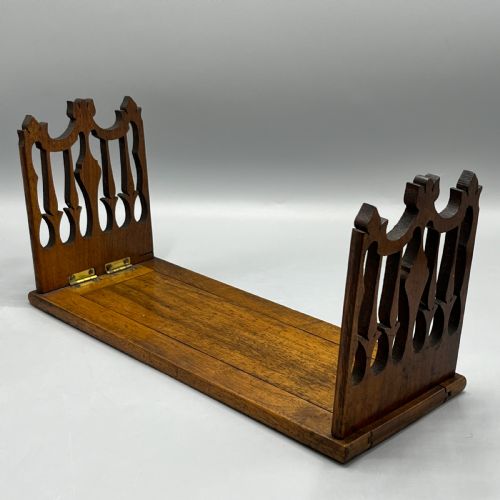
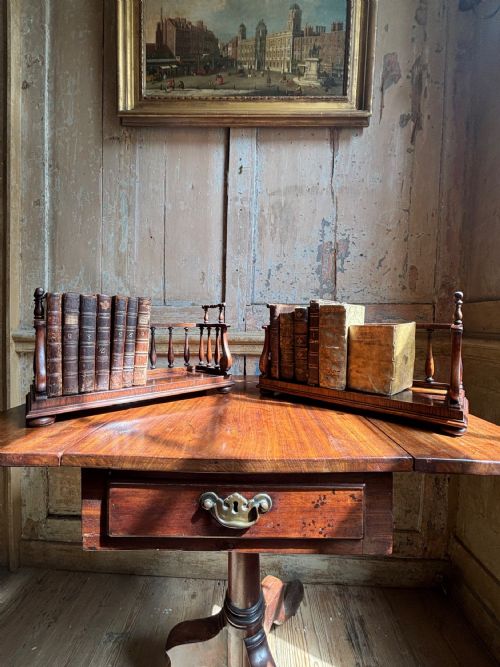
When you search for a vintage desktop book rack, you encounter a practical library accessory designed to hold small collections of volumes within arm reach. The listings here present diverse forms, including extending book slides, stationary troughs, revolving stands and compact desktop bookcases.
The examples originate across the nineteenth and twentieth centuries, spanning the Victorian and Edwardian eras through to the Art Deco period. Common formats incorporate expanding scissor mechanisms or hinged wooden ends that adjust to accommodate varying numbers of texts.
How they were made
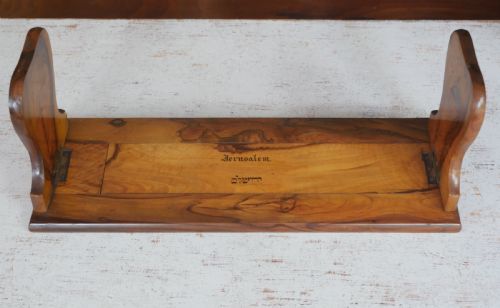
Cabinetmakers utilised dense hardwoods such as oak, walnut, mahogany and rosewood, often selecting burr walnut veneers for decorative figuring. Olive wood, teak and Tunbridge ware embellishments appear on regional and specialised pieces.
Many items incorporate functional metalwork, utilising brass mounts, hinges and extending actions alongside inset porcelain plaques or finely carved wooden detailing.
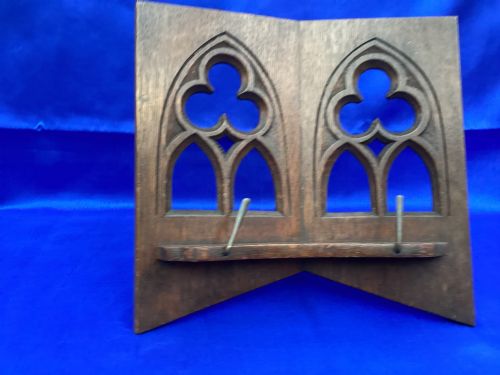
Recorded styles include Victorian, Edwardian, Art Deco, Gothic Revival, Anglo-Indian, Italian Rococo and William IV.
What varies in quality
The standard of construction depends upon the joinery methods and the choice of timber figure, where selected veneers and solid hardwoods demonstrate superior workshop execution. Finer pieces integrate decorative elements like hand-painted porcelain plaques or intricate carving without compromising structural integrity.
Mechanical components differentiate standard utilitarian items from exceptional examples. Smooth operation in extending slides and balanced rotation in revolving models indicate precise initial fitting of brass hardware and internal actions.
The Vintage Desktop Book Rack Glossary
- Book slide
- A desktop accessory with movable ends that extends to hold a variable number of volumes upright between them. These typically feature wooden platforms paired with brass or fabric concertina mechanisms.
- Book trough
- A fixed-capacity open container designed to sit on a table and support books at an angle for easy reading and selection. They frequently appear in decorative styles such as Italian Rococo or Art Deco.
- Revolving bookcase
- A compact tabletop stand mounted on a rotating pivot that allows users to access titles from multiple angles without shifting the base. This form is particularly associated with Edwardian and later desk accessories.
- Tunbridge ware
- Small wooden objects decorated with intricate mosaics of differently coloured natural timbers forming geometric or pictorial patterns. This specialised technique originated in Kent and appears on nineteenth-century desk pieces.
Vintage Desktop Book Rack: Frequently Asked Questions
How do extending book slides work?
Extending book slides utilise hinged or sliding wooden ends connected by internal or external metal linkages. As the user pushes the ends outward, the base expands to accommodate more volumes.
When pushed inward, the platform shortens to keep smaller collections neatly compressed and upright on the desk surface.
Where were these pieces used?
These accessories sat on writing desks, library tables and parlour surfaces in nineteenth and early twentieth-century homes and offices. They provided immediate access to reference books, ledgers or favourite novels.
Their compact footprints allowed users to keep working volumes close at hand without requiring full-sized freestanding shelving.
How do I care for wooden desk stands?
Maintain the timber surfaces by applying a traditional beeswax polish occasionally to nourish the grain and protect the finish. Avoid placing them in direct sunlight or near heat sources that might dry out the wood or warp extending mechanisms.
Dust regularly with a soft, dry cloth, paying particular attention to carved details and brass mounts.
How do I distinguish Victorian from Edwardian styles?
Victorian pieces often display heavier proportions, dark dense hardwoods like rosewood or walnut, and ornate embellishments such as brass mountings and painted plaques. Gothic Revival and elaborate carving styles predominate in this era.
Edwardian designs tend toward lighter oak constructions, simpler geometric lines, and the introduction of revolving tabletop bookcases reflecting changing interior fashions.