





Vintage Desk Tools
These vintage desk tools are the practical and decorative objects that transform a workspace, ranging from silver letter openers to leather pedestal desks.
Vintage Desk Tools
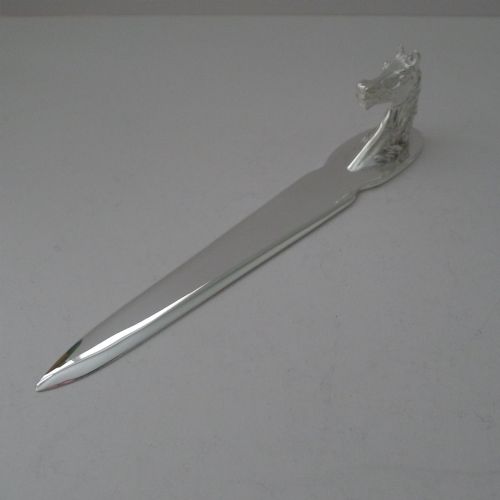
When you search for vintage desk tools, you encounter a diverse collection of items designed for correspondence, organisation, and writing tasks. These objects span from large mahogany pedestal desks with tooled leather surfaces down to small silver novelty pin cushions and letter openers.
The selection on this page relies heavily on items from the Victorian, Edwardian, and Art Deco periods, alongside mid-century pieces. You will find substantial writing tables alongside smaller accessories like magnifying glasses, page turners, and stamp moisteners.
How they were made
The construction of these pieces combines traditional cabinet-making with metalworking and leather craft. Desks utilise solid timbers such as mahogany, walnut, and oak, frequently paired with inset leather writing surfaces that feature gold tooling.
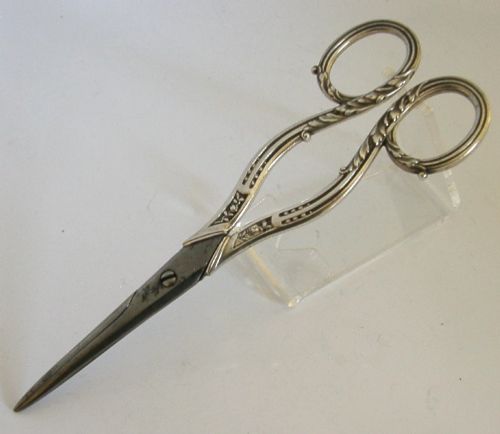
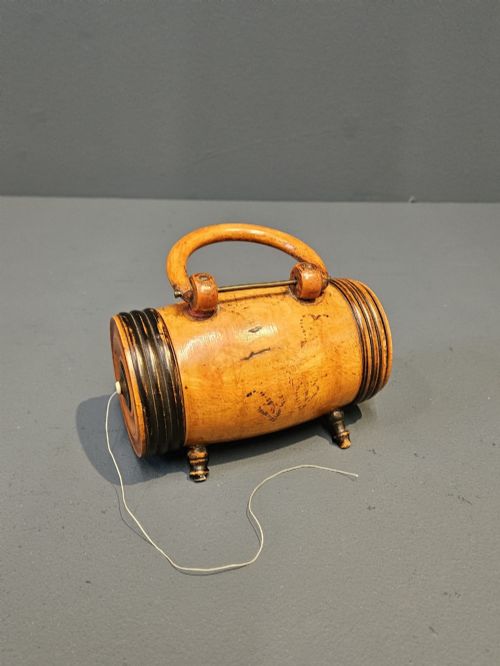
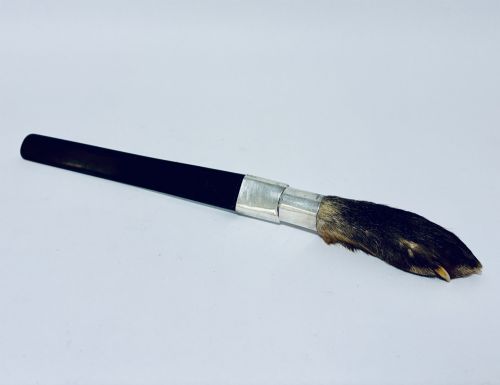
Smaller desk tools demonstrate detailed silversmithing, casting, and guilloché enamelling. Makers incorporated tortoiseshell, steel, celluloid, and carved wood, reflecting the specific functional requirements of the workspace during the nineteenth and early twentieth centuries.
Vintage Desk Tools Retail Price Guide 2026
Typical asking prices for vintage desk tools among the pieces listed under this phrase on Sellingantiques today, from the lower quarter to the upper quarter. They describe what is for sale here now, not the wider market.
The listings feature items spanning the eighteenth century through to the nineteen-fifties, with a strong representation of Edwardian silver and Victorian mahogany.
What varies in quality
Quality in these objects rests upon the crispness of detail in cast silver novelties and the integrity of construction in wooden furniture. Superior pieces retain original finishes, untouched hallmarks, and robust mechanisms without structural compromise.
Finer desk accessories display careful attention to proportions and materials, such as genuine tortoiseshell inserts, precise wood carving, and well-preserved leather tops on writing tables.
Broadway & Co·Asprey·Tiffany & Co·Sampson Mordan & Co·Maple & Co
The Vintage Desk Tools Glossary
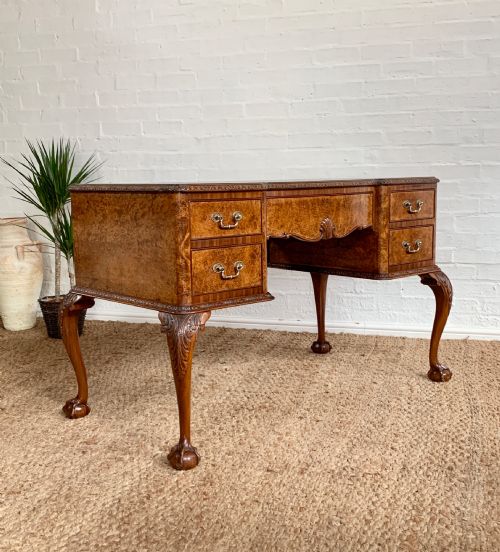
- Pedestal desk
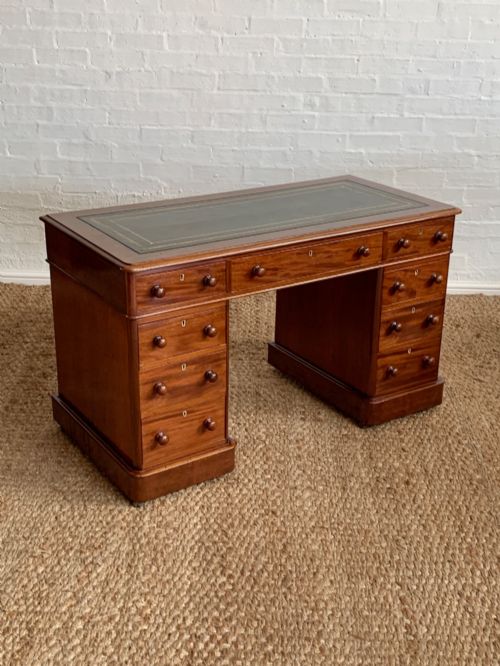
- A large freestanding desk comprising two independent pedestals of drawers supporting a single top. They usually incorporate a tooled leather writing surface.
- Guilloché enamel
- A decorative technique where a precise, intricate pattern is mechanically engraved beneath a translucent layer of enamel. It appears frequently on twentieth-century magnifying glasses and compact desk items.
- Trench art
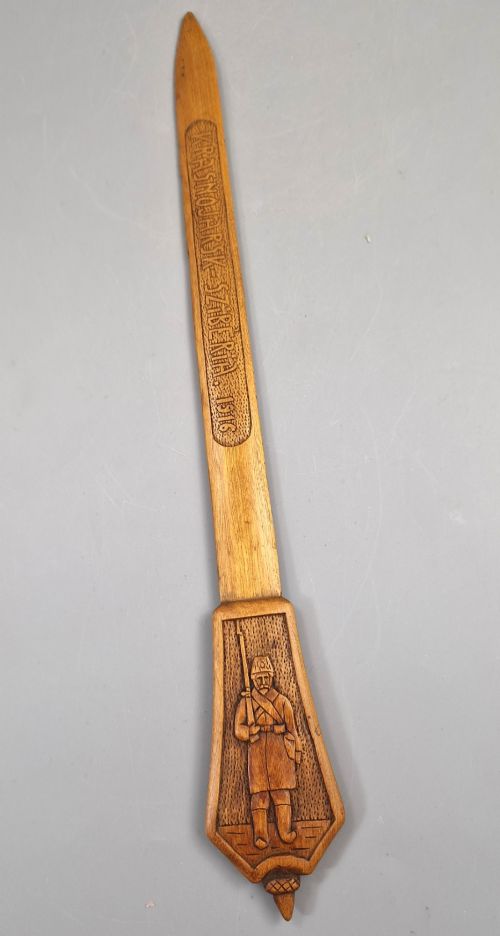
- Objects fashioned from military scrap and debris by soldiers and prisoners of war. Pieces often include carved wooden letter openers dated to the First World War.
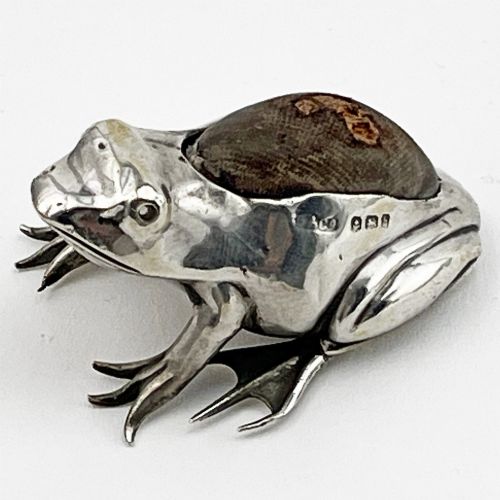
- Novelty pin cushion
- A small pin cushion shaped to resemble animals, vehicles, or everyday objects. Edwardian silversmiths produced these in sterling silver.
- Page turner
- A long, flat implement used to separate the uncut pages of books. They were commonly fashioned from silver, tortoiseshell, or wood during the Victorian and Edwardian eras.
Vintage Desk Tools: Frequently Asked Questions
What counts as a vintage desk tool?
These items include everything required to manage correspondence and paperwork at a workspace. They span large furniture like pedestal desks down to handheld accessories such as letter openers, magnifying glasses, and seal holders.
The selection encompasses items produced across the Victorian, Edwardian, and mid-century eras, made from materials including silver, mahogany, leather, and oak.
How do I care for leather desk tops?
Leather surfaces on writing tables and pedestal desks require gentle cleaning and regular conditioning to prevent drying and cracking. Avoid using harsh chemical cleaners that can strip the original tooling and colour.
Keep these surfaces away from direct sunlight and excessive heat sources. A soft, dry cloth is sufficient for dusting routine workspace environments.
How do I date an antique desk?
Dating relies upon construction methods, timber choices, and hardware styles across different periods. Victorian and Edwardian desks often feature solid mahogany or walnut with hand-dovetailed drawers and traditional locks.
Later twentieth-century pieces incorporate different manufacturing tolerances and modern materials. Hallmarks on integrated silver hardware also provide specific year indicators.
What is a novelty pin cushion?
These are small, decorative items shaped as animals, vehicles, or everyday objects, designed to hold pins on a desk. Edwardian silversmiths specialised in casting these pieces in sterling silver.
Common animal forms include frogs, ducks, foxes, and pigs. They combined decorative appeal with practical utility in the Victorian and Edwardian study.