


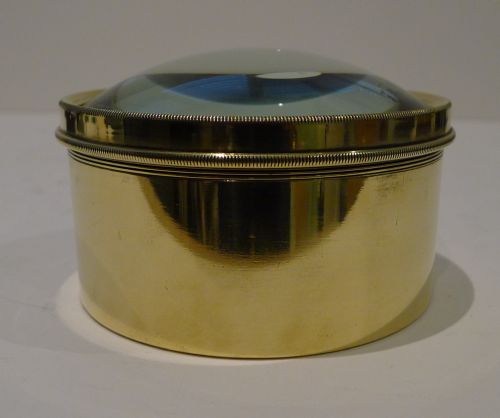


Vintage Desk Lens
A vintage desk lens brings practical magnification and timeless optical design to any writing table.
Vintage Desk Lens
A vintage desk lens is a practical optical instrument and desk accessory designed for reading small text, inspecting maps, or serving as a paperweight. These pieces combine functional glass optics with decorative mounts intended for a library, study, or office table.
Most examples encountered on this page originate from the Victorian and Edwardian eras through to the Art Deco and Mid-Century Modern periods. Forms range from simple brass desk top lenses to folding adjustable models and elaborate handheld readers with precious metal handles.
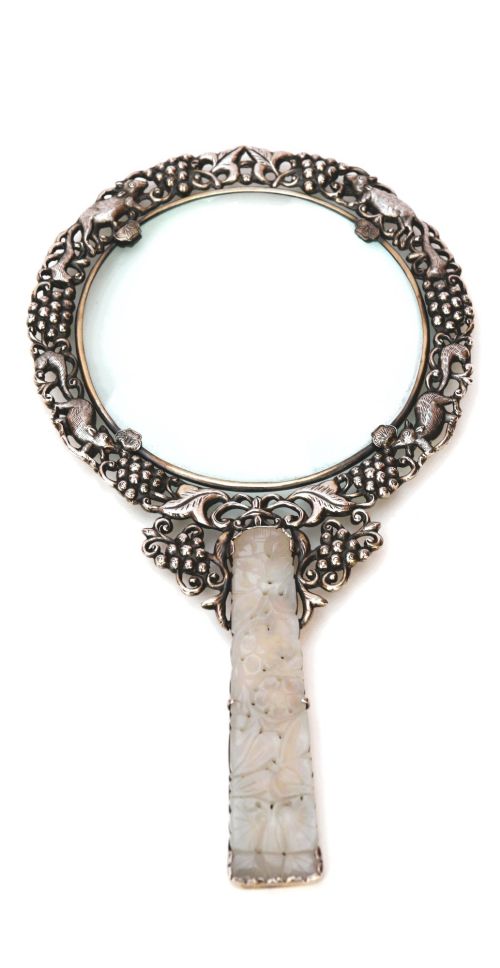
Materials span traditional optical glass set into brass, silver plate, and sterling silver, alongside more tactile substances like shagreen, jade, and ebony. Buyers will find both simple utilitarian desk accessories and high-end signed library aids reflecting distinct historical periods.
Materials and construction
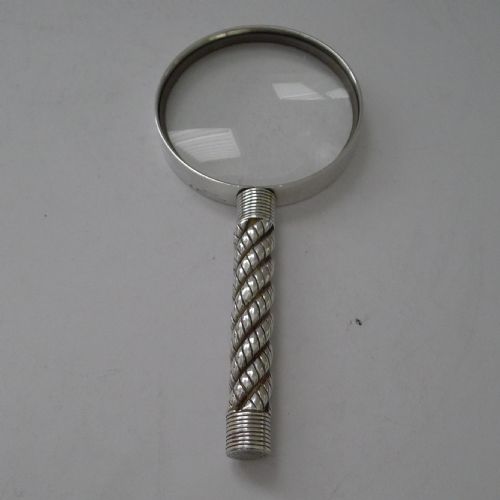
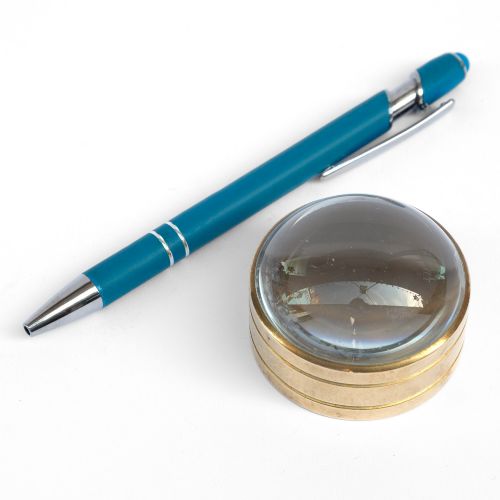
Manufacturers mounted clear optical glass lenses into solid brass frames, sterling silver mounts, or silver-plated housings. Many historical examples incorporate weighted brass bases or pivoting stands to hold the glass at a fixed angle above documents.
Luxury desk accessories from the early twentieth century often utilised exotic materials such as shagreen, jade, and ebony for the handles and bodies. Metals were cast, polished, or marked with assay stamps, while specialised lenses like the Stanhope required precise optical grinding.
Some nineteenth-century readers feature built-in Stanhope lenses designed to reveal hidden microscopic photographs tucked inside the handle.
Judging quality in optical accessories
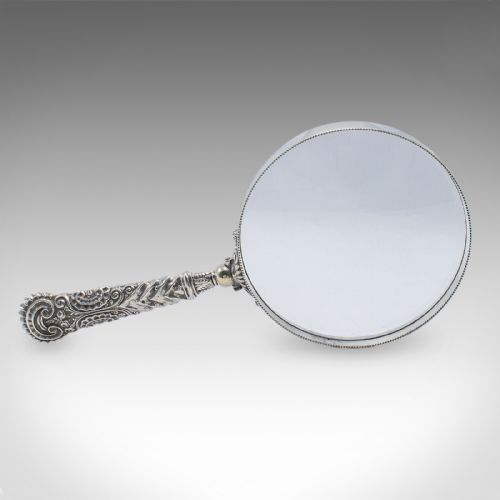
The distinction between standard utility items and top-tier pieces rests on the quality of the materials and the prestige of the maker. Sterling silver mounts and exotic coverings like shagreen elevate an ordinary reading glass into a luxury library object.
Weight, stability, and the clarity of the optical glass separate well-engineered pivoting lenses and heavy paperweight magnifiers from simpler utilitarian versions. Maker marks from established firms and silversmiths further distinguish high-grade pieces.
Hermes Paris·Mappin & Webb·Asprey·Francis West of Fleet Street London·CW Dixey London
The Vintage Desk Lens Glossary
- Desk accessories
- Functional objects kept on a writing table. These include magnifying glasses, paperweights, and inkstands.
- Stanhope lens
- A type of small cylindrical lens that provides high magnification of micro-photographs. It was developed in the nineteenth century.
- Shagreen
- Untanned skin from sharks or rays with a granular surface. Makers applied it to handles and cases during the Art Deco period.
- Pivoting bullseye lens
- A heavy magnifying glass mounted on a swivel stand. It allows the user to direct the focal point across a map or page without lifting the instrument.
Vintage Desk Lens: Frequently Asked Questions
How do I use a vintage desk lens today?
These optical instruments function effectively as reading aids for small print, fine maps, and detailed documents. Many heavier desk models also double as decorative paperweights on a modern desk.
Place the lens directly onto the text or adjust the pivoting stand to the desired height for comfortable viewing. Handle silver and shagreen mounts with care to preserve their historical condition.
What periods do these magnifying glasses come from?
The selection spans several distinct eras, beginning with nineteenth-century pocket and desk optics from the Victorian period. You will also encounter Edwardian pieces, Art Deco designs from the 1930s, and later Mid-Century Modern examples.
Earlier nineteenth-century pieces often feature bone, horn, or silver-plated brass, while the 1920s and 1930s introduced distinct shagreen and geometric Art Deco styling.
Are these lenses made of real silver?
Many of the finer pieces feature hallmarks indicating sterling silver, often originating from assay offices such as Birmingham. Other examples are constructed from silver plate or solid brass.
Examining the mounts for maker marks and silver hallmarks helps determine the exact metal composition used in the handle or frame.
How should I clean a vintage magnifying glass?
Clean the glass lens gently with a soft microfibre cloth and a mild glass cleaner, avoiding abrasive materials that could scratch the historical surface. Metal mounts and silver components require appropriate metal care depending on whether they are plated or solid.
Keep natural materials like shagreen, jade, or ebony away from excessive moisture and harsh chemical solvents to maintain their condition.