
Vintage Desk Lamp Base
A vintage desk lamp base provides the vertical anchor for task lighting, combining period materials and functional design.
Vintage Desk Lamp Base
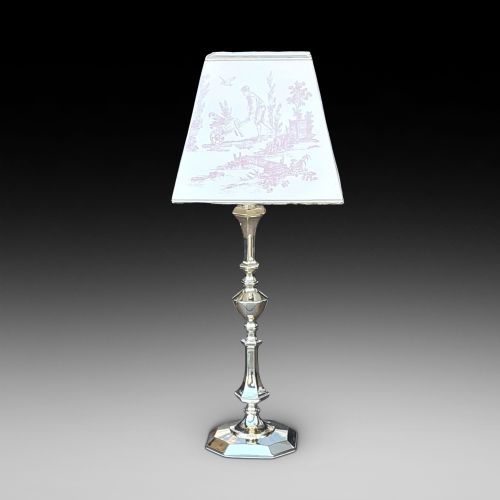
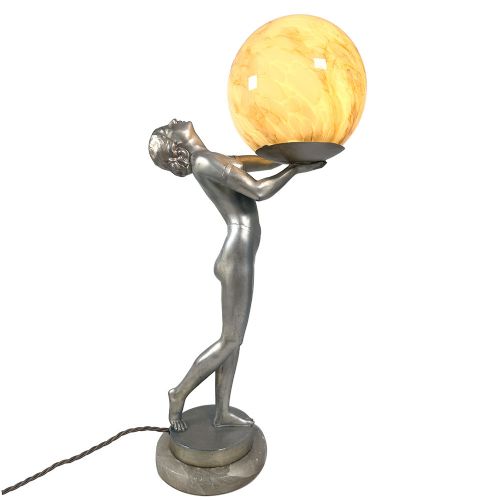
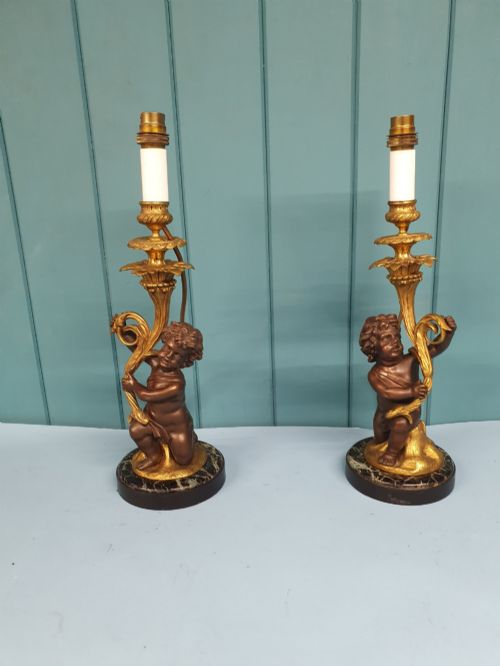
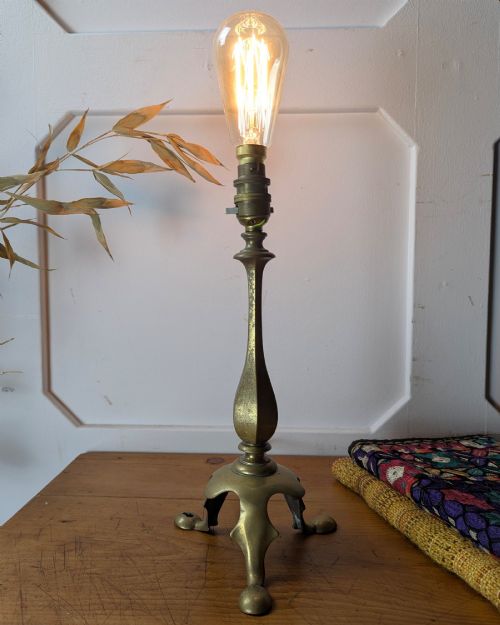
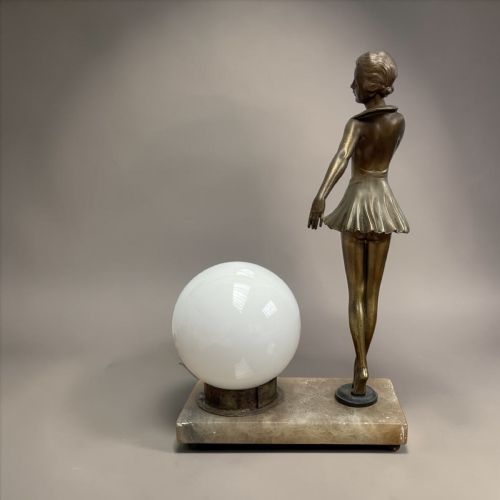
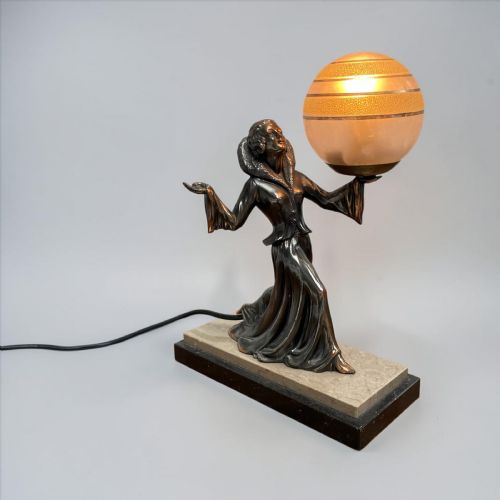
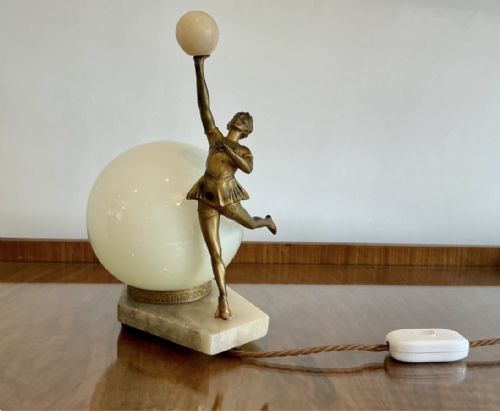
A vintage desk lamp base brings period character to a workspace, taking the form of converted vases, columns, and sculptural figures. These pieces originate from eras spanning the Victorian period through the Art Deco years.
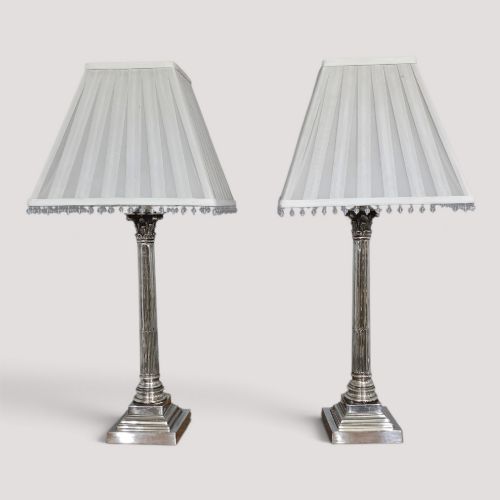
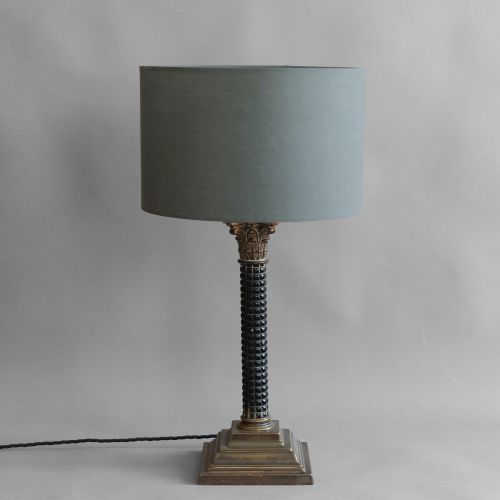
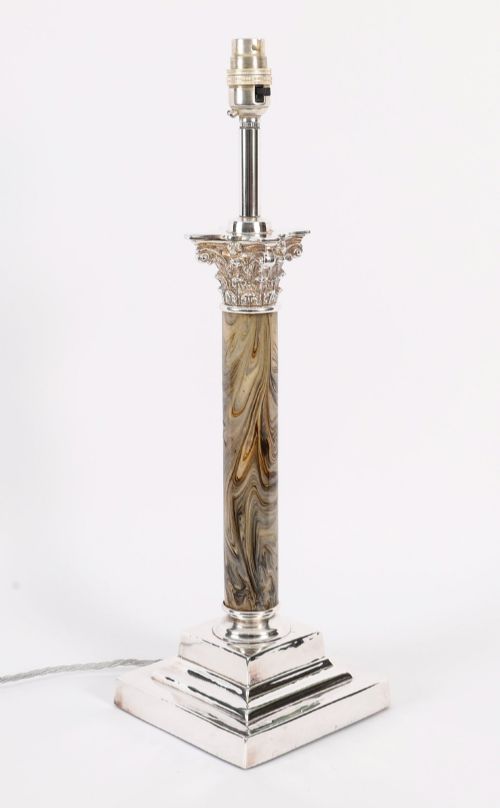
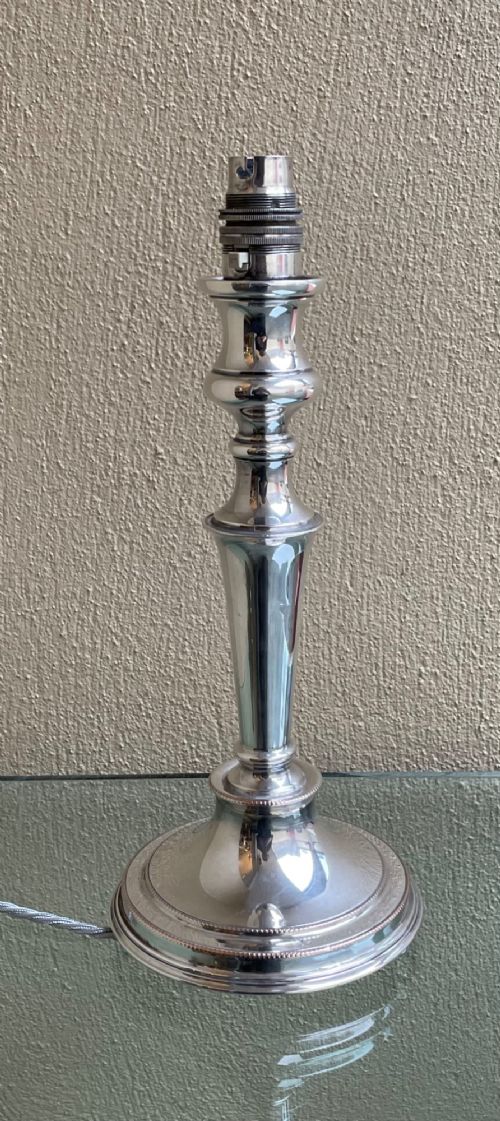
The selections on this page draw heavily from early twentieth century production, alongside nineteenth century examples in brass, silver plate, and carved stone. Buyers frequently encounter classical revival columns and geometric forms suited to task placement.
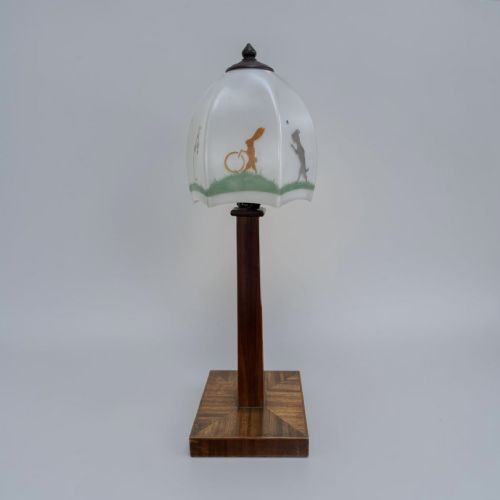
Makers adapted various utilitarian and decorative objects into lighting formats over successive decades. The resulting inventory reflects diverse regional tastes from English brassware to French novelty designs.
How they were made
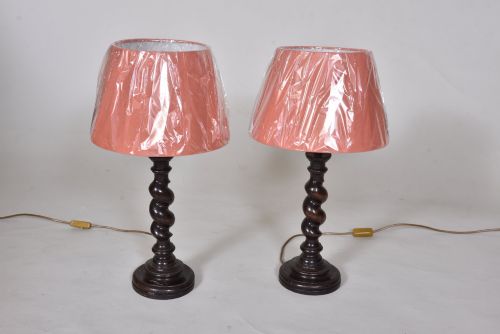
Constructed primarily from cast metals, turned hardwoods, and carved stone, these bases rely on durable materials designed to support an upright shaft and shade. Brass, bronze, silver plate, and marble appear frequently across the periods represented.
Craftsmen utilised specialised techniques such as metal spinning, ormolu mounting, hand painting on lacquer, and stone carving to shape the bodies. Many examples incorporate applied trim or cast figural elements fixed to weighted foundations.
Some nineteen-thirties French desks gained unexpected character from novelty dog and parrot lamp bases.
What varies in quality
Quality shows in the weight of the casting, the crispness of chased details on metalwork, and the selection of raw materials like solid marble or heavy gauge brass. Superior examples demonstrate careful joining and stable foundations without excessive movement.
The artistry of surface decoration, such as hand painted Chinoiserie lacquer or finely patinated bronze, separates standard production from exceptional pieces. Original mounts and integrated hardware contribute to the integrity of the object.
The Vintage Desk Lamp Base Glossary
- Corinthian column
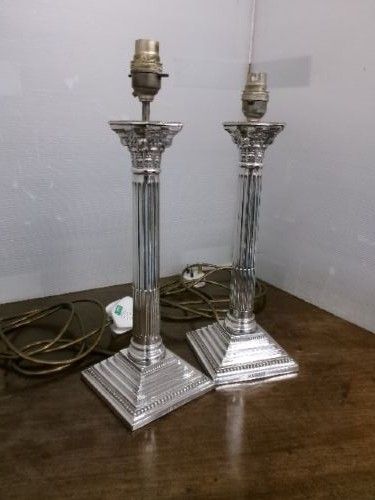
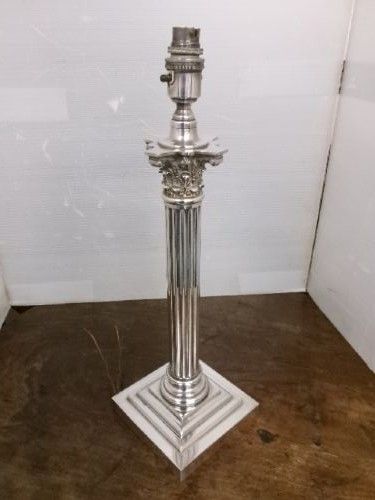
- A classical architectural column form featuring ornate acanthus leaf capitals, frequently adapted for Victorian and Edwardian metal lamp bases.
- Ormolu
- Finely ground high-carat gold applied to bronze objects using a mercury-gilding technique, common in French decorative arts.
- Opaline glass
- A pale, translucent milk glass developed in the nineteenth century, often tinted in soft pastel shades for lighting components.
- Chinoiserie
- European theatrical interpretation of Chinese and East Asian artistic traditions, expressed through lacquerwork and hand painted motifs.
- Alabaster
- A fine grained, translucent stone used for carved sculptural lamp bodies that diffuse light softly.
Vintage Desk Lamp Base: Frequently Asked Questions
How do I date a brass lamp base?
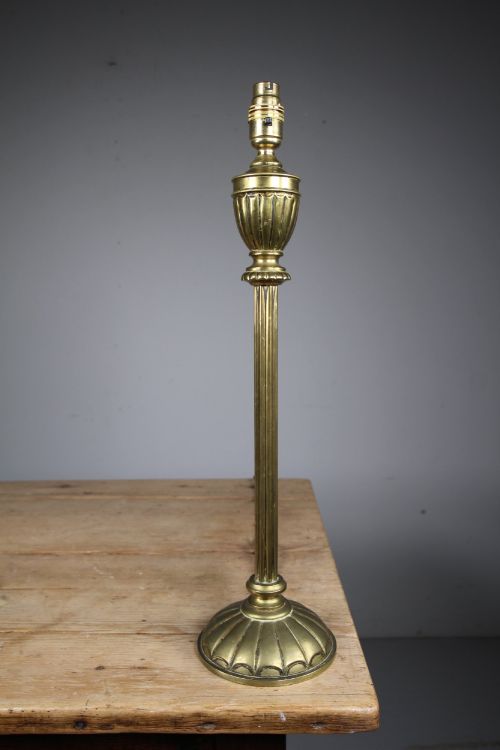
Dating relies on manufacturing techniques, wiring access points, and stylistic indicators such as reeded columns or neoclassical motifs.
Victorian and Edwardian examples often feature heavy brass castings with threaded components, while Art Deco pieces adopt geometric or figural silhouettes from the nineteen-twenties and thirties.
Can converted vases be used safely as lamps?
Many historical lamp bases started as decorative vases, urns, or candlesticks before conversion.
Qualified electricians can run modern internal cord sets through existing drill holes or weighted bases without compromising the original ceramic or metal structure.
How should I clean a silver plated base?
Silver plated surfaces require gentle dusting with a soft cloth to prevent abrasion of the thin metal layer.
Harsh chemical dips strip away historical patina, so non-abrasive cleaners formulated for antique silver maintain the finish safely.
Are marble and stone bases heavy?
Stone and marble lamp bases utilise natural weight to maintain stability on desks and side tables without tipping.
Materials like onyx and alabaster provide both a substantial foundation and decorative translucency when exposed to ambient light.