
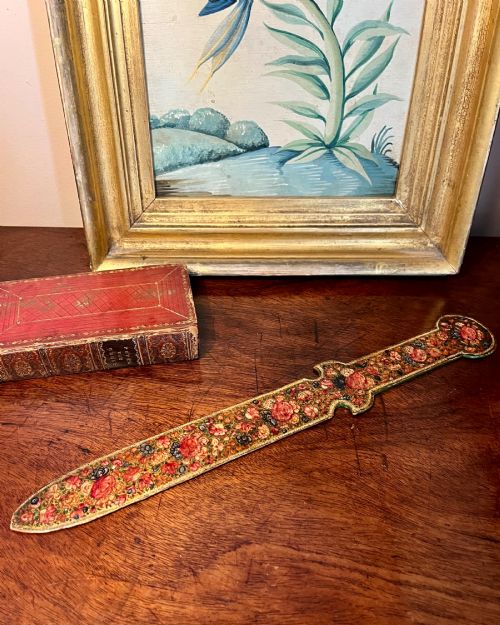
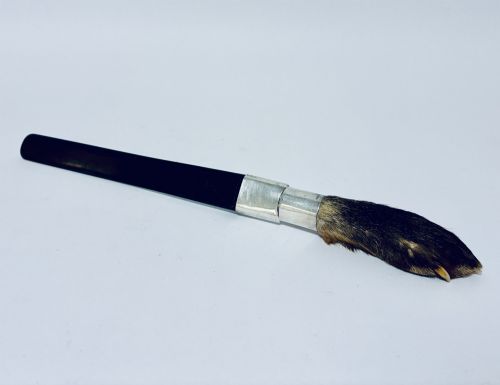
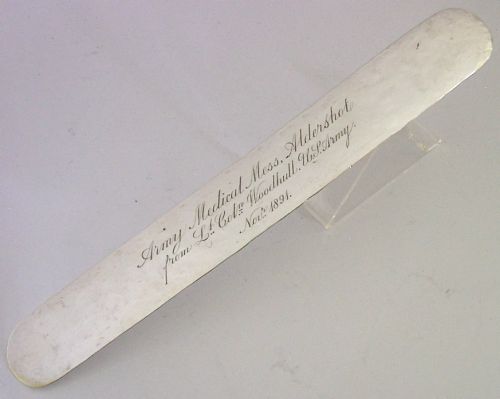
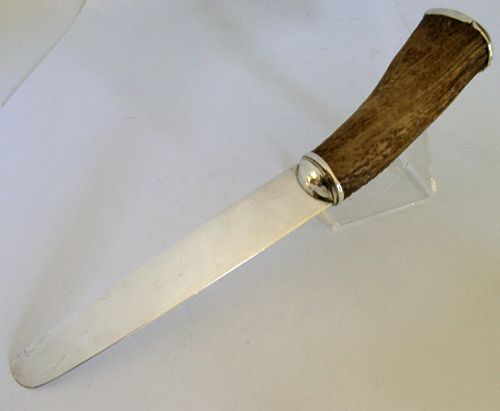





Vintage Desk Knife
A vintage desk knife is a practical correspondence tool for opening mail, combining metal or natural handles with slim blades from the nineteenth and twentieth centuries.
Vintage Desk Knife
A vintage desk knife serves as a functional desktop accessory designed for slicing open envelopes and turning pages. The selection spans letter openers, paper knives, and page turners originating from periods such as the Edwardian era, the Victorian period, and the mid twentieth century.
How they were made
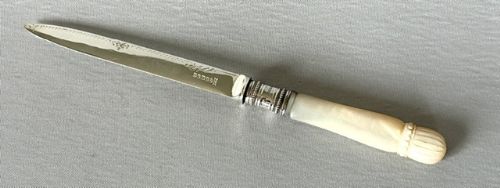
Makers shaped precious metals and base metals through casting, stamping, and silver plating, often pairing metallic handles or blades with organic materials. Handles frequently utilise turned mahogany, yew wood, carved bone, or inset tortoiseshell secured with pins.
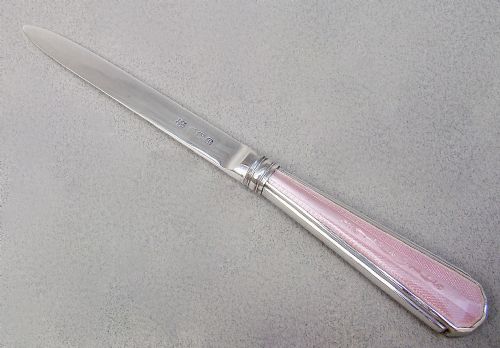
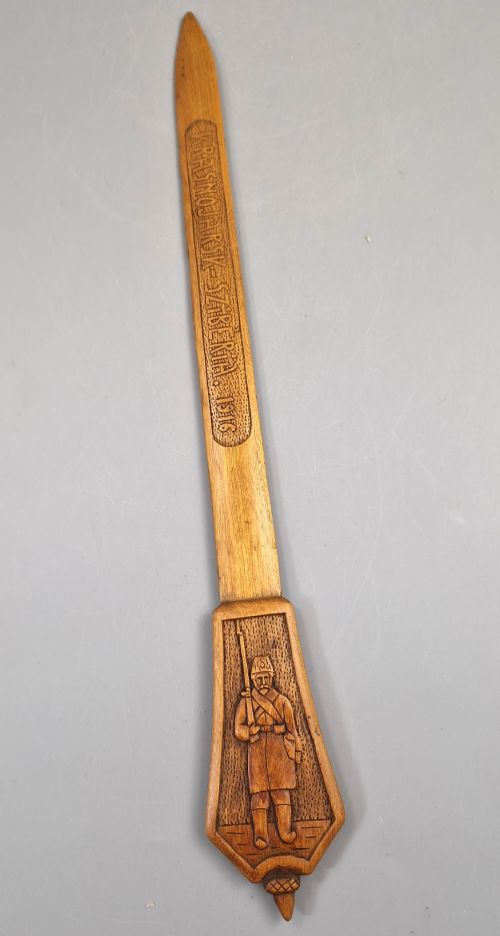
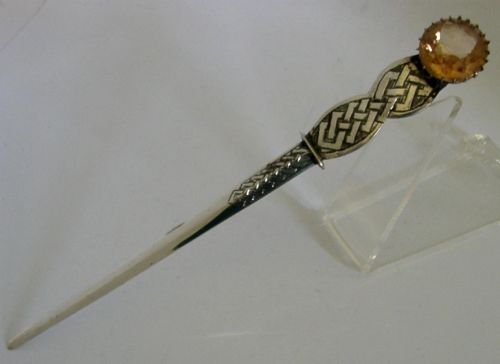
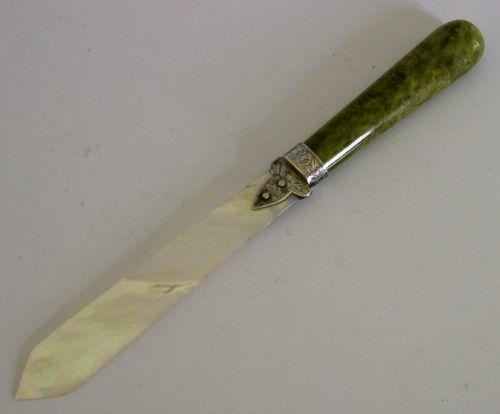
Specialist techniques include guilloche enamel detailing on silver bases, hand-carved trench art from wood, and polished natural stones such as Connemara marble or citrine mounted into metal mounts.
Listings span the nineteenth century through the 1950s, incorporating sterling silver, mahogany, tortoiseshell, and mother-of-pearl across Arts and Crafts and Art Deco styles.
What varies in quality
Quality rests upon the calibre of the materials selected and the precision of the maker's handwork. Solid sterling silver mounts and crisp hallmarks denote finer workshop standards compared to simpler plated or base metal alternatives.
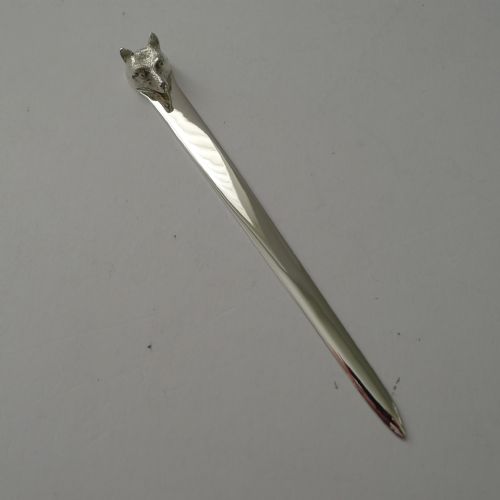
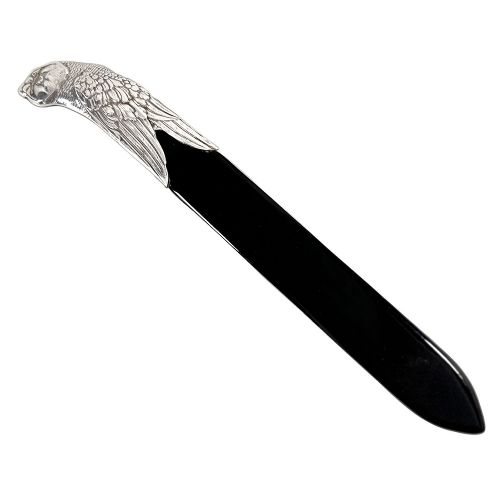
The artistic execution of figural handles, such as carved animal motifs or detailed enamel work, elevates standard utility items into accomplished examples of period craftsmanship.
The Barker Brothers·Asprey·Sampson Mordan and Co·Creswick
The Vintage Desk Knife Glossary
- Hallmark
- Official stamps struck into precious metals to indicate the assay office, purity standard, and year of manufacture. These marks provide reliable dating for silver items.
- Guilloche enamel
- Decorative metalwork covered with translucent enamel over an engine-turned geometric pattern. This technique was widely utilised during the Art Deco period.
- Trench art
- Objects fashioned by soldiers, prisoners of war, or civilians from discarded military materials and debris. Many pieces date from the First World War.
- Page turner
- A long, flat implement designed for separating uncut pages in books or handling delicate correspondence. They frequently feature extended blades of horn, ivory, or wood.
- Silver plate
- A thin layer of silver fused or electroplated onto a base metal core such as copper or brass. This method offered a bright finish at a lower cost than solid silver.
Vintage Desk Knife: Frequently Asked Questions
What is a vintage desk knife used for?
These pieces were created to slice open sealed envelopes and cut through folded paper edges during correspondence. They served as functional writing desk accessories in period offices and studies.
Today they function as decorative objects for modern desks or as collectible examples of silversmithing and decorative arts from the nineteenth and twentieth centuries.
How can I tell the period of a desk knife?
Silver examples often feature official hallmarks that indicate the assay office and the exact year of manufacture. Stylistic clues like geometric enamel work or carved motifs also point to specific decades.
Materials such as tortoiseshell, mother-of-pearl, and specific woods help narrow down whether an item belongs to the Victorian, Edwardian, or later mid-century eras.
Are desk knives made of solid silver?
Many listings feature solid sterling silver blades or handles, often stamped with traditional assay marks. Other pieces utilise silver plate over base metals like brass or bronze.
Handles frequently incorporate non-metal elements, combining silver mounts with mother-of-pearl, tortoiseshell, agate, horn, or various hardwoods.
What are novelty desk knives?
Novelty items feature handles shaped as animals, birds, or figures, produced by specialist makers and luxury retailers. Examples include sculpted greyhounds, ducks, owls, and foxes.
These whimsical pieces combined everyday utility with playful sculpture, making them sought-after collector's items on the antique market.