


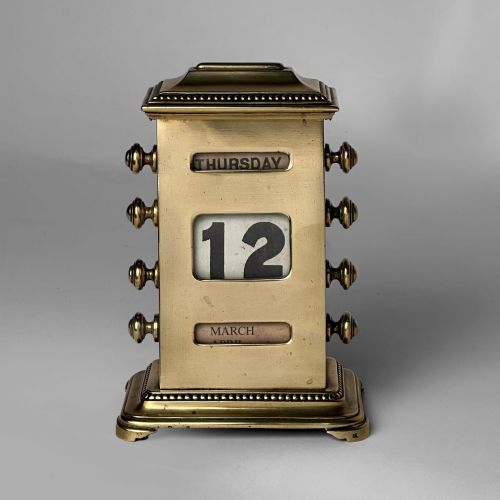


Vintage Desk Items
These vintage desk items bring character to a workspace, offering practical utility through inkwells, letter openers, and calendars shaped in silver, brass, and glass.
Vintage Desk Items
When you search for vintage desk items, you encounter functional accessories that populated studies and offices across the Victorian, Edwardian, and Art Deco periods. These pieces range from everyday writing necessities to decorative novelties designed for the writing table.
The selection on this page centres on items such as letter openers, inkwells, desk bells, and perpetual calendars. Materials span sterling silver, cast brass, glass, and stoneware, reflecting the diverse manufacturing standards of the nineteenth and early twentieth centuries.
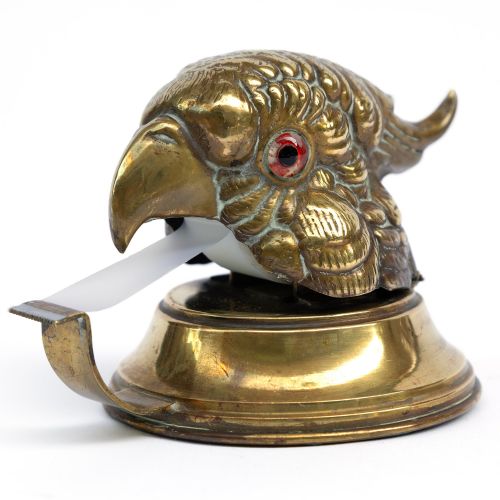
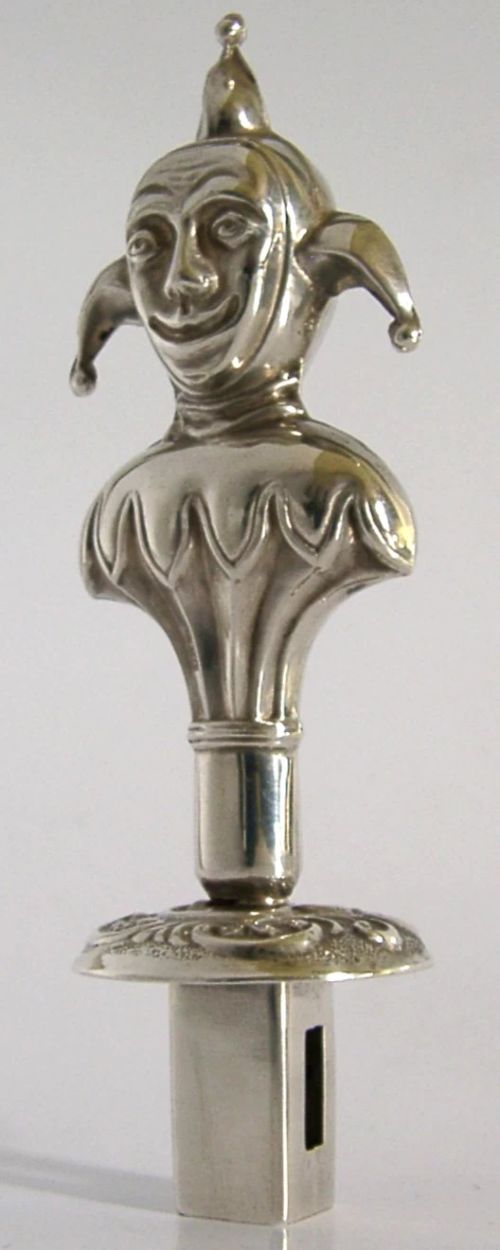
You are most likely to meet silver letter openers and novelty pieces like wax sealing holders or mechanical desk bells. These objects combine utilitarian purpose with sculptural forms, including greyhounds, jesters, and parrots.
How they were made
The manufacture of these accessories relies heavily on sterling silver and cast brass, shaped through traditional metalworking and casting techniques. Silver items often carry hallmarks indicating assay offices and specific years of production.
Makers utilised glass and stoneware for specific components such as inkwells, rulers, and glue pots, sometimes mounting them with precious metals. Stoneware pieces demonstrate durable ceramic moulding suited to heavy daily use on a writing desk.
Vintage Desk Items Retail Price Guide 2026
Typical asking prices for vintage desk items among the pieces listed under this phrase on Sellingantiques today, from the lower quarter to the upper quarter. They describe what is for sale here now, not the wider market.
Materials across the listings include sterling silver, cast brass, stoneware, velvet, and amber glass.
What varies in quality
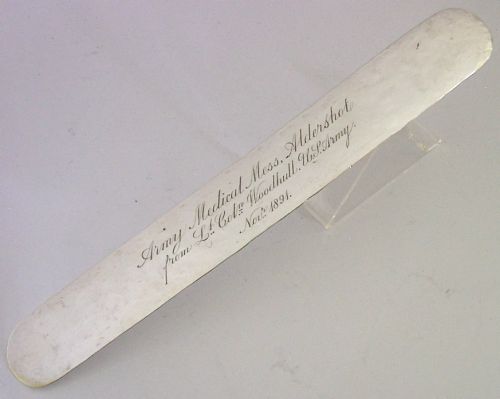
Quality in these items is determined by the crispness of casting detail and the fidelity of figural representations, such as the expression on a jester wax seal or the engraving on a page turner. Finishes executed by recognised makers exhibit superior hand-finishing and weight.
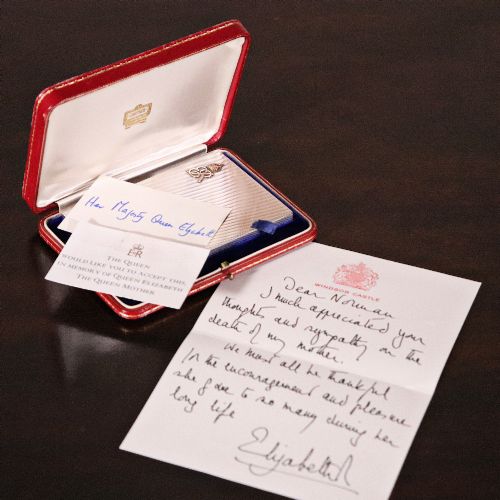
The integration of mixed materials, such as amber glass combined with sterling silver or gold mounted notelet cases, distinguishes standard utility pieces from higher tier examples produced by established firms.
William Tonks of Birmingham·Cartier·Asprey
The Vintage Desk Items Glossary
- Sterling silver
- A silver alloy containing 92.5 percent pure silver and 7.5 percent other metals, typically copper, used widely for durability in desk accessories.
- Perpetual calendar
- A desk device designed to show the day and date indefinitely, usually operated by rotating metal drums or sliding markers.
- Page turner
- A long, flat implement made of silver, bone, or ivory, used historically to cut the uncut pages of books and turn leaves without tearing the paper.
- Wax sealing holder
- A desk accessory intended to store sealing wax and hold related implements for securing correspondence with a signet.
- Pen wipe
- A small fabric or textile pad kept on a desk to clean excess ink from nibs during writing.
Vintage Desk Items: Frequently Asked Questions
How were desk bells used?
Mechanical desk bells sat upon writing tables to summon household staff or office assistants when correspondence required attention or dispatch.
They often featured spring-loaded internal mechanisms housed in decorated silver or brass casings.
How do I date silver desk items?
Silver pieces frequently feature hallmarks that include assay office marks, date letters, and maker's marks which pinpoint the exact year of manufacture.
Stylistic cues from the Victorian, Edwardian, and Art Deco periods also assist in determining the age of unmarked brass and glass components.
How do I care for antique brass accessories?
Cast brass items benefit from occasional dusting with a soft cloth to preserve their natural patina built up over decades of handling.
Harsh chemical polishes should be avoided to maintain the historical surface texture and colour of the metal.