
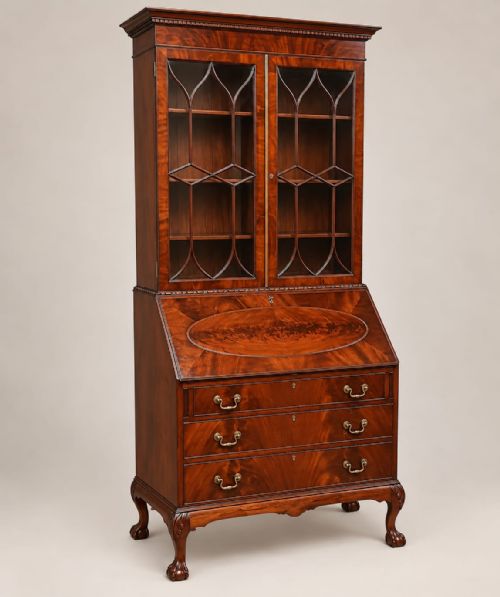
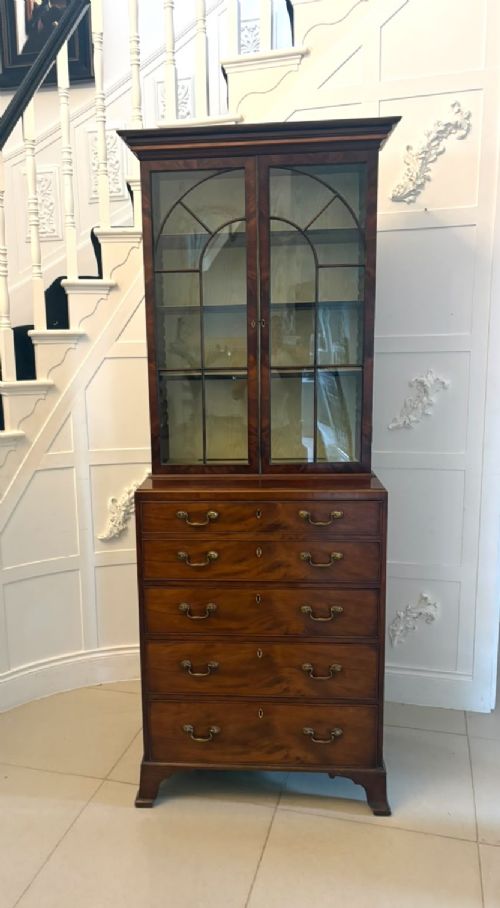
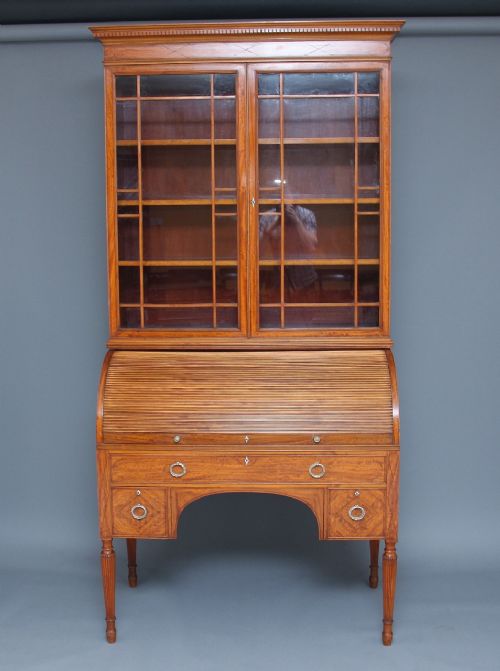
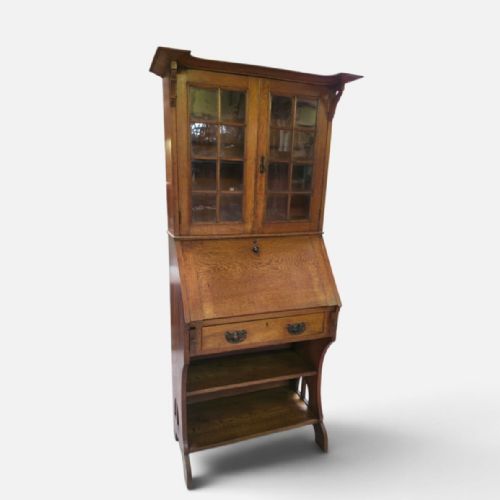


Vintage Desk Bookcase
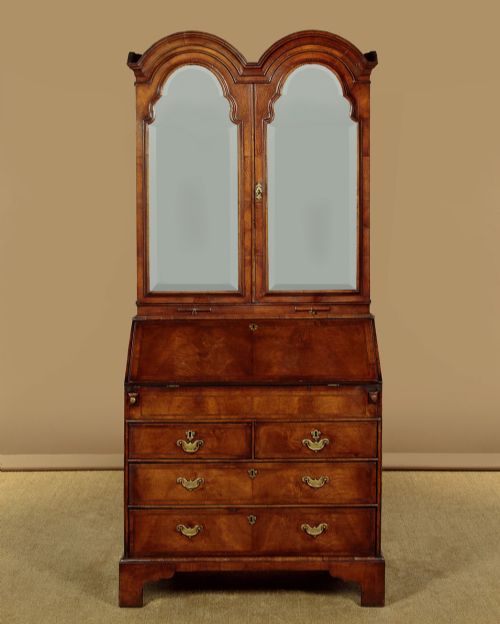
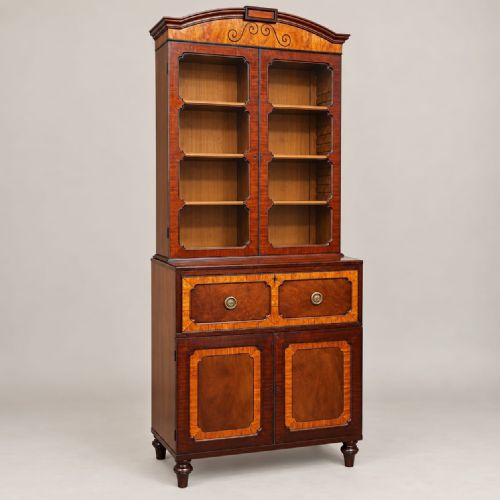
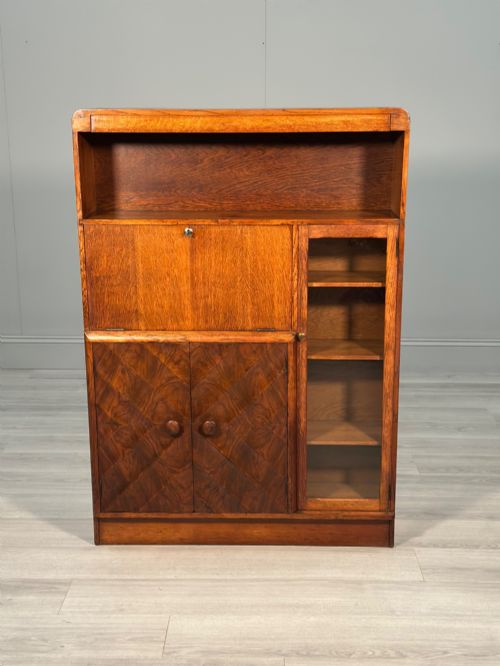
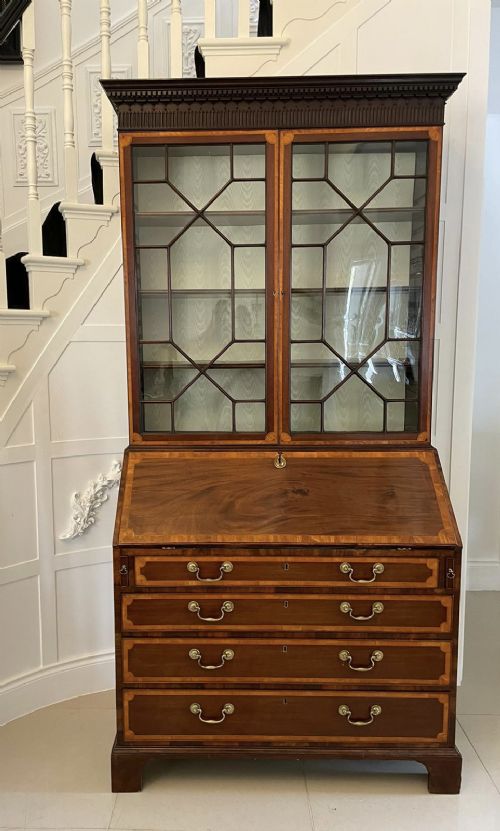
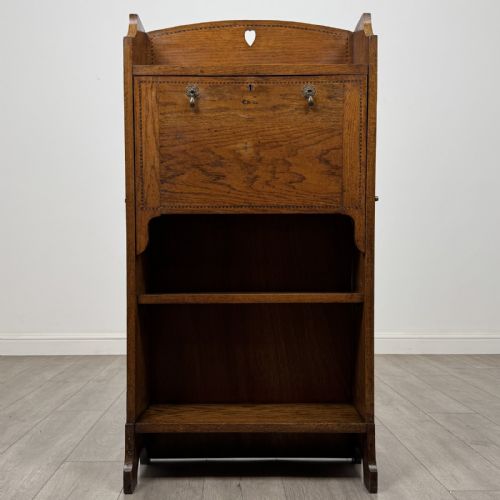
These vintage desk bookcase pieces combine a writing slope with shelving, giving you a practical workspace and display cabinet in one sturdy piece of furniture.
Vintage Desk Bookcase
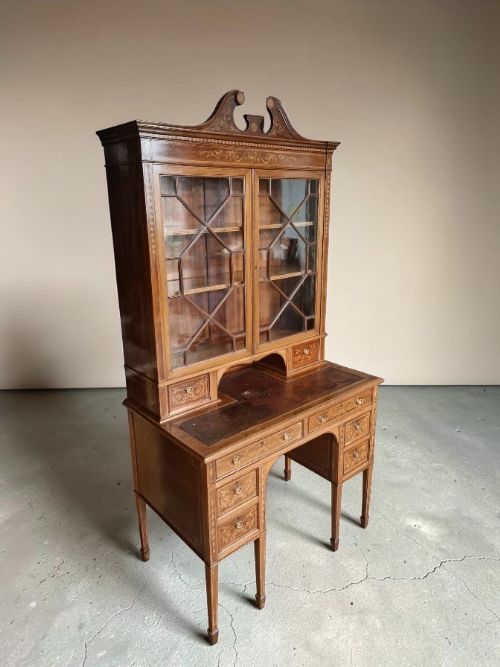
When searching for a vintage desk bookcase, a buyer examines hybrid furniture that unites a writing surface with enclosed shelving. These combinations appear across multiple periods, ranging from Georgian and Regency eras through to Edwardian and 1920s examples.
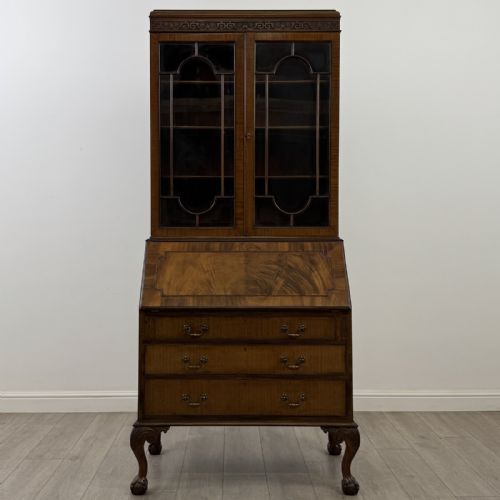
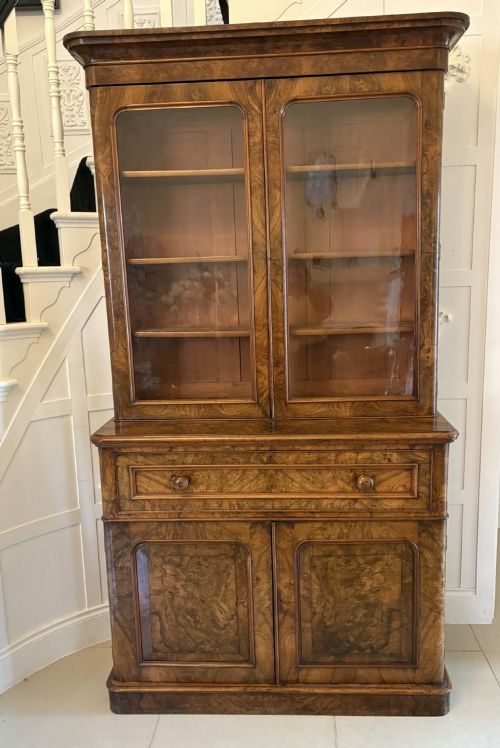
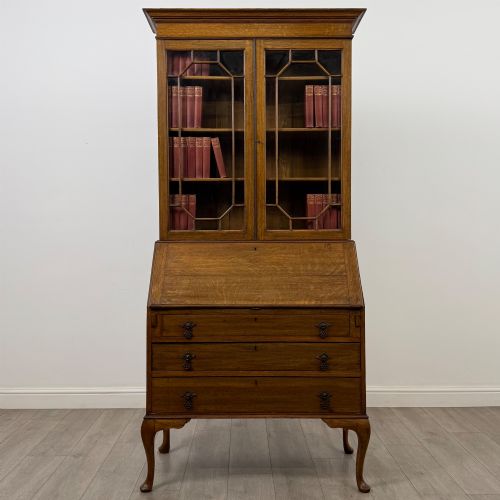
The most common formats on this page include bureau bookcases, secretaire bookcases, and bureau cabinets. These items pair a lower section featuring a sloping writing flap or pull-out writing drawer with an upper bookcase cabinet, often fitted with glazed doors.
Materials and construction methods
Cabinet makers utilised dense hardwoods such as mahogany, oak, walnut, and yew wood to build these substantial pieces. Selected examples incorporate inlay work in satinwood, brass hardware details, and lead framing within glass doors.
Joinery methods relied on solid timber frames and fitted interior pigeon holes designed to organise correspondence. Glazed upper sections required precise carpentry to support individual glass panes safely within wooden lattices.
Listings feature woods including oak, mahogany, walnut, satinwood, and yew wood across Georgian, Regency, and Edwardian periods.
Evaluating craftsmanship and condition
Quality separates pieces through the selection of timber veneers and the crispness of decorative inlay work. Finer examples display carefully matched wood grains on drawer fronts and writing flaps rather than plain surfaces.
The internal arrangement of fitted drawers, pigeon holes, and secret compartments dictates the standard of workmanship. Superior pieces maintain smooth mechanical movement in drop-down writing slopes and tight joints across the main carcass.
Gillows·F.H. Marshall & Co Glasgow
The Vintage Desk Bookcase Glossary
- Bureau bookcase
- A piece of furniture combining a sloping writing desk with an upper shelving unit. This form provides both storage for books and a fold-down writing surface.
- Secretaire
- A desk or cabinet containing a pull-out writing drawer with a drop front. It reveals a fitted interior with small drawers and pigeon holes when opened.
- Astragal glazed
- Glass doors divided by narrow wooden strips into smaller panes. This technique creates a decorative grid pattern across the front of the bookcase.
- Pigeon holes
- Small open compartments inside a desk used for sorting letters and papers. These compartments form a key part of the fitted interior.
Vintage Desk Bookcase: Frequently Asked Questions
What is a vintage desk bookcase?
A vintage desk bookcase is a dual-purpose piece of furniture that merges a lower writing desk with an upper bookcase. The design allows users to write correspondence at a fold-down flap or pull-out drawer while storing books above.
These pieces emerged in various periods including the Georgian, Regency, and Edwardian eras. They serve as functional library furniture suited for studies and living rooms.
How do I use a secretaire bookcase?
To use a secretaire bookcase, you pull out or fold down the writing drawer to reveal an internal arrangement of small drawers and pigeon holes. This creates an instant writing desk without disturbing the books stored in the upper cabinet.
When finished, you close the flap to conceal your writing materials and secure the interior. The upper glazed doors keep your books visible yet protected from dust.
How do I tell different periods apart?
Period identification relies on observing timber choices, hardware styles, and decorative details like inlay work or glazing patterns. Georgian and Regency examples frequently feature figured mahogany and delicate stringing.
Edwardian and later 1920s versions often utilise oak, walnut, or yew wood alongside Arts and Crafts or Jacobean revival motifs. Examining the interior construction helps confirm the manufacturing era.
Where should I place it?
These tall pieces require adequate wall space and sufficient room in front for the writing flap to open fully. Placing them in a study, home office, or living room provides both a working desk and display shelving.
Keep them away from direct heat sources and strong sunlight to protect the timber and veneers. Ensure the floor is level so the doors and writing slopes align correctly.