




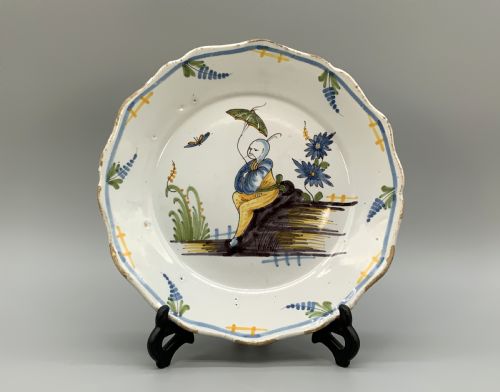
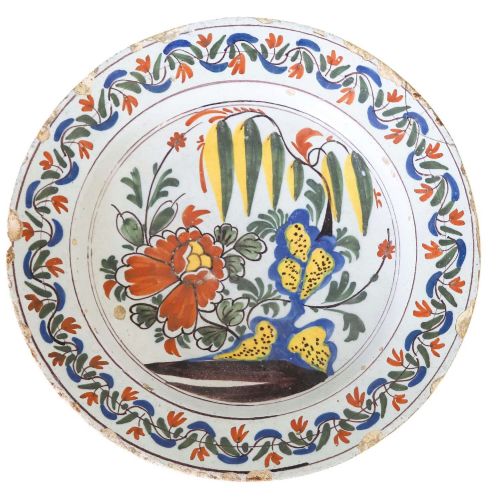
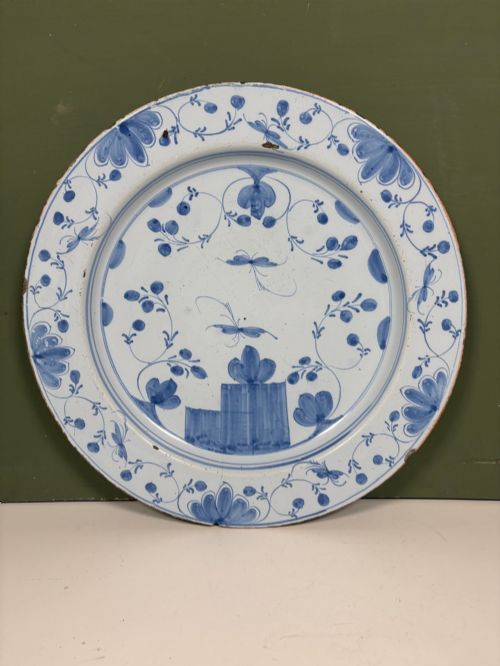


Vintage Delft Display Plate
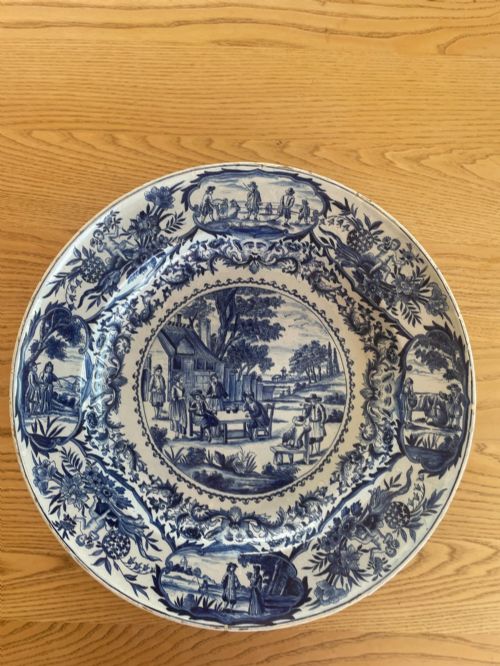
These vintage delft display plate items bring hand-painted blue and white earthenware into domestic rooms as they have since the seventeenth century.
Vintage Delft Display Plate
A vintage delft display plate brings hand-painted tin-glazed earthenware into the home, echoing centuries of domestic display traditions. Buyers seeking this aesthetic will encounter both individual decorative plates and the oak wall racks designed to display them.
The listings span from the seventeenth century through the eighteenth and nineteenth centuries, taking in Georgian and Dutch Baroque styles. Larger chargers and smaller plates appear alongside country oak dresser racks and wall shelves.
Dutch, English, and French origins emerge across the selection, showing distinct palettes from traditional cobalt blue to manganese, yellow, and polychrome florals. Most items reflect either utilitarian country craftsmanship or grander decorative charger formats.
Materials and construction methods
Potters formed these pieces using earthenware clay, coating the fired body in a tin glaze that provided an opaque white surface for painting. Artisans applied cobalt oxide, manganese, and other pigments directly onto this absorbent unfired glaze before the final kiln firing.
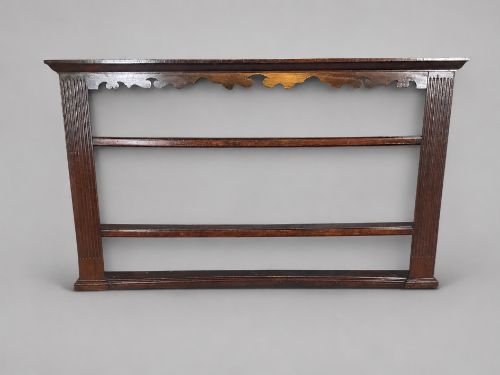
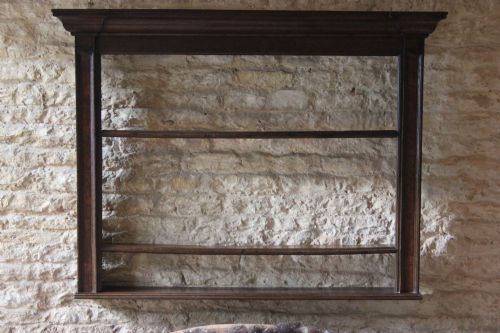
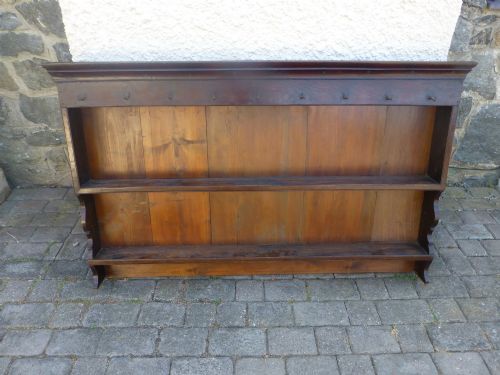
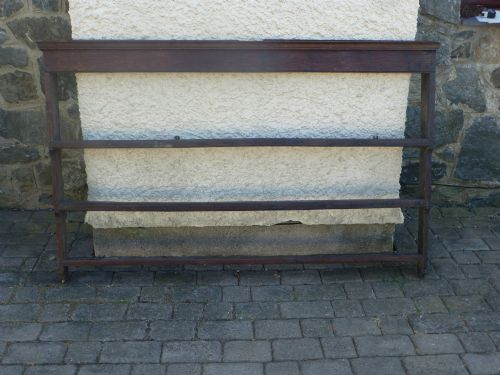
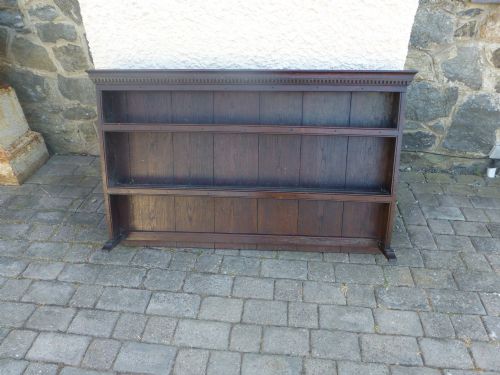
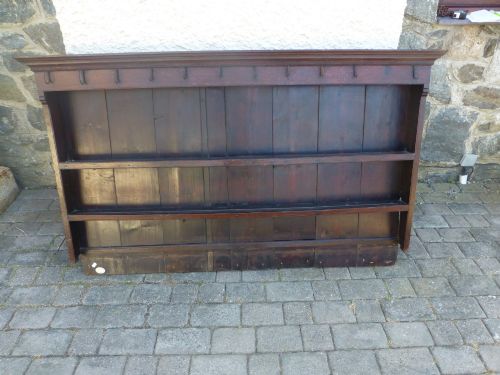
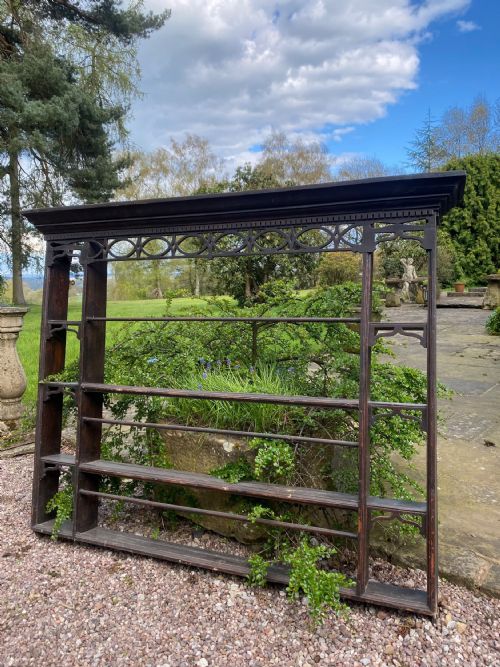
Display fixtures and plate racks utilise solid oak, often featuring carved details or simple peg construction suited to country interiors. The combination of tin-glazed ceramic plates held within heavy timber shelving defines the physical nature of these pieces.
Vintage Delft Display Plate Retail Price Guide 2026
Typical asking prices for vintage delft display plate among the pieces listed under this phrase on Sellingantiques today, from the lower quarter to the upper quarter. They describe what is for sale here now, not the wider market.
Early potters occasionally left tiny thumbprint marks in the glaze where they steadied plates before firing.
Distinguishing quality in plates and racks
Quality rests in the crispness of the hand-painted decoration and the depth of the tin glaze, where freehand floral or Chinoiserie motifs show the painter's fluency. Earlier examples from the seventeenth and eighteenth centuries typically demonstrate greater artistic ambition in their brushwork.
For the accompanying woodwork, the integrity of the oak construction and the subtlety of any carved elements determine the piece's standing. Timber frames that retain their original surfaces and structural balance sit naturally at the higher end of the range.
The Vintage Delft Display Plate Glossary
- Delftware
- Tin-glazed earthenware originating in the Netherlands and England, typically decorated with blue pigments on a white background. The technique imitates imported Chinese porcelain.
- Charger
- A large decorative plate intended for display on a wall or dresser rather than for daily dining use. These pieces often measure significantly wider than standard tableware.
- Tin glaze
- An opaque white ceramic glaze containing tin oxide, which creates a smooth surface for hand-painted decoration. This coating was widely used across European earthenware before creamware became dominant.
- Manganese
- A purple-brown metallic oxide used by potters to paint ceramic designs, often seen alongside cobalt blue or yellow highlights. It yields distinctive warm tones on eighteenth-century pieces.
- Dresser rack
- A wall-mounted wooden shelf featuring vertical slats or grooves specifically built to support plates and chargers in a kitchen or dining room. Oak was the primary timber used for these domestic fixtures.
Vintage Delft Display Plate: Frequently Asked Questions
How do I hang a heavy charger safely?
Display chargers require robust wall fixtures that engage directly with wall studs or appropriate masonry anchors. Spring-loaded brass wire hangers distribute the weight evenly around the rim without placing stress on the ceramic body.
Ensure the hanging wire is securely fastened and tested before leaving the plate unsupported. Wall racks offer an alternative method of display that avoids suspending plates directly from individual hooks.
Can these plates be used for food?
Historic tin-glazed earthenware has porous ceramic bodies and lead-bearing glazes that make modern culinary use impractical. These decorative objects suit visual display rather than serving meals.
Hand-washing with mild soap and water suffices for occasional cleaning, avoiding soaking that could penetrate old earthenware.
What is a Grand Feu glaze?
Grand Feu describes high-temperature kiln firing methods that fuse the pigment permanently into the tin glaze. This technique creates a durable surface with particular brilliance in the blue and white pigments.
Pieces fired this way often display richer colours and greater resistance to surface wear over the centuries.
How do I distinguish English from Dutch delft?
English and Dutch delft share tin-glaze techniques, but subtle variations in clay bodies and palette help separate them. English factories frequently employed warmer polychrome schemes and softer earthenware fabrics.
Dutch pieces often showcase precise cobalt blue Chinoiserie motifs or heavier manganese tones reflecting specialised workshop traditions.