

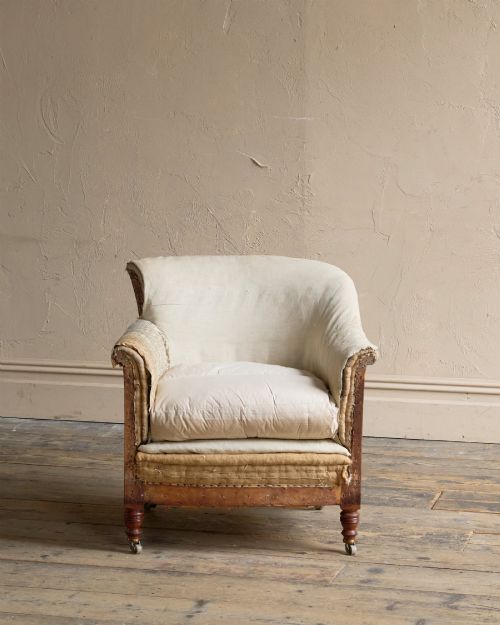
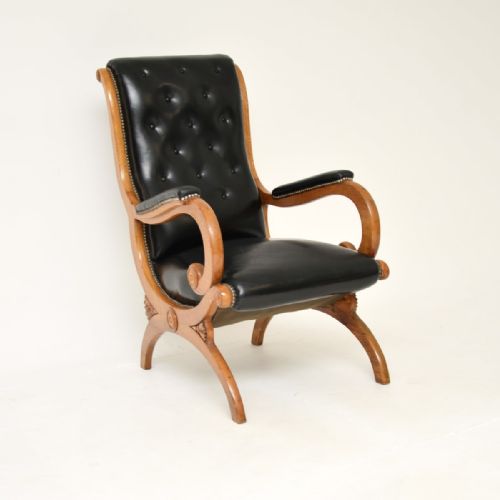
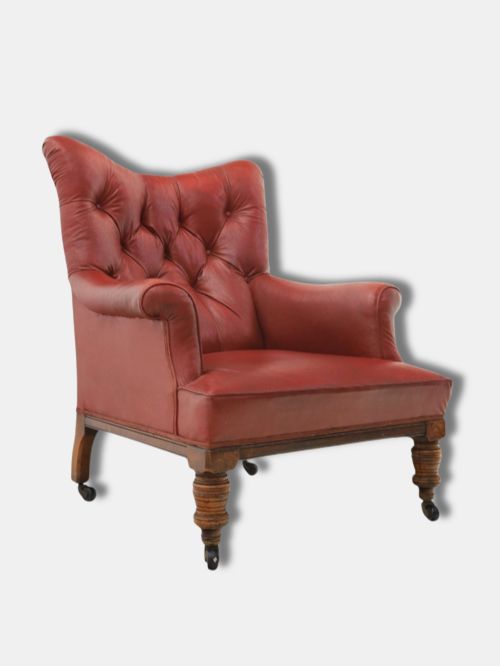
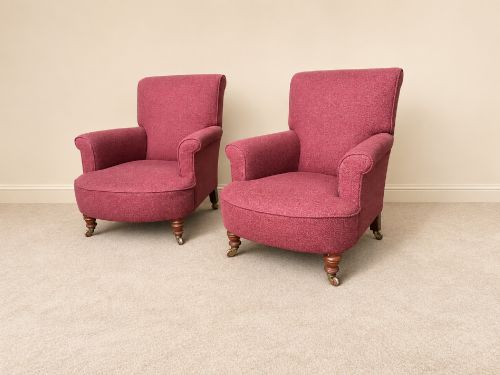
Vintage Deep Seated Armchair
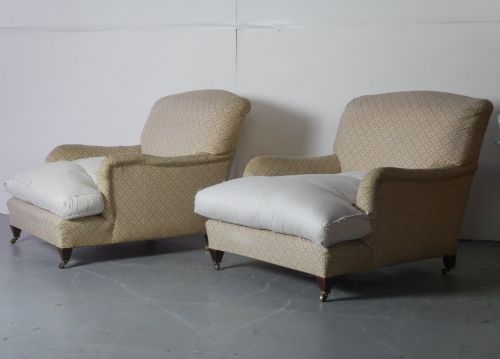
These vintage deep seated armchair examples span Victorian, Edwardian, and Art Deco periods, offering generous proportions and substantial upholstery for practical comfort.
Vintage Deep Seated Armchair
A vintage deep seated armchair provides substantial proportions designed for comfort, frequently appearing in forms like library chairs, club chairs, and country house armchairs. These pieces emerge from periods spanning the nineteenth century through the Art Deco era of the 1930s.
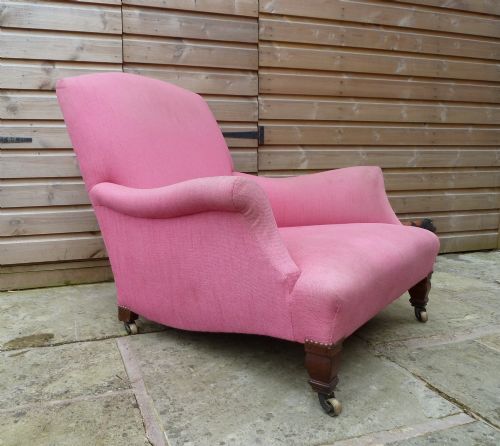
The most common examples on this page reflect Victorian and Edwardian manufacturing, alongside English country house and Howard style interpretations. Buyers frequently encounter deep upholstered frames, low seats, and supportive backs intended for prolonged sitting.
How they were made
Frames rely on sturdy timbers including mahogany, walnut, hardwood, and general wood construction, often shaped into distinct styles like the Bridgewater or deep club chair silhouettes. Internal construction frequently incorporates feather filling to achieve the characteristic deep, comfortable seat.
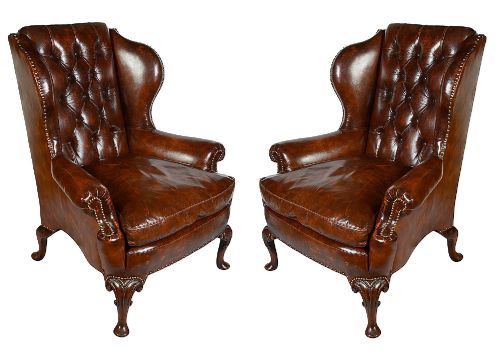
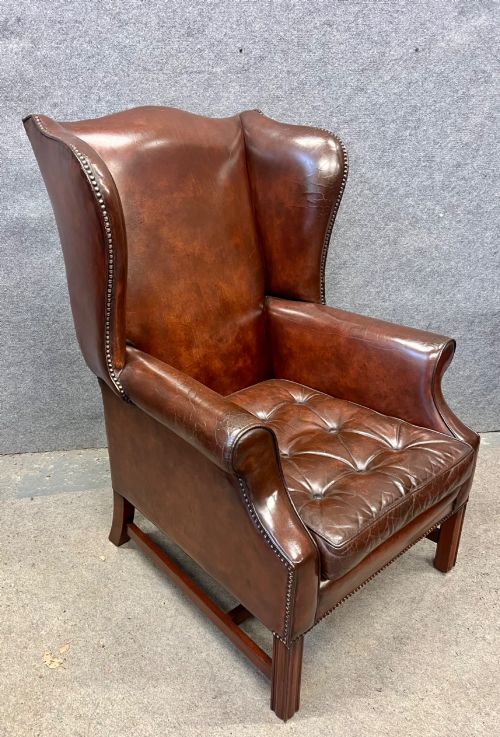
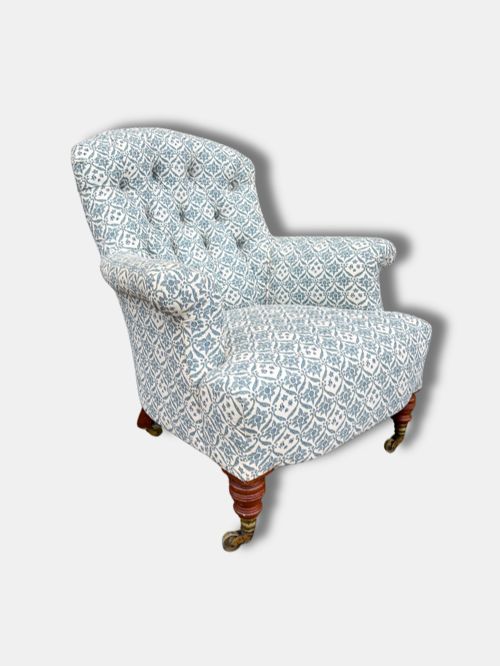
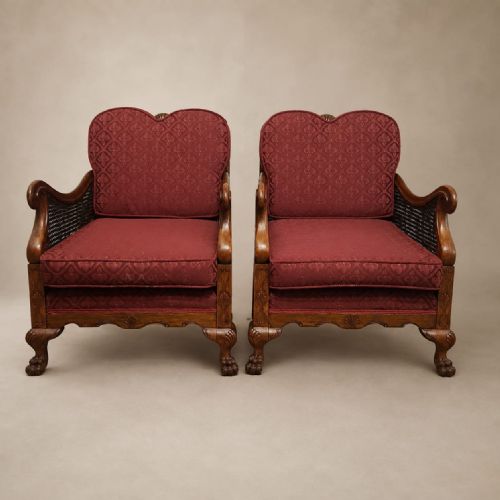
Outer coverings utilise traditional materials such as leather, velvet, fabric, and split cane bergere panels. Details like brass castors, button backs, and exposed wooden legs complete the construction of these substantial seating pieces.
Vintage Deep Seated Armchair Retail Price Guide 2026
Typical asking prices for vintage deep seated armchair among the pieces listed under this phrase on Sellingantiques today, from the lower quarter to the upper quarter. They describe what is for sale here now, not the wider market.
Several armchairs arrive paired with matching footstools, acknowledging that deep seating naturally demands elevated feet.
What varies in quality
Quality separates through the integrity of the timber frame and the precision of the upholstery work, distinguishing standard commercial production from bespoke workshop output. Maker attribution, such as pieces bearing Howard and Sons or James Shoolbred signatures, elevates the standing of an armchair significantly.
Howard and Sons·James Shoolbred·George Bullock
The Vintage Deep Seated Armchair Glossary
- Howard style
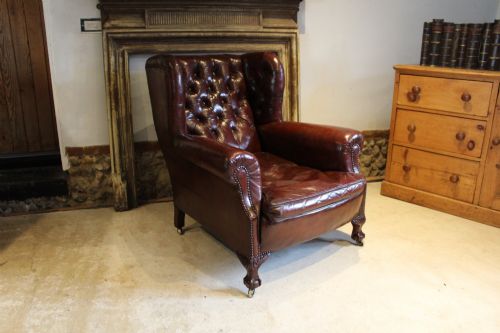
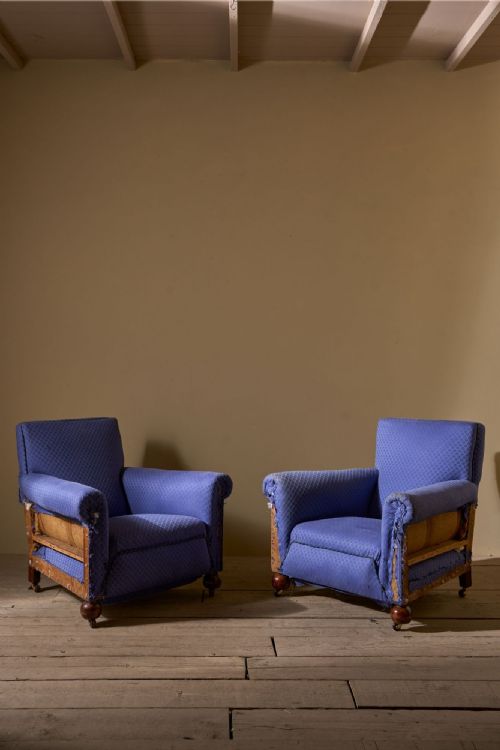
- A low-slung, deeply comfortable armchair design characterised by rolled arms and casters, originating from the nineteenth-century firm. These pieces set a benchmark for traditional English seating comfort.
- Club chair
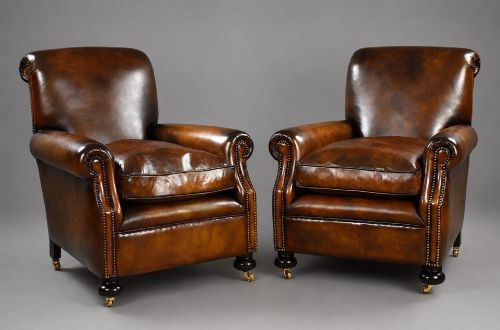
- A heavy, deep-seated upholstered armchair traditionally covered in leather. Originating in French and English clubs, it offers robust construction and generous proportions.
- Bergere
- An enclosed armchair with cane or wicker side panels set into a wooden frame. Originating in France, the style utilises woven natural materials for back and arm inserts.
- Wing back armchair
- An upholstered seat featuring side panels attached to the back frame designed to shield the occupant from drafts. This traditional form appears across eighteenth and nineteenth-century pieces.
- Button back
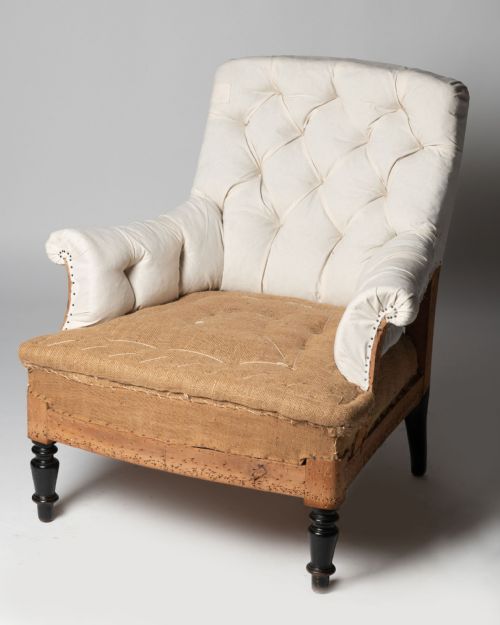
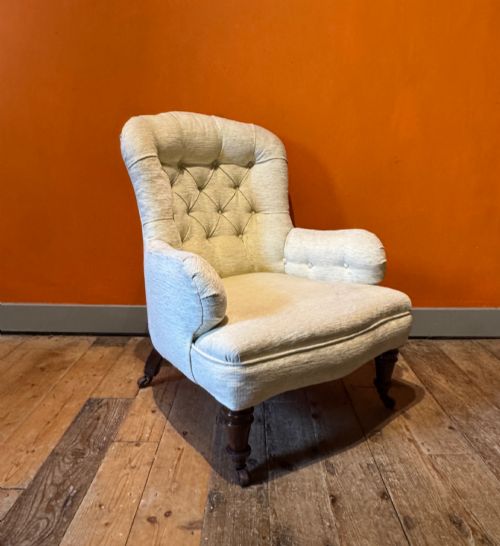
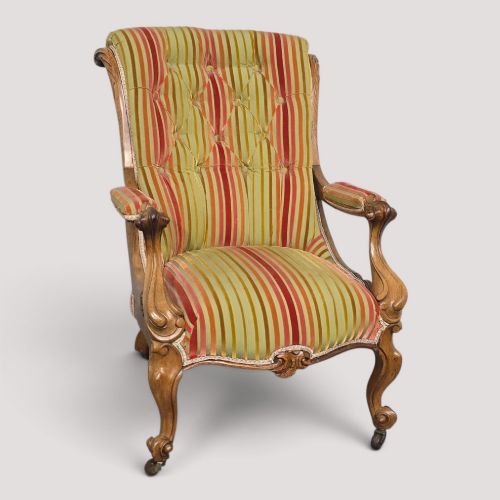
- An upholstery technique where depressions are formed in the padding by pulling buttons or tufts through to the frame. This method secures internal stuffing while creating a geometric pattern.
Vintage Deep Seated Armchair: Frequently Asked Questions
What defines a vintage deep seated armchair?
These armchairs are characterised by generous proportions, deep cushioning, and lower seating heights designed for relaxation.
They draw on nineteenth and early twentieth-century design traditions, utilising materials like leather, wood, and feather filling.
How do I identify a Howard style armchair?
Howard style chairs typically feature low rolled arms, substantial depth, and tapered wooden legs often fitted with brass castors.
Many examples incorporate feather-filled cushions and bear the hallmark proportions associated with nineteenth-century English lounging furniture.
Are leather club chairs comfortable for daily use?
Leather club chairs provide a supportive yet yielding sit due to their deep upholstery and robust internal frame construction.
Over decades, the leather softens further while maintaining the structural integrity required for everyday seating.
Where should I place a large country house armchair?
These substantial chairs suit living rooms, libraries, or studies where their scale and deep seat can be fully appreciated.
They anchor a room visually and pair well with low tables or adjacent reading lamps.
How do I distinguish Edwardian chairs from Victorian ones?
Victorian models often feature heavier frames, button-backed upholstery, and darker woods like mahogany or walnut.
Edwardian pieces generally lean towards lighter proportions, sometimes reflecting earlier revival styles or simpler country house aesthetics.