


Vintage Decorative Wooden Casket
A vintage decorative wooden casket brings tactile warmth to a room while keeping letters and keepsakes close at hand.
Vintage Decorative Wooden Casket
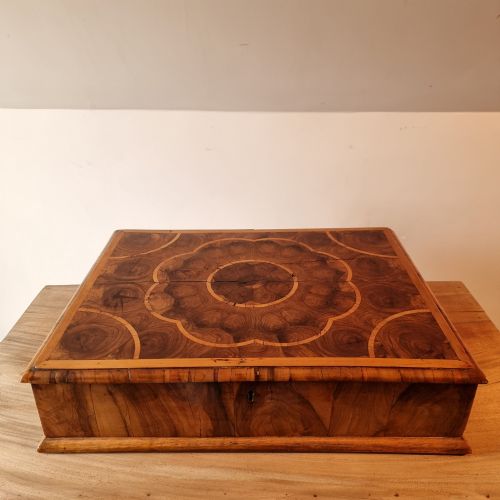
When you search for a vintage decorative wooden casket, you find an array of small storage forms including work boxes, trinket boxes, lace boxes, and desk stands. These pieces range from seventeenth-century walnut and olive wood examples to nineteenth-century rosewood and inlaid Victorian designs.
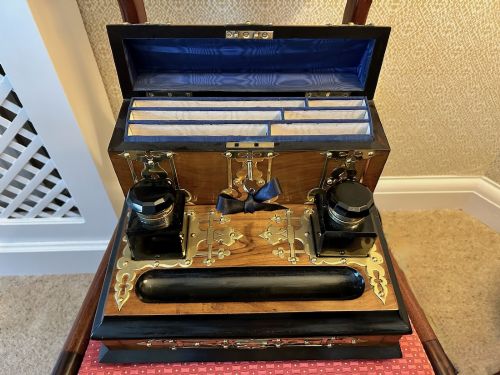
The objects on this page vary significantly in origin and scale, spanning European table boxes, Anglo-Indian ebony pieces, and Chinese hardwood creations. They were built to hold letters, jewellery, lace, or desk accessories, serving both a functional and an ornamental purpose in period interiors.
Materials and Construction
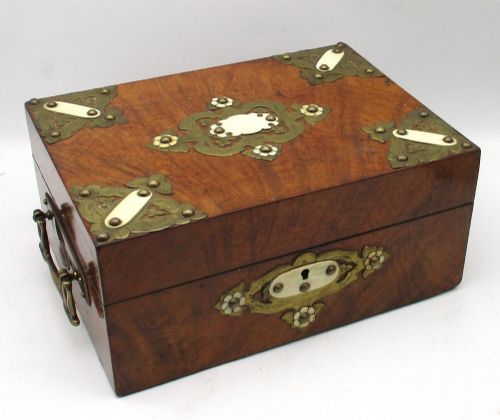
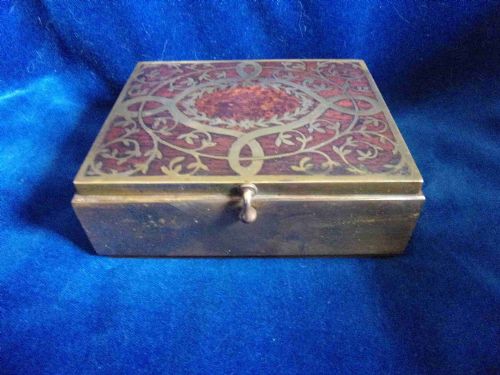
These pieces utilise dense hardwoods such as walnut, rosewood, ebony, oak, and satinwood, frequently paired with contrasting veneers and solid timber construction. Makers incorporated natural decorative elements including mother-of-pearl, boxwood stringing, tortoiseshell patterns, and porcupine quills to surface the wood.
Techniques range from precise marquetry and floral inlay to Tunbridge Ware mosaic work and hand-carved relief. Metal mounts in brass provide structural reinforcement and functional hinges, while interior linings of paper or velvet complete the build.
Materials represented include brass, mother-of-pearl, glass, boxwood, and various exotic hardwoods.
Factors of Quality
The standard of a box rests upon the precision of its timber selection and the execution of its surface decoration. Finely figured grains such as burr yew or oyster-cut laburnum display superior visual depth compared to plain or heavily repainted surfaces.
Detailing in the marquetry, the tightness of the mosaic tesserae, and the integration of brass hardware distinguish finer workshops from standard production. Original interiors and working locks elevate the standing of a piece considerably.
ERHARD AND SOHNE
The Vintage Decorative Wooden Casket Glossary
- Marquetry
- The art of applying small pieces of veneer to a structure to form decorative patterns. It creates pictorial or geometric designs on the lid and sides.
- Tunbridge Ware
- A type of decorative woodwork produced in Kent using thousands of tiny coloured wood blocks to form mosaic images. Views and geometric tessellations are typical.
- Oyster Veneer
- Slices of branch wood cut across the grain to reveal circular patterns resembling oyster shells. This technique appeared on seventeenth-century and later case furniture.
- Mother of Pearl
- The iridescent inner layer of certain mollusc shells used for inlay work. It catches the light and contrasts sharply with dark rosewood or ebony.
- Work Box
- A container designed to hold sewing implements, threads, and small accessories. They often feature fitted internal trays and compartments.
Vintage Decorative Wooden Casket: Frequently Asked Questions
What were wooden caskets originally used for?
These boxes served to protect valuable items such as correspondence, lace, trinkets, and sewing tools from dust and damage.
They sat upon desks, dressing tables, and side tables in prominent rooms, acting as status markers as well as storage.
How do I identify a 17th century box?
Seventeenth-century examples often feature heavy oak, olive wood, or walnut construction with floral marquetry and simple geometric panels.
They tend to have sturdy dovetail joints and heavy iron or brass hinges rather than delicate decorative escutcheons.
Are these boxes suitable for daily use?
Most antique caskets hold modern jewellery, keys, and small keepsakes safely without sustaining damage.
Care should be taken with delicate veneers, mother-of-pearl inlays, and old paper linings when handling them frequently.
How do I care for antique wood?
Keep wooden caskets away from direct sunlight and sudden temperature shifts to prevent the timber and veneers from warping.
A light application of appropriate wax maintains the lustre of the finish without building up residue.