



Vintage Decorative Figure
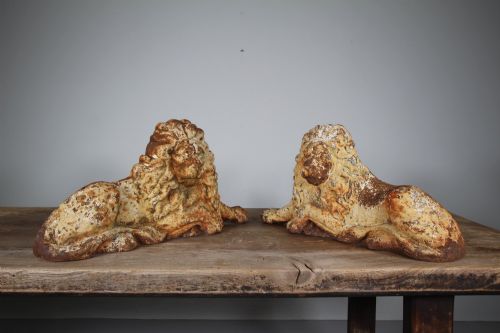
When you search for a vintage decorative figure, you are looking at sculpted representations of humans, animals, and mythological subjects created to adorn interior spaces.
Vintage Decorative Figure
A vintage decorative figure encompasses a broad range of sculptural objects designed primarily for ornament rather than utility. When exploring this category, buyers encounter diverse expressions spanning the nineteenth century through the mid-twentieth century, with notable representation from the Art Deco period and various international traditions.
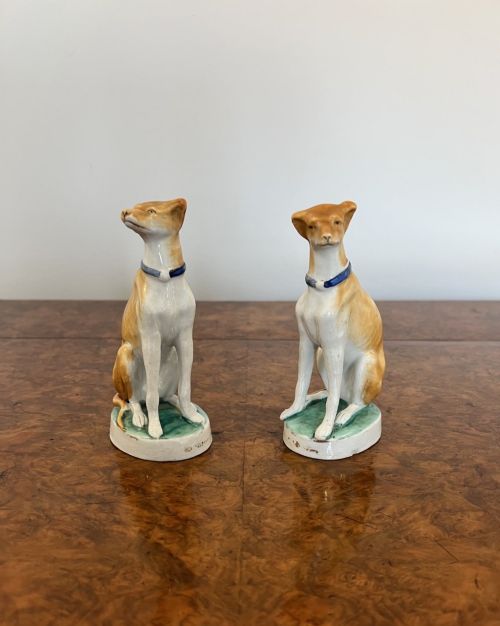
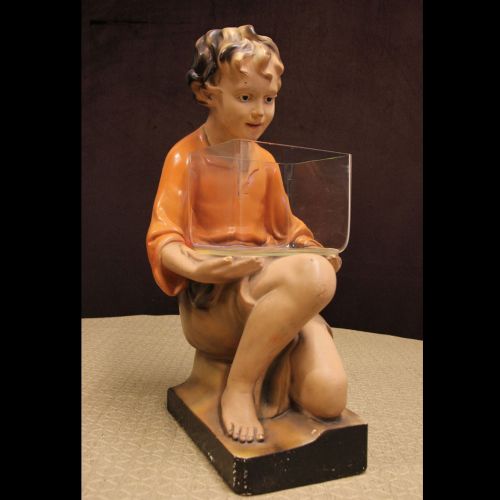
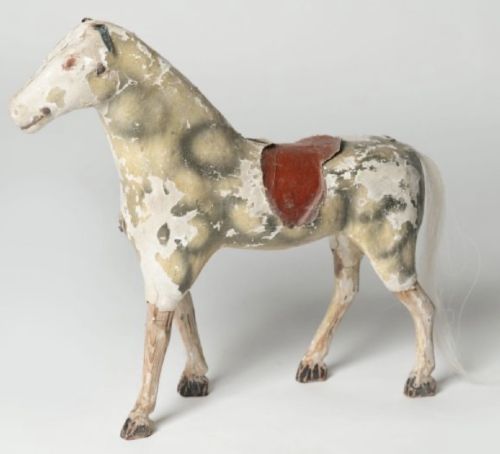
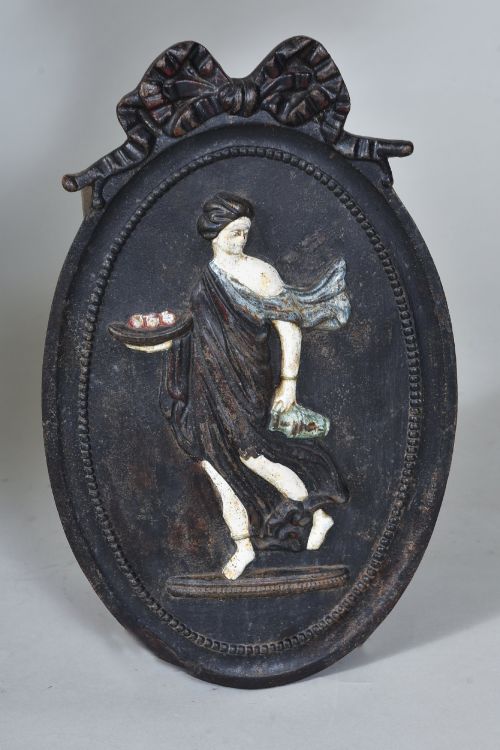
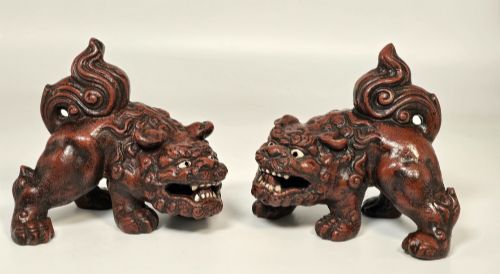
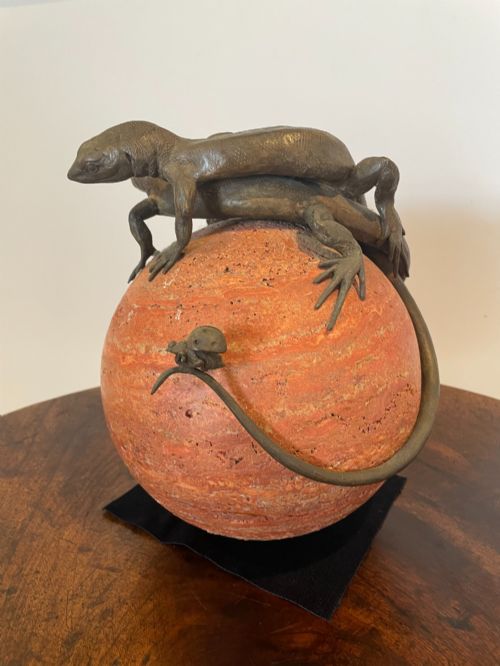
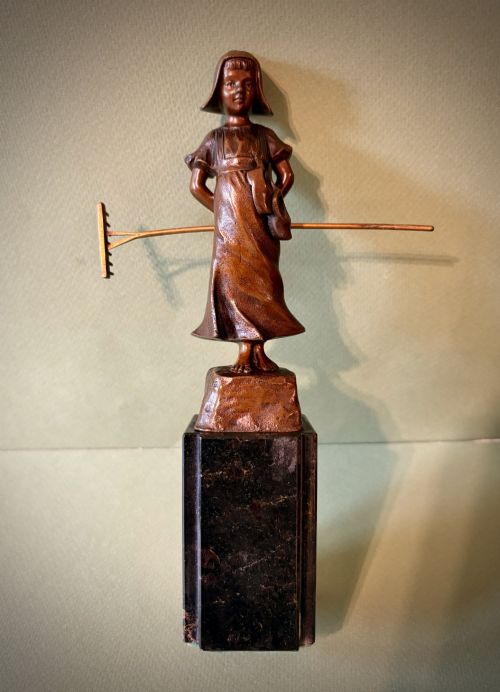
The selections on this page appear in numerous forms, including freestanding animal and human figurines, portrait busts, bookends, and larger sculptural works. Materials range from cast bronze and carved hardstone to porcelain and earthenware, reflecting the varied aesthetic priorities of different eras and regional workshops.
Materials and methods of construction
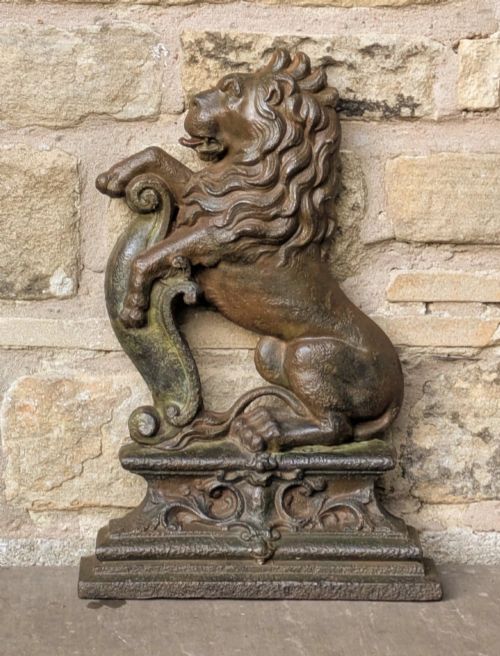
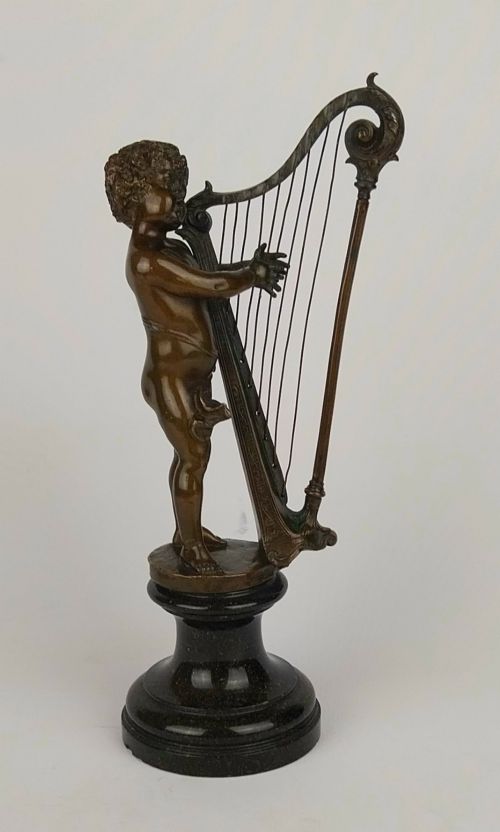
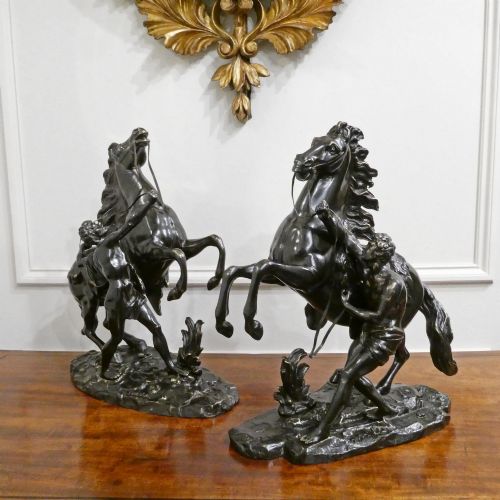
Metal sculptures frequently utilise bronze or cast iron, often finished with silvering, patination, or gilt layers to enhance surface texture. Ceramic pieces rely on porcelain, earthenware, or pottery bodies decorated with glazes, enamels, or delicate techniques such as pate-sur-pate.
Organic materials also feature prominently, with artisans employing carved cedar, hardwood, alabaster, and jade. These pieces demonstrate traditional hand-carving and moulding methods appropriate to each medium, whether handling dense stone or soft clay.
Vintage Decorative Figure Retail Price Guide 2026
Typical asking prices for vintage decorative figure among the pieces listed under this phrase on Sellingantiques today, from the lower quarter to the upper quarter. They describe what is for sale here now, not the wider market.
Listings feature items from the 1880s through the 1960s, spanning materials such as bronze, porcelain, jade, earthenware, and carved cedar.
Distinguishing quality in decorative figures
For ceramics and porcelain, quality is evident in the precision of the hand-painting, the evenness of the glaze application, and the delicacy of moulded details. Superior items maintain their original polychrome or metallic highlights without undue rubbing or loss to the decorative surface.
Maurice Giraud-Riviere·Bruno Zach·Antoine Louis Barye·Sitzendorf·Royal Doulton
The Vintage Decorative Figure Glossary
- Bisque
- Unglazed porcelain with a matte, fine-grained texture resembling marble. It is frequently used for nineteenth-century figurative sculptures and portrait busts.
- Cloisonne
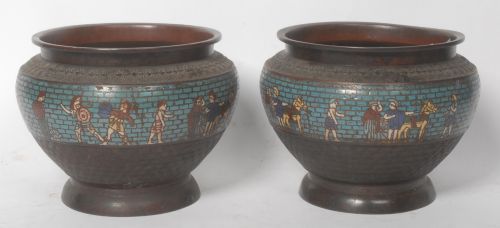
- Enamelwork in which enamel is applied to compartments separated by soldered wire strips on a metal base. This technique appears on decorative vessels and figurative items.
- Animalier
- A nineteenth-century artistic genre focusing on the realistic depiction of animals, particularly associated with bronze sculptures of beasts in action or repose.
- Pate-sur-pate
- A ceramic decoration technique where relief designs are built up in successive layers of liquid white porcelain slip on a coloured clay body.
Vintage Decorative Figure: Frequently Asked Questions
How do I identify Art Deco figures?
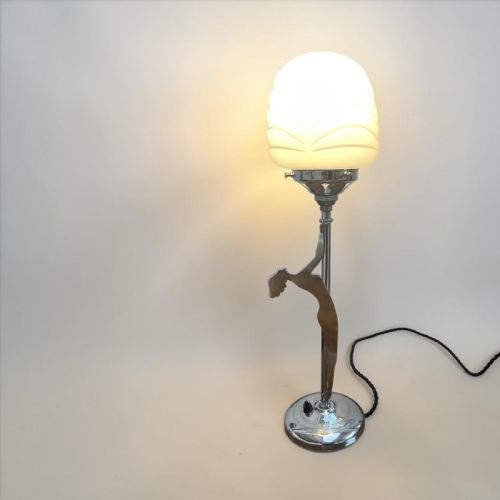
Art Deco figures typically feature streamlined shapes, stylised human or animal forms, and geometric bases. Materials often include silvered bronze, ceramics, and carved marble.
Common subjects from this era include dancers, athletes, and theatrical characters reflecting the design sensibilities of the interwar period.
Where were porcelain figures made?
Porcelain figures originate from various European and Asian traditions, with English, French, and German factories producing notable examples alongside East Asian ceramic works.
Factories like Sitzendorf and Royal Doulton utilised intricate moulding and hand-painting techniques to create detailed figurative ornaments.
How should I care for bronze sculptures?
Bronze sculptures require gentle dusting with a soft cloth to prevent particulate accumulation on the patinated surface. Avoid abrasive cleaners or excessive moisture.
Maintaining a stable indoor environment away from direct heat sources helps preserve the original metal finish and any underlying marble or wooden bases.