
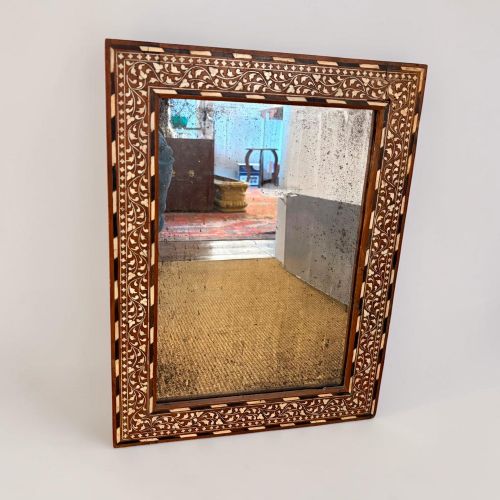
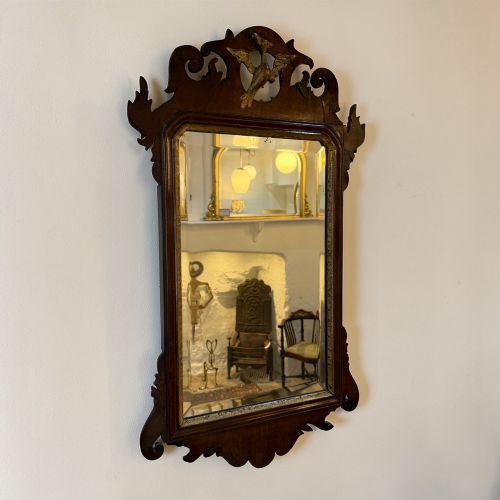
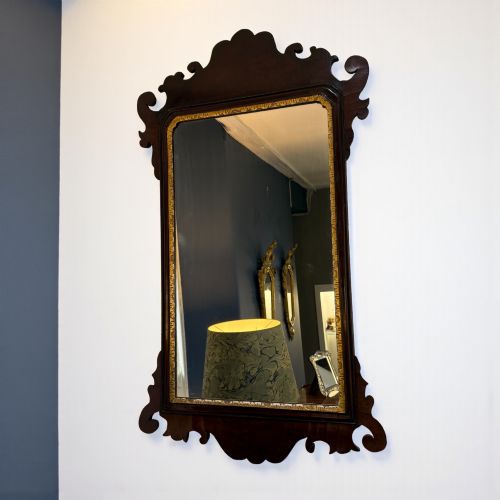
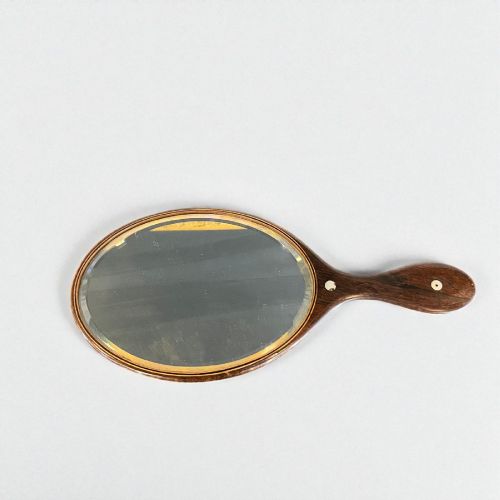
Vintage Dark Wood Mirror
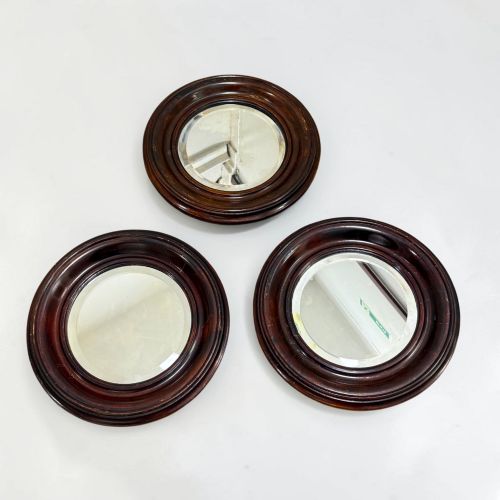
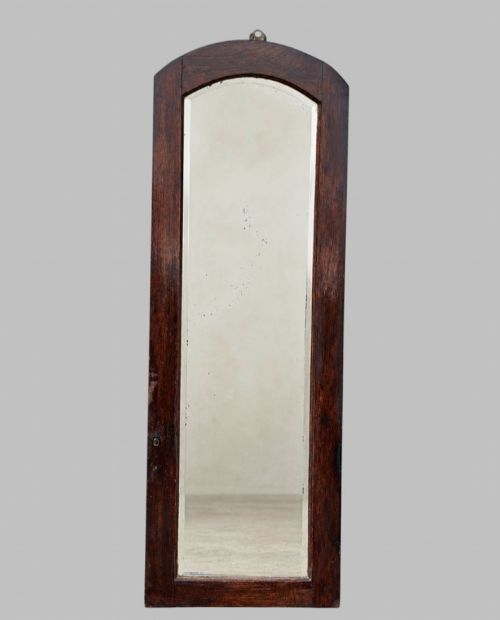
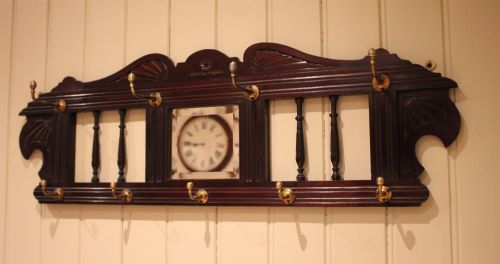
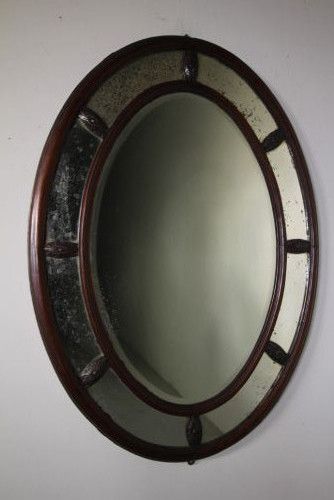
A vintage dark wood mirror brings deep mahogany and oak tones to a wall, offering rich grain and historic craftsmanship.
Vintage Dark Wood Mirror
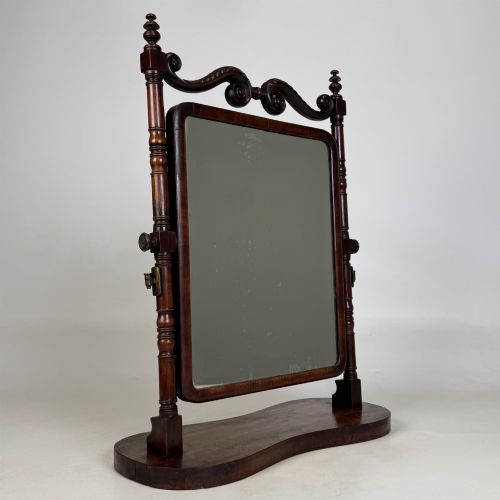
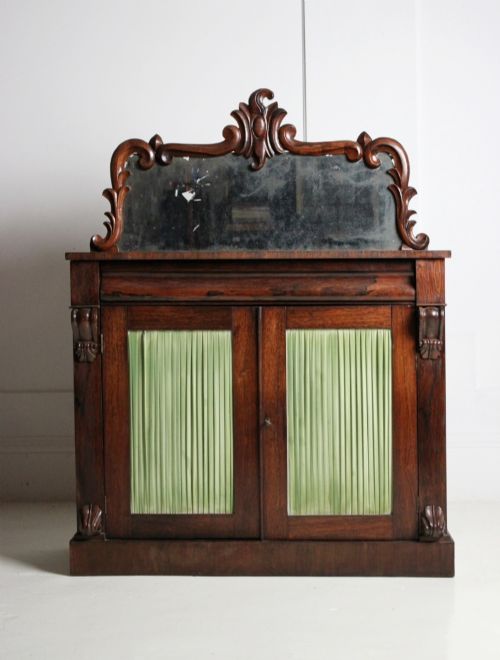
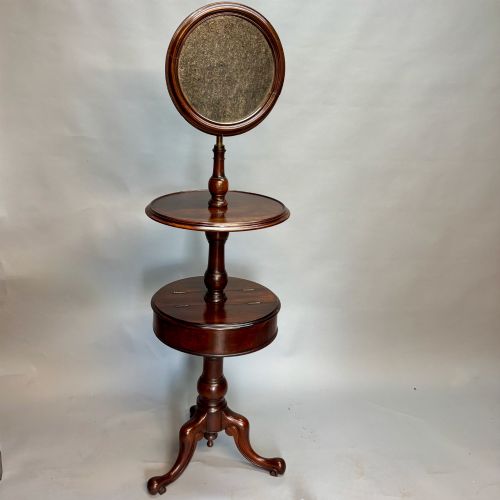
A vintage dark wood mirror spans centuries of cabinetmaking, featuring walnut, mahogany, and oak frames designed for walls, dressing tables, and floors. These pieces emerge from periods ranging from the Georgian era through the Victorian years and into the early twentieth century.
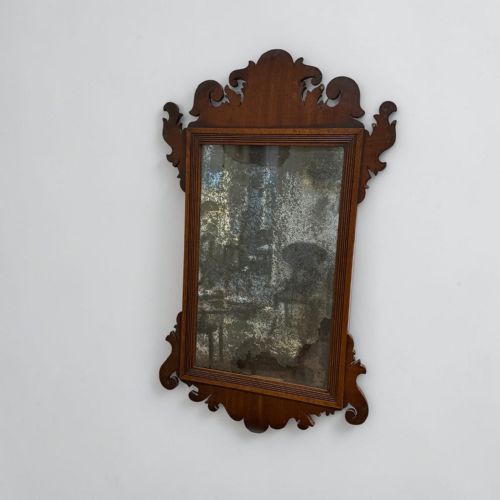
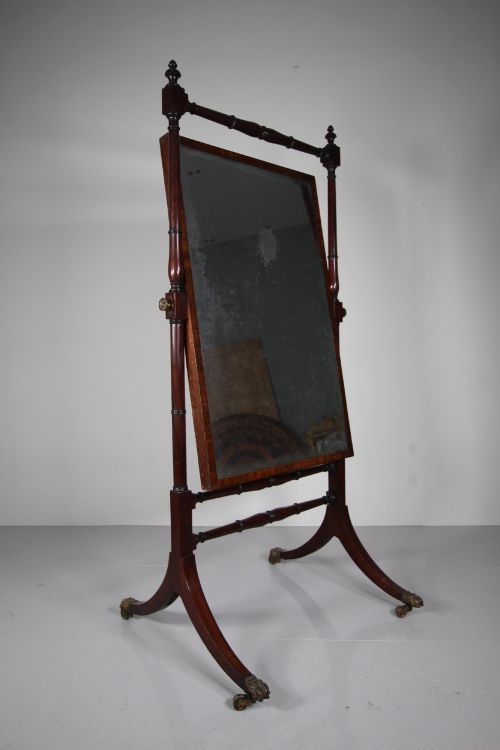
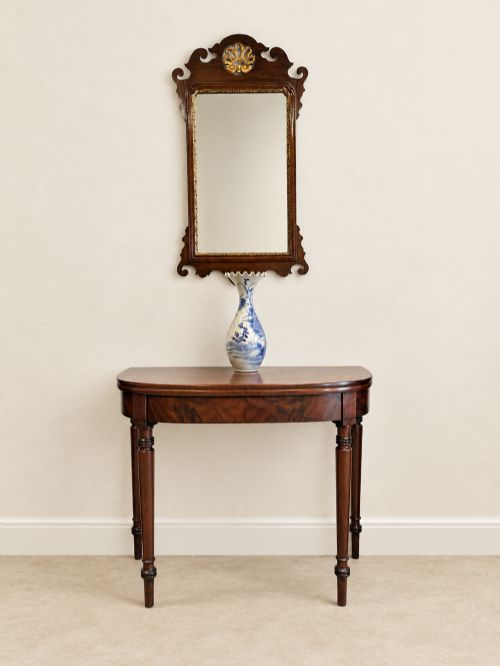
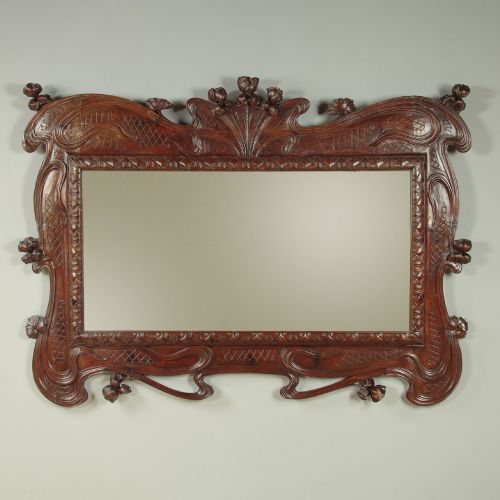
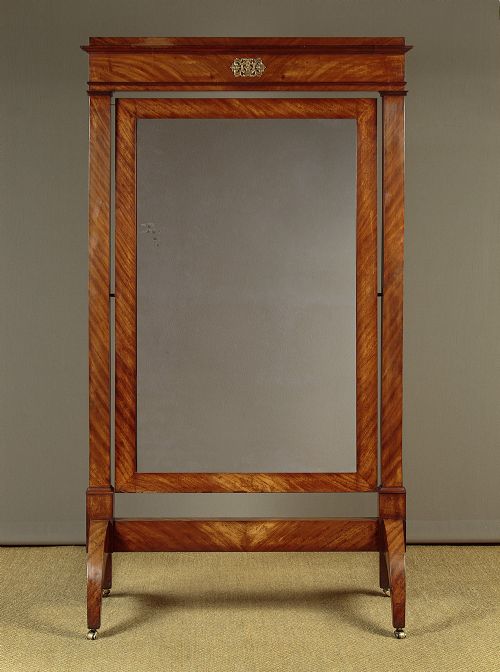
The most common form encountered on this page is the wall mirror, often framed in carved oak or rich mahogany. Cheval mirrors and overmantel pieces also appear, alongside smaller dressing table mirrors built with adjustable stands.
Origins stretch across English workshops, French revivals, and international pieces such as Anglo-Indian and North Indian works. Makers utilised dense timbers and bevelled glass to create functional household furnishings that doubled as decorative focal points.
What varies in quality
The depth and crispness of hand carving distinguish standard domestic items from superior studio work. Crisp fret-cutting, such as Chippendale-style fretwork or detailed Art Nouveau motifs, requires significant skill.
The choice of timber creates a marked difference, with Cuban mahogany or finely figured oak sitting above simpler pine frames stained to imitate dark wood. Original bevelled mirror glass and intact brass hardware also elevate a piece.
Keep an eye out for unusual cork tramp art frames tucked amongst the grand mahogany overmantels.
Waring & Gillow·Heal & Sons
The Vintage Dark Wood Mirror Glossary
- Cheval mirror
- A freestanding full-length mirror mounted in a frame that allows it to tilt. These often stand on four legs or a robust trestle base.
- Fretwork
- Openwork ornamentation carved or pierced from a thin board of wood. It frequently appears on Georgian and Victorian mirror frames.
- Overmantel mirror
- A large horizontal mirror designed to sit directly above a fireplace mantelpiece. They often feature carved wooden frames that match the domestic interior.
- Bevelled glass
- Glass with an edge cut at an angle to create a framed border effect. This technique catches the light and denotes finer mirror plates.
- Pier mirror
- A tall, narrow mirror designed to hang on the wall between two windows. They frequently paired with small tables or consoles beneath them.
Vintage Dark Wood Mirror: Frequently Asked Questions
How do I date a dark wood mirror?
Examine the timber, the construction joints, and the glass plate itself for clues to its period. Older pieces often use hand-sawn boards and mercury or early silvered glass with subtle imperfections.
Stylistic cues also help identify the era, such as the heavy carving of Victorian pieces or the lighter, organic lines associated with Art Nouveau and Edwardian designs.
Are cheval mirrors stable on carpets?
Cheval mirrors rely on their heavy wooden bases and side pivot screws to remain upright and adjustable. Placing them on thick carpet may require small adjustments to ensure the frame stays balanced.
Most freestanding models feature sturdy feet designed to distribute the weight evenly across the floor without tipping.
Can I polish the dark wood frame?
Applying a traditional beeswax polish helps nourish dry antique timber and maintains a soft sheen on mahogany and oak. Avoid modern silicone sprays that can build up and damage the historic finish.
Gentle cleaning with a soft cloth keeps dust away from both the wood and the glass without harming the original patination.