


Vintage Dancer Figure
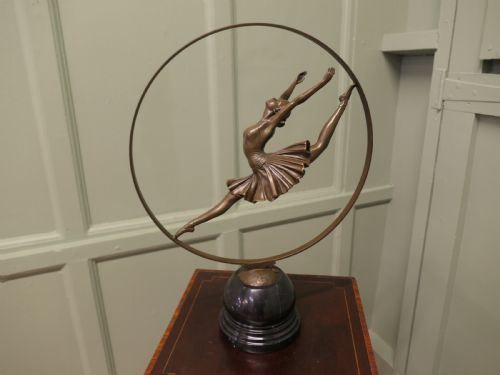
A vintage dancer figure captures movement in bronze, spelter, wood, or porcelain, bringing dynamic twentieth-century style into a room.
Vintage Dancer Figure
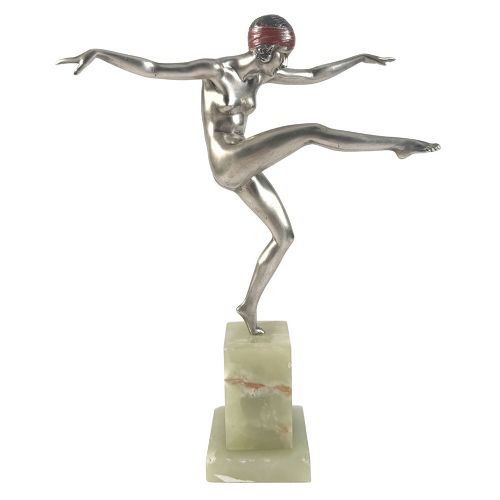
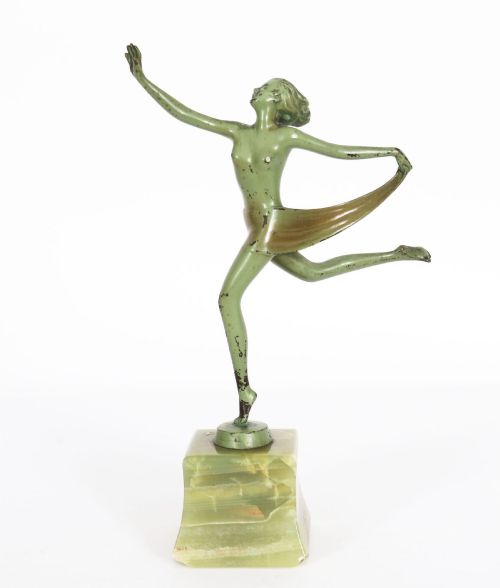
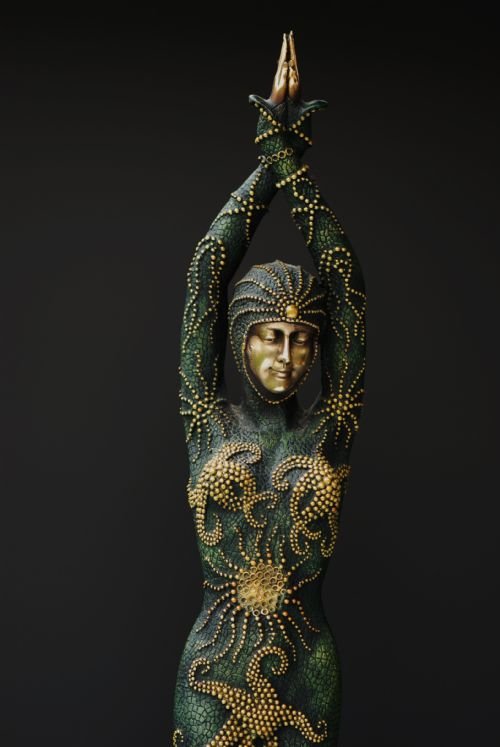
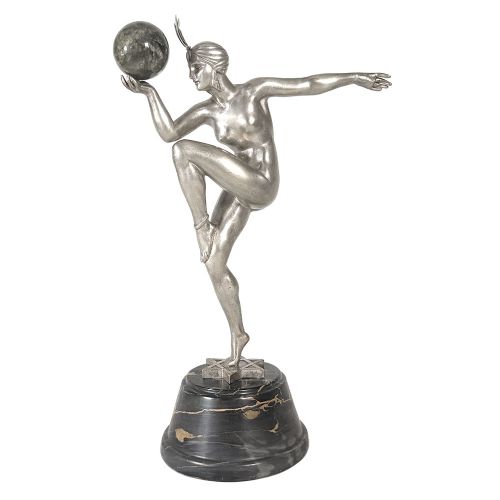
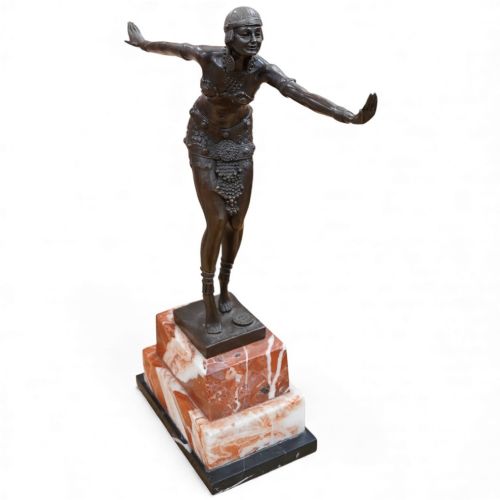
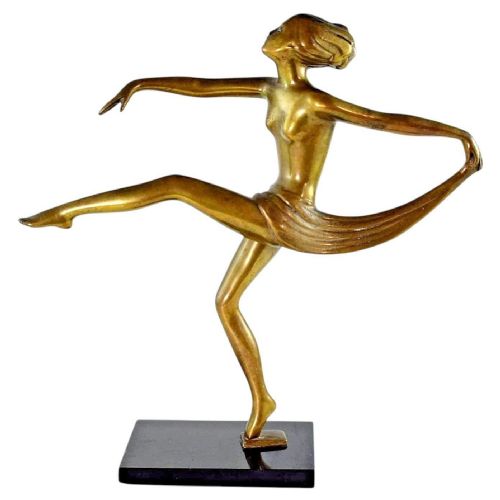
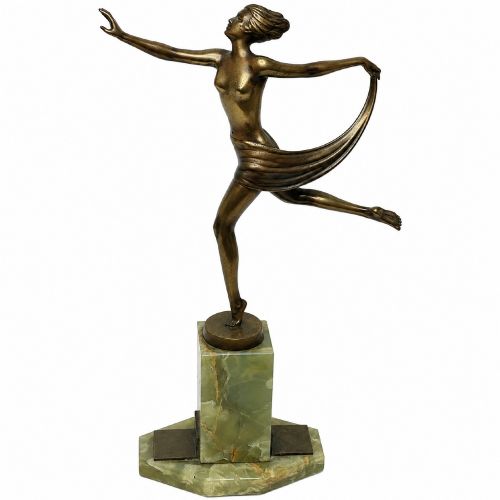
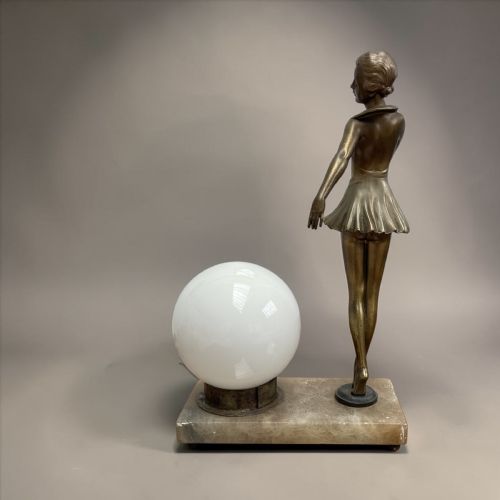
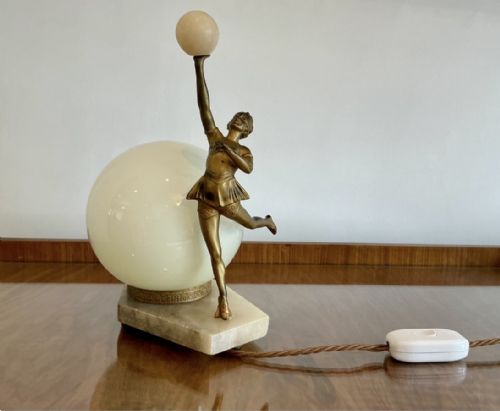
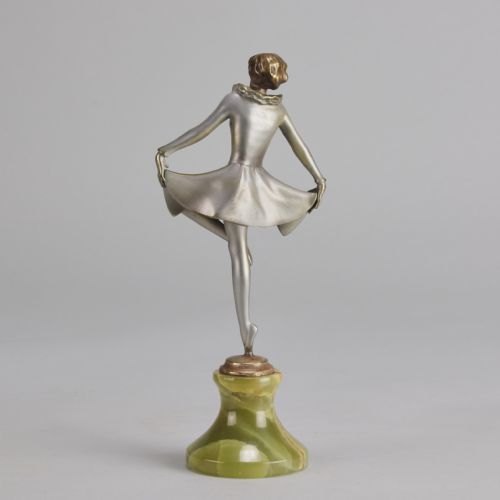
A vintage dancer figure encompasses sculptures, statuettes, lamps, and novelty objects produced across the early twentieth century, with the nineteen-thirties and nineteen-twenties heavily represented in current offerings. These pieces frequently depict female dancers, ballerinas, and oriental dancers adopting dramatic poses, often mounted on heavy stone bases.
The dominant aesthetic draws from Art Deco and Art Nouveau movements, alongside Victorian classical revival and Black Forest carving traditions. Forms range from realistic bronze casts to stylised wood and metal creations, sometimes incorporating functional elements such as lighting.
Materials and Techniques
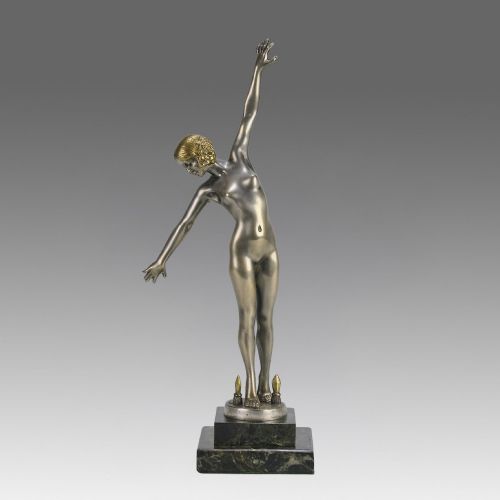
Foundry work dominates the metal output, utilising bronze, gilt bronze, silvered bronze, and spelter, often finished with cold-painting or patination. These metallic figures are commonly anchored to bases carved from marble, onyx, or alabaster.
Alternative media include carved limewood, porcelain, glass, and combinations of wood with brass or chrome plate and painted metal. Artisans employed traditional modelling, casting, and hand-carving techniques to capture flowing garments and arrested motion.
Vintage Dancer Figure Retail Price Guide 2026
Typical asking prices for vintage dancer figure among the pieces listed under this phrase on Sellingantiques today, from the lower quarter to the upper quarter. They describe what is for sale here now, not the wider market.
Several dancers balance precariously on solid stone spheres, defying gravity with permanent poise.
Assessing Quality
Quality rests in the precision of the casting and the crispness of the chisel work on chased bronze or carved wood surfaces, which separates master foundry production from commercial mass-market spelter casting. Details in facial expression, hand positioning, and drapery articulation indicate the skill of the original modeller.
The choice and integration of the supporting base also signal grade, where dense veined marble or alabaster complements the sculpture rather than serving as a basic mounting block. Signed pieces and documented attributions provide further distinction within the upper tier of works.
Ouillon Carrere·Maurice Giraud-Riviere·D.H. Chiparus·Bruno Zach·Pierre Collinet·Josef Lorenzl·Aurore Onu·Sier Kunst·Hagenauer·John Merrifield·Theo Voss·Pierre Le Faguays·Paul Philippe
The Vintage Dancer Figure Glossary
- Cold-painted bronze
- A technique where paint is applied to a cold bronze surface without heat-firing, often showing characteristic wear over time. This method was widely utilised for detailed twentieth-century figurines.
- Spelter
- An alloy of zinc and lead used as a less expensive alternative to bronze for sculptural casting. It requires patination or plating to simulate higher-value metals.
- Chryselephantine
- A term describing statues made from a combination of bronze and ivory. These pieces demand specialist conservation due to the differing organic and metallic expansion rates.
- Patination
- The chemical or natural surface colouring applied to metal sculptures. It enhances depth and highlights sculptural contours.
Vintage Dancer Figure: Frequently Asked Questions
What materials are vintage dancer figures made from?
Sculptures utilise metals such as bronze, silvered bronze, gilt bronze, and spelter, frequently mounted upon heavy marble, onyx, or alabaster bases. Alternative examples incorporate carved limewood, porcelain, glass, and brass.
Artists occasionally combined media, pairing painted metal with chrome plate or ivory to heighten the decorative impact of the composition.
How do I identify an Art Deco dancer?
Art Deco pieces display stylised geometric lines, aerodynamic forms, and depictions of motion inspired by modern dance and ballet of the period. The figures often feature elongated limbs, tight-fitting caps, and flowing drapery.
Foundations usually consist of stepped or spherical stone plinths, and signatures from known modellers occasionally appear on the base or figure.
Were these figures used as lamps?
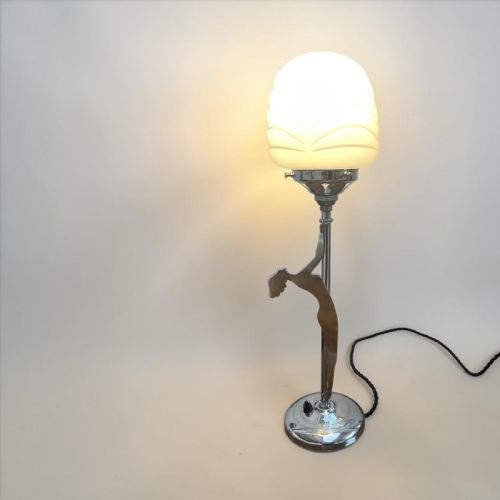
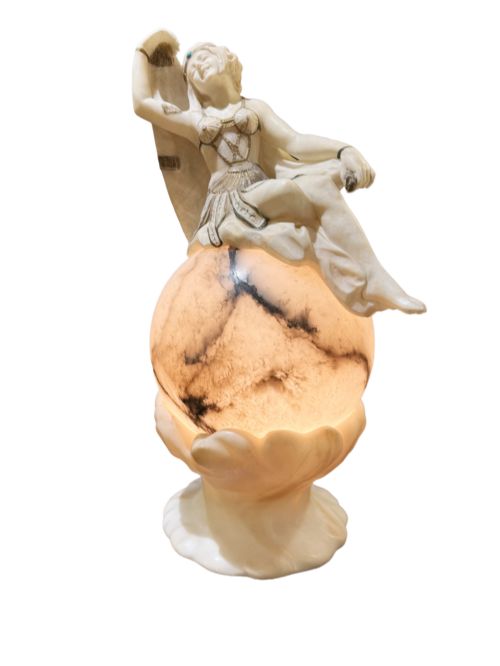
Some dancer sculptures incorporate functional lighting elements, functioning as table lamps where the female figure holds a shade or illuminates the space. These items merged domestic utility with sculptural display during the interwar period.
Wiring is typically twentieth-century or modern replacement, while the primary sculptural body remains cast metal, spelter, or alabaster.
What is cold-painted bronze?
Cold-painting involves applying polychrome pigments directly onto a cold bronze casting rather than fusing enamel through heat firing. This technique allowed makers to render elaborate stage costumes and facial details with high precision.
Over decades, handling causes natural rubbing to these pigments, which serves as an indicator of age and original production methods.