
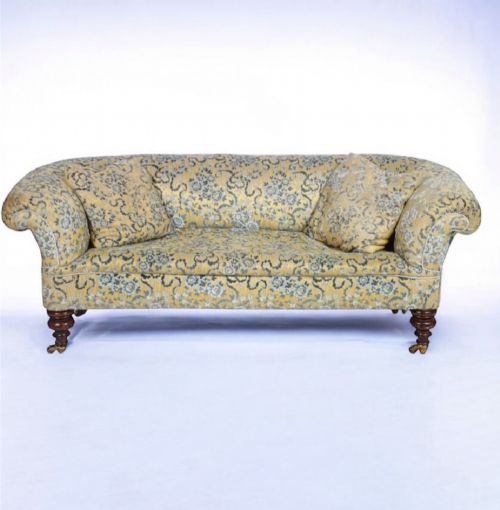
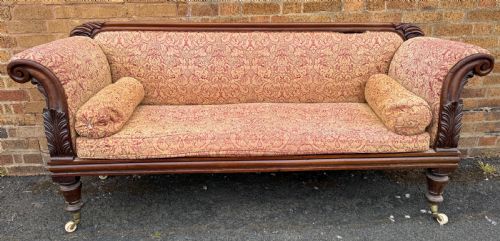


Vintage Damask Sofa
A vintage damask sofa brings unmistakable character to a room, offering period charm and deep seating built for comfort.
Vintage Damask Sofa
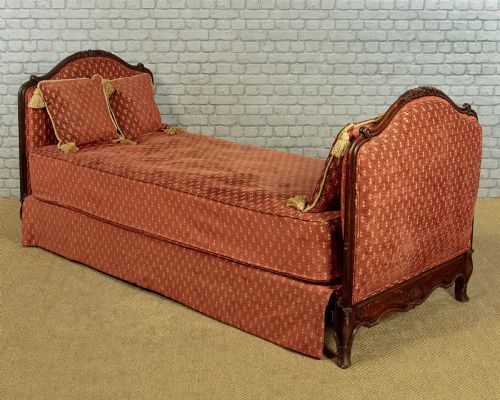
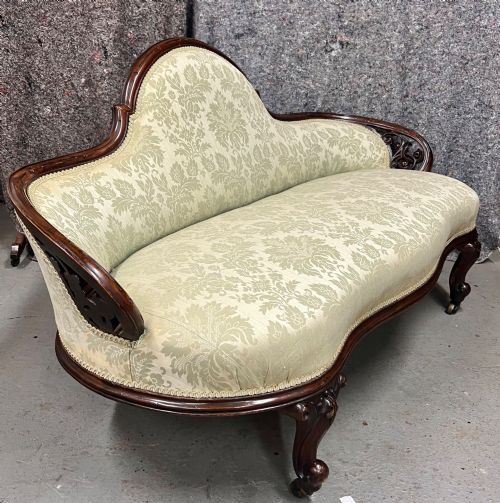
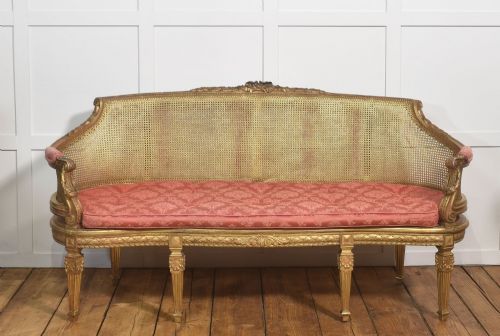
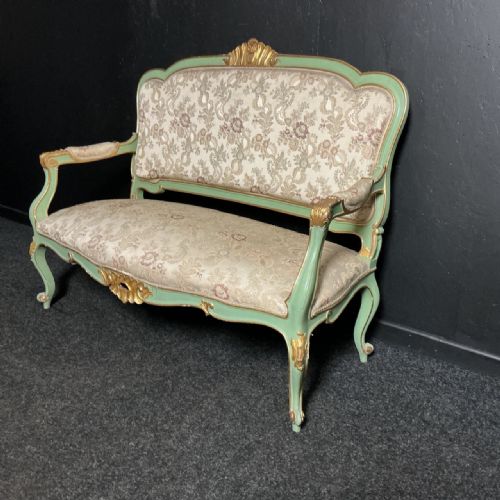
When you search for a vintage damask sofa, you are looking at substantial seating from periods ranging through the nineteenth century, the Edwardian era, and into the twentieth century. These pieces appear in forms such as settees, daybeds, and large salon suites.
The versions most likely to meet you on this page include nineteenth-century Chesterfields, Edwardian show-frame settees, and French-influenced giltwood or walnut designs. They bring traditional upholstery and patterned fabric directly into a modern interior.
How they were made
Makers constructed the frames of these pieces using sturdy timbers such as mahogany, walnut, and other hardwoods, often incorporating carved details or polished finishes.
Upholstery relies on traditional textiles, specifically damask fabric and woven variants, secured over sprung or padded seats.
Listings feature frames in mahogany, walnut, brass, and giltwood, paired with damask fabric and traditional upholstery.
What varies in quality
The distinction between ordinary and superior examples lies in the crispness of the timber carving and the architectural balance of the frame.
Higher quality shows in the structural integrity of the woodwork and the historical suitability of the upholstery textile chosen for the piece.
The Vintage Damask Sofa Glossary
- Damask fabric
- A reversible figured fabric with patterns formed by weaving, often used for upholstery on period seating.
- Show-frame
- A wooden frame left visible around the upholstered portions of a sofa or settee, displaying the carved wood.
- Chesterfield sofa
- A traditional deep-buttoned sofa design characterised by arms and back of the same height.
- Giltwood
- Timber coated with gold leaf or gold paint to give a decorative metallic surface finish.
- Salon suite
- A matching set of seating furniture, typically comprising a small sofa and associated armchairs.
Vintage Damask Sofa: Frequently Asked Questions
How do I clean a damask sofa?
Vacuum the fabric gently using a soft brush attachment to remove surface dust without catching the woven threads. Consult a specialist professional cleaner for any deeper marks.
Avoid using excessive water or standard household detergents, as moisture can damage both the historic textile and the internal padding.
Are these sofas comfortable for daily use?
Many period pieces offer deep seating and supportive sprung bases designed for traditional relaxation.
Comfort levels depend on the specific internal condition and whether the upholstery retains its original supportive padding or has been restored.
How do I identify an Edwardian sofa?
Edwardian pieces often display lighter mahogany or walnut frames influenced by earlier revival styles like Chippendale or Queen Anne. Look for proportions and decorative carving typical of the early twentieth century.
Construction details and timber characteristics help distinguish these pieces from heavier Victorian equivalents.
Can I reupholster an antique settee?
Reupholstering is a common practice for pieces requiring refreshed fabric or updated internal support while preserving the wooden frame.
Choose traditional materials and techniques where possible to maintain the structural integrity and historical character of the furniture.