


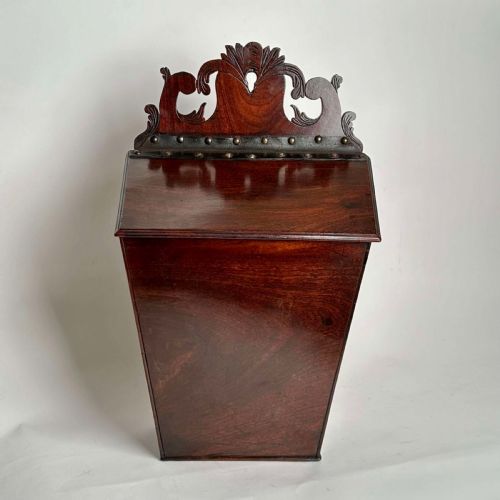


Vintage Cutlery Holder
These vintage cutlery holder pieces range from Georgian mahogany boxes to Victorian silver plated rests, keeping dining tables orderly and silver polished.
Vintage Cutlery Holder
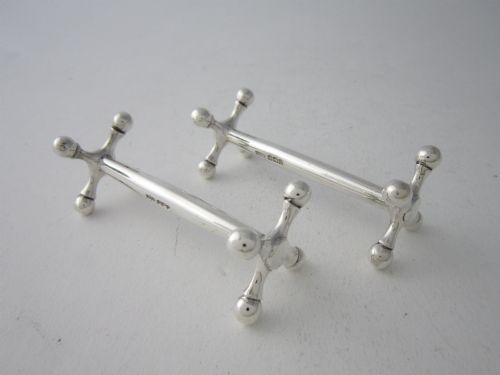
When you search for a vintage cutlery holder, you encounter a varied selection of functional dining items spanning several centuries. The pieces on this page include knife rests, cutlery boxes, trays, spoon racks, and hanging boxes.
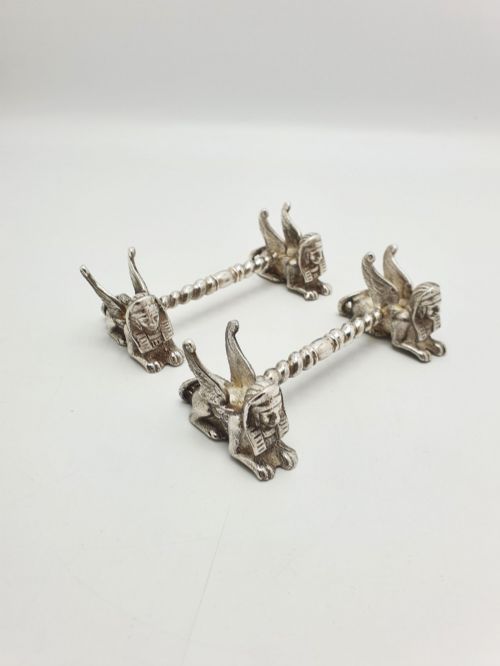
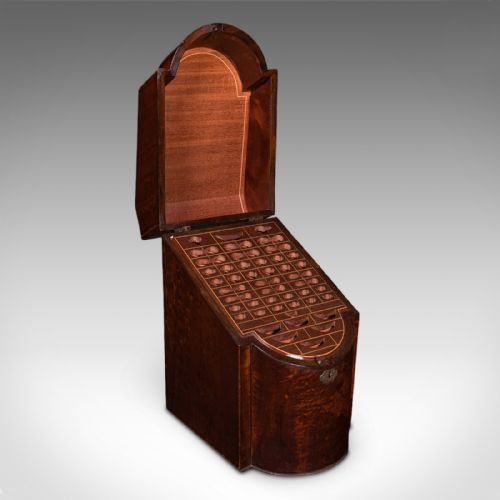
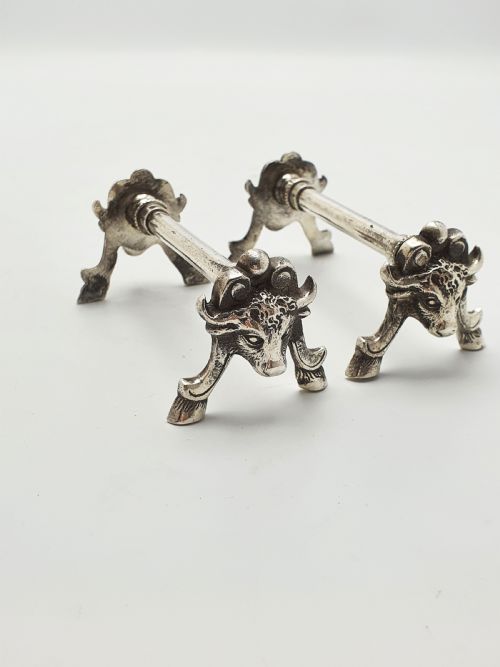
Mahogany cutlery boxes from the Georgian and 19th-century periods appear alongside silver plated knife rests depicting sphinxes, bull heads, and rampant lions. Oak, walnut, pine, and fruitwood form the structural basis of the larger storage boxes and trays.
The assortment reflects domestic routines from the 17th century through the Edwardian era and the 1930s. Smaller table accessories like napkin rings and spoon racks complete the selection alongside utilitarian kitchen organisers.
Evaluating quality and execution
Quality rests on the crispness of detail in cast silver plate and the joinery of timber boxes. Superior knife rests exhibit clear casting in figural motifs like lions or sphinxes, while better boxes show precise wood selection and secure internal fittings.
The integrity of original plating on silver items and the retention of proper hardware on wooden carriers distinguish finer examples. Patina accumulated through age adds character when the underlying structure remains sound and unaltered.
Dining tables gain unexpected animal company when sphinx and bull head knife rests stand guard beside the dinner plates.
Creswick
The Vintage Cutlery Holder Glossary
- Knife rest
- A small support designed to keep carving or dining knives elevated above the tablecloth between courses. These typically take the form of bars on feet or detailed figural castings.
- Cutlery box
- A specialised wooden container built to store flatware securely, often featuring fitted interior compartments. Many examples date from the Georgian period and utilise mahogany or oak.
- Spoon rack
- A wall-mounted wooden rack constructed to display and store spoons, frequently paired with pewter spoons in historical settings. These pieces organise utilitarian tableware for easy access.
- Old Sheffield plated
- An early composite material made by fusing a thin sheet of silver to a thicker copper base. This technique produces items with a distinctive warm lustre.
- Butler's carry
- A portable wooden tray or box featuring a central upright handle for transporting table service items between rooms. These are constructed from domestic hardwoods like oak and walnut.
Vintage Cutlery Holder: Frequently Asked Questions
What is a knife rest used for?
Knife rests keep the blades and handles of carving or dining knives elevated off the table linen. This practice prevents sauces and grease from soiling the cloth during meals.
The accessories sit beside each place setting or near the carving station. Victorian and Edwardian examples often feature decorative cast metal designs to add visual interest to the table.
How do I use a cutlery box at home?
Historic cutlery boxes serve as functional storage for flatware or stationery on sideboards and desks. Their divided interiors accommodate various utensils neatly.
Wooden boxes made from mahogany or oak bring traditional warmth to dining rooms or studies. They protect silver and steel implements from dust while remaining accessible.
How do I date a wooden cutlery box?
Dating relies on examining the timber species, construction joints, and overall form. Georgian and 19th-century pieces often display characteristic mahogany grain and hand-cut dovetails.
Hardware such as brass hinges and carrying handles also provides clues to the manufacturing period. Secondary woods inside the box help confirm the region of origin.
What is the difference between silver plate and sterling silver?
Sterling silver consists of a solid precious metal alloy containing a fixed proportion of pure silver. Silver plated items feature a thin layer of silver bonded to a base metal core.
Pieces made from sterling silver carry official hallmarks indicating the assay office and date. Silver plated items rely on maker marks or descriptive plating terms.
Where should I place a spoon rack?
Spoon racks mount securely to kitchen or dining room walls to display collections of antique spoons. The upright slots hold each spoon safely by the bowl or handle.
Oak and pine versions harmonize well with rustic or traditional kitchen interiors. They transform utilitarian tableware into an attractive wall display.