
Vintage Curb Link Chain
A vintage curb link chain brings interlocking geometry and heavy metalwork to the wrist or neck, prized for its tactile weight.
Vintage Curb Link Chain
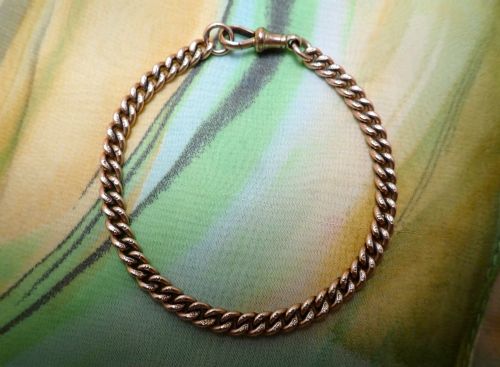
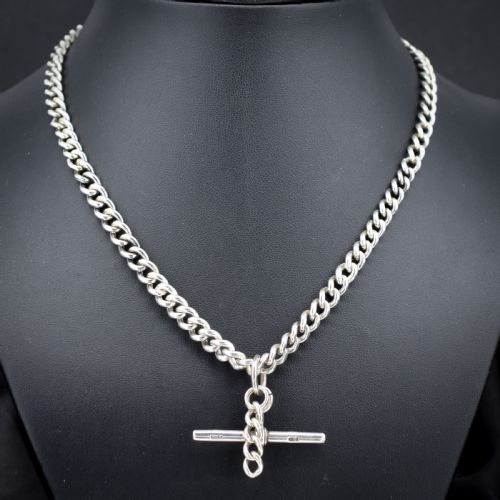
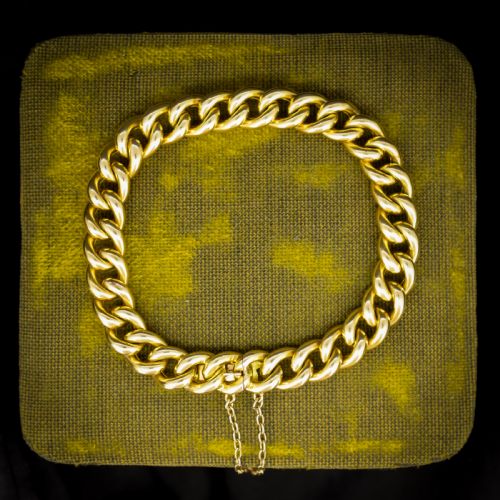
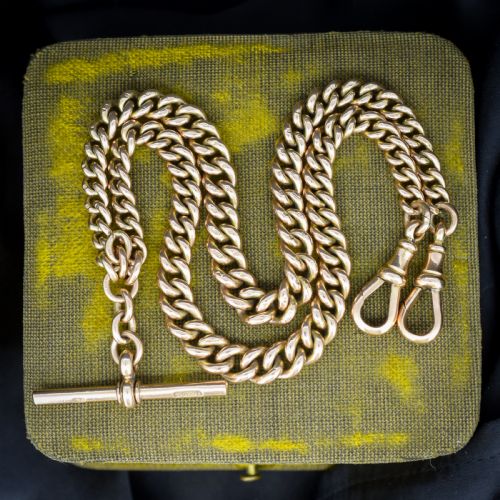
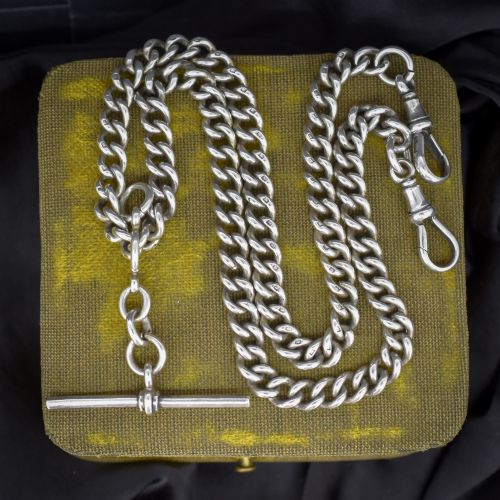
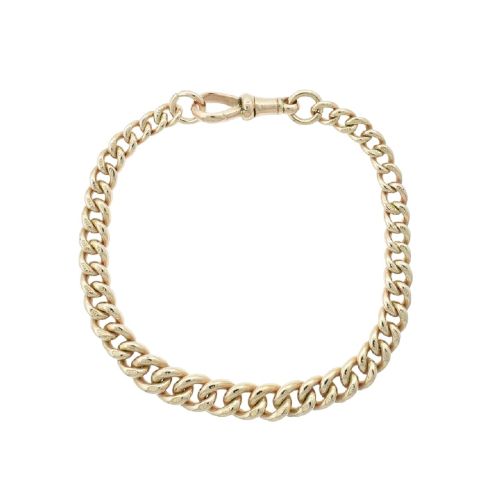
A vintage curb link chain consists of uniformly flattened or slightly twisted interlocking links that lie flat against the skin. When searching this phrase, a buyer encounters substantial pieces originating from the Victorian, Edwardian, and Art Deco periods.
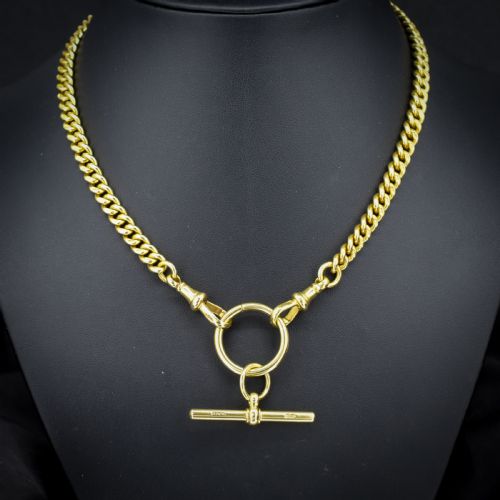
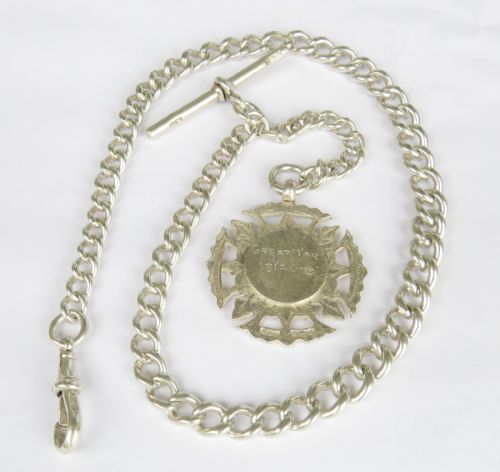
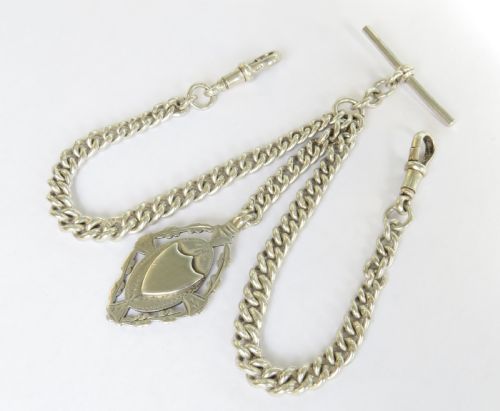
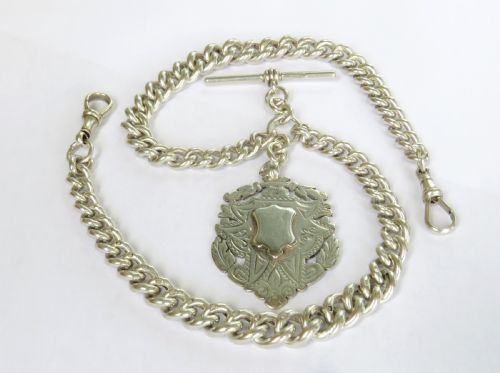
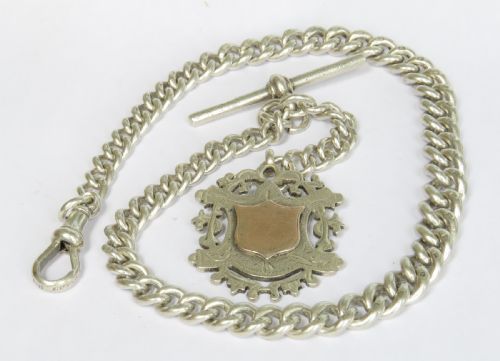
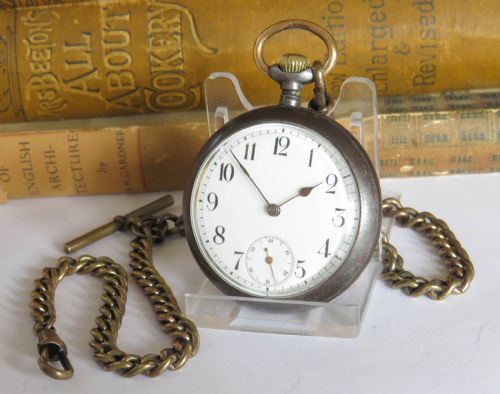
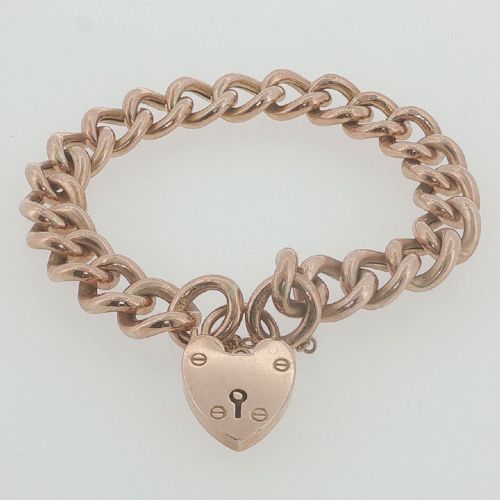
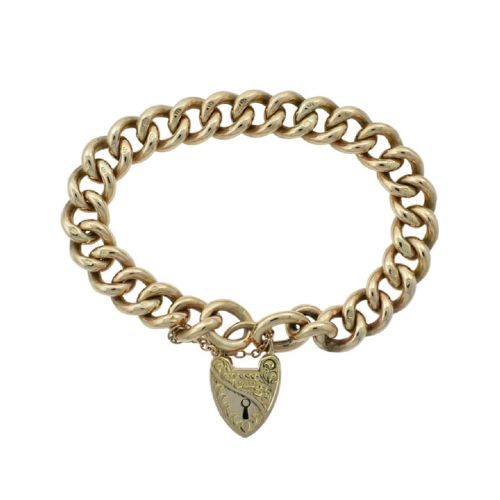
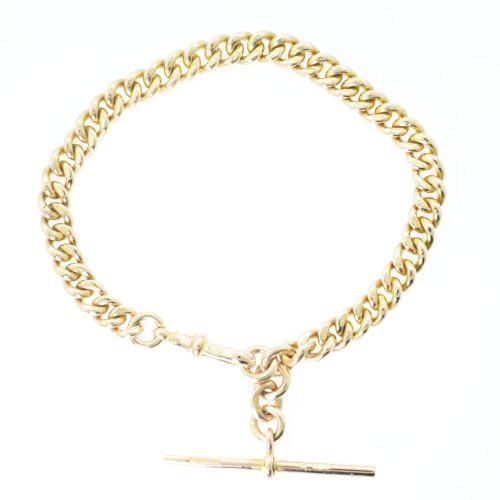
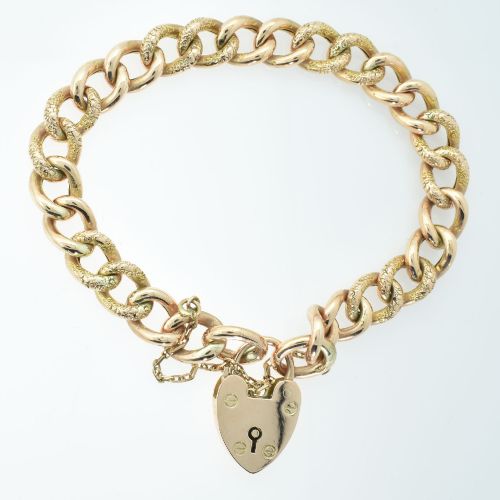
The selections span functional pocket watch chains, known as alberts, alongside robust bracelets and longer guard chains. Many examples incorporate traditional fastenings such as dog clips, T-bars, and heart padlocks.
Most items on this page manifest in precious metals, particularly sterling silver and various tones of gold. These range from short, graduated necklace lengths to long chains designed to be doubled.
Materials and construction
Craftsmen built these pieces using sterling silver and solid gold, predominantly in nine-carat rose or yellow hues, alongside rolled gold variants. Metal content was frequently stamped with hallmarks indicating assay offices like Chester or Birmingham.
Individual links were shaped, soldered, and assembled by hand or early mechanical assistance to create fluid movement without twisting. Some links display half-engraved surface decoration or geometric patterns characteristic of their era.
Listings feature sterling silver and nine-carat rose gold predominantly, spanning the nineteenth century through the Art Deco era.
Distinctions in craftsmanship
Quality rests in the structural integrity of the individual links and the precision of the interlocking mechanism. Pieces with every link hallmarked demonstrate superior original manufacture and accountability.
Substantial weight, crispness of hand-engraving, and original secure clasps like dog clips or swivels separate robust daily wear items from lighter productions.
Omega·Tavannes·Horos·Tellus
The Vintage Curb Link Chain Glossary
- Curb link
- A chain design featuring identical links that are twisted and flattened to lie uniformly flat. This profile creates a smooth, comfortable surface against the body.
- Dog clip
- A spring-loaded snap fastening commonly used on watch chains and bracelets. It allows the wearer to attach pendants, fobs, or secure the chain to itself.
- T-bar
- A small crossbar attached to a watch chain that slips through a buttonhole to anchor a pocket watch. It remains a defining feature of period albert chains.
- Rolled gold
- A material made by bonding a thin sheet of gold to a base metal core under heat and pressure. This offers the appearance of solid gold with increased durability.
Vintage Curb Link Chain: Frequently Asked Questions
How do I wear a vintage watch chain as a necklace?
Many pocket watch chains feature dog clips and T-bars that allow them to be secured around the neck as short or double-strand necklaces.
The original functional elements, such as swivels and fobs, are often left attached to enhance the historical aesthetic.
What is the difference between an albert chain and a standard chain?
An albert chain was originally made to secure a pocket watch, incorporating a T-bar and drop pieces for fobs or seals. Standard necklaces or bracelets lack these specific anchoring components.
Albert chains are generally heavier and display distinct graduating link sizes designed to bear the weight of a timepiece.
How can I date my curb link chain?
Dating relies primarily on accompanying hallmarks, assay office marks, and style conventions typical of the Victorian, Edwardian, or Art Deco periods. Engraved dates on attached fobs or medals also provide specific points of reference.
Physical characteristics such as rose gold content and hand-engraved patterns frequently point toward the turn of the twentieth century.
Can these chains be worn every day?
Solid silver and gold curb link chains are robustly constructed and well-suited for regular daily wear. Their flat profile helps them resist catching on clothing.
Regular checks on the spring mechanisms of dog clips and spring rings ensure the security of heavier pieces.