


Vintage Cup Handle Chest
These vintage cup handle chest pieces bring practical storage and period character to a room, offering sturdy multi-drawer designs built for daily utility.
Vintage Cup Handle Chest
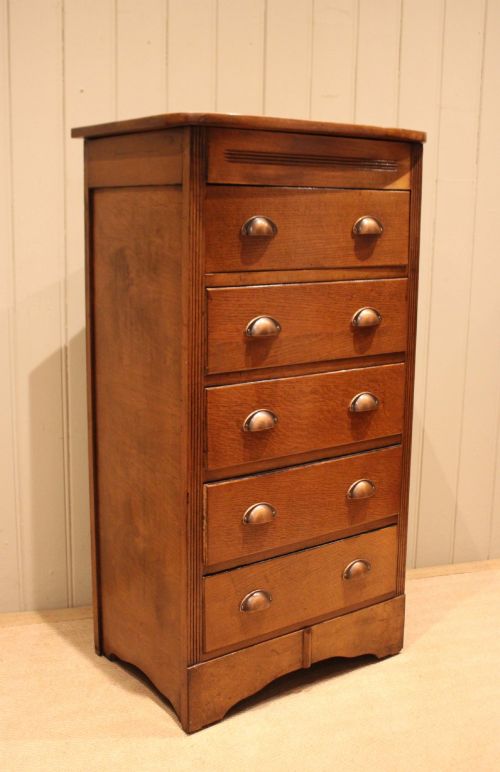
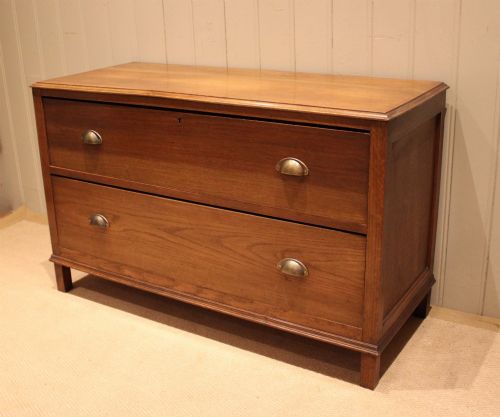
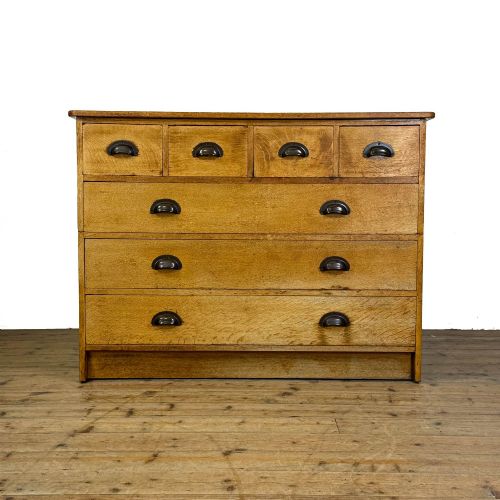
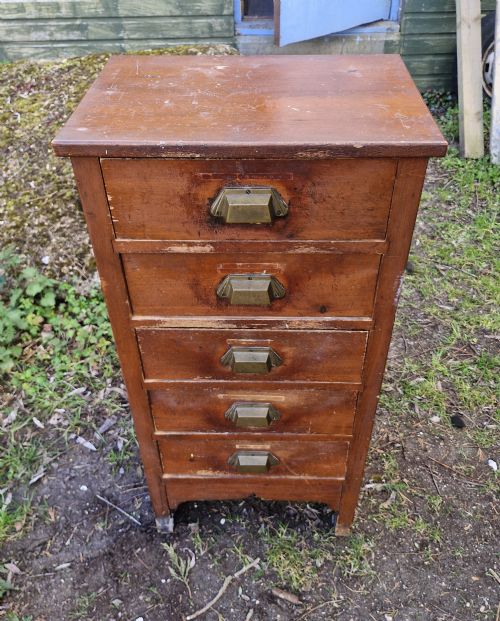
A vintage cup handle chest is a multi-drawer storage unit designed for commercial, office or domestic use, ranging from filing cabinets and plan chests to traditional chests of drawers and shop counters. Buyers seeking this form will encounter various multi-drawer configurations spanning the Victorian, Edwardian, and mid-century utility eras.
The pieces listed on this page include tall and low oak chests, walnut bank chests, pitch pine plan chests, and mahogany drapers counters. These items originate from periods between the late nineteenth century and the mid-twentieth century, highlighting robust cabinetry made for storage.
Most examples rely on functional bank of drawer layouts, shop counter formats, or office filing designs rather than delicate parlour furniture. This utilitarian background gives each vintage cup handle chest its characteristic proportion, capacity, and workshop aesthetic.
How they were made
Construction relies primarily on timbers such as oak, walnut, pitch pine, mahogany, and standard pine, chosen for strength and utility. Cabinetmakers built these multi-drawer carcases to withstand heavy commercial or office environments, using durable joinery suited to daily pulling and sliding.
Hardware forms an integral part of the manufacture, featuring brass cup handles, scalloped brass pulls, and metal grips fitted securely to each drawer front. Polished finishes or natural timber surfaces protect the wood while revealing its grain across shop counters, plan chests, and office cabinets.
A flight of twelve walnut drawers proves that sorting small items has tested human patience since at least nineteen-ten.
What varies in quality
Quality in a vintage cup handle chest rests upon the integrity of the timber selection, such as figured walnut, polished mahogany, or substantial oak, alongside the weight of the carcase. Finer examples display well-matched drawer fronts, graduated proportions, and robust internal framing that keeps multiple drawers running true.
The quality of the hardware also distinguishes pieces, with heavy cast brass cup handles or scalloped metal pulls offering a superior tactile experience compared to simpler replacements. Original period fittings, clean interior drawer boxes, and thoughtful proportion elevate an everyday utility piece into a refined specimen of period cabinetry.
The Vintage Cup Handle Chest Glossary
- Cup handle
- A half-moon or shell-shaped metal pull attached to a drawer front, allowing fingers to fit underneath for lifting. This hardware style is typical on utilitarian office and shop furniture.
- Plan chest
- A wide, shallow multi-drawer cabinet originally built for storing architectural drawings and maps. These pieces offer exceptional surface area and low profiles.
- Bank of drawers
- A chest featuring a large array of smaller drawers arranged in rows and columns. They were traditionally utilised in shops, offices, and workspaces for sorting items.
- Drapers counter
- A long shop counter fitted with multiple drawers facing the shop floor or rear workspace. These items served merchants for storing textiles and haberdashery.
- Graduated drawers
- A series of drawers in a single chest that decrease in depth from bottom to top. This arrangement provides stability and visual balance to tall storage units.
Vintage Cup Handle Chest: Frequently Asked Questions
What is a cup handle chest?
A cup handle chest is a multi-drawer storage unit fitted with semi-circular metal pulls, designed for practical organisation in offices, shops, and homes. These pieces range from narrow office filing cabinets to wide plan chests.
They combine robust utilitarian construction with accessible drawer layouts, making them popular for contemporary interior storage solutions.
How do I date a chest?
Dating these chests involves examining the timber species, construction methods, and hardware styles associated with specific eras like the Victorian or Edwardian periods. Utility furniture often bears marks of wartime manufacturing restrictions.
Changes in drawer linings, backboards, and the design of the brass cup handles also help narrow down the decade of manufacture.
Where were these chests used?
Many of these pieces originated in commercial settings such as drapers shops, offices, and architects' studios where large volumes of paperwork or small goods required sorting. Bank chests and shop counters served administrative and retail functions.
Over time, these functional workshop items transitioned into domestic interiors for storing household items and clothing.
How do I care for timber?
Maintaining vintage timber chests requires keeping them away from direct heat sources and fluctuating humidity to prevent wood movement and splitting. Regular dusting with a dry cloth protects the polished surface.
Applying a traditional beeswax occasionally helps nourish older oak, walnut, and mahogany finishes without sealing the grain.