


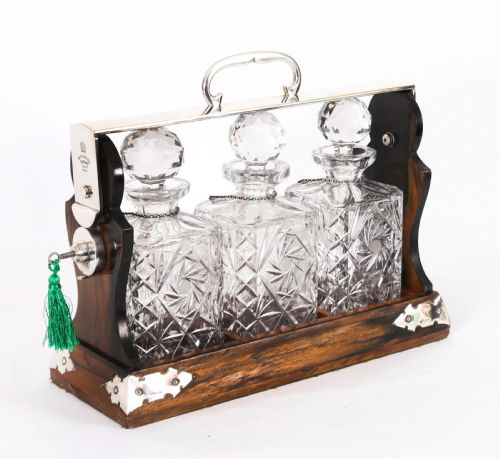

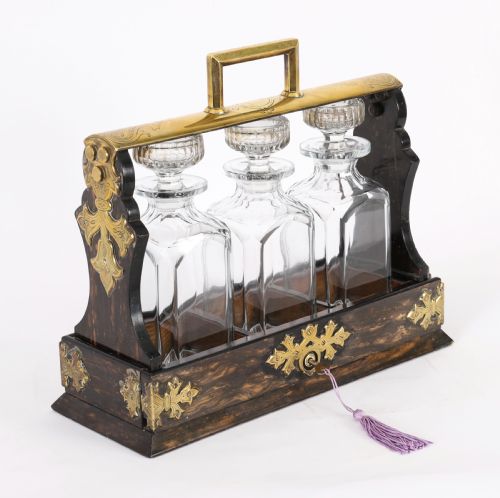


Vintage Crystal Stand
A vintage crystal stand holds your spirits, condiments and candles with heavy glass brilliance and structural metalwork.
Vintage Crystal Stand
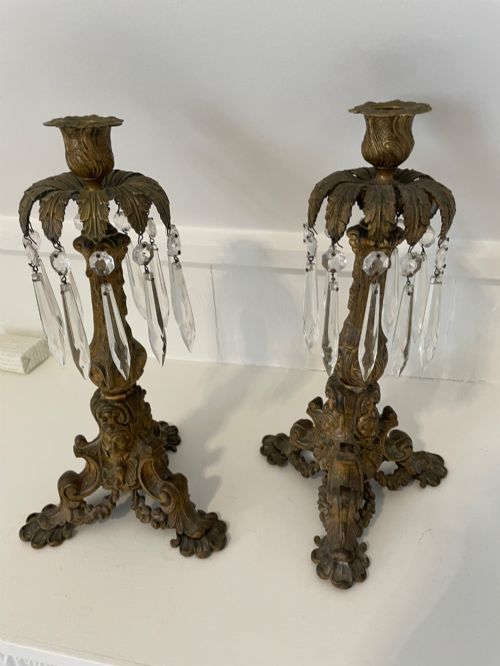
When buyers search for a vintage crystal stand, they encounter an assortment of functional table pieces designed to hold cut glass vessels, decanters, or candles securely. These items range from Georgian and Victorian cruet frames to Edwardian tantaluses, Art Deco barware sets, and heavy glass candlesticks.
The most common examples on this page combine transparent cut crystal or glass with silver plated metal, brass, or oak frames. They served dining tables, sideboards, and drawing rooms across the nineteenth and twentieth centuries to organise bottles and display tableware.
Materials and construction
Pieces combine heavy lead crystal or cut glass with metal mounts in silver plate, brass, or ormolu, alongside timber frames in oak and coromandel. Glass components utilise deep hand-cut facets and moulded details, while metal stands employ casting, silver plating, and secure mechanical joints to hold fragile vessels.
Makers integrated sturdy wooden bases with locking mechanisms for tantaluses or delicate wirework and cast frames for cruet sets and candelabra. The combination of dense glass and supportive metal frameworks ensured both stability and visual contrast.
Vintage Crystal Stand Retail Price Guide 2026
Typical asking prices for vintage crystal stand among the pieces listed under this phrase on Sellingantiques today, from the lower quarter to the upper quarter. They describe what is for sale here now, not the wider market.
A specialised Halloween punch bowl sits among the crystal glassware, proving festive spirits existed long before modern celebrations.
Assessing quality and manufacture
Quality separates pieces through the depth and crispness of the glass cutting, the weight of the crystal, and the substance of the supporting metal or timber. Superior examples feature heavy lead glass with sharp facets that catch light cleanly, alongside substantial silver plating or solid oak foundations.
Design complexity and maker execution distinguish finer items, such as multi-bottle tantaluses with working locks, matched sets of cut crystal bottles, and cast ormolu mounts with refined detail rather than plain plated frames.
Betjemann·Rene Lalique·Elkington·Clarke·Hukin and Heath
The Vintage Crystal Stand Glossary
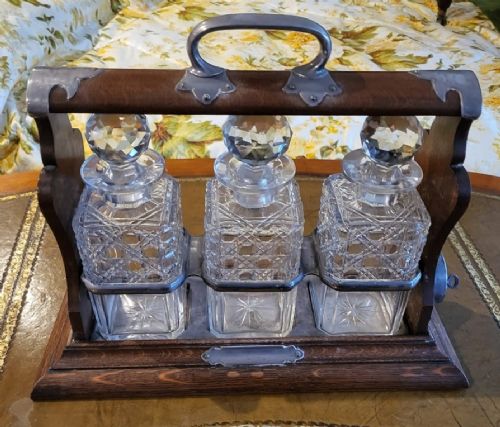
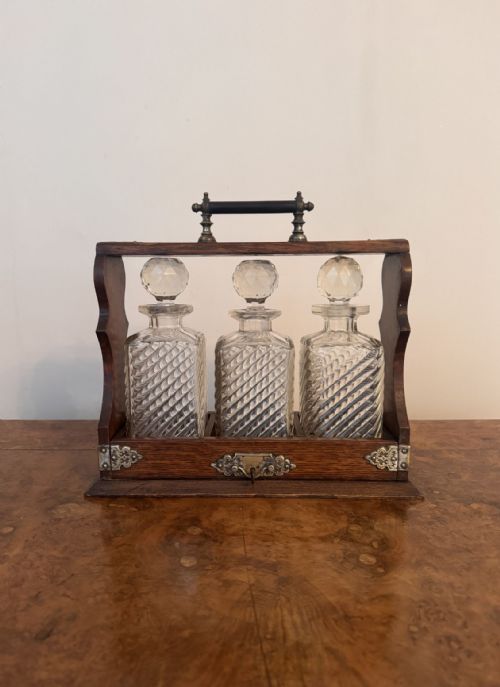
- Tantalus
- A locked wooden or metal stand holding decanters so they remain visible yet inaccessible without a key. The design prevented servants from sampling the master's spirits.
- Cruet set
- A matched collection of glass bottles and jars held in a metal frame for condiments, oil, and vinegar at the dining table. These stands often include handles for passing around guests.
- Ormolu
- Finely chased brass or bronze given a high-gilt finish to resemble solid gold. This decorative metalwork appears on nineteenth-century French and English stands.
- Silver plate
- A thin layer of silver fused to a base metal such as copper or brass. It gave dining wares the appearance of solid silver at a lower cost.
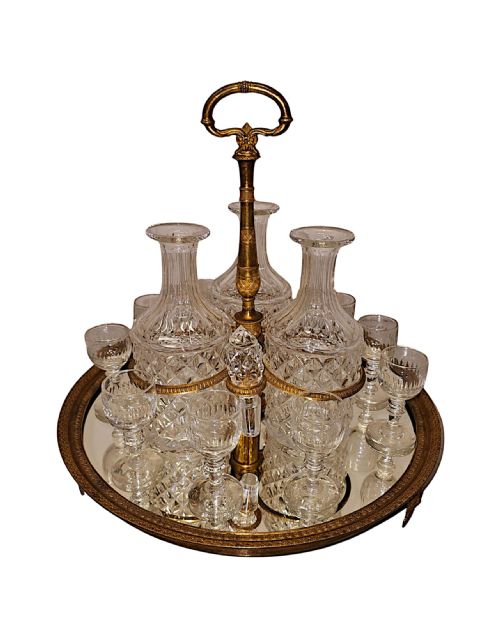
- Cave à liqueur
- A portable fitted case or stand housing glassware and decanters for serving liqueurs. These sets frequently incorporate ornate French metalwork.
Vintage Crystal Stand: Frequently Asked Questions
What is a tantalus stand?
A tantalus is a locking wooden or metal frame designed to secure spirit decanters.
It displays the bottles while keeping the contents safely locked away from unauthorised access.
How were cruet sets used?
Cruet sets held oils, vinegars, and condiments in matching glass bottles.
They stood in the centre of the dining table during meals for guests to season their food.
Are the decanters original to the stands?
Many stands retain their matched original cut crystal bottles, particularly those with fitted frames.
Over the decades, some glass components were replaced if damaged during use.
How do I clean silver plated metal?
Silver plate requires gentle cleaning with a soft cloth and specialised silver polish.
Avoid harsh abrasives to preserve the thin metal coating over the base brass or copper.
What distinguishes Edwardian stands from Victorian ones?
Victorian stands tend to feature heavier, more ornate ormolu mounts and deep cut glass.
Edwardian pieces often embrace lighter oak frames, cleaner silver plate lines, and varied Art Nouveau influences.