





Vintage Crystal Decanter Set
A vintage crystal decanter set brings structured elegance to entertaining, holding spirits within heavy glass and fitted frames.

Vintage Crystal Decanter Set
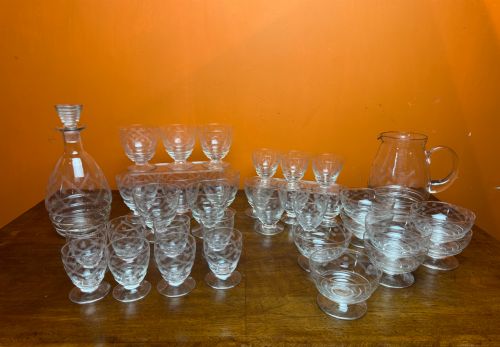
A vintage crystal decanter set encompasses everything from matched glassware arrangements to elaborate locking spirit frames designed for the Victorian and Edwardian dining room. When searching for a vintage crystal decanter set, buyers encounter configurations ranging from simple pairs to complex compartmented boxes.
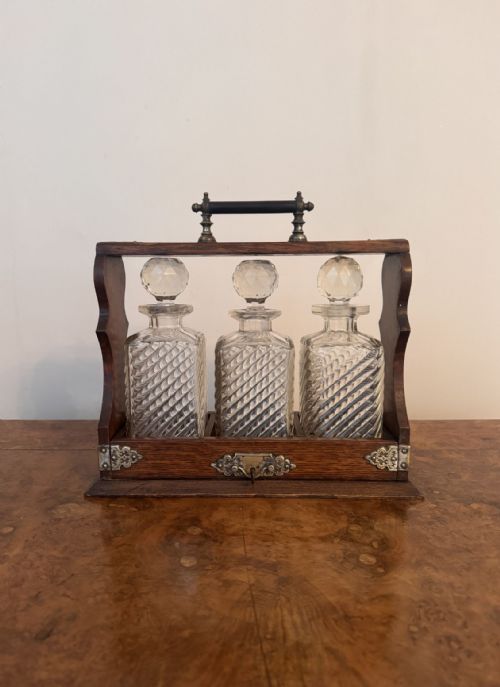
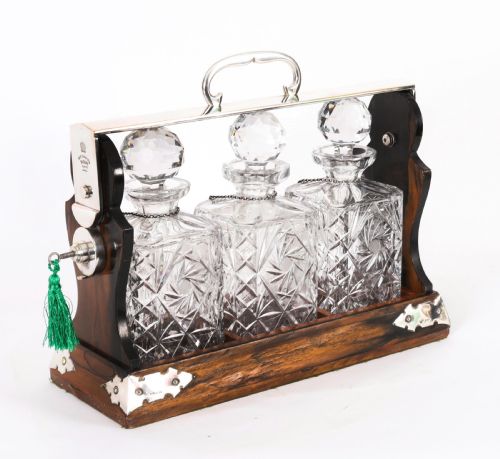
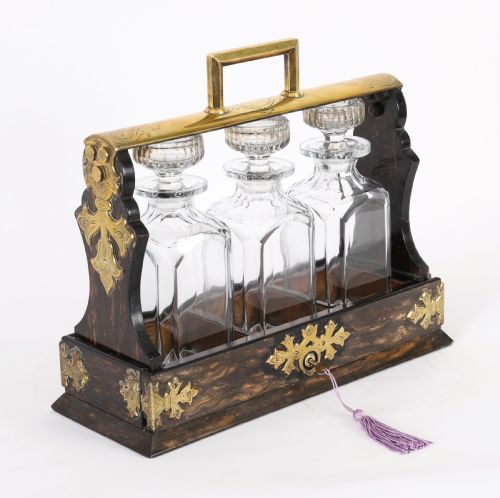
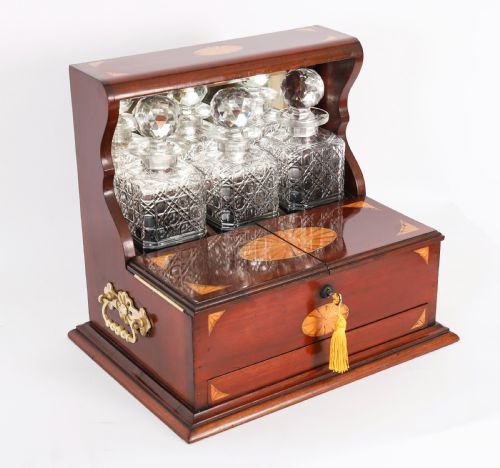
The material record spans the nineteenth century through the Art Deco period, including oak and coromandel tantaluses fitted with silver-plated mounts. Many examples incorporate matched glasses or integrated games compendiums alongside the cut crystal vessels.
The selection on this page demonstrates how domestic entertaining evolved across different decades, transitioning from ornate Victorian presentation stands to sleek modernist chrome and glass combinations.
Materials and Construction
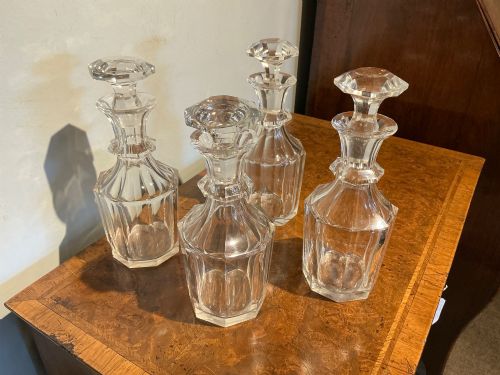
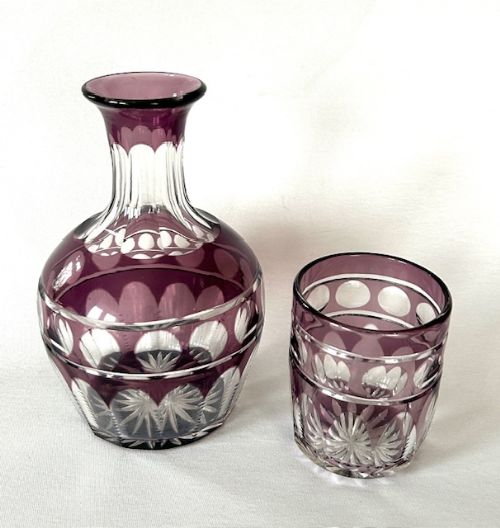
The vessels are formed from heavy cut crystal or lead crystal, frequently featuring deep wheel-engraved geometric or floral patterns that catch the light. Optically blown glass techniques also appear, yielding clear walls with subtle internal refraction.
Support structures combine durable timbers such as oak, satinwood, and coromandel with cast brass hardware and silver-plated mounts. Locking mechanisms on tantaluses utilise sophisticated metal framework to secure the bottles within their wooden bases.
Many Victorian tantaluses doubled as portable card rooms, housing hidden compartments for cribbage pegs and playing cards right beneath the spirits.
Assessing Quality
Quality rests upon the depth and crispness of the crystal cutting, alongside the weight and clarity of the glass itself. Superior sets display hand-polished facets that feel sharp yet smooth to the touch, paired with heavy stoppers ground specifically to each individual neck.
The standard of the housing matters equally, distinguished by solid timber construction rather than veneer, tight joinery, and functional locking mechanisms with matching keys. Maker hallmarks on silver-plated mounts or fitted frames indicate higher production standards.
Betjemann’s·Baccarat·James Powell·Val Saint Lambert·Mappin & Webb
The Vintage Crystal Decanter Set Glossary
- Tantalus
- A locking drink cabinet that displays spirit decanters while preventing unauthorised access by holding the stoppers firmly in place.
- Cave a Liqueur
- A French portable fitted box containing a set of small decanters and liqueur glasses, often lined with velvet or silk.
- Optically Blown
- A method of glassblowing where molten metal is inflated inside a ribbed mould to create a uniform pattern of vertical ridges.
- Cruet Set
- A collection of small glass bottles mounted on a stand, traditionally used for holding condiments or oils rather than potable spirits.
Vintage Crystal Decanter Set: Frequently Asked Questions
How do I unlock a vintage tantalus without a key?
Most antique tantaluses utilise straightforward lever or sliding bar locks that require specialist intervention from a locksmith or restorer rather than forced entry. Attempting to pry open the wooden framework risks splintering the aged coromandel or oak.
Once opened, the internal mechanism can often be serviced or a replacement key can be matched to the original brass lock barrel by an experienced specialist.
Were these sets meant for display or daily use?
Victorian and Edwardian households positioned these sets in dining rooms and studies primarily as symbols of hospitality and social standing. They were deployed during after-dinner drinks to serve whisky, brandy, or liqueurs to guests.
While robustly constructed, modern owners often balance careful daily enjoyment with the preservation of delicate stoppers and silver-plated mounts.
How should I clean clouded crystal decanters?
Clouding typically results from mineral residue left by evaporated liquids over many decades. Gentle cleaning involves warm water and non-abrasive beads rather than harsh chemical detergents that might etch the lead crystal.
Thorough air drying prevents moisture entrapment, ensuring the heavy glass retains its original clarity and brilliance.
How do I distinguish Victorian from Art Deco sets?
Victorian and Edwardian pieces lean towards heavy timber frames, ornate silver plating, and deeply cut floral or hobnail crystal patterns. These designs emphasise traditional craftsmanship and substantial display presence.
Art Deco examples, by contrast, favour geometric silhouettes, streamlined chrome fittings, and minimalist glass forms influenced by modernist design principles.