



Vintage Crossover Dress Ring
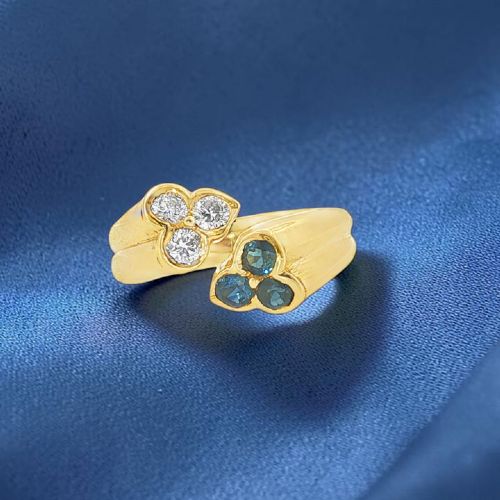
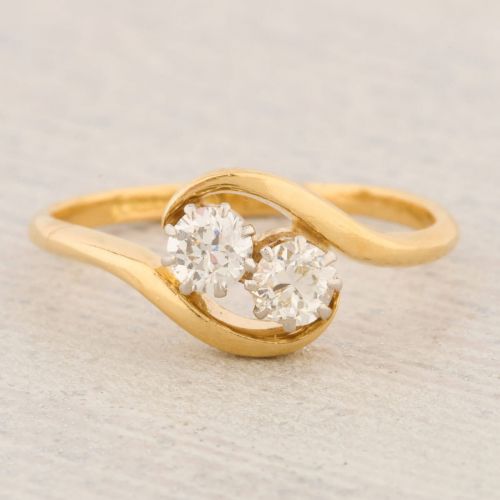
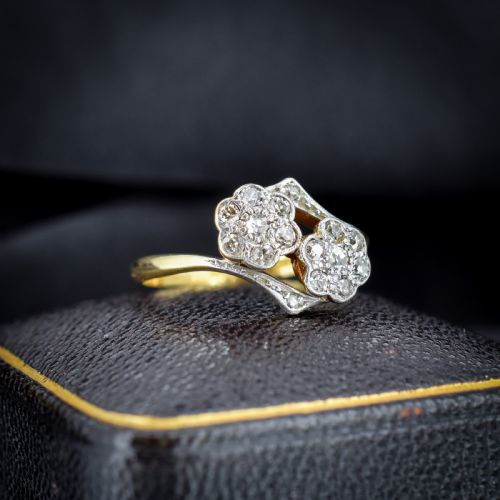
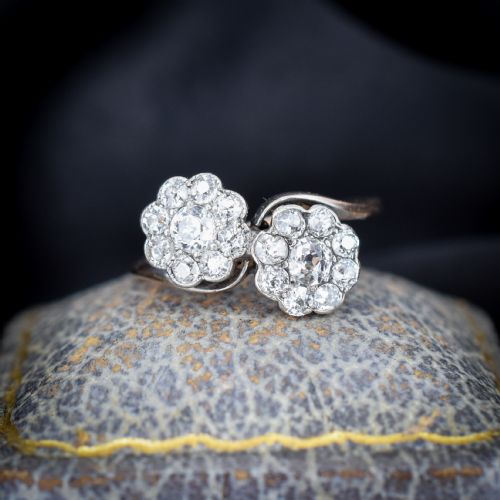
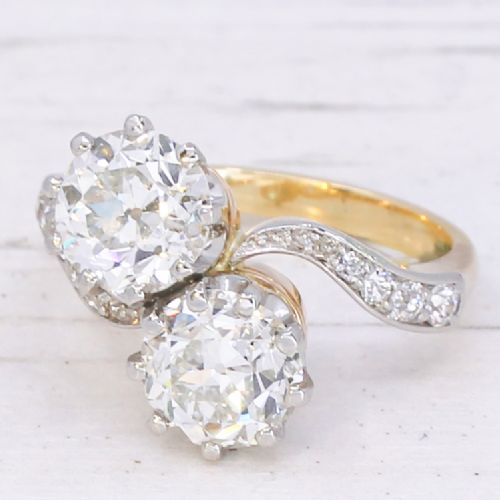
A vintage crossover dress ring brings together two or more opposing gems that meet or entwine on the finger.
Vintage Crossover Dress Ring
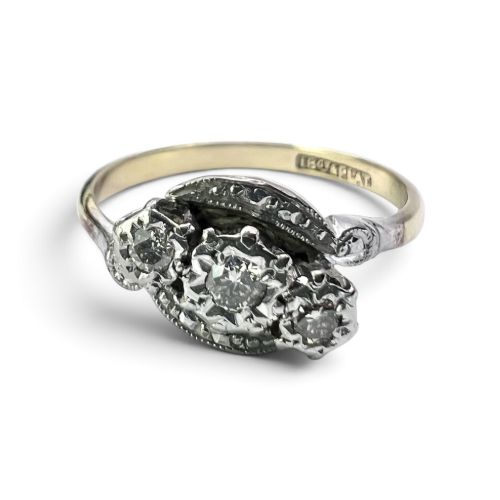
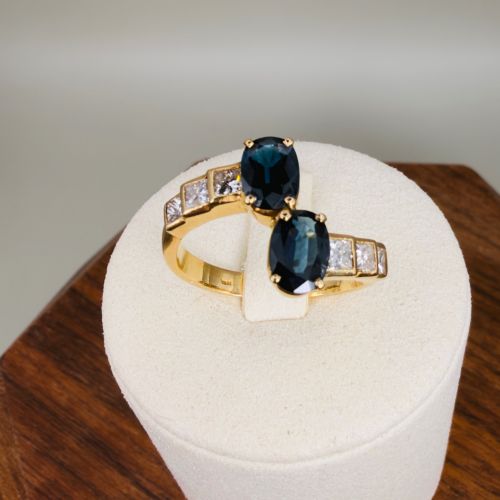
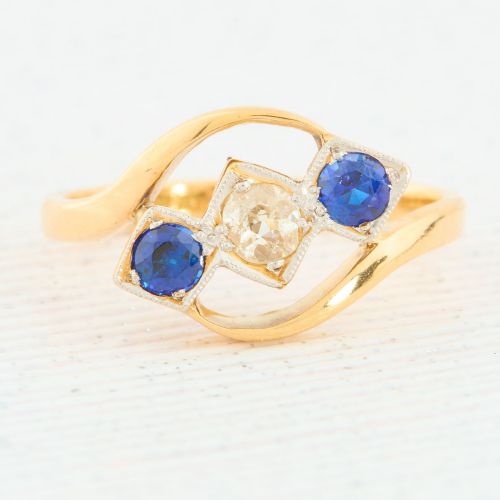
A vintage crossover dress ring is shaped so that the shoulders sweep towards the centre in a curved or bypass line. You will frequently find pieces configured as a twist or a 'toi et moi' design where dual stones sit side by side.
The selections span from the early twentieth century through the Edwardian and Art Deco periods, extending into mid-century and later decades. These forms use precious metals to support pairings of diamonds alongside sapphires, rubies, pearls or emeralds.
Makers shaped these bands to sit flat against the hand while creating movement through the intersecting lines of the shank. Such rings function primarily as decorative dress pieces rather than traditional wedding bands.
Materials and construction
Craftsmen built these rings predominantly using 18ct yellow or white gold, often pairing the gold shank with platinum settings to secure the stones. Platinum claws and bezels allowed jewellers to use minimal metal around old-cut diamonds and coloured gemstones.
Stones were typically hand-set using traditional grain, bezel or prong methods suited to the curving geometry of the crossover arms. Old European cut and rose-cut diamonds appear alongside calibrated sapphires and natural pearls.
Listings incorporate gold, platinum, diamonds, sapphires, rubies, pearls, emeralds and turquoise across Victorian, Edwardian, Art Deco and mid-century periods.
Assessing quality and craftsmanship
The weight and gauge of the 18ct gold or platinum shank dictate the structural integrity of the crossover curve over decades of wear. Thicker shanks maintain their tension better where the two arms cross.
The selection and matching of the central stones drive the overall standard, particularly in dual-gem rings where colour and carat weight balance each other. Clean old-cut diamonds and well-matched natural sapphires or pearls elevate the piece.
Kutchinsky
The Vintage Crossover Dress Ring Glossary
- Crossover ring
- A ring design featuring two or more shanks or gemstone settings that cross over one another on top of the finger. This layout is also referred to as a twist or bypass style.
- Toi et Moi
- French for 'you and me', describing a ring featuring two principal gemstones set close together in dialogue. These often combine a diamond with a sapphire or ruby.
- Old European cut
- An early brilliant diamond cut characterised by a small table, high crown and heavy old mine proportions. It precedes the modern brilliant cut.
- Platinum
- A dense, strong white metal widely utilised in Edwardian and Art Deco jewellery for delicate settings that securely hold diamonds without bulk.
- Bypass ring
- A ring style where the ends of the shank pass by each other rather than meeting centrally, creating a dynamic asymmetrical outline.
Vintage Crossover Dress Ring: Frequently Asked Questions
How do I date an Edwardian ring?
Edwardian pieces often combine platinum-topped gold with fine millegrain edges and old-cut diamonds. The metalwork tends to be lightweight yet structurally intricate.
Examining the hallmark or checking for characteristic motifs like garlands and openwork frames helps confirm the period.
What does Toi et Moi mean?
Toi et Moi translates as you and me, describing a two-stone ring configuration. The two gems sit side by side or wrap past each other representing two lives linked together.
This romantic format gained popularity in the early twentieth century using diamonds paired with rubies or sapphires.
Are these rings suitable for daily wear?
Most 18ct gold and platinum crossover rings are robust enough for regular wear provided the settings are secure. Checking the claws periodically ensures the stones remain firmly anchored in their curved mounts.
Gentle cleaning with warm soapy water keeps the gold and diamonds bright without harming pearls or softer gems.