


Vintage Credenza Table
A vintage credenza table bridges the gap between sideboards and console tables, offering deep storage and stately surface display for dining and living spaces.
Vintage Credenza Table
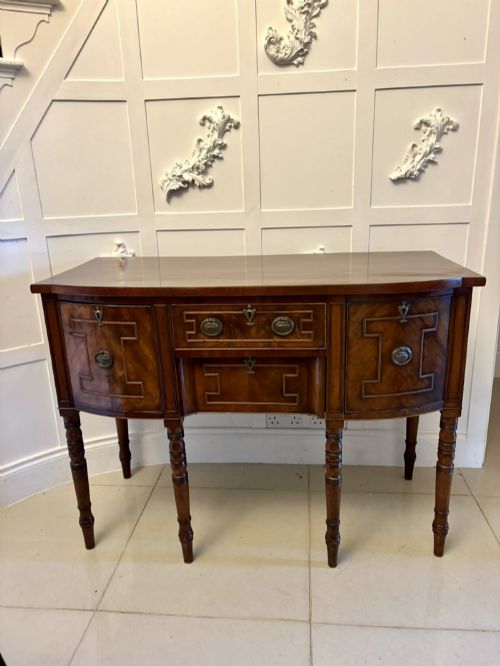
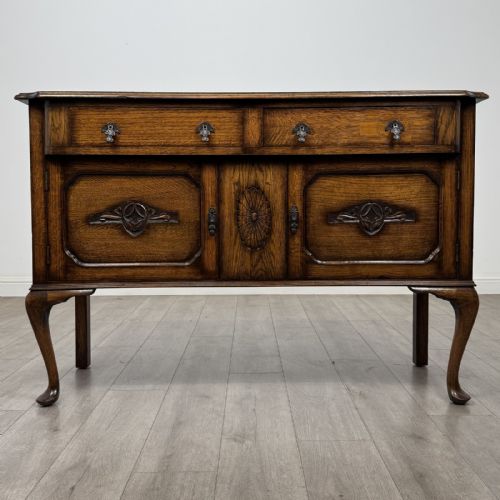
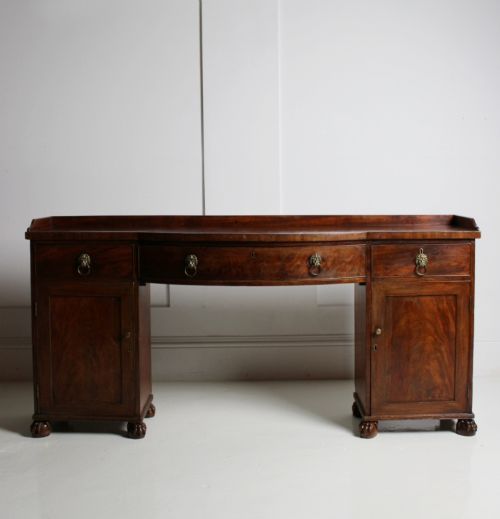
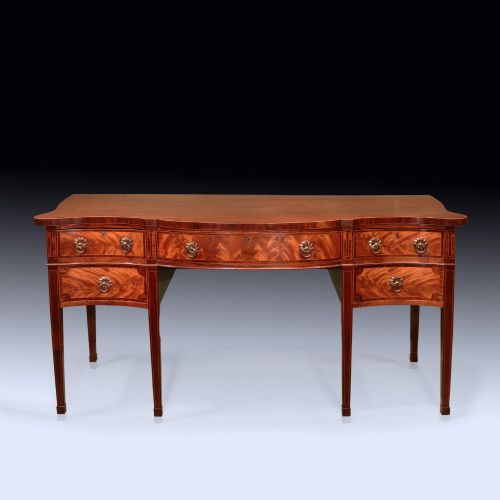
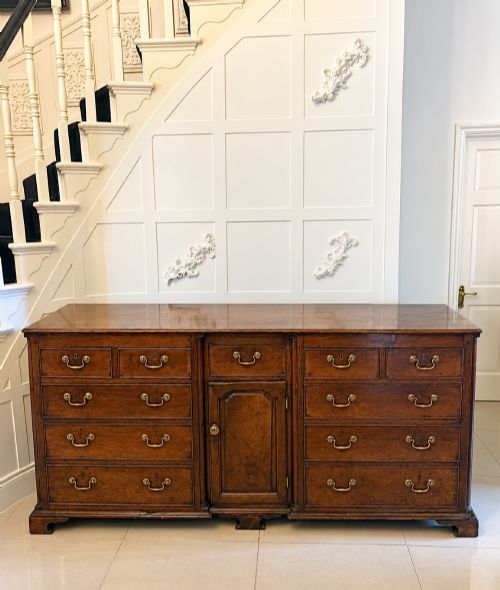
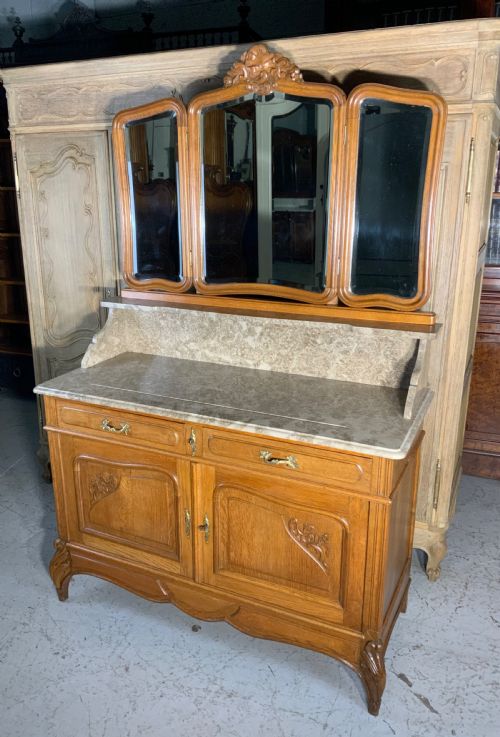
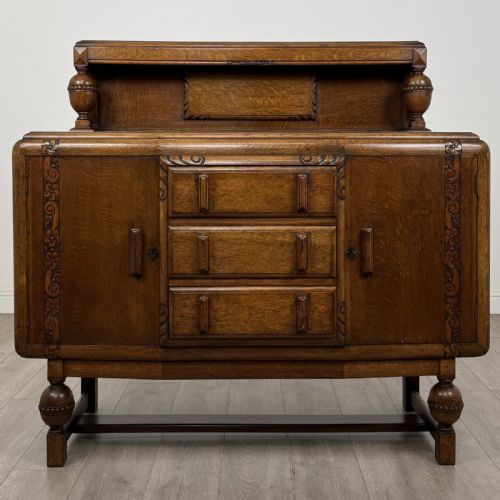
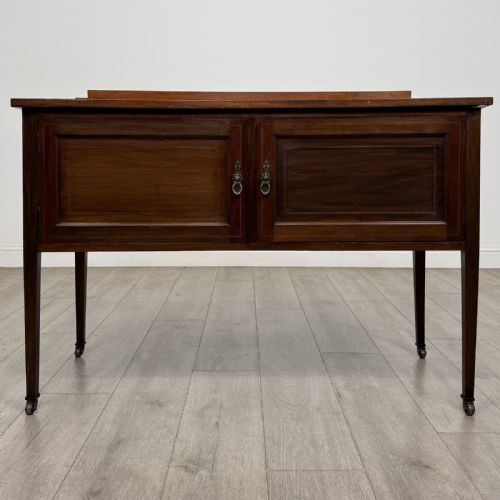
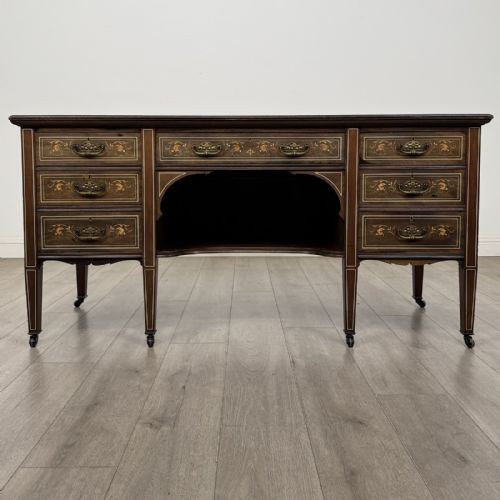
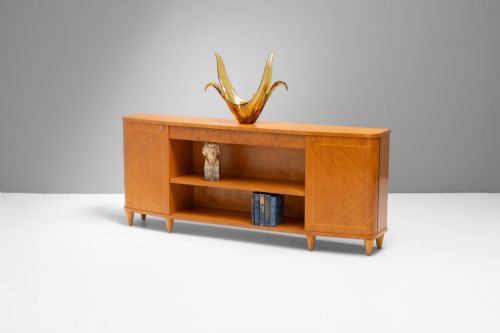
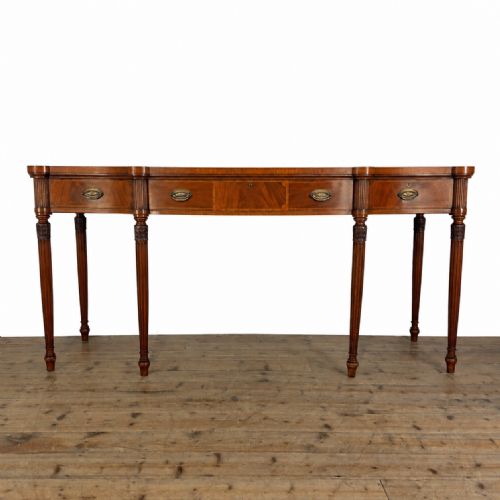
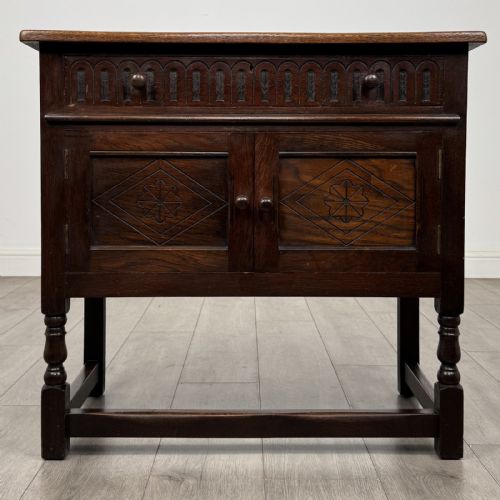
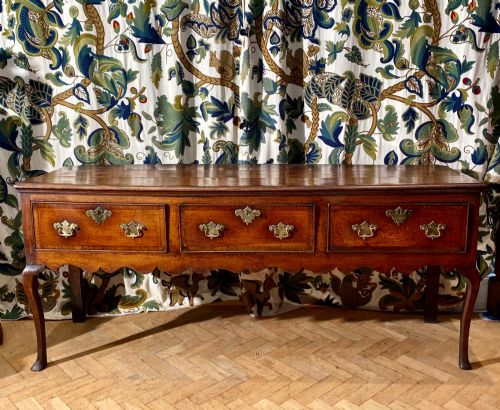
When a buyer searches for a vintage credenza table, they encounter a diverse selection of heavy timber furniture primarily categorised across the evidence as sideboards, dresser bases, and console tables. These pieces span centuries from the eighteenth century through to the art deco era, incorporating periods such as the Georgian, Victorian, and Edwardian epochs.
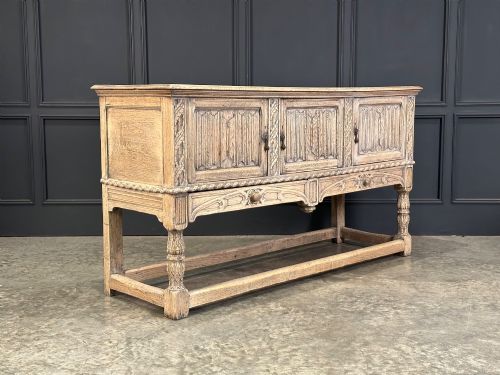
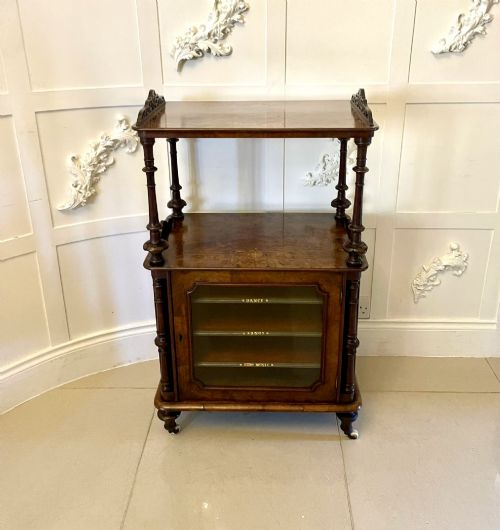
The most common iterations on this page are sturdy oak and rich mahogany sideboards, often featuring panelled doors, fitted drawers, or stretcher bases. Alongside these traditional forms, buyers will discover burr walnut console tables and smaller side cabinets designed for domestic utility and display.
Geographic origins and stylistic revivals shape the selection further, ranging from English country and Lancashire dresser bases to Swedish Grace and Dutch oak examples. Whether dealing with a mirror-backed Edwardian cabinet or a bow-fronted Regency design, each piece serves as a substantial focal point for a room.
Materials and Construction
Cabinet makers relied heavily on robust hardwoods like oak, mahogany, and walnut, frequently selecting burr walnut and flame mahogany veneers for decorative surfaces. Secondary timbers such as pine appear in regional pieces, while inlay work and carved details add texture to the primary woods.
Structural integrity relied on traditional joinery methods, supplemented by turned elements like barley twist legs and carved stretcher bases. Metal hardware in brass and iron provided functional handles and hinges, while glass doors and mirrored backs appeared in later Victorian and Edwardian examples.
Vintage Credenza Table Retail Price Guide 2026
Typical asking prices for vintage credenza table among the pieces listed under this phrase on Sellingantiques today, from the lower quarter to the upper quarter. They describe what is for sale here now, not the wider market.
Several Edwardian oak sideboards come equipped with integrated bottle racks, proving that historical hosts took their beverage organisation quite seriously.
Assessing Craftsmanship
The distinction between standard utility furniture and superior pieces lies in the selection of timber figures and the precision of surface embellishments. Master workshops utilised finely matched burr walnut and flame mahogany veneers, complemented by crisp carving and delicate inlaid detail rather than mass-produced ornamentation.
Maker attribution and physical stamps elevate certain pieces, demonstrating documented workshop standards from cabinet makers like Hille or Edward Barnsley. Furthermore, the handling of secondary woods and the retention of a fine, natural patina indicate superior original construction and careful preservation over time.
Edward Barnsley·Hille·M. D. Miller and Sons
The Vintage Credenza Table Glossary
- Bow Front
- A convex curved cabinet front that projects outward in a smooth arc. This shape gained popularity during the Georgian and Regency periods to soften rigid room angles.
- Dresser Base
- A low wooden storage unit featuring drawers and cupboards beneath a flat top surface. These utilitarian pieces originate mainly from eighteenth and nineteenth-century country kitchens.
- Stretcher Base
- A system of horizontal wooden bars connecting the lower legs of a table or sideboard for added stability. They often feature decorative turnings in Jacobean revival styles.
- Demi Lune
- A half-moon shape characteristic of console tables and sideboards designed to sit flush against a wall. This profile allows for elegant placement in narrower hallways and reception rooms.
- Patina
- The deep sheen and surface character acquired by wood through decades of use, waxing, and polishing. Collectors prize a rich patina as evidence of genuine age.
Vintage Credenza Table: Frequently Asked Questions
What is a credenza table?
A credenza table typically combines the low, flat top of a console table with the enclosed storage capacity of a sideboard or credenza. These versatile pieces suit dining rooms and hallways alike.
They function well for serving food, storing tableware, or displaying decorative objects above floor level.
How do I date an oak sideboard?
Dating oak furniture involves examining the construction methods, handle hardware, and timber grain characteristics. Earlier pieces from the eighteenth century show hand-cut joinery and regional vernacular traits.
Later Victorian and Edwardian examples often incorporate revival styles, machine-cut elements, and factory-stamped maker marks.
Where should I place a console table?
Console tables and demi-lune cabinets excel in entrance halls, living rooms, and dining areas where floor space is limited. Their shallow depth allows them to sit neatly against walls without obstructing pathways.
Pairing them with a mirror or hanging artwork above creates a balanced focal point in a room.
What is the difference between a sideboard and a dresser base?
A sideboard is traditionally a formal dining room piece designed for serving and storing silverware, often featuring elegant veneers and refined legs. A dresser base originates from country kitchens as a heavy, utilitarian workspace with deep drawers.
Both serve similar storage functions today, but their aesthetic roots reflect different social strata of historical homes.