



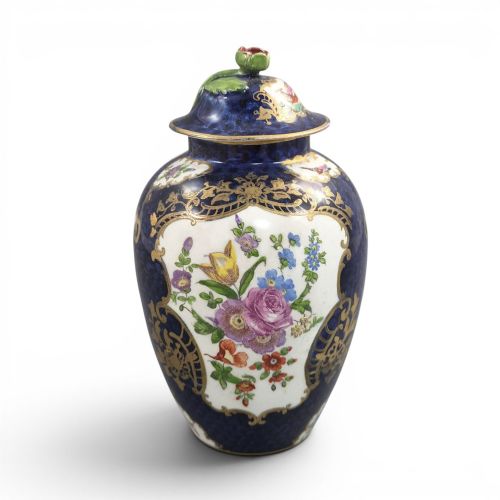
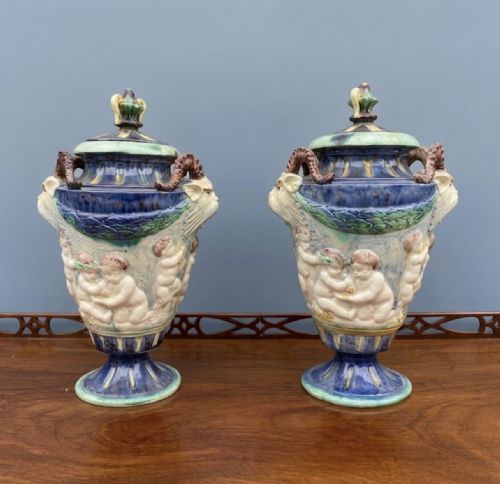


Vintage Covered Urn
A vintage covered urn brings monumental form and hidden utility to a room, holding pot pourri or standing alone as a decorative centrepiece.
Vintage Covered Urn
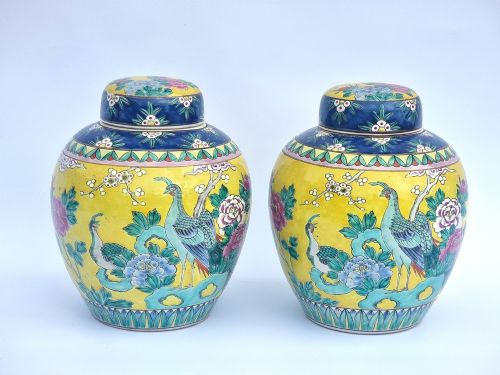
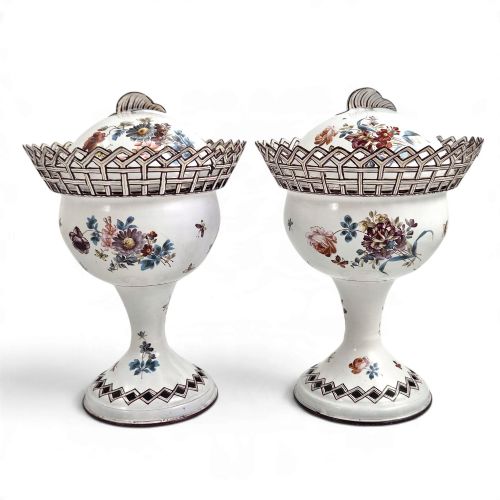
When you search for a vintage covered urn, you encounter vessels designed with a removable lid, spanning categories from ginger jars and pot pourri vases to garden urns.
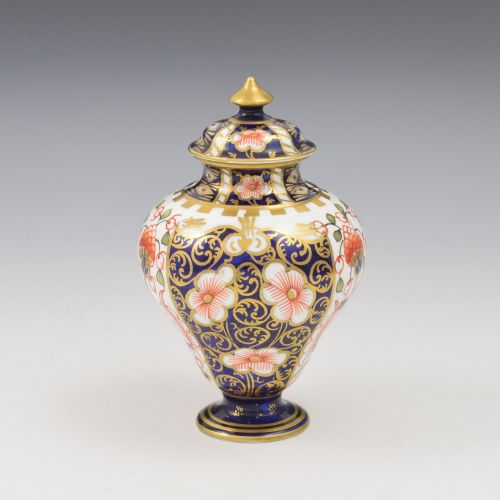
The selection ranges across the nineteenth and twentieth centuries, taking the form of English porcelain, Japanese Imari, and French faience.
Makers in this category include prominent English potteries and international workshops producing lidded forms in earthenware, porcelain, and metal.
Materials and construction
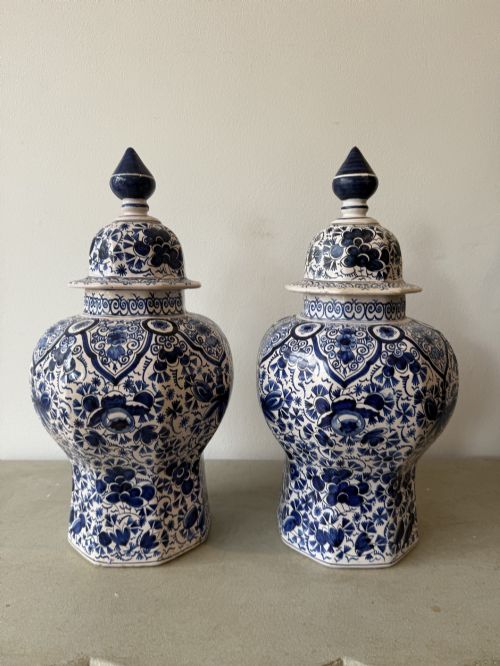
Pottery and porcelain pieces rely on hand painting, enamel work, and cobalt blue glazes fired at high temperatures.
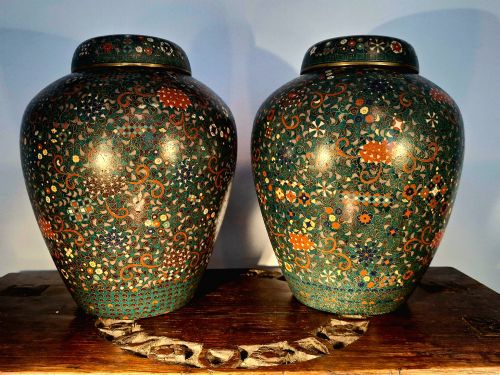
Metal vessels utilise cast iron or brass, while cloisonne works incorporate wire cells filled with enamel powders.
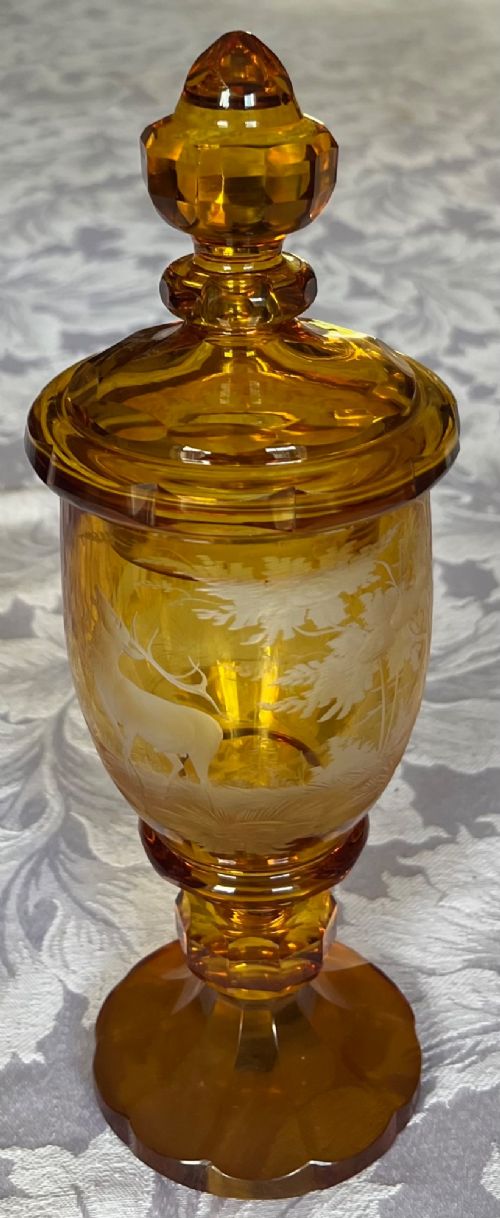
Glass alternatives depend on cutting, engraving, and etching techniques applied to lead crystal or bohemian glass.
Vintage Covered Urn Retail Price Guide 2026
Typical asking prices for vintage covered urn among the pieces listed under this phrase on Sellingantiques today, from the lower quarter to the upper quarter. They describe what is for sale here now, not the wider market.
Listings feature materials spanning porcelain, cloisonne enamel, cast iron, and cut glass across the nineteenth and twentieth centuries.
Assessing quality and execution
Quality rests upon the precision of the hand painting and the crispness of the modelled details on the body and cover.
The integration between the vase and its matching lid demonstrates the original potter's skill.
Surface decoration, whether hand-painted fruit or intricate cloisonne wirework, dictates the standard of the finished piece.
Royal Worcester·Royal Crown Derby·Masons Ironstone·Coalport
The Vintage Covered Urn Glossary
- Cloisonne
- Enamel work created by soldering flat metal wire to a metal base to form compartments before filling with paste.
- Imari
- Japanese porcelain decorated in underglaze blue and iron red with additions of gold, replicated by European factories.
- Pot pourri
- A vase or jar featuring a pierced or perforated cover designed to diffuse scent from dried flower petals.
- Faience
- European tin-glazed earthenware, particularly associated with French production.
- Kamcheng
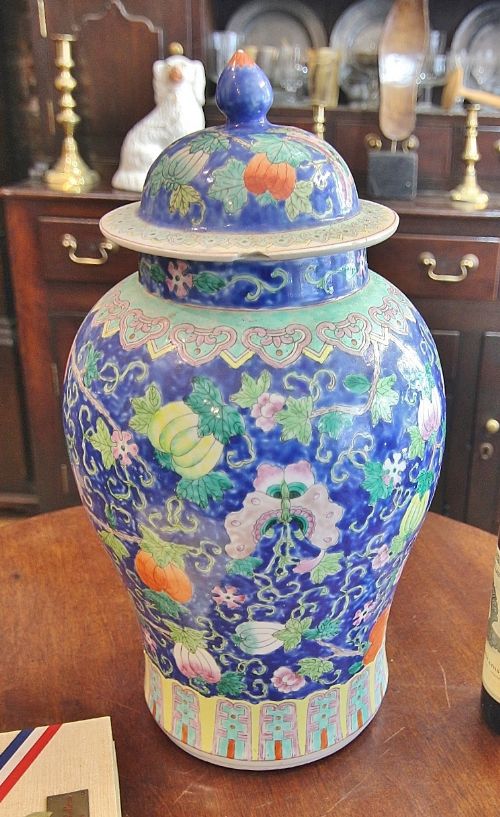
- A covered porcelain jar originating from Chinese export ware traditions.
Vintage Covered Urn: Frequently Asked Questions
What is a covered urn used for?
These lidded vessels served various domestic functions, primarily holding fragrant dried petals as pot pourri or storing ginger and preserves.
Today, they act as focal points on mantelpieces, sideboards, and entrance halls without requiring a functional role.
How do I clean a ceramic lidded vase?
Dust the exterior gently with a dry, soft brush to protect delicate hand-painted surfaces and gold leaf highlights.
Avoid submerging antique ceramics in water, particularly pieces with exposed earthen bodies or delicate enamel additions.
Are cast iron urns meant for the garden?
Cast iron examples appear in both interior decorative settings and garden environments depending on their scale and weight.
Weathered patinas on outdoor metal urns develop naturally over decades of exposure to the elements.
How do I distinguish Japanese Imari from English copies?
Examine the weight, paste, and undertone of the porcelain, as nineteenth-century Japanese pieces differ in body from English ironstone adaptations.
Inspect the brushwork closely for the characteristic iron red and cobalt blue palette typical of Arita production.