


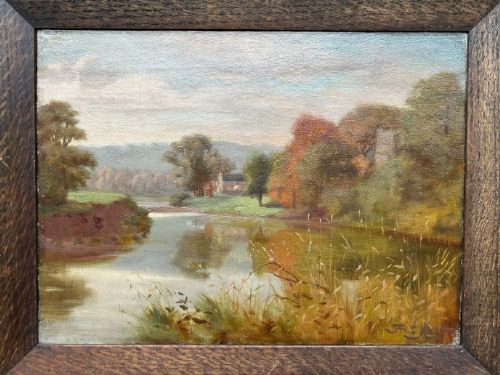
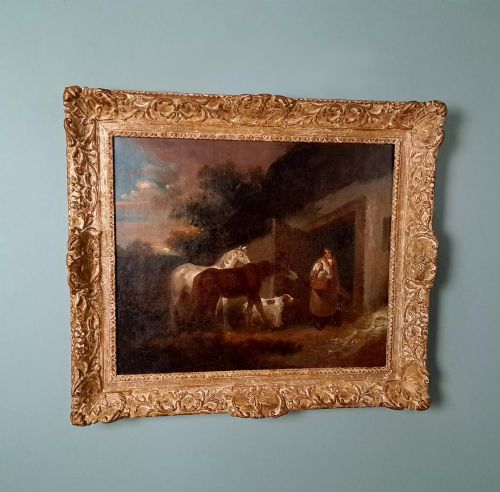
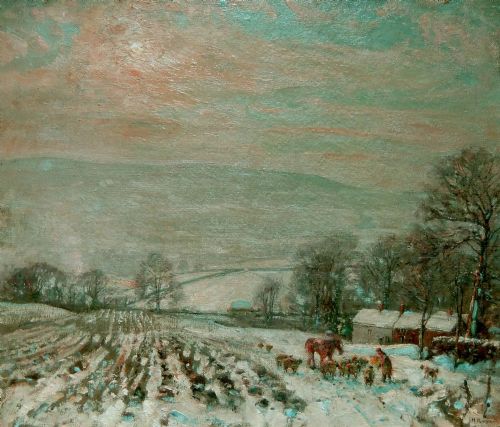
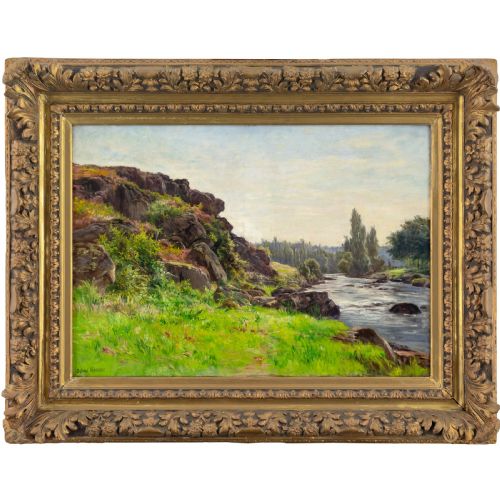
Vintage Countryside Landscape
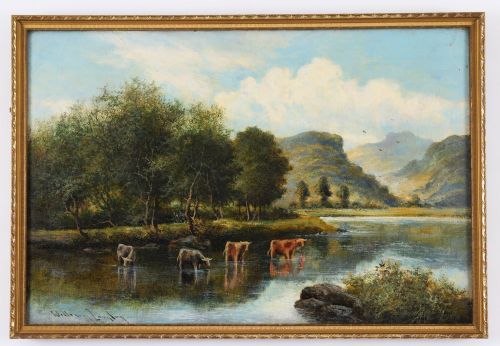
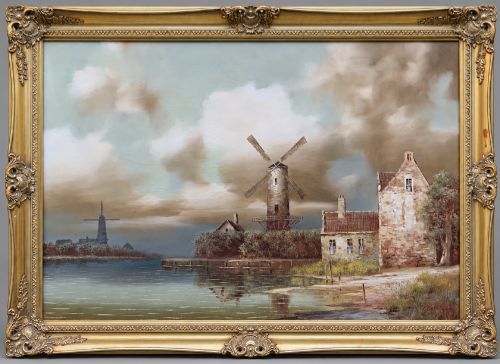
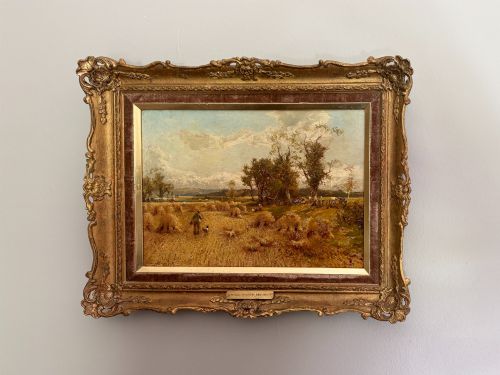
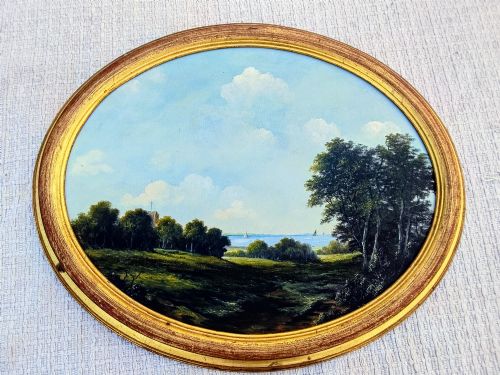
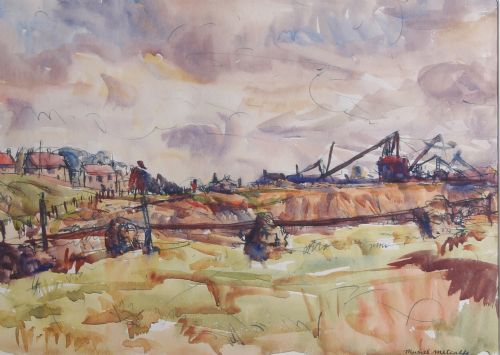
These vintage countryside landscape works capture rural river valleys, farmland and hill views through oil and watercolour.
Vintage Countryside Landscape
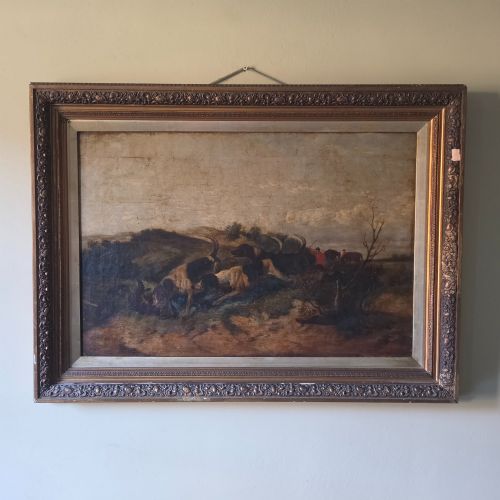
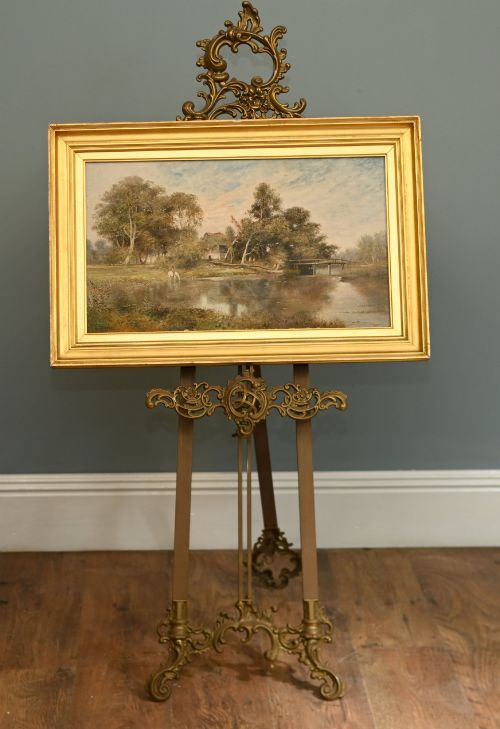
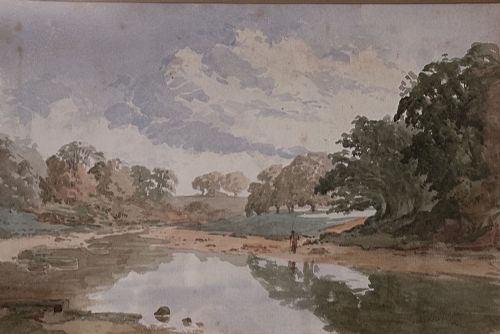
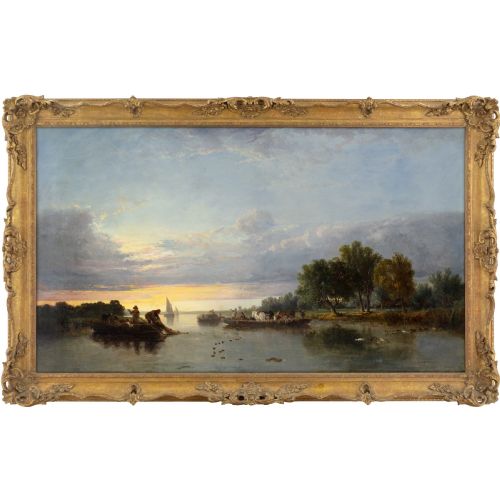
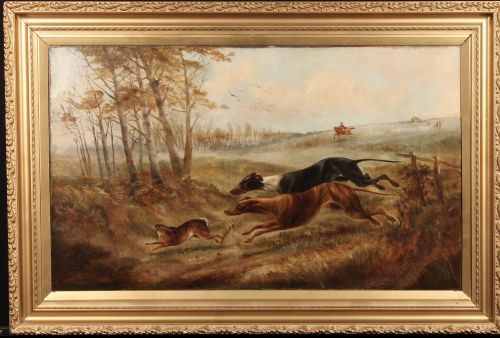
A vintage countryside landscape depicts rural views, rivers, farmland and rural workers created primarily during the nineteenth and twentieth centuries. The works range from intimate watercolours on paper to large oil paintings on canvas and wooden boards.
Most examples originate from British and European schools, reflecting the stylistic shifts from Victorian realism through to Impressionism and Modern British movements. Common subjects include river banks, woodland tracks, agricultural scenes and mountain vistas.
Buyers encounter framed original paintings created by named regional artists as well as unsigned works attributed to the English or French school. These pieces preserve historical rural environments through varied techniques from precise watercolour to heavy impasto oils.
How they were made
Artists painted primarily with oil paint or watercolour, applying pigments to stretched canvas, wooden panels, heavy board or paper supports. Oil applications vary from thin washes to thick impasto, while watercolours rely on fluid washes and ink details.
Support materials such as wood panels and canvas were often framed in gilt or wood mouldings appropriate to their period. Many works incorporate protective layers of varnish over oil paint to preserve the depth and tone of the rural scenery.
Several sheep, horses, and cattle quietly populate these fields, often painted as if they stayed still just long enough for the artist.
What varies in quality
Quality rests in the handling of light, atmospheric depth and composition rather than the sheer scale of the canvas. Superior pieces demonstrate confident brushwork and a clear sense of space that draws the viewer into the field or river valley.
The relationship between the medium and the support dictates longevity, with stable canvases and properly sealed wooden boards maintaining their structural integrity. Finer examples retain their original framing and retain legible signatures or documented provenance.
William H Myers·Frederick Marriott·William Joseph Shayer Senior·Herbert Royle·William Joseph Boyes·Gabriel Mathieu·Muriel Metcalfe·Eric Brown·Henri Ottmann·Ernest Higgins Rigg·Rene Levrel·Vernon DeBeauvoir Ward·Florence Adelina Hess·Hubert Wellington·Charles Clair·Joseph Edward Hennah·Charles Walter Simpson·Helen Layfield Bradley·Samuel Timmins·Henry Charles Fox·Mario Pinetti·Percy Hipkiss·Jack Cross·J Milner
The Vintage Countryside Landscape Glossary
- Impasto
- Paint applied thickly to a canvas or panel, leaving visible brush or palette knife marks that add tactile texture. This technique is frequently seen in twentieth-century rural scenes to highlight light on foliage or water.
- Watercolour
- A paint consisting of water-soluble pigments applied to paper supports to create transparent washes of colour. It is often employed for luminous atmospheric effects in river and valley views.
- Oil on Canvas
- Pigments bound in a drying oil applied onto a woven fabric stretched across a wooden frame. It remains the standard durable medium for most historical landscape paintings.
- Wood Panel
- A rigid flat wooden support used instead of canvas for painting, common in smaller works. Panels offer a stable surface that resists sagging over decades.
- Gilt
- A thin layer of gold leaf or gold-coloured paint applied to picture frames to provide a decorative metallic finish. It enhances the visual presentation of traditional landscape artwork.
Vintage Countryside Landscape: Frequently Asked Questions
How do I date a landscape painting?
Dating relies on stylistic clues, framing methods, and signatures recorded by the artist or gallery. Details such as costume, agricultural machinery, and brushwork techniques help place the work within a specific decade.
Comparison with documented works from the same regional school provides further confirmation of the period. Archival records often narrow down the exact year of creation.
What is the difference between oil and watercolour?
Oil paint utilises a slow-drying oil binder on canvas or wood, allowing for rich texture and deep colour blending. Watercolour uses water-soluble pigments on paper, producing lighter translucent effects.
Oils are traditionally mounted without glass to expose the textured paint surface. Watercolours require framing behind glass to protect the paper from environmental moisture.
Where should I hang a landscape painting?
These works suit dining rooms, studies, and living spaces where natural light enhances the painted tones. Avoid placing canvases in direct sunlight or areas of high humidity to prevent fading and warping.
Pairing the frame style with your interior decor helps integrate the historic artwork into modern or traditional rooms. Secure wall fixings are essential for heavier framed oil paintings.
Are unsigned paintings worth collecting?
Unsigned works attributed to a regional school still offer significant artistic merit and historical representation of rural life. Quality of composition and brushwork matters more for aesthetic enjoyment than a legible signature.
Many period pieces lack signatures because the creators viewed them as modest studies rather than major gallery submissions. Careful inspection of the materials reveals the true age and skill behind the work.