

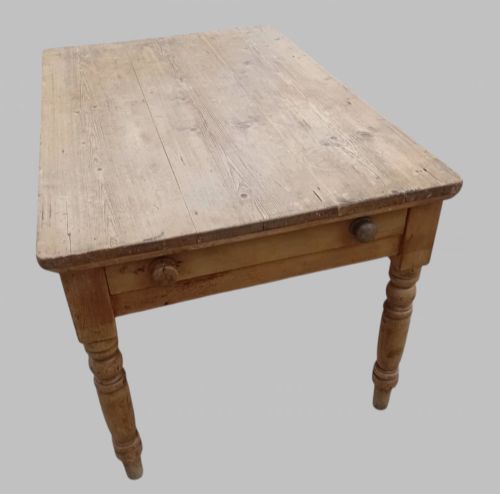
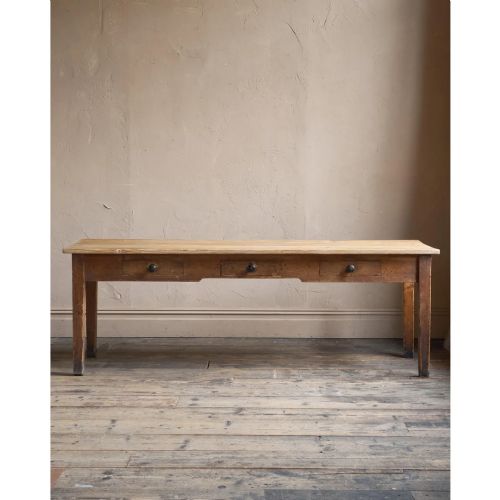
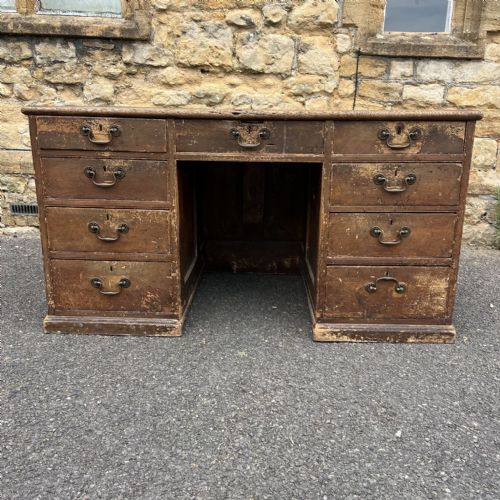
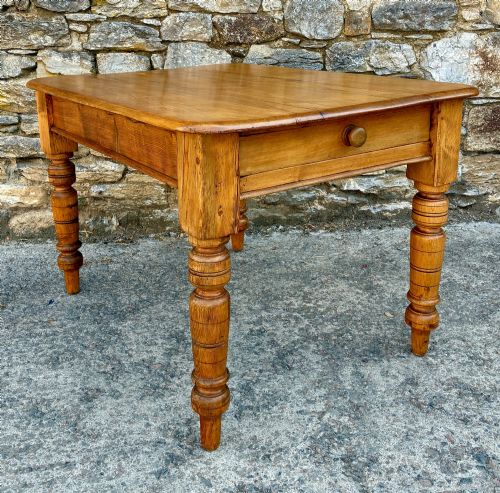
Vintage Country Pine Desk
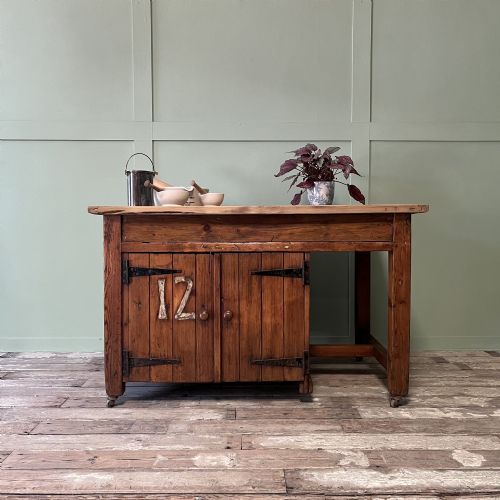
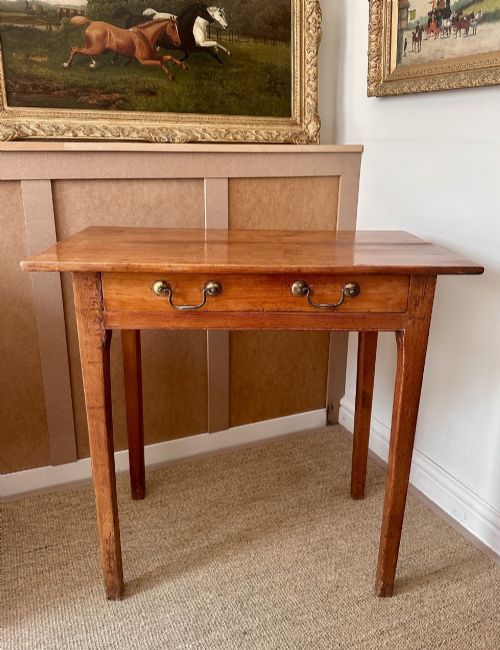
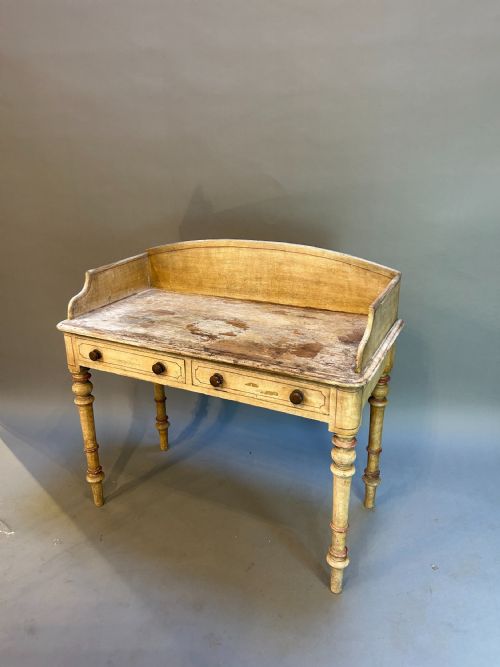
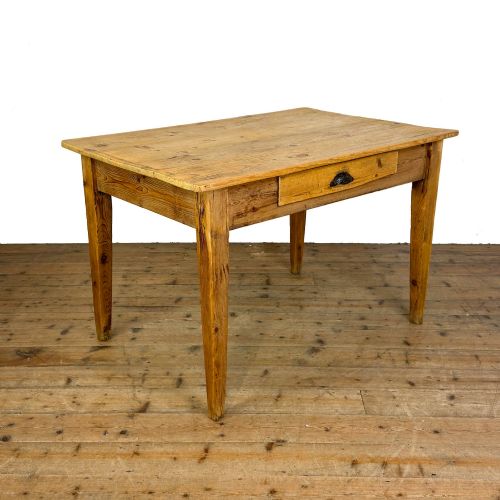
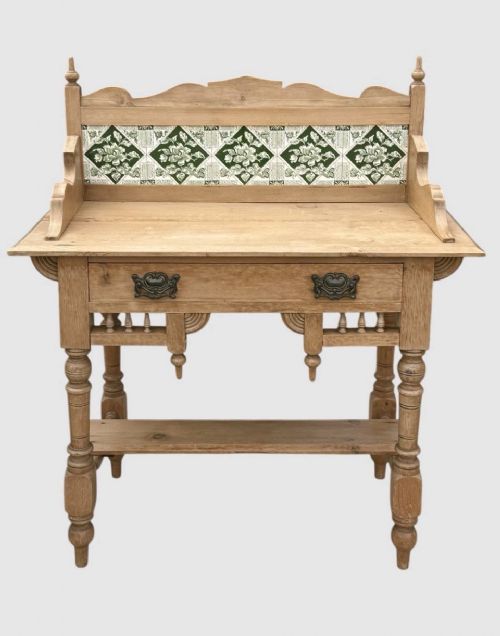
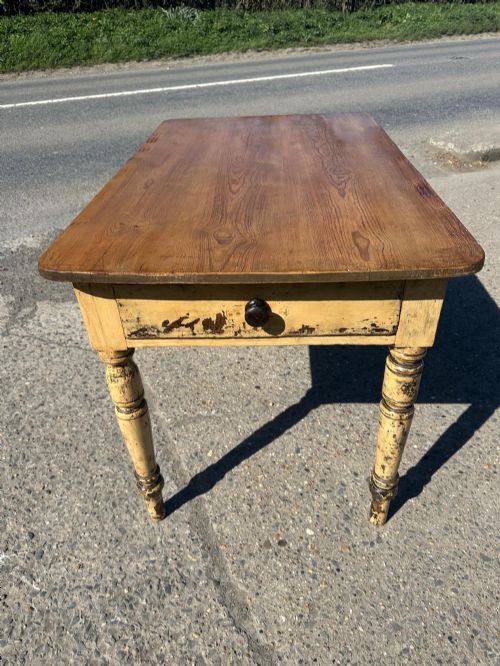
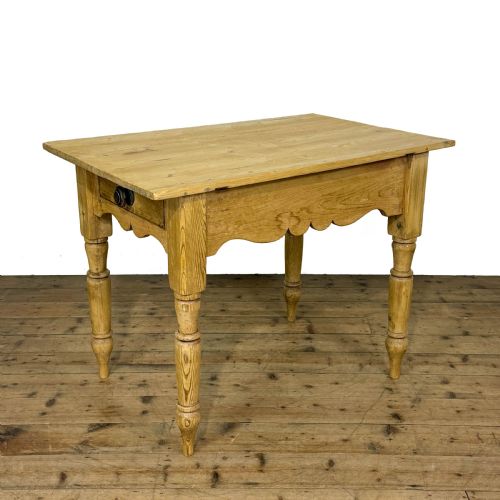
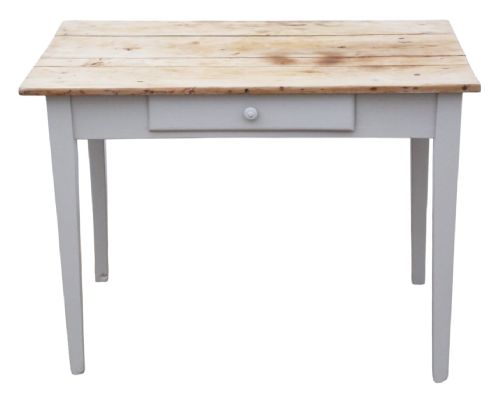
A vintage country pine desk brings robust utility and honest charm to a room, offering warm timber surfaces built for daily work.
Vintage Country Pine Desk
A vintage country pine desk represents practical domestic and working furniture built primarily during the nineteenth and early twentieth centuries. These pieces emerge from English, French, and Scandinavian traditions, taking forms such as writing tables, estate desks, and secretaires.
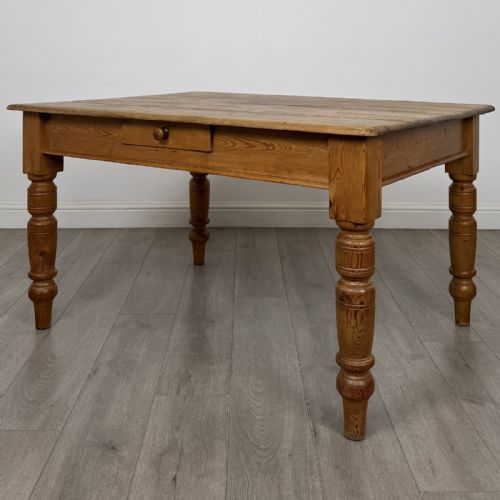
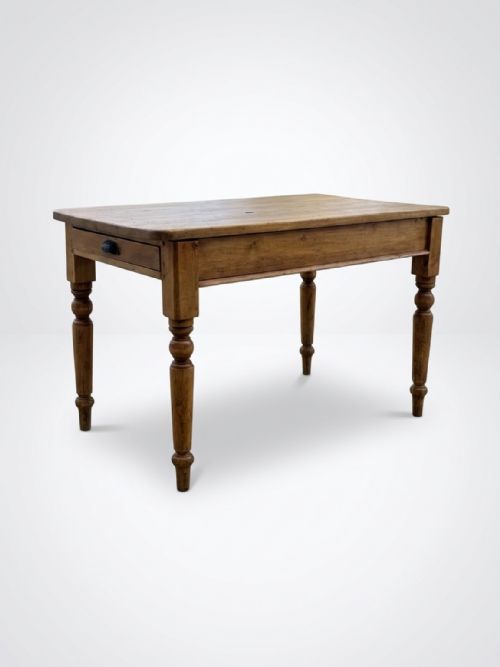
Buyers seeking a vintage country pine desk encounter pieces finished with natural wax, scrubbed tops, or original painted surfaces. The construction relies on sturdy softwood timbers selected for hard daily use in farmhouses, schools, and estate offices.
The selection ranges from simple tables adapted for writing to multi-drawer pedestal desks and bureau cabinets fitted with writing slopes. These items reflect straightforward regional craftsmanship rather than courtly ornamentation.
Materials and construction
Makers constructed these pieces using pine and pitch pine timbers, frequently combining them with oak for structural reinforcement or internal framing. Metal hardware such as brass handles and iron brackets appear on drawers and trestle supports.
Surfaces often show layers of historic paint, including Swedish Falu paint and distressed green finishes, alongside traditional wax applications. Carpenters joined structural elements using dovetail joints for drawers and robust mortise and tenon frames.
Vintage Country Pine Desk Retail Price Guide 2026
Typical asking prices for vintage country pine desk among the pieces listed under this phrase on Sellingantiques today, from the lower quarter to the upper quarter. They describe what is for sale here now, not the wider market.
Listings feature pine alongside oak, iron, and brass fittings across nineteenth-century and early twentieth-century periods.
Indicators of excellence
Quality separates through the integrity of the timber selection and the retention of original surface treatments. Pieces retaining their early paint finishes or genuine scrubbed pine tops command greater interest than those stripped down indiscriminately.
Structural honesty and original hardware elevate certain examples above standard utility pieces. The precision of dovetailing in the drawers and the weight of the timber determine the enduring stability of the desk.
The Vintage Country Pine Desk Glossary
- Pitch pine
- A dense, resinous softwood variety prized for its durability and strong grain pattern.
- Scrub-top
- A bare wooden table surface repeatedly scrubbed clean with soap and water, creating a pale, textured finish.
- Secretaire
- A cabinet or desk featuring a pull-down writing flap that conceals inner compartments and small drawers.
- Falu paint
- A traditional deep red or earthy paint originating in Sweden, traditionally utilised on timber buildings and furniture.
- Dovetail
- A strong wood joint formed by interlocking wedge-shaped fingers, commonly found on drawer construction.
Vintage Country Pine Desk: Frequently Asked Questions
How do I date a pine desk?
Dating relies on construction methods, timber characteristics, and the style of hardware present on the piece. Machine-cut elements generally point toward later periods, while hand-cut dovetails and hand-planed boards suggest earlier nineteenth-century origins.
Examining the layers of paint or finish also helps determine age. Original decorative surfaces provide reliable clues regarding the decade of manufacture.
Are these desks suitable for daily work?
These pieces were originally built for practical tasks in estate offices, schools, and farmhouses, making them naturally suited for contemporary workspaces. Their solid timber construction provides a sturdy platform for modern writing equipment.
Buyers should check the kneehole clearance and writing height to ensure comfort for extended use. Many antique examples offer generous surface areas compared to modern equivalents.
How should I care for painted pine?
Painted surfaces require gentle cleaning with a soft, dry cloth to remove dust without disturbing the historic finish. Avoid harsh chemical cleaners and excessive moisture that might lift fragile or aged paint layers.
Wax-finished pine benefits from occasional application of traditional beeswax to nourish the timber. Keeping the desk away from direct heat sources prevents the wood from warping or cracking over time.
What is the difference between a desk and a secretaire?
A traditional desk usually provides an open or flat working surface, sometimes accompanied by stationary drawers underneath. These focus primarily on immediate writing utility and straightforward construction.
A secretaire incorporates a hinged writing flap that conceals a complex interior of pigeonholes and small drawers when closed. This design allowed owners to conceal correspondence and valuable documents when not in use.