

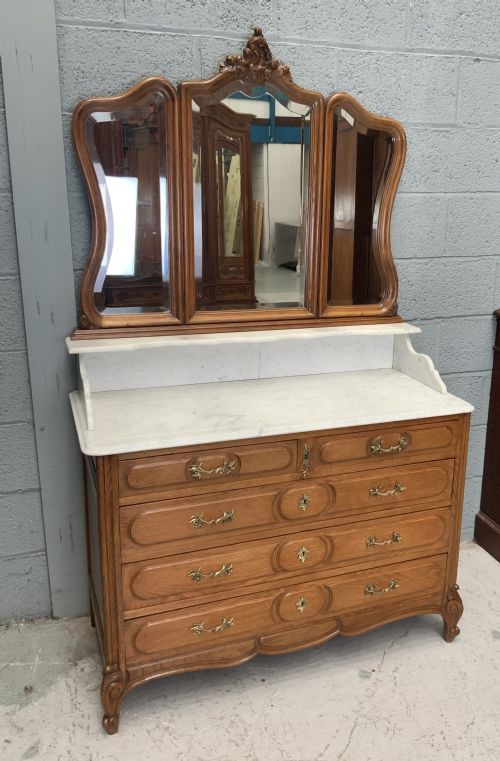


Antique Provincial Dressing Desk
These antique provincial dressing desk examples bring rustic charm and practical utility to a room through regional craftsmanship and honest timber construction.
Antique Provincial Dressing Desk
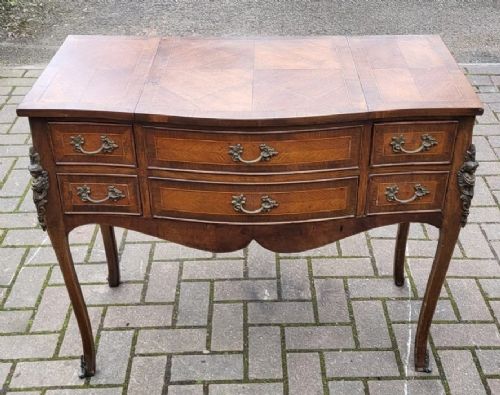
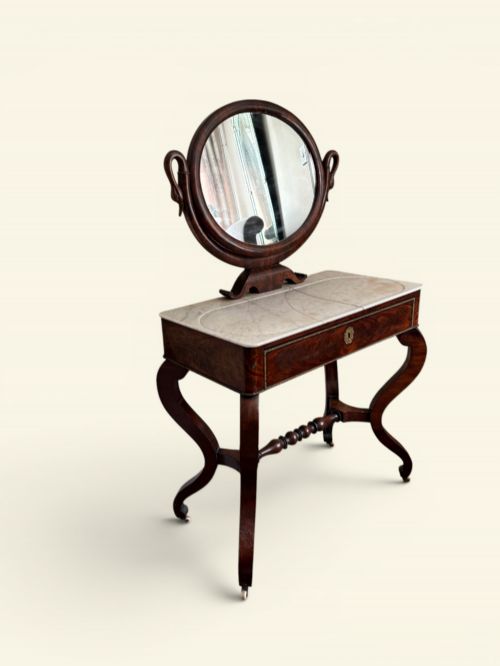
When you search for an antique provincial dressing desk, you look at regional writing tables, lowboys, washstands, and dressing tables spanning from the eighteenth century into the twentieth. These pieces embody country and provincial aesthetics, often originating from French workshops or British country houses.
The versions you meet most frequently on this page combine utilitarian forms with regional decorative flourishes. Oak, walnut, elm, and painted pine dominate the selection, offering versatile surfaces for daily use.
Makers ranged from rural joiners to regional cabinetmakers who adapted urban Georgian, Regency, and Rococo styles for local domestic needs. Each piece reflects the functional requirements of dressing or writing in a provincial home.
Materials and construction methods
Local timbers such as oak, walnut, elm, and pine provide the foundational structure for these pieces. Carpenters utilised solid woods, occasionally adding parquetry or decorative carving to elevate simpler forms.
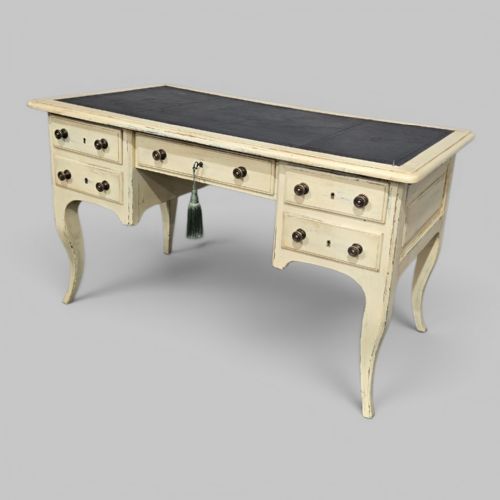
Surface treatments vary widely from natural waxed grains to painted finishes, cream paint, and bleached oak. Marble tops and inset suede writing surfaces also appear on specific regional variants, adding durability and contrast.
Antique Provincial Dressing Desk Retail Price Guide 2026
Typical asking prices for provincial dressing desk among the pieces listed under this phrase on Sellingantiques today, from the lower quarter to the upper quarter. They describe what is for sale here now, not the wider market.
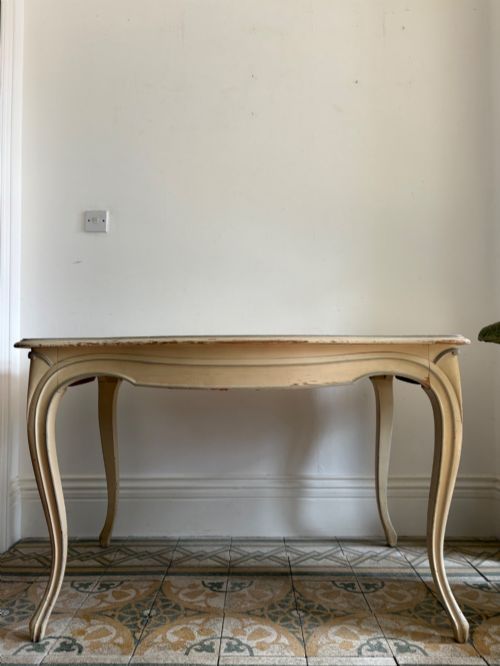
A versatile bleached oak table stands ready for anything, proving that country joiners knew how to multitask long before modern office furniture.
Assessing quality in provincial furniture
Quality in these regional pieces rests on the integrity of the timber selection and the honesty of the construction. Superior examples display thoughtful proportions, well-fitted drawers, and hand-carved details that complement the utilitarian form rather than masking poor timber.
The handling of surface finishes distinguishes finer workshops from basic country joinery. Whether dealing with original paint, bleached oak, or polished walnut, the longevity of the piece depends on how sympathetically the materials were worked and maintained.
The Antique Provincial Dressing Desk Glossary
- Parquetry
- Geometric wood inlay work used to create decorative patterns on tabletops. This technique showcases the skill of the cabinetmaker through precise cuts of contrasting timber.
- Cabriole leg
- A furniture leg that curves out and then in, resembling an animal's curving leg. This style is frequently found on eighteenth-century and revival provincial tables.
- Serpentine front
- A furniture front characterised by a concave central section flanked by two convex curves. It adds subtle movement and elegance to otherwise utilitarian side tables.
- Kneehole desk
- A desk featuring a central recess for the user's knees, flanked by banks of drawers. This form provides organised storage while maintaining a compact footprint.
Antique Provincial Dressing Desk: Frequently Asked Questions
What is a provincial dressing desk?
A provincial dressing desk is a regional piece of furniture designed for grooming or writing, originating outside metropolitan centres. These pieces utilise local timbers and straightforward construction.
They bridge the gap between utilitarian washstands and refined urban dressing tables, offering practical surface space and drawer storage.
How do I date these desks?
Dating relies on examining the timber species, tool marks, joinery techniques, and overall stylistic influences. Eighteenth-century pieces often show hand-sawn boards and simpler regional joints.
Later nineteenth- and twentieth-century examples incorporate revival styles like Rococo or simpler country pine construction, aligning with the periods recorded in the listings.
Are these tables suitable for daily use?
These tables were built for practical domestic tasks such as writing, washing, or dressing. Solid timber construction makes them robust enough for contemporary living.
Care should be taken with specific surfaces like marble or inset suede to prevent staining or damage during everyday use.
What woods were commonly used?
Makers relied heavily on regional hardwoods and softwoods available near their workshops. Oak, walnut, and elm provide durable frames and rich grain patterns.
Painted pine and bleached oak also appear frequently, reflecting specific regional preferences for lighter finishes in provincial interiors.