

Vintage Country Furniture
Vintage country furniture brings domestic history home through sturdy timber tables, painted pine chests and simple chairs shaped by daily use.
Vintage Country Furniture
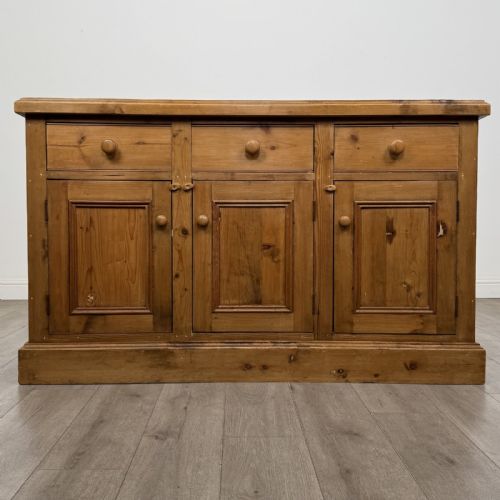
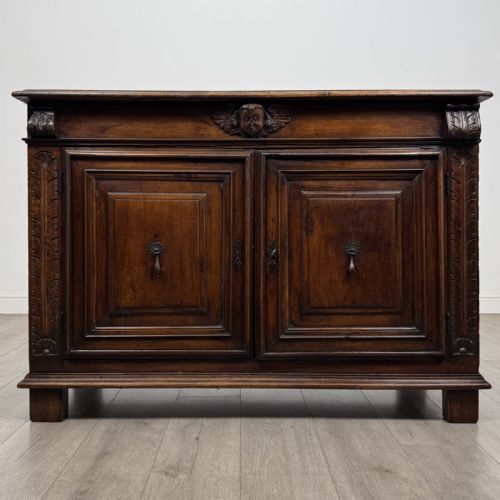
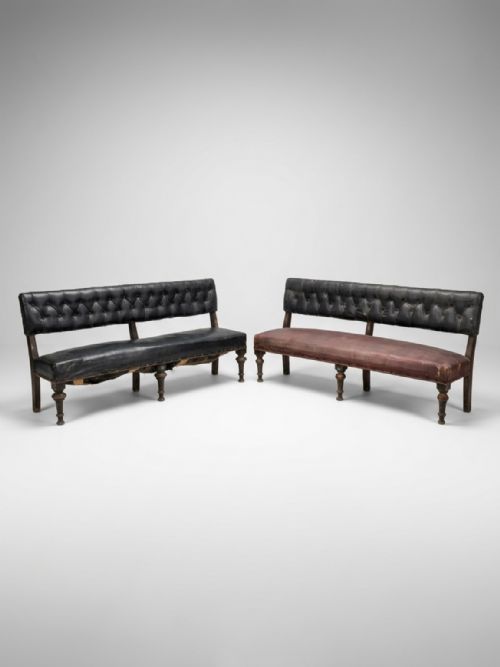
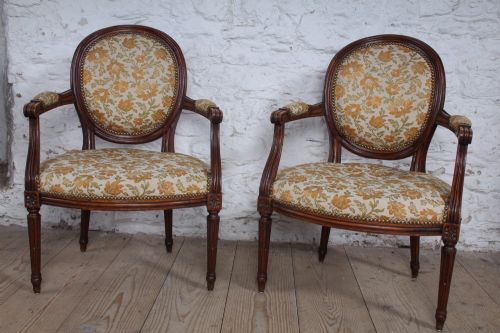
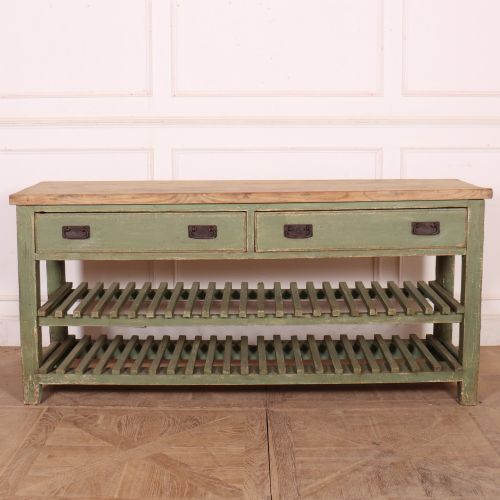
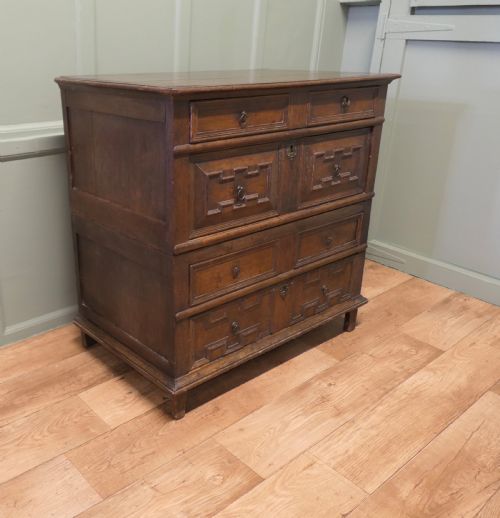
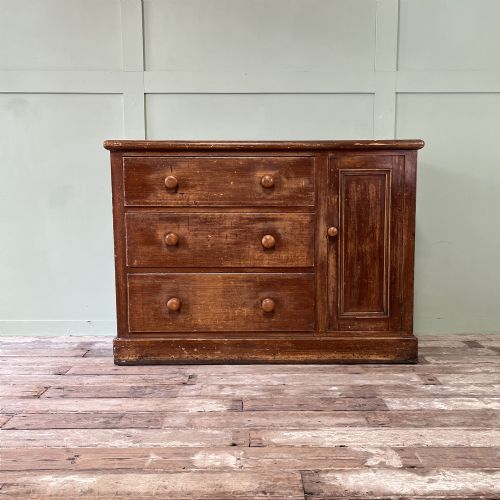
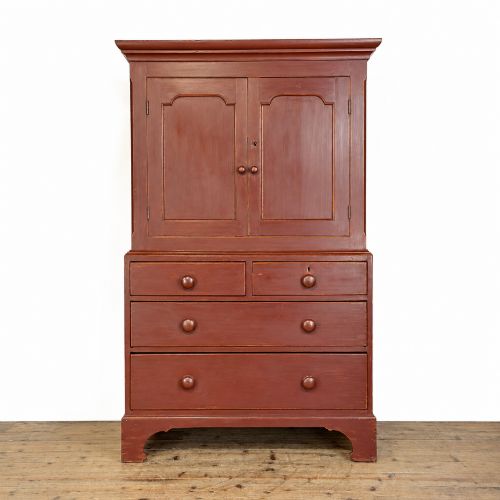
Vintage country furniture encompasses domestic storage, seating and dining pieces originating from rural workshops and provincial homes rather than metropolitan cabinet makers. When searching for vintage country furniture, buyers encounter forms designed for utility, such as Welsh dressers, housekeeper's cupboards, benches and chests of drawers.
The pieces appearing on this page span several centuries and styles, stretching from Georgian and Victorian eras into the twentieth century. Pine and oak dominate the selection, alongside ash, sycamore, elm and painted wood surfaces that show the marks of age and regional British or continental craftsmanship.
Materials and construction methods
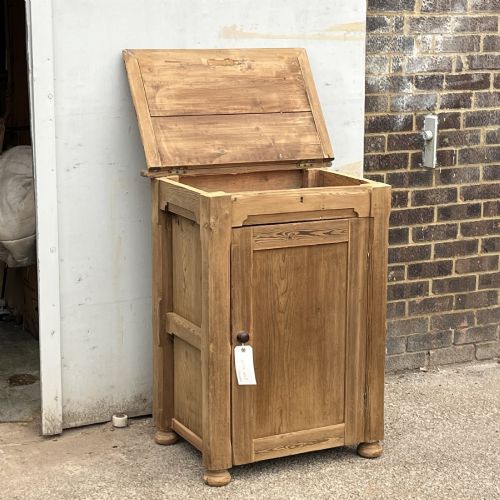
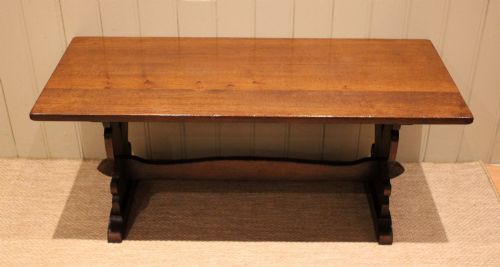
Makers relied on accessible local timber, building solid pine, oak, ash, sycamore and elm carcasses designed to withstand heavy daily use. Surfaces often retain original paint finishes, natural wax or plain timber patination accumulated over generations.
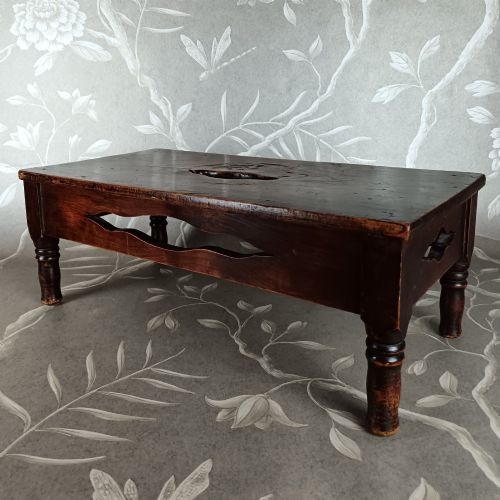
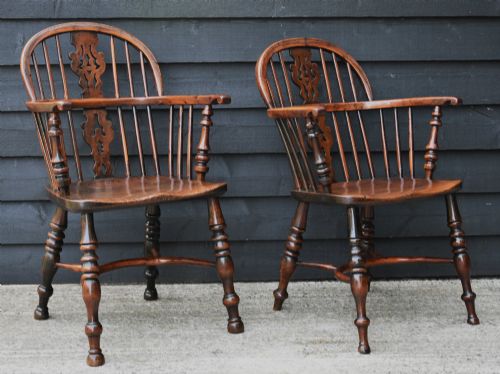
Joinery techniques prioritised strength over ornamentation, using pegged joints, hand-turned elements like bobbin legs, and pegged or dovetailed drawer construction. Structural simplicity allowed regional makers to produce durable armchairs, settles, dressers and tables without elaborate machinery.
Vintage Country Furniture Retail Price Guide 2026
Typical asking prices for vintage country furniture among the pieces listed under this phrase on Sellingantiques today, from the lower quarter to the upper quarter. They describe what is for sale here now, not the wider market.
Assessing quality in country pieces
Quality rests in the integrity of the timber and the preservation of original surfaces, such as early layers of paint or natural honey-coloured patination. Pieces that retain their original drawer configurations, hardware like knob handles, and uncompromised structural joints command greater interest.
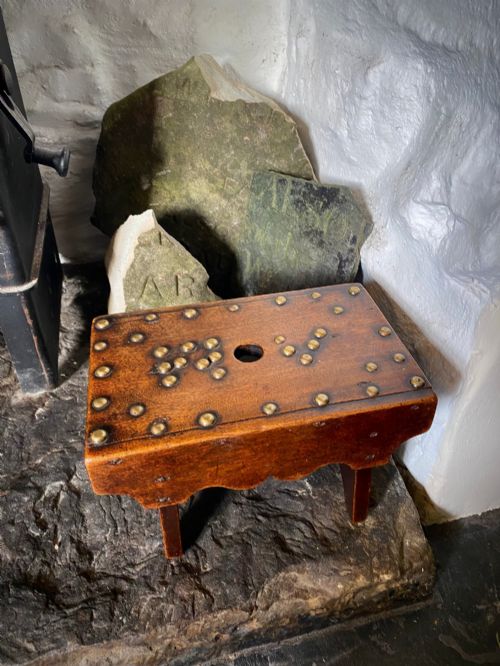
Proportion and scale distinguish finer vernacular pieces, where regional makers achieved balance in simpler forms like Windsor chairs, dressers and chests. Honest signs of wear and working-life repairs reflect the authentic history of rural use rather than diminished craftsmanship.
Rushworth's·Whytock & Reid·Sir Clough Williams-Ellis
The Vintage Country Furniture Glossary
- Welsh dresser
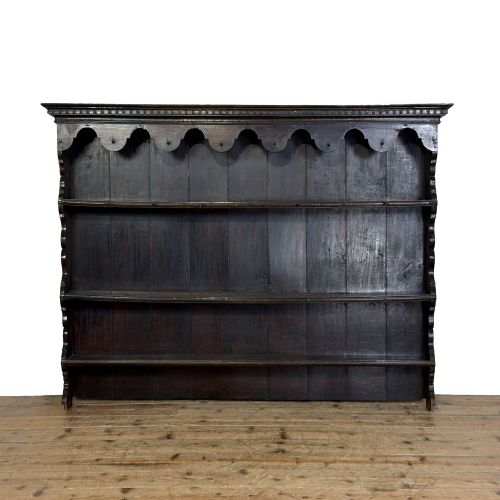
- A large kitchen or dining storage unit featuring base cupboards or drawers surmounted by open display shelving. These timber pieces served for storing and displaying utilitarian kitchen ceramics.
- Settle
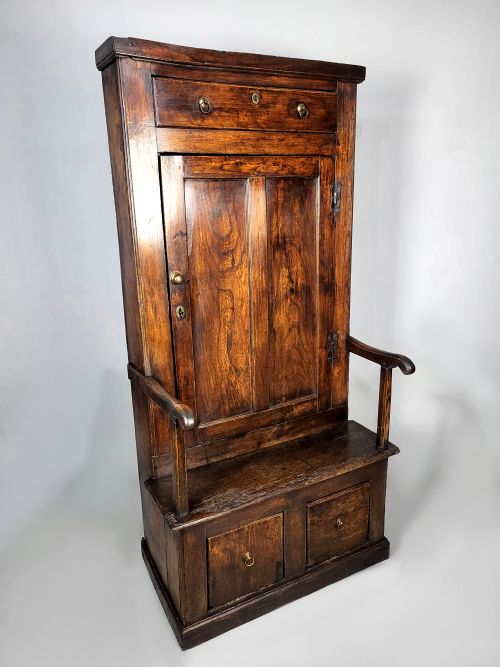
- A wooden bench with a high solid back designed to block draughts in farmhouse kitchens and hallways. Many examples incorporate box storage beneath the seat.
- Housekeeper's cupboard
- A large tall storage cabinet traditionally used in large houses for storing linens, dry goods and domestic provisions. They are typically constructed from solid pine or oak with panelled doors.
- Dovetail
- A traditional wood joint formed by interlocking wedge-shaped fingers, used primarily in drawer construction to ensure durable corners without metal fasteners.
Vintage Country Furniture: Frequently Asked Questions
How do I date country pine furniture?
Dating pine pieces relies on examining construction methods, such as hand-cut dovetails, tool marks and the type of fixings used in the assembly. Earlier items often feature wider boards and forged iron hardware.
Changes in handles, hinges and paint layers also provide clues to a piece's age and working history in a domestic setting.
Are painted finishes original on these pieces?
Many items retain old or original painted surfaces that developed naturally through decades of redecoration in farmhouses and cottages. Examining the paint under magnification reveals craquelure and wear patterns consistent with age.
Scraped areas or multiple underlying coats help distinguish authentic period paint from later decorative applications.
How should I care for antique timber?
Maintain wooden surfaces by applying traditional beeswax periodically to nourish the dry grain and protect the finish. Avoid placing items near direct heat sources or in fluctuating humidity to prevent timber splitting.
Clean surfaces gently with a soft, dry cloth rather than modern chemical polishes that can degrade historic wax and paint layers.
What is the difference between oak and pine pieces?
Oak furniture generally originates from earlier periods and offers a dense, heavy structure with prominent grain patterns suited to formal vernacular use. Pine pieces are lighter, frequently painted, and typical of later domestic utility in farmhouses.
Both materials require similar environmental conditions in the home to prevent movement in the timber over time.